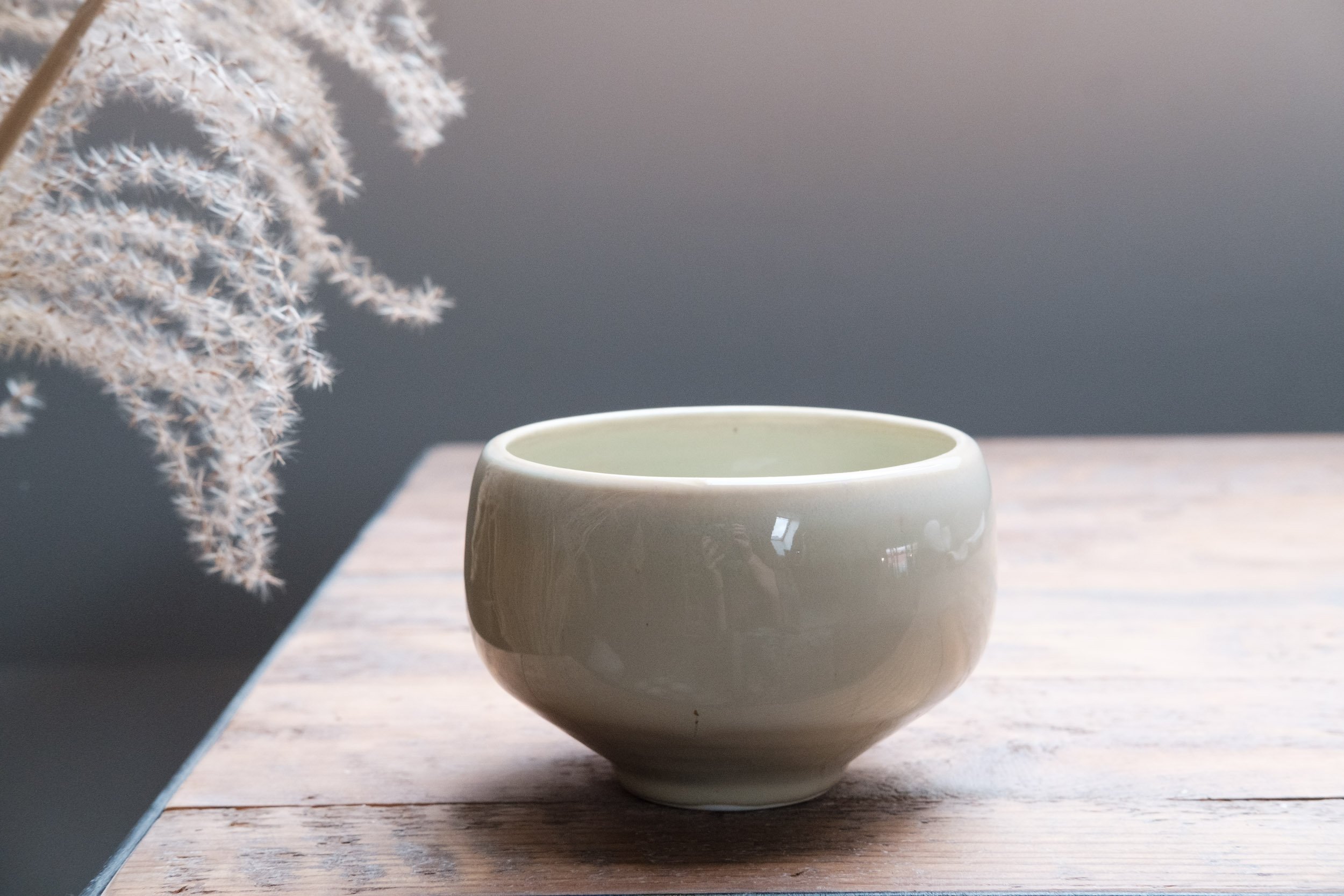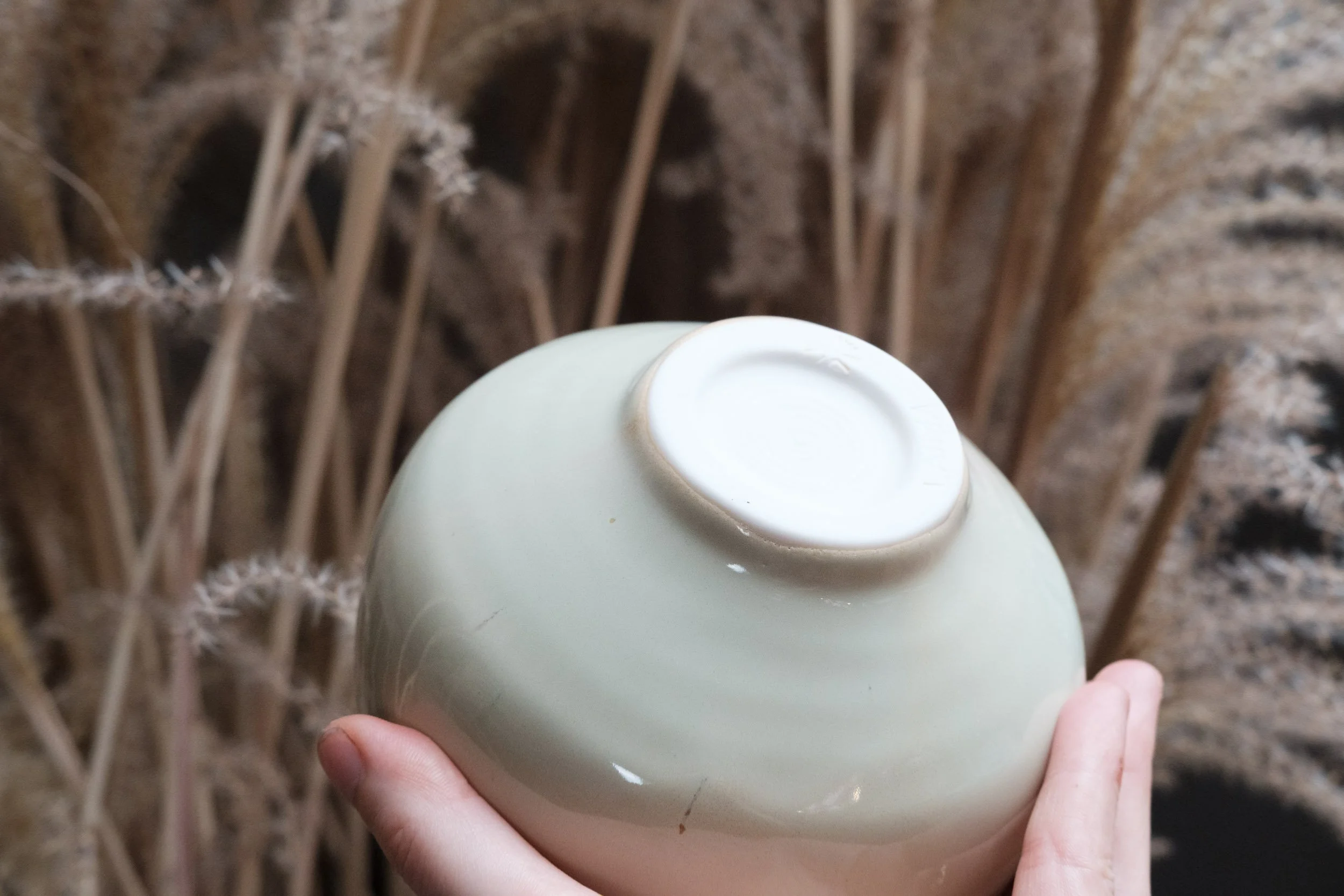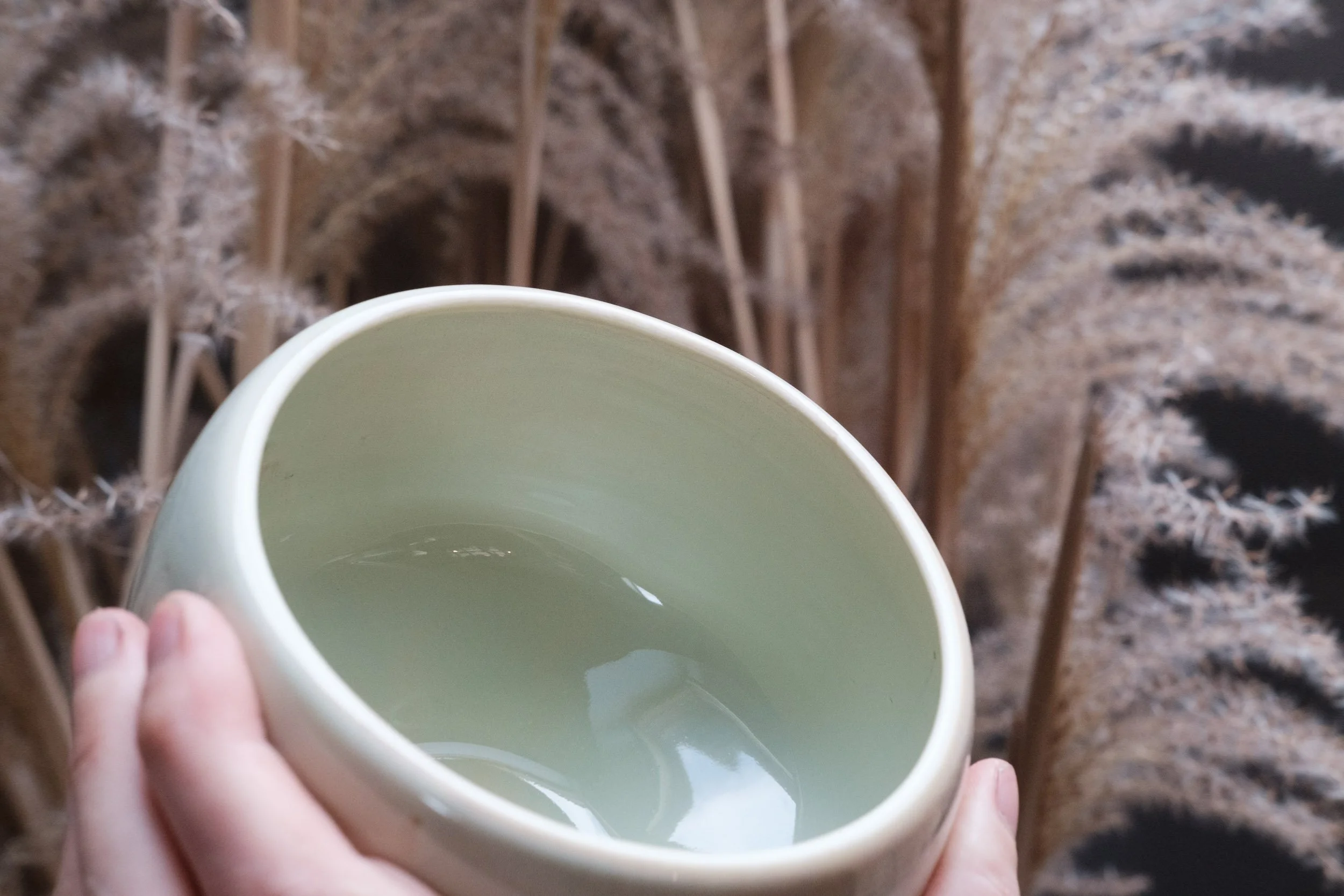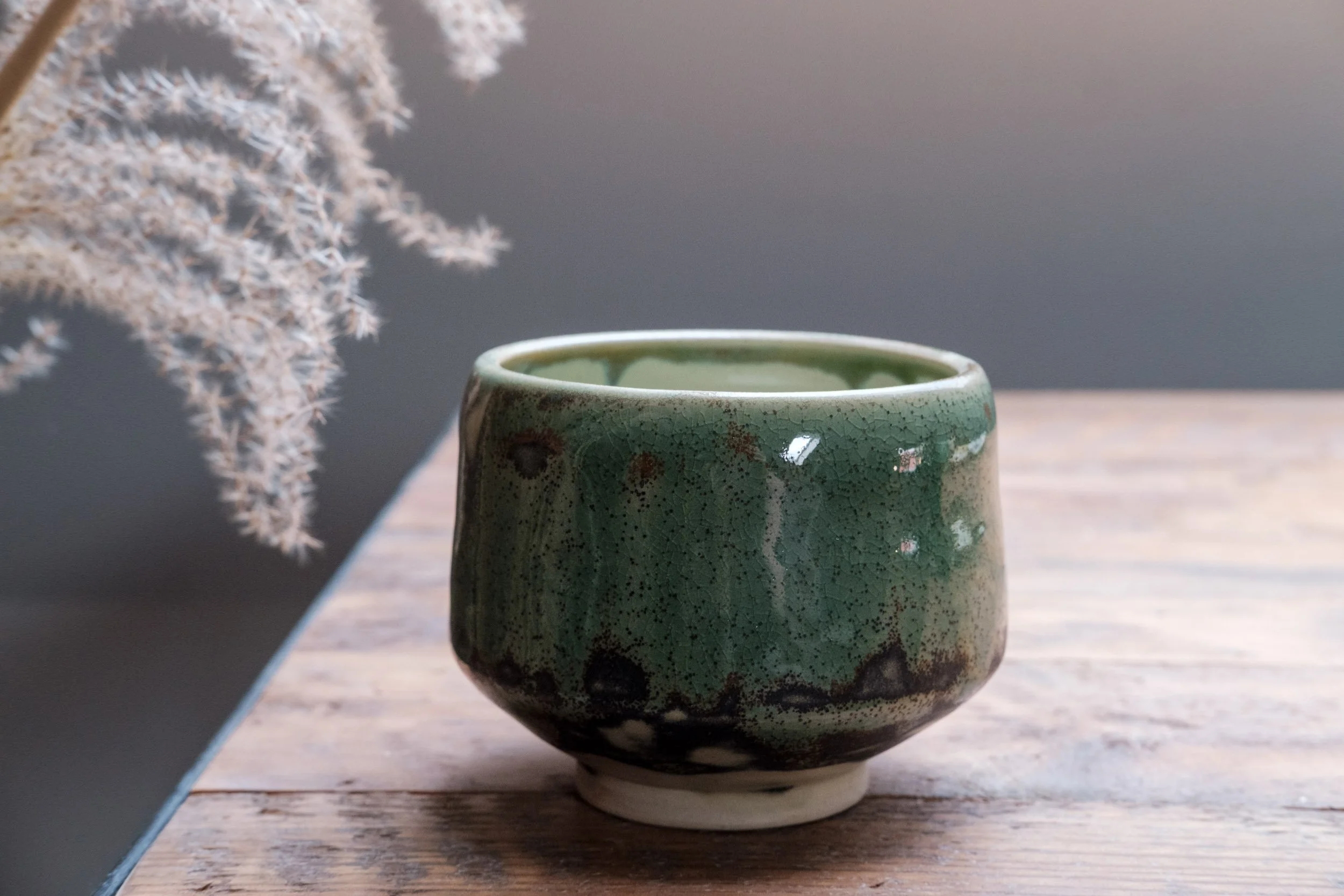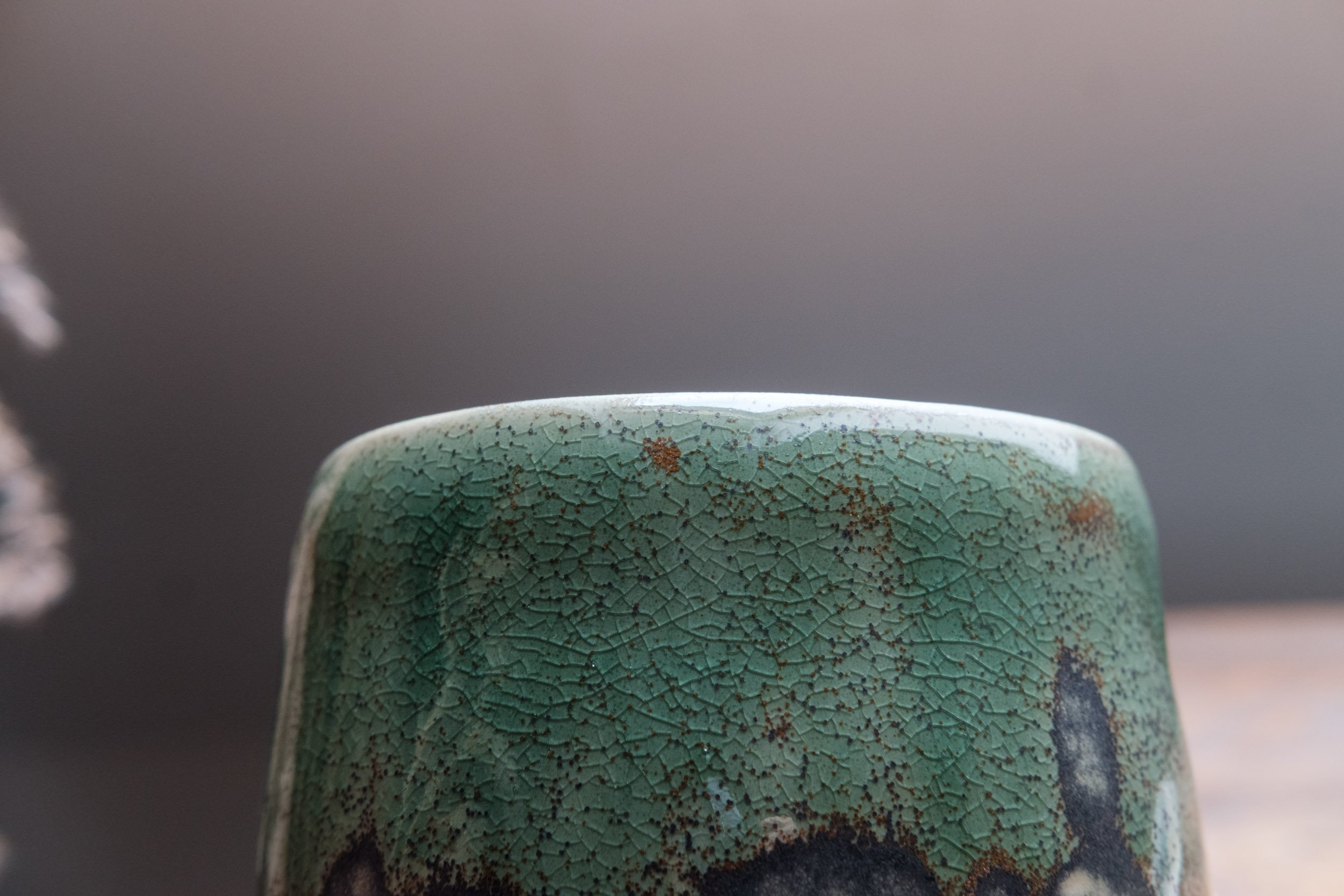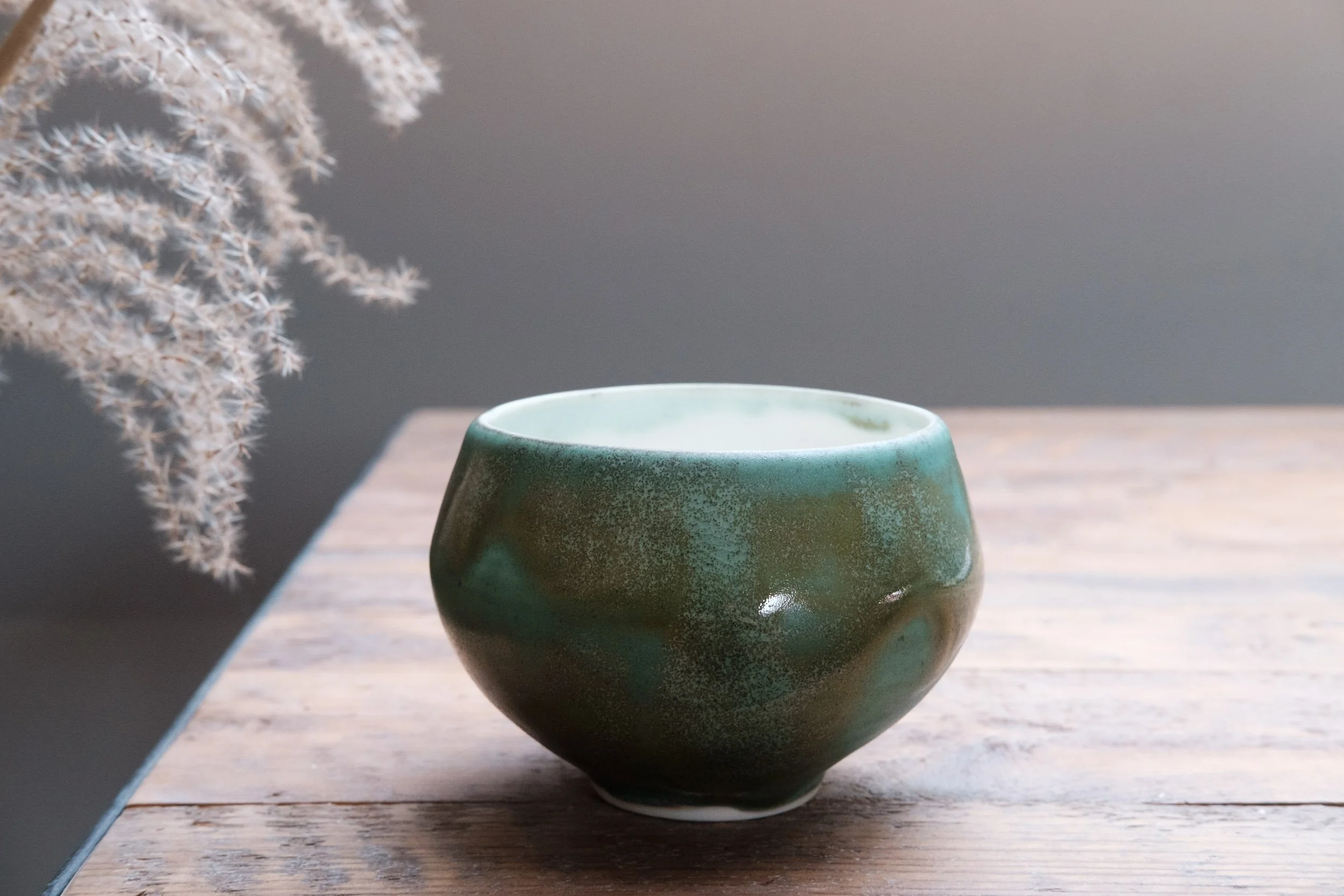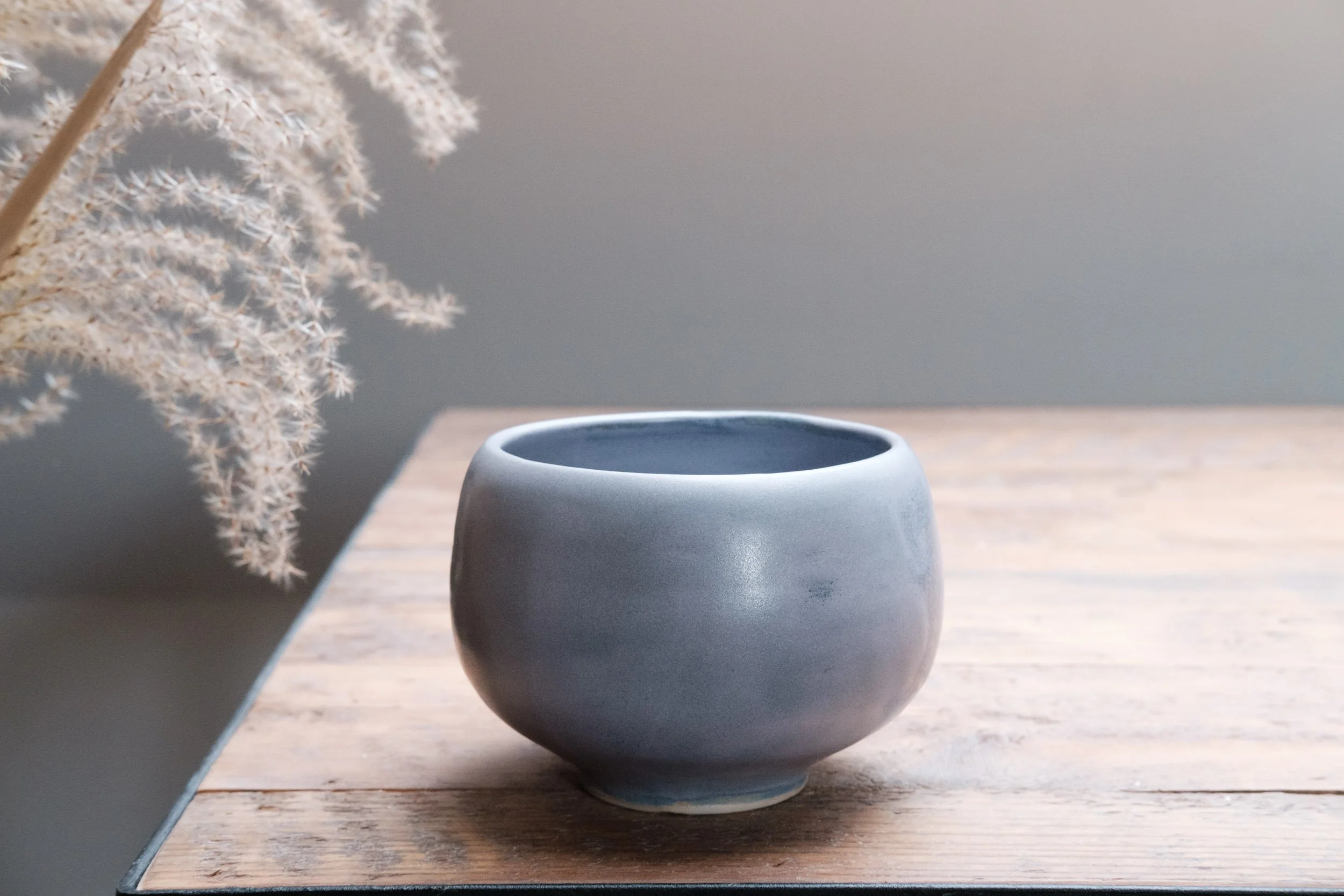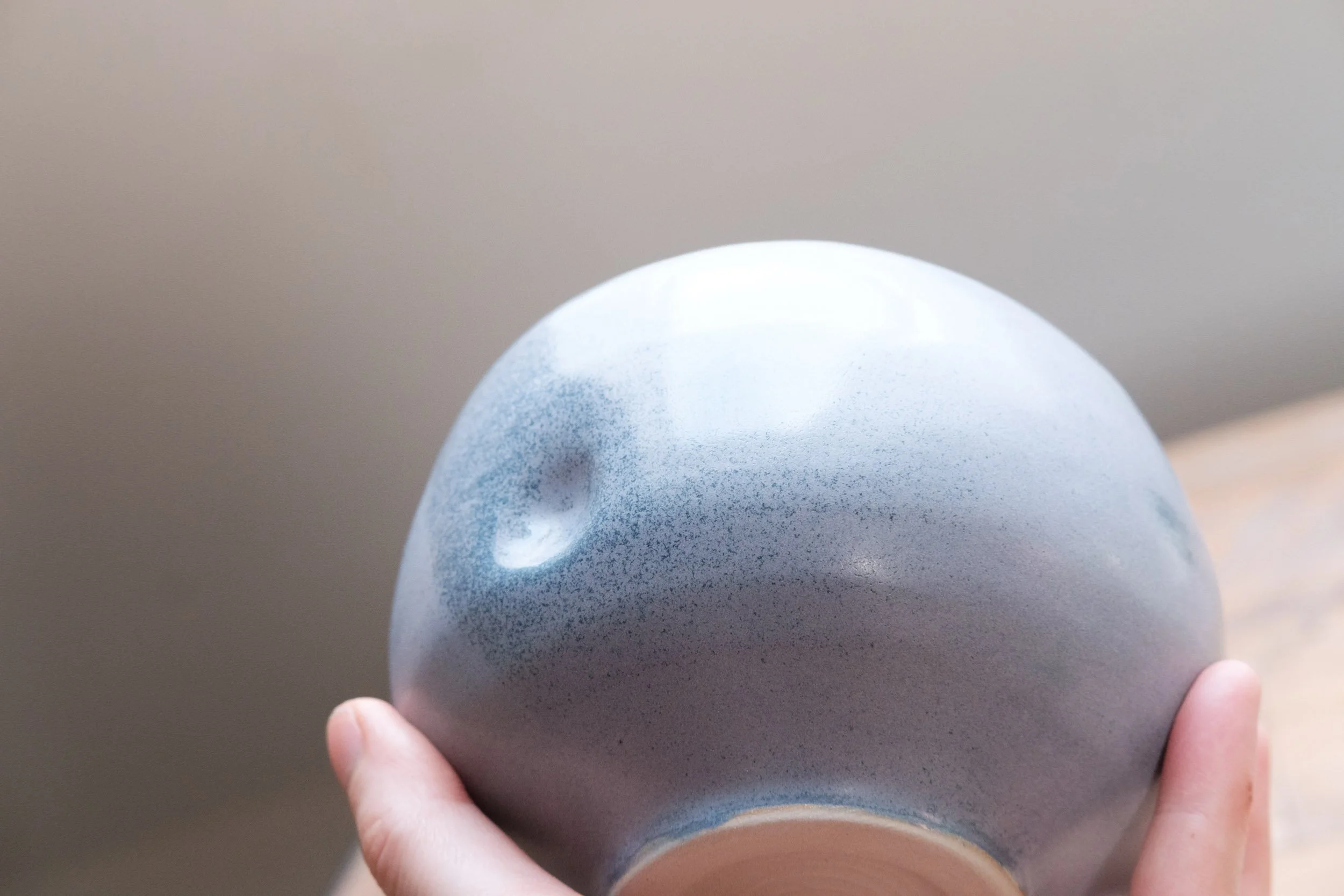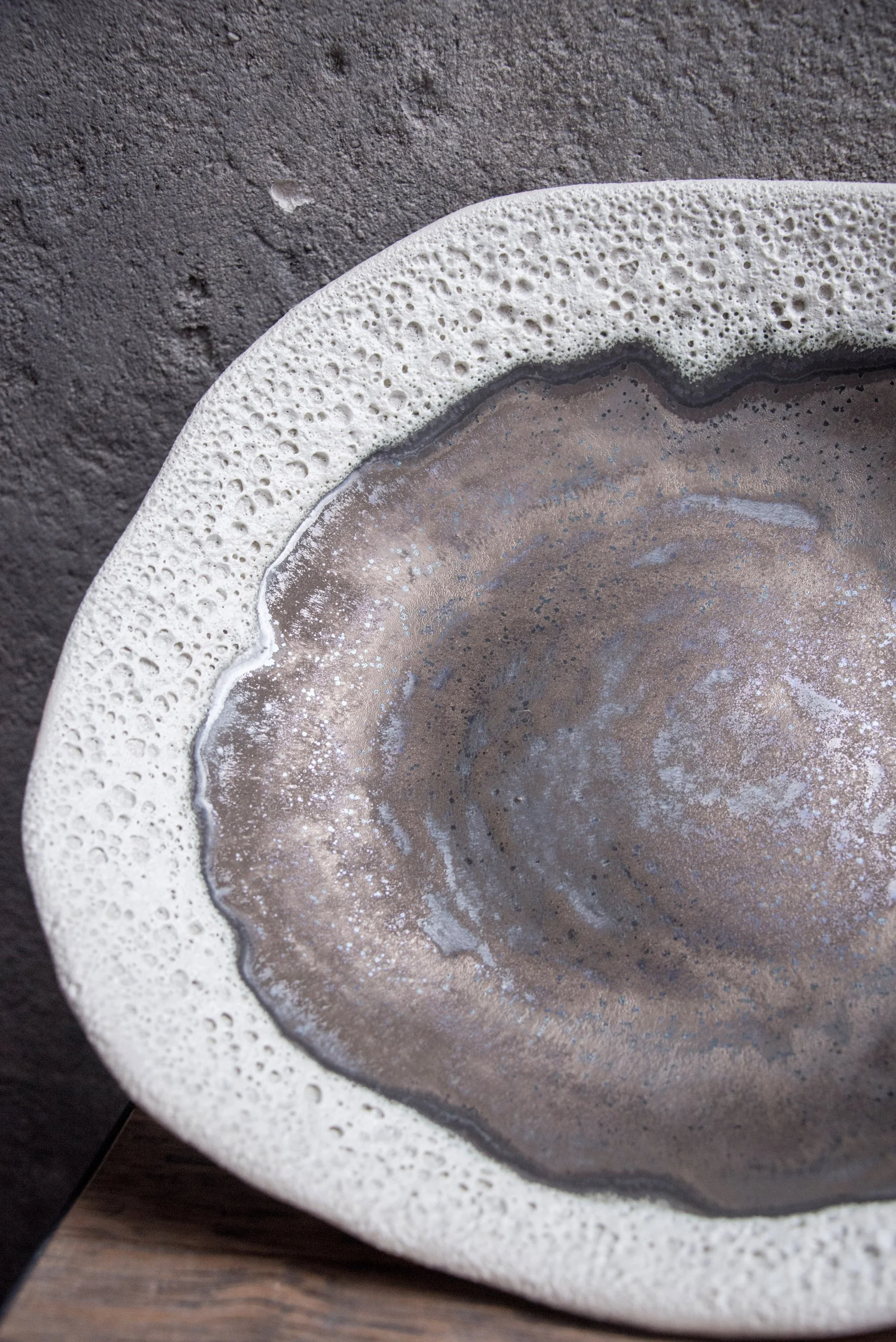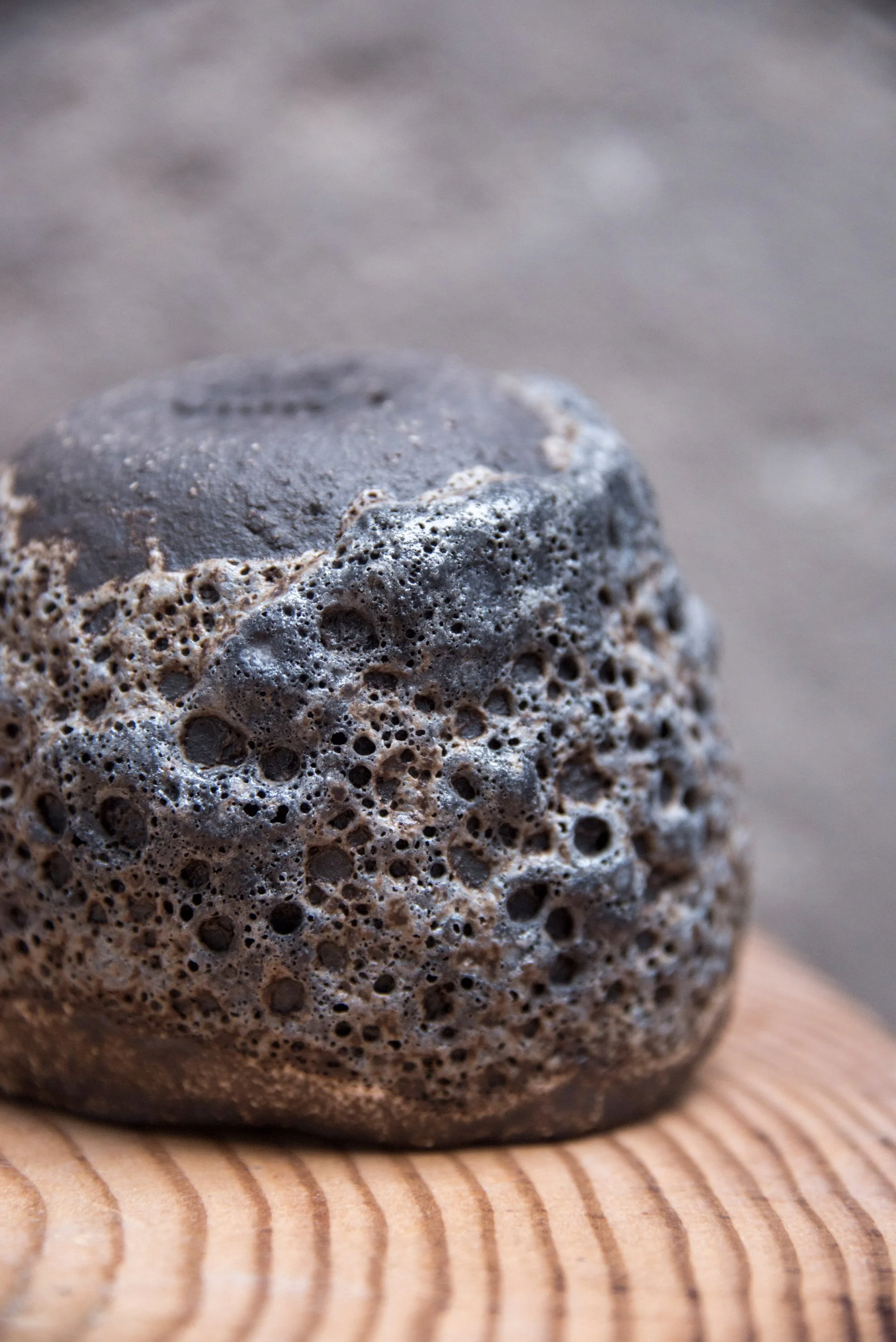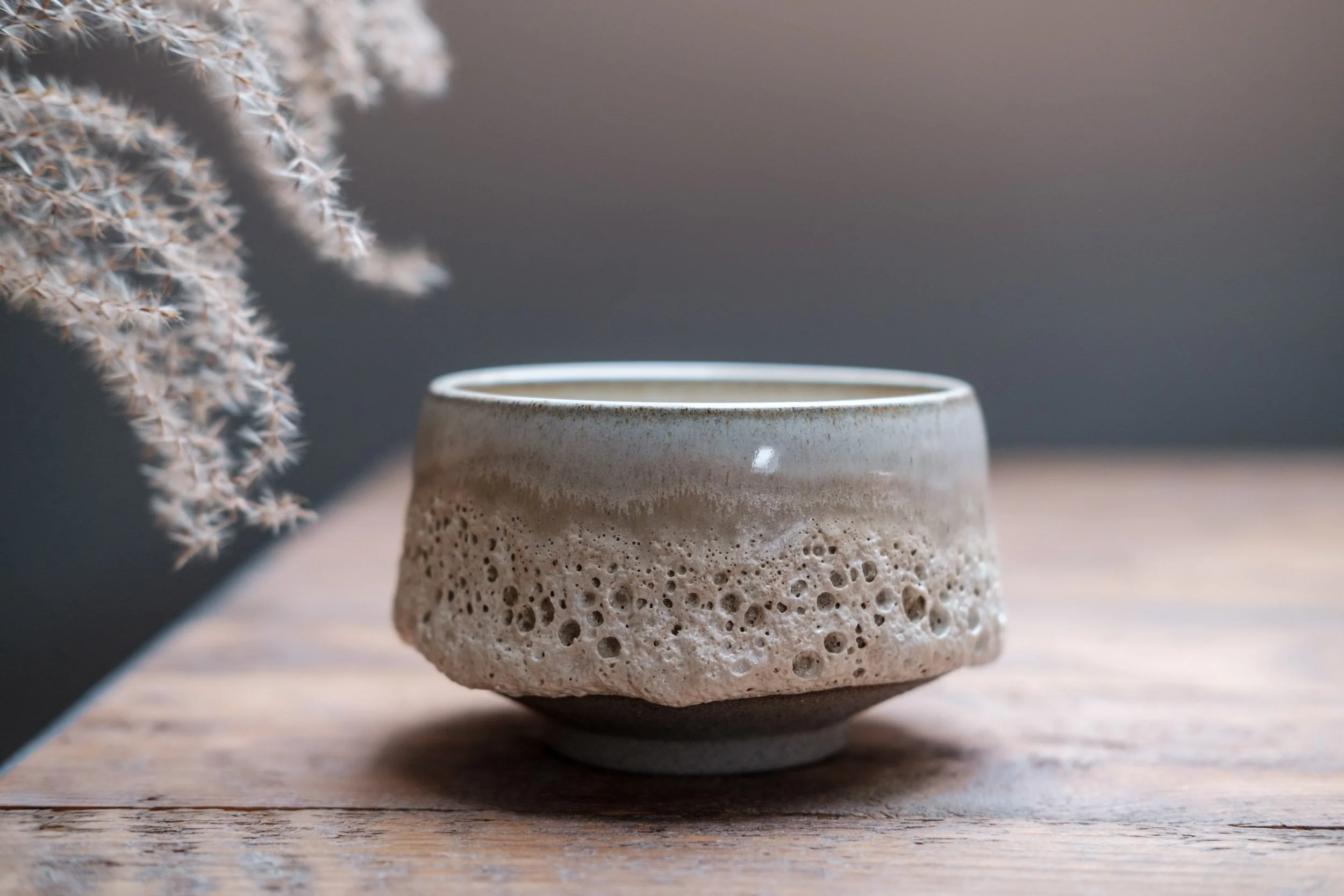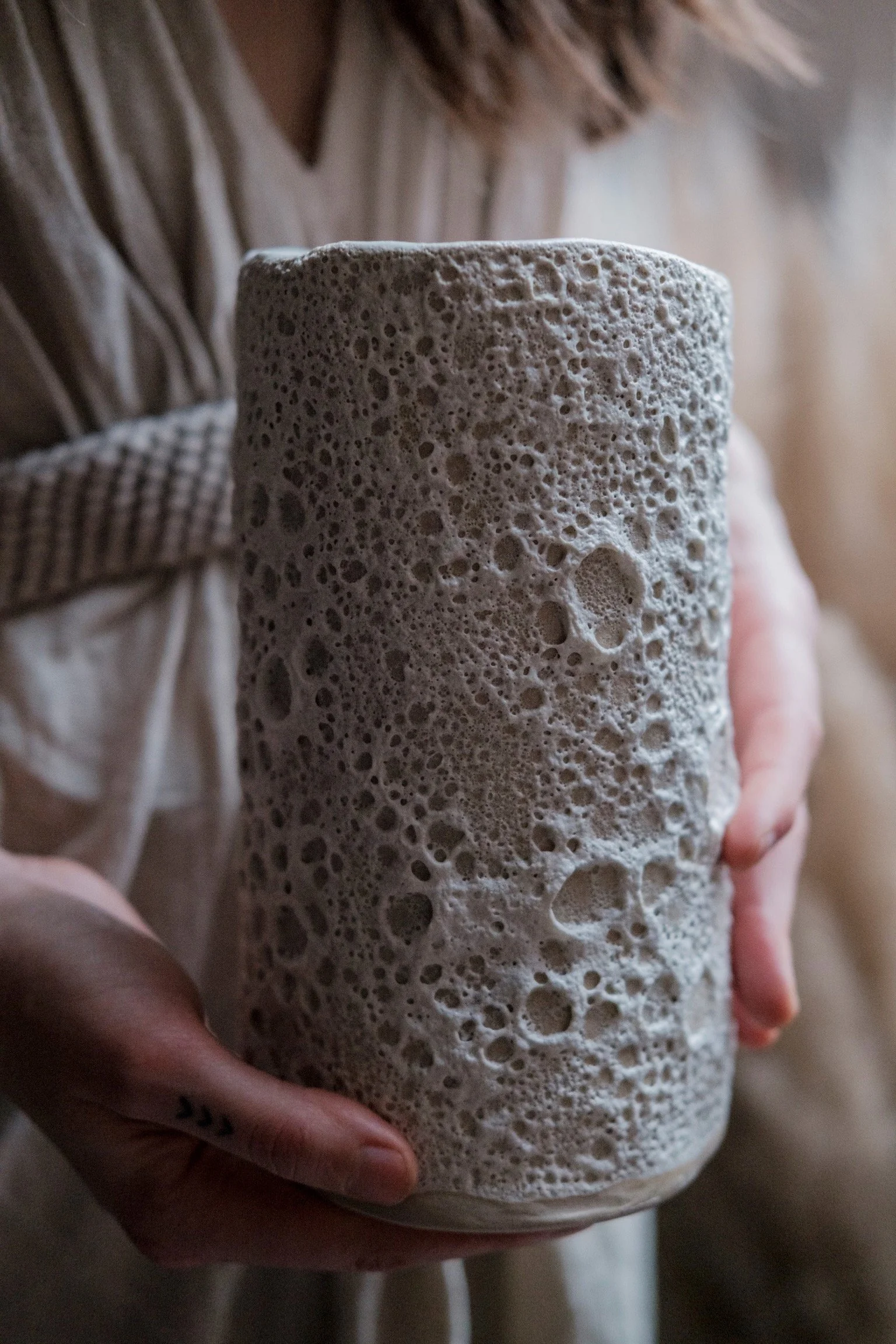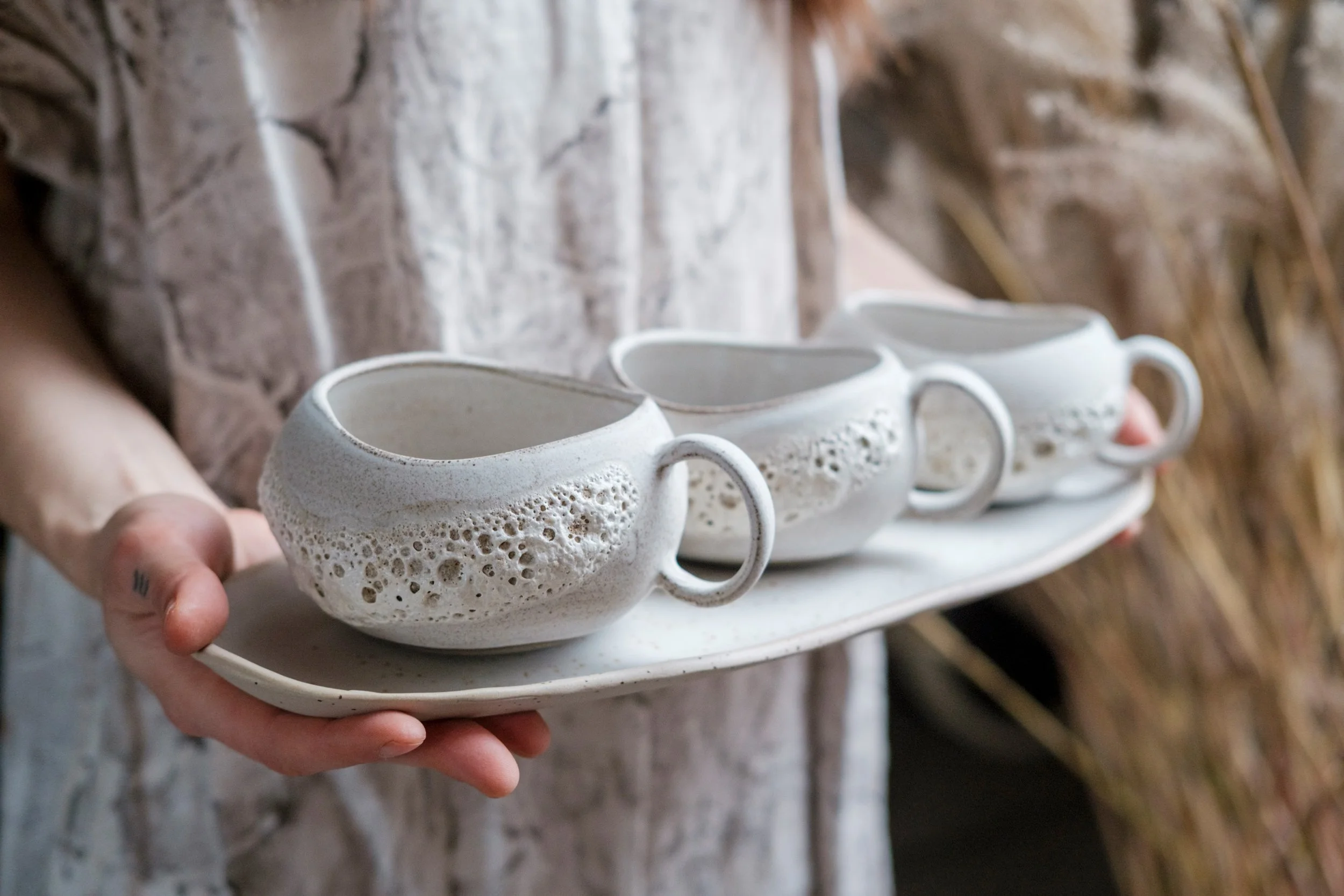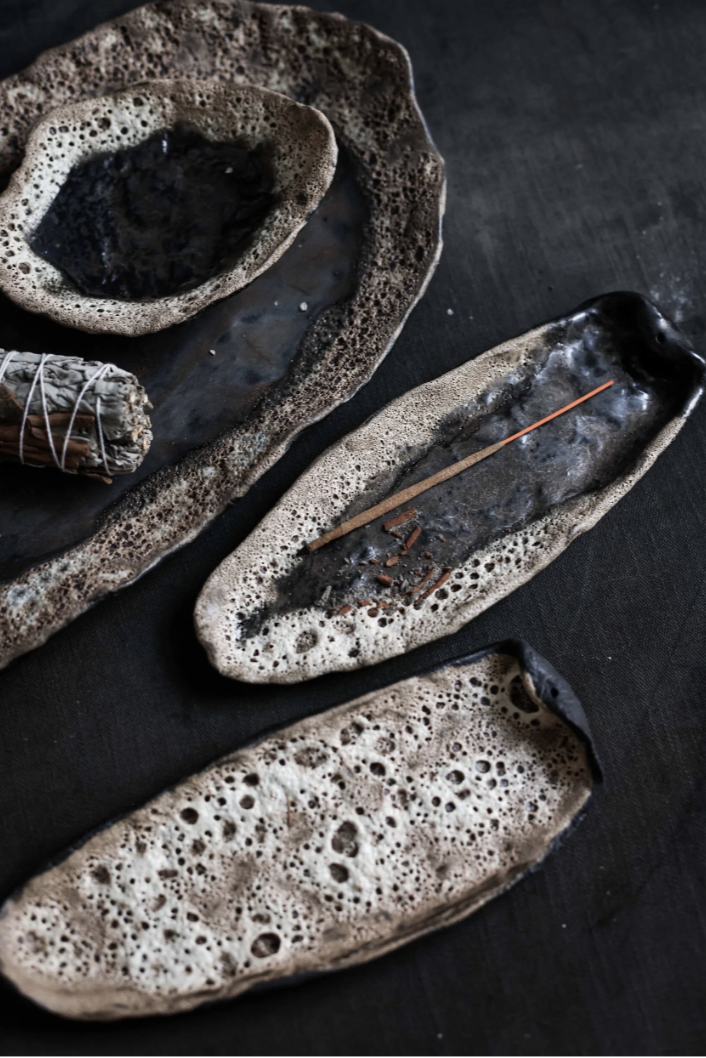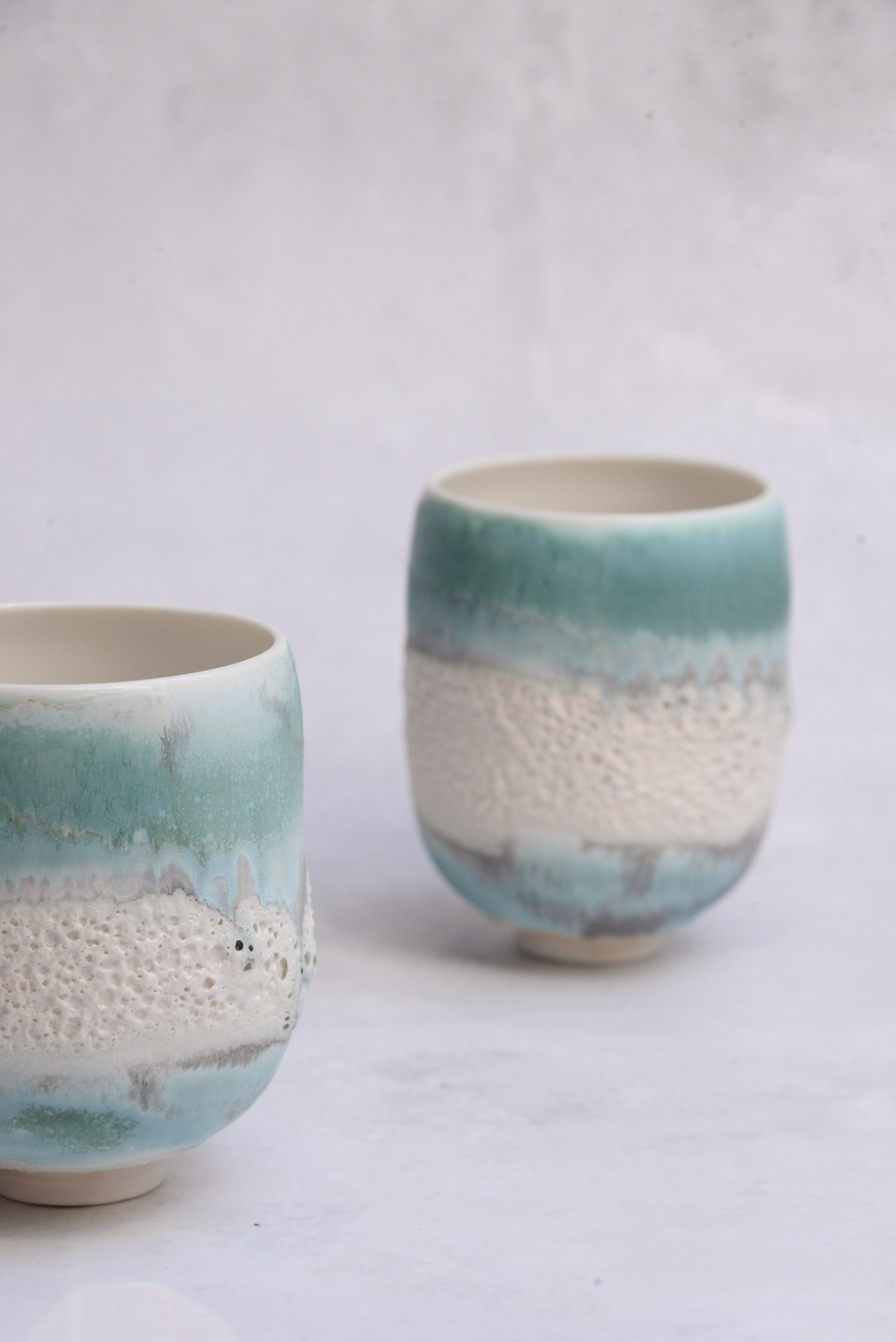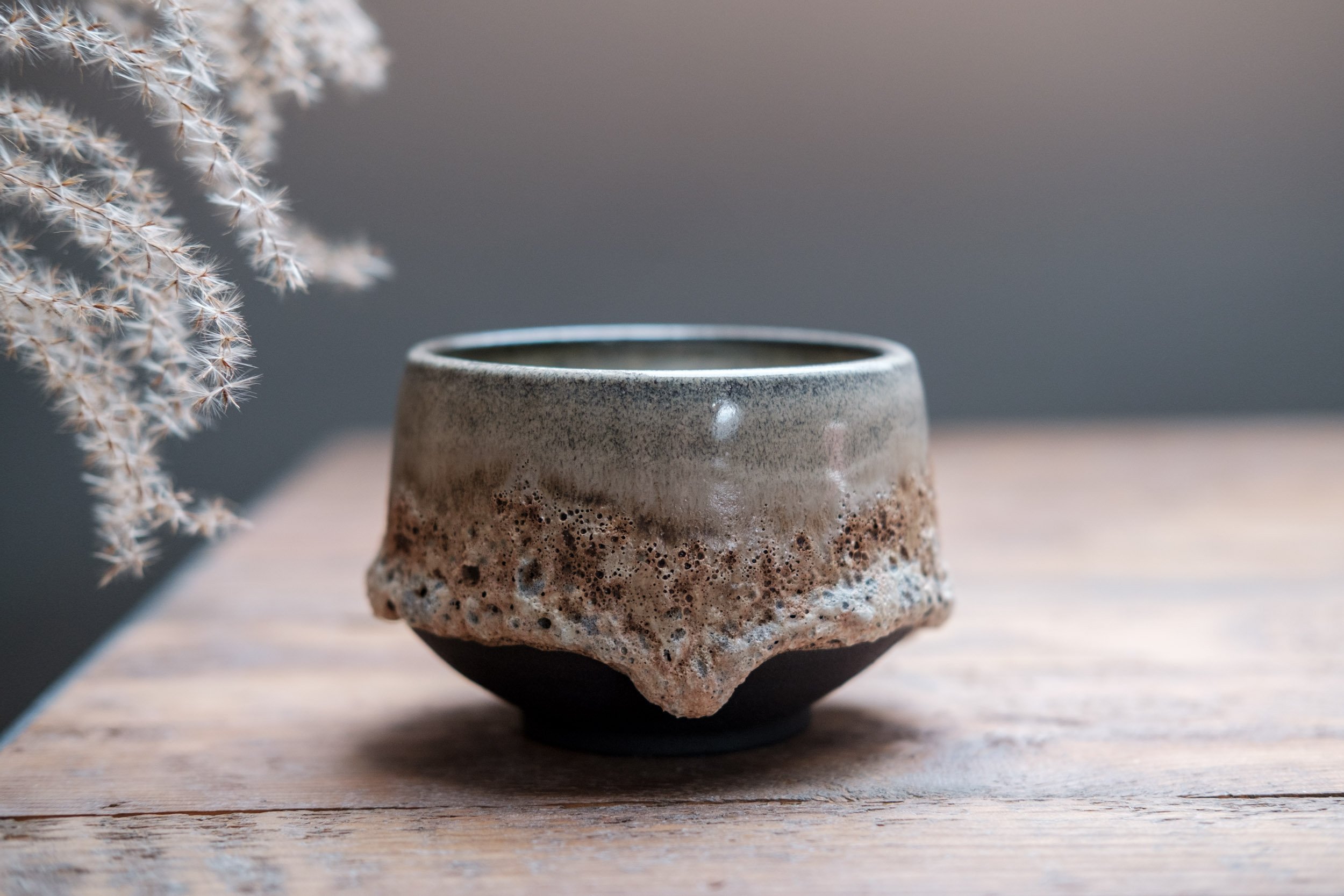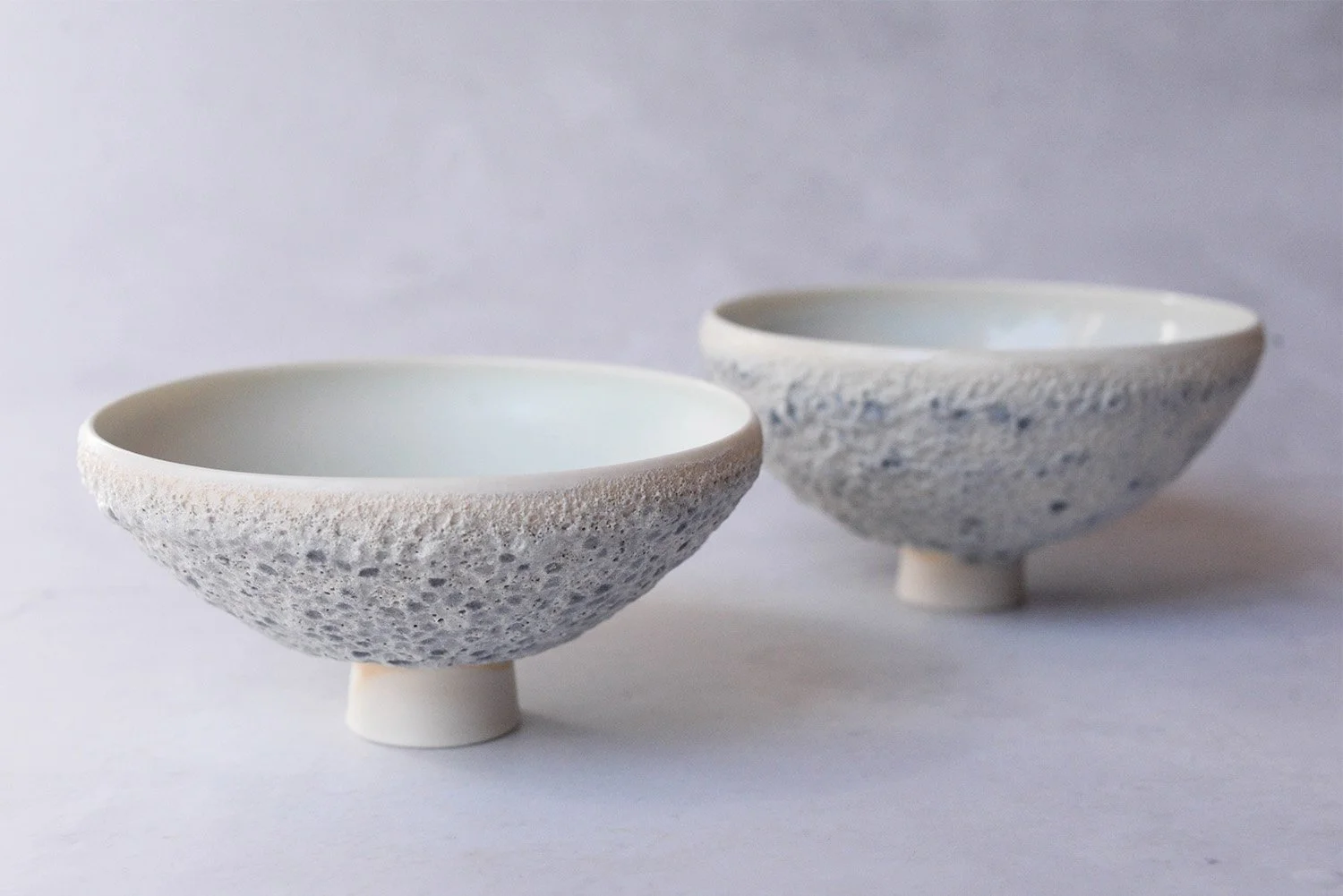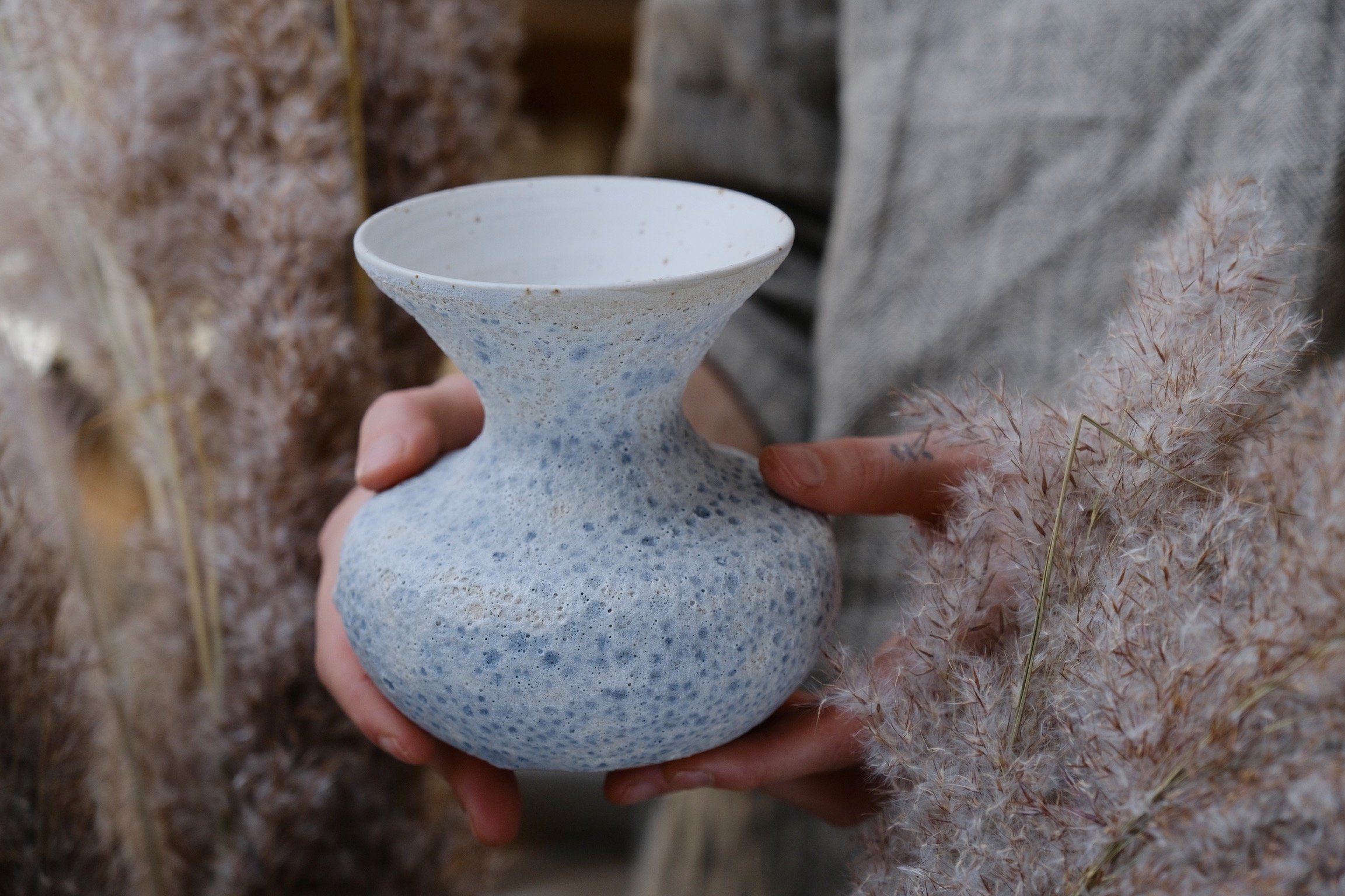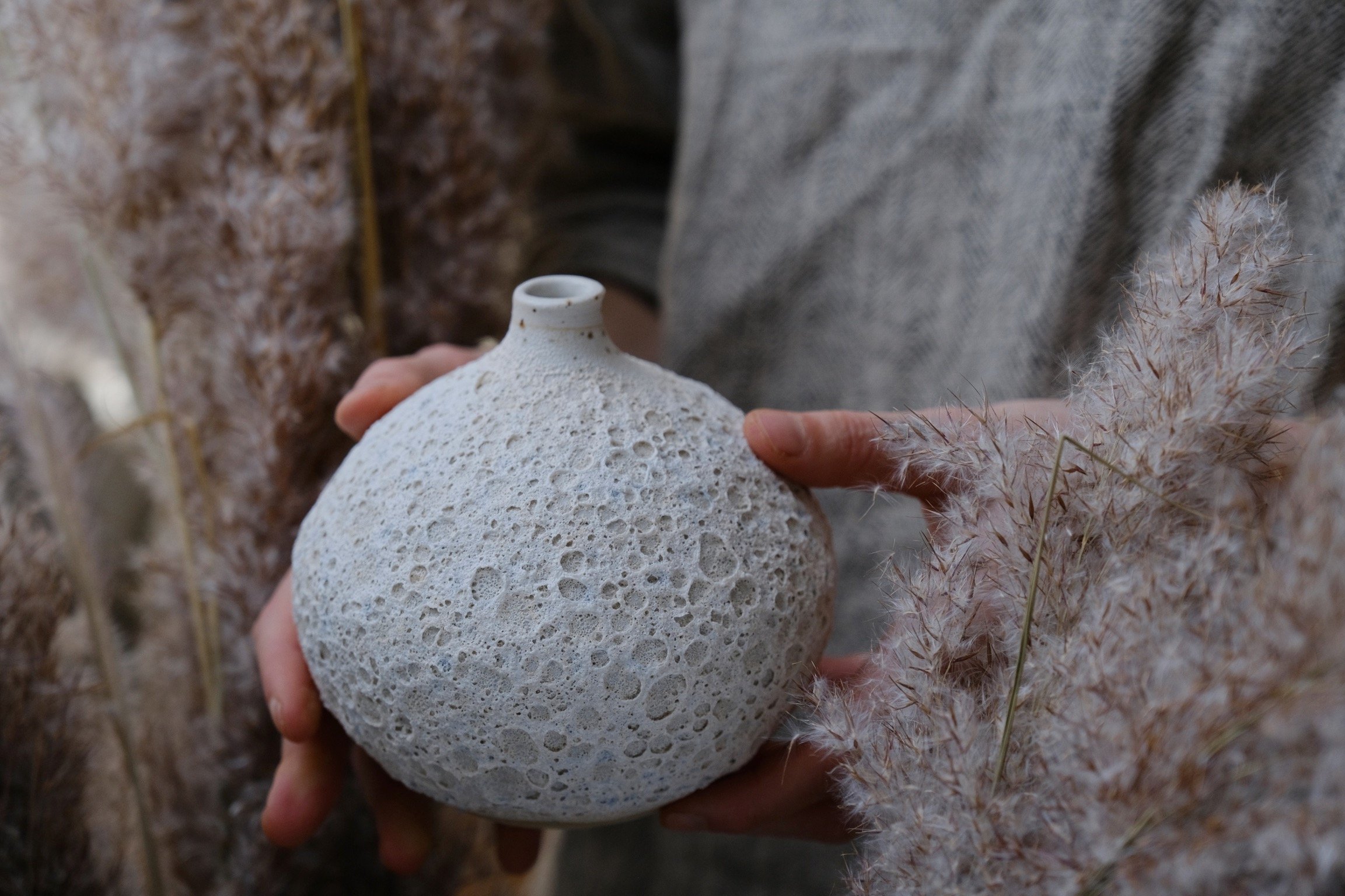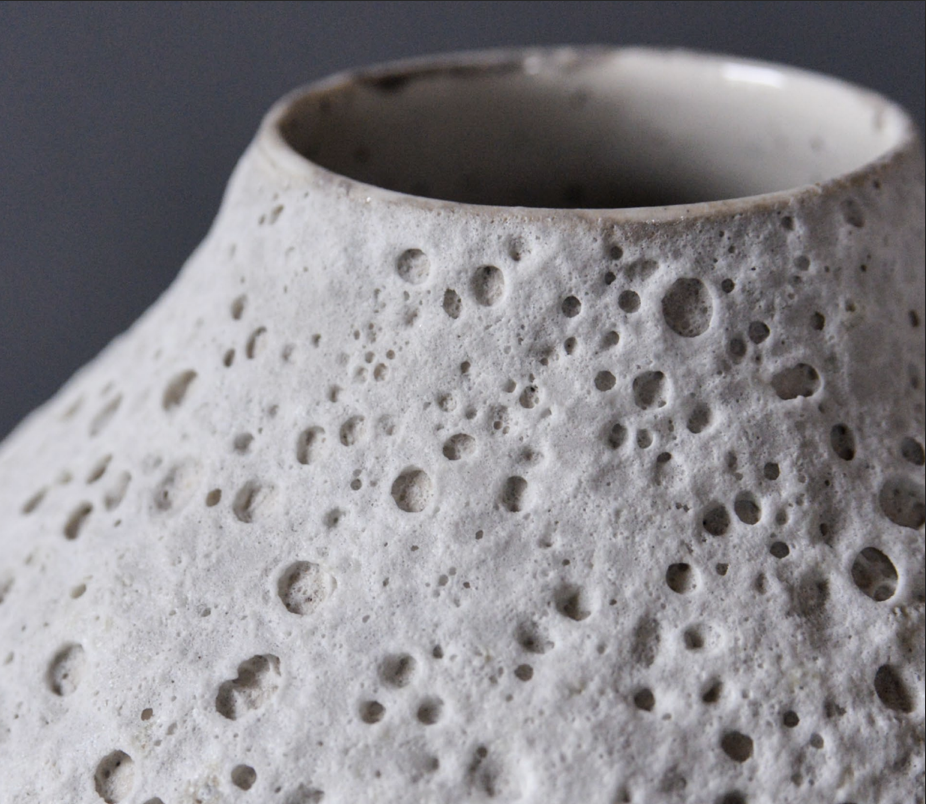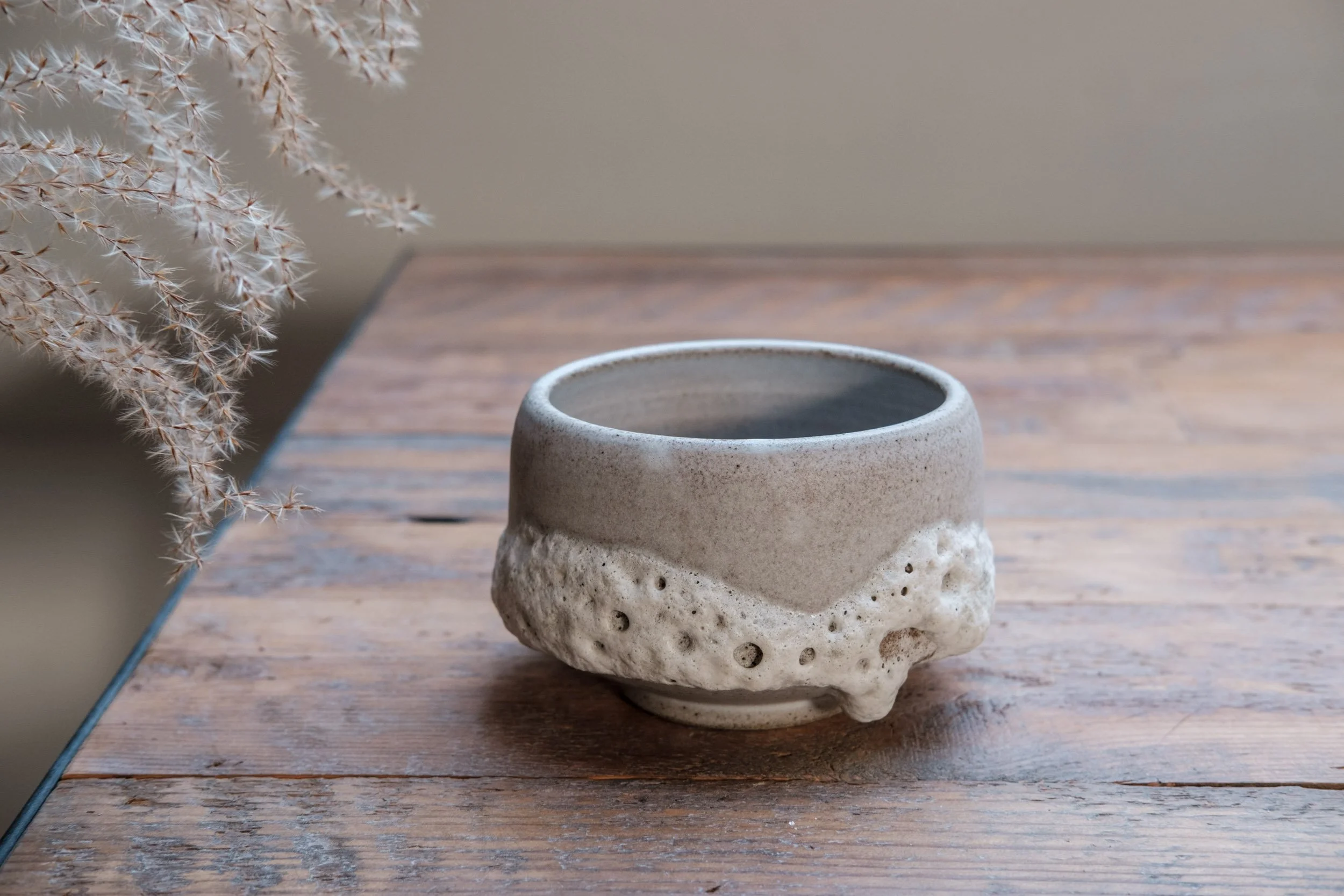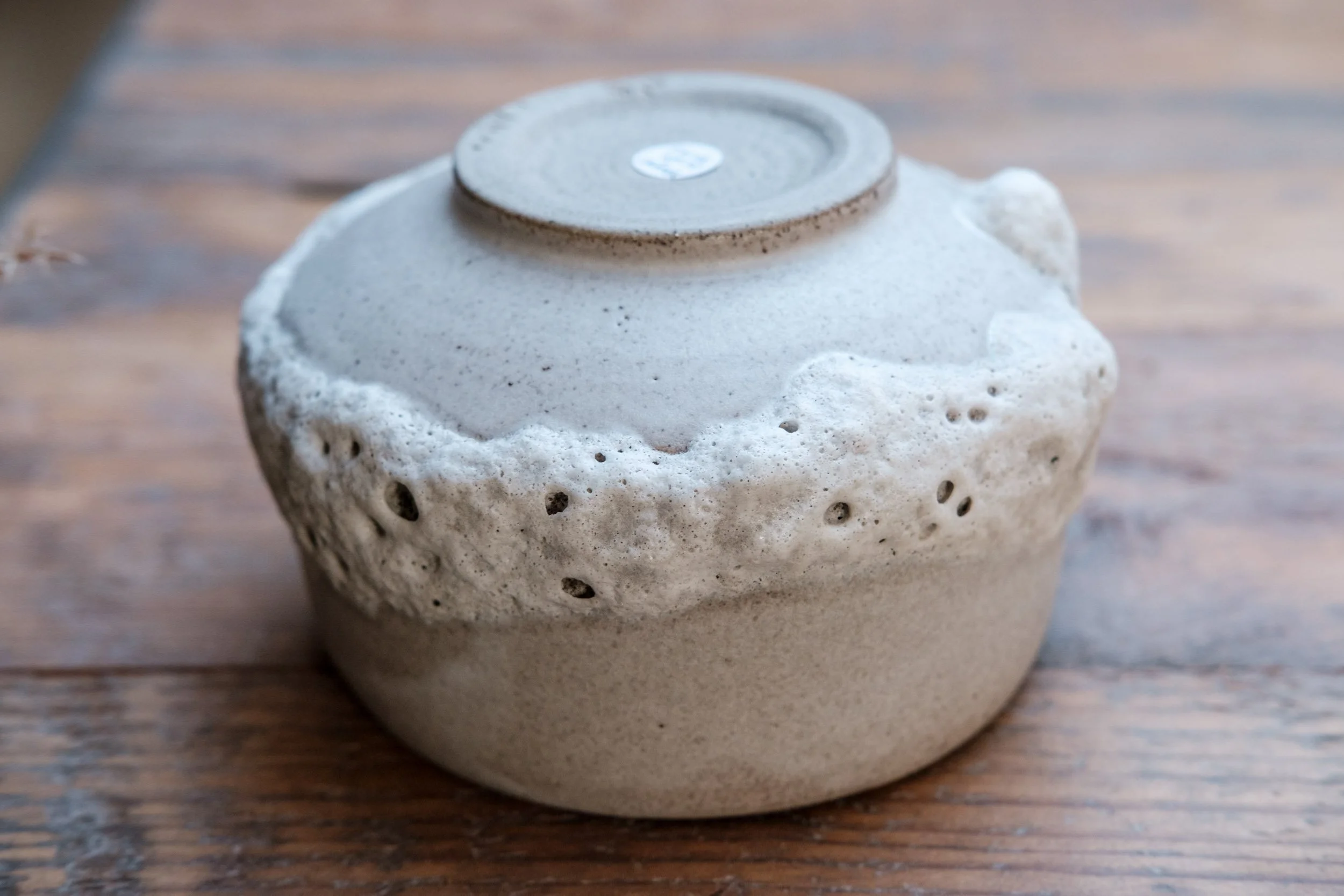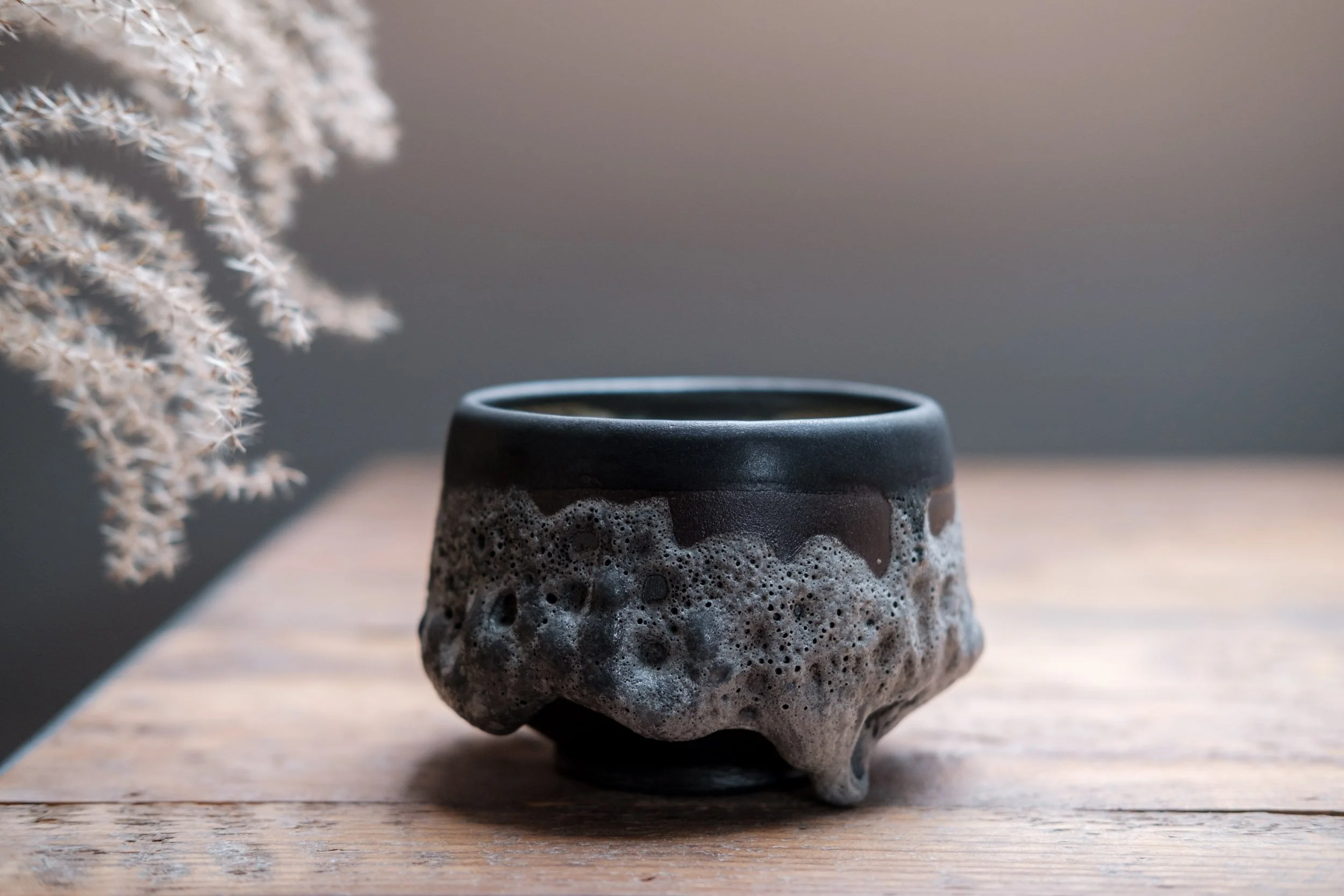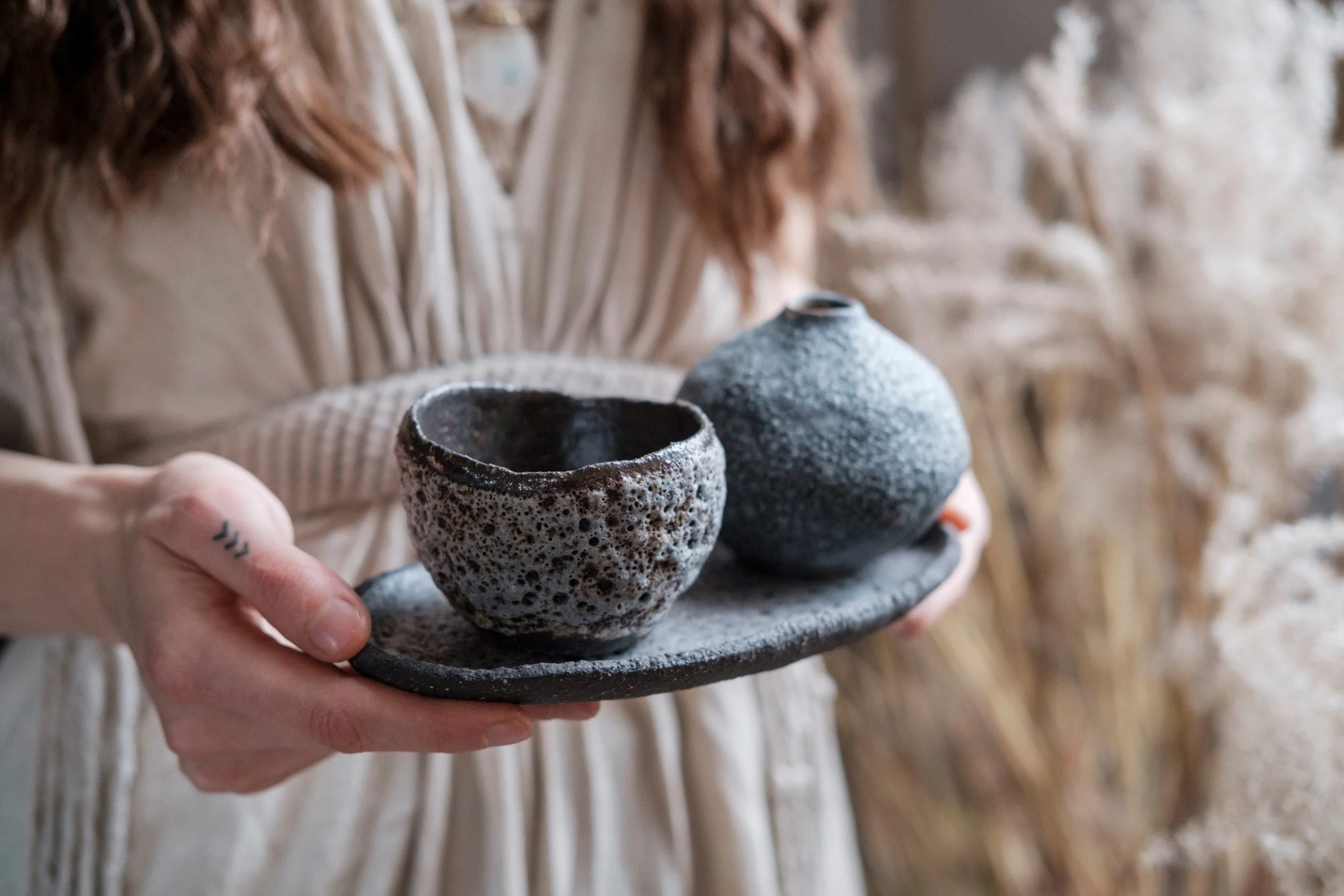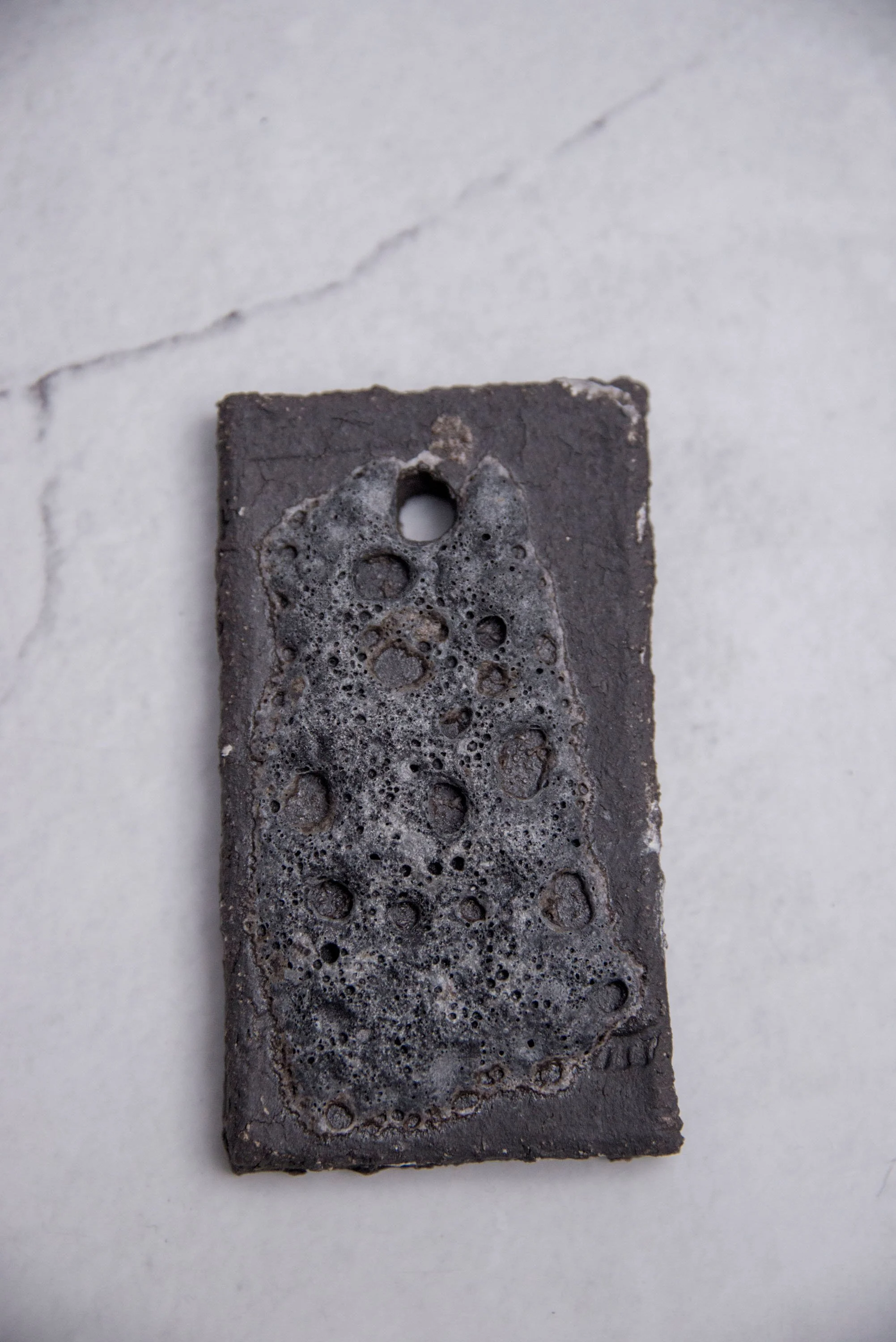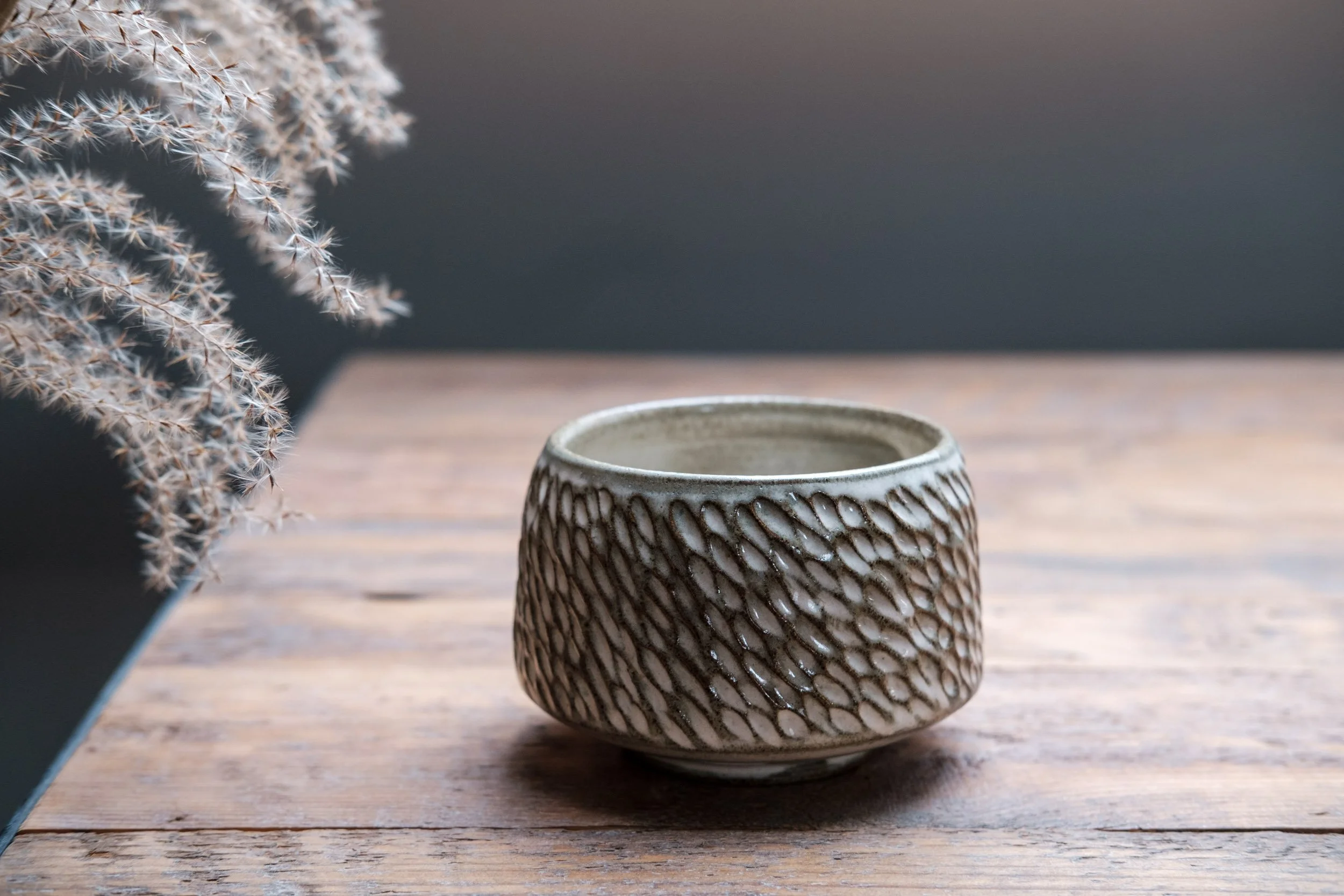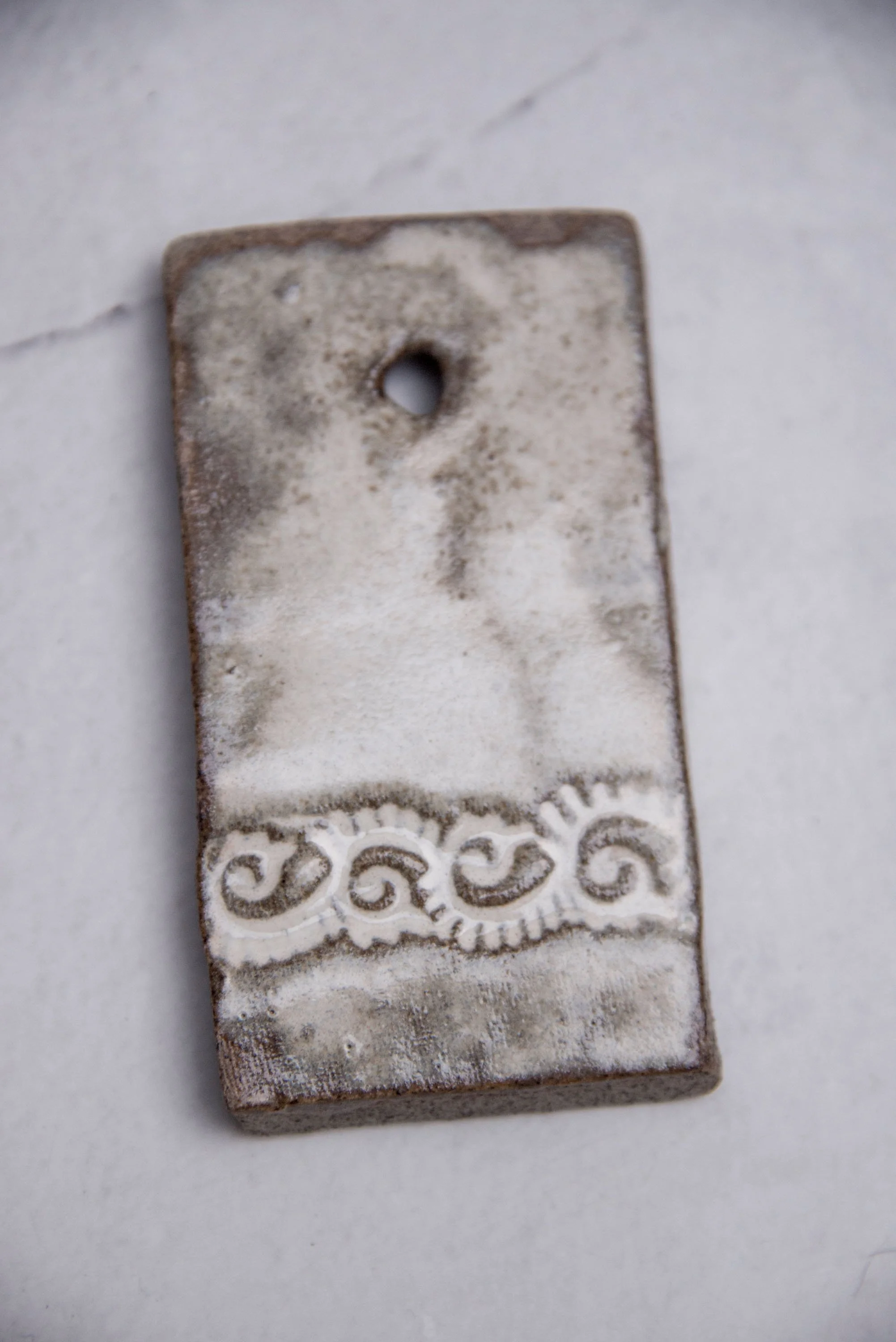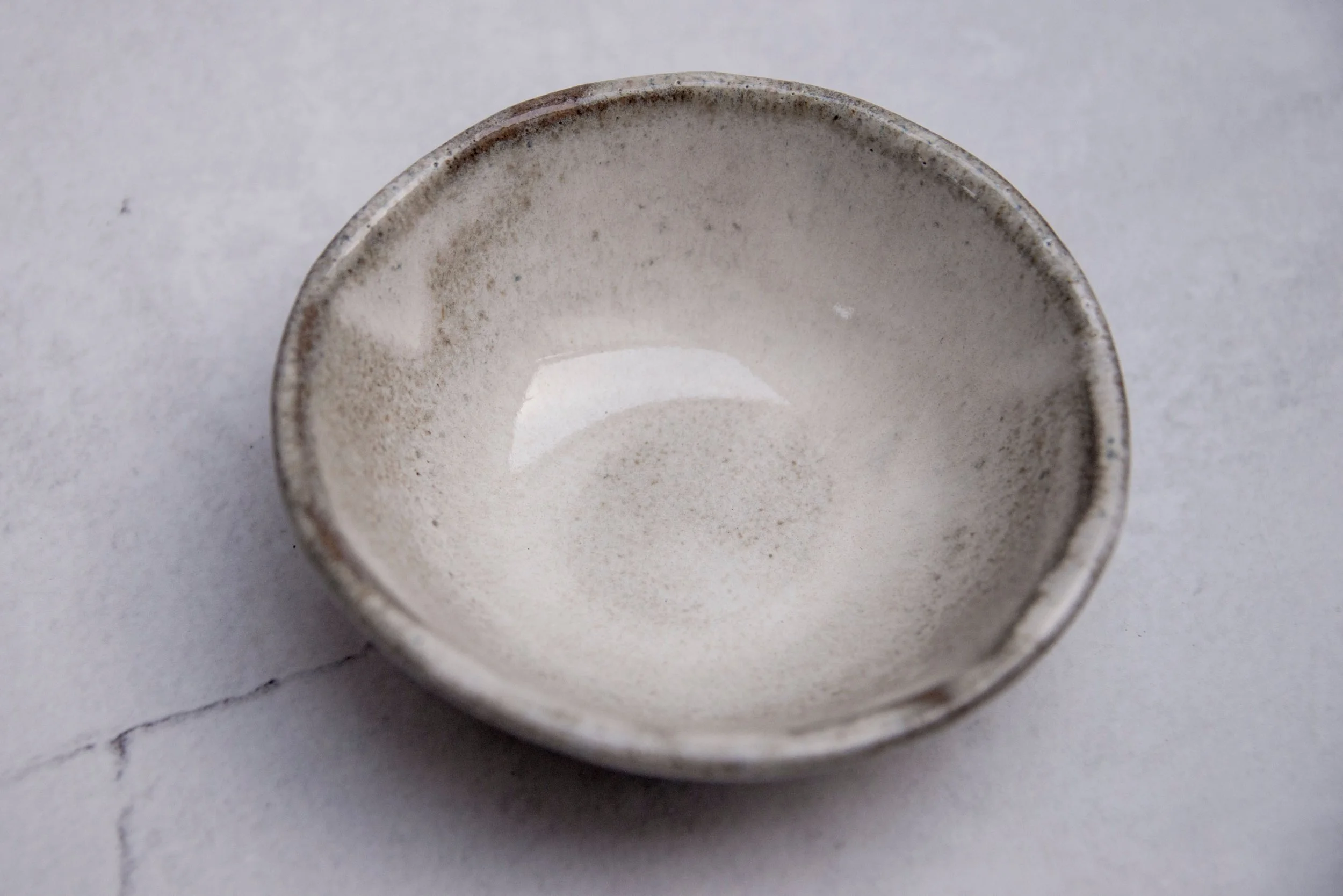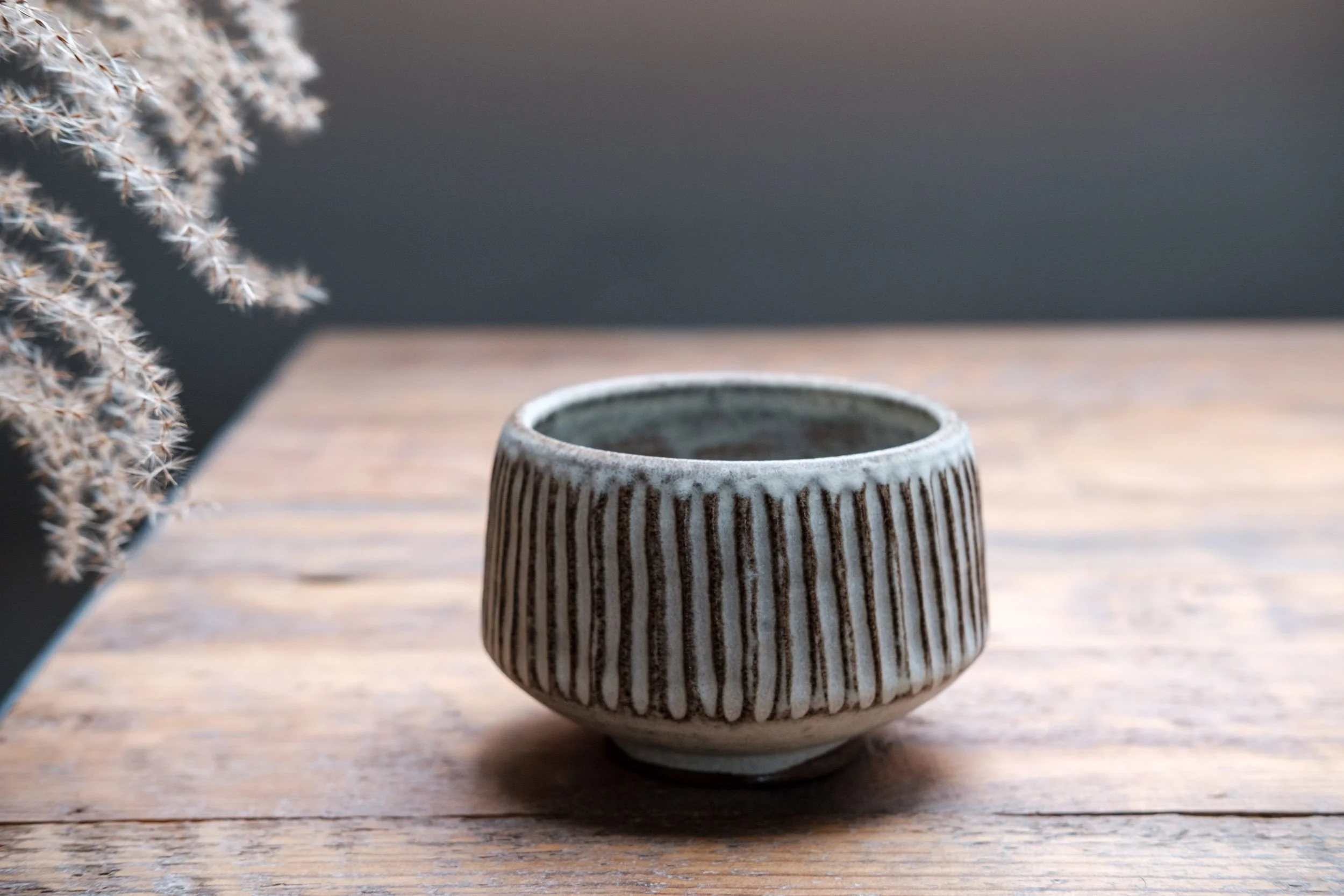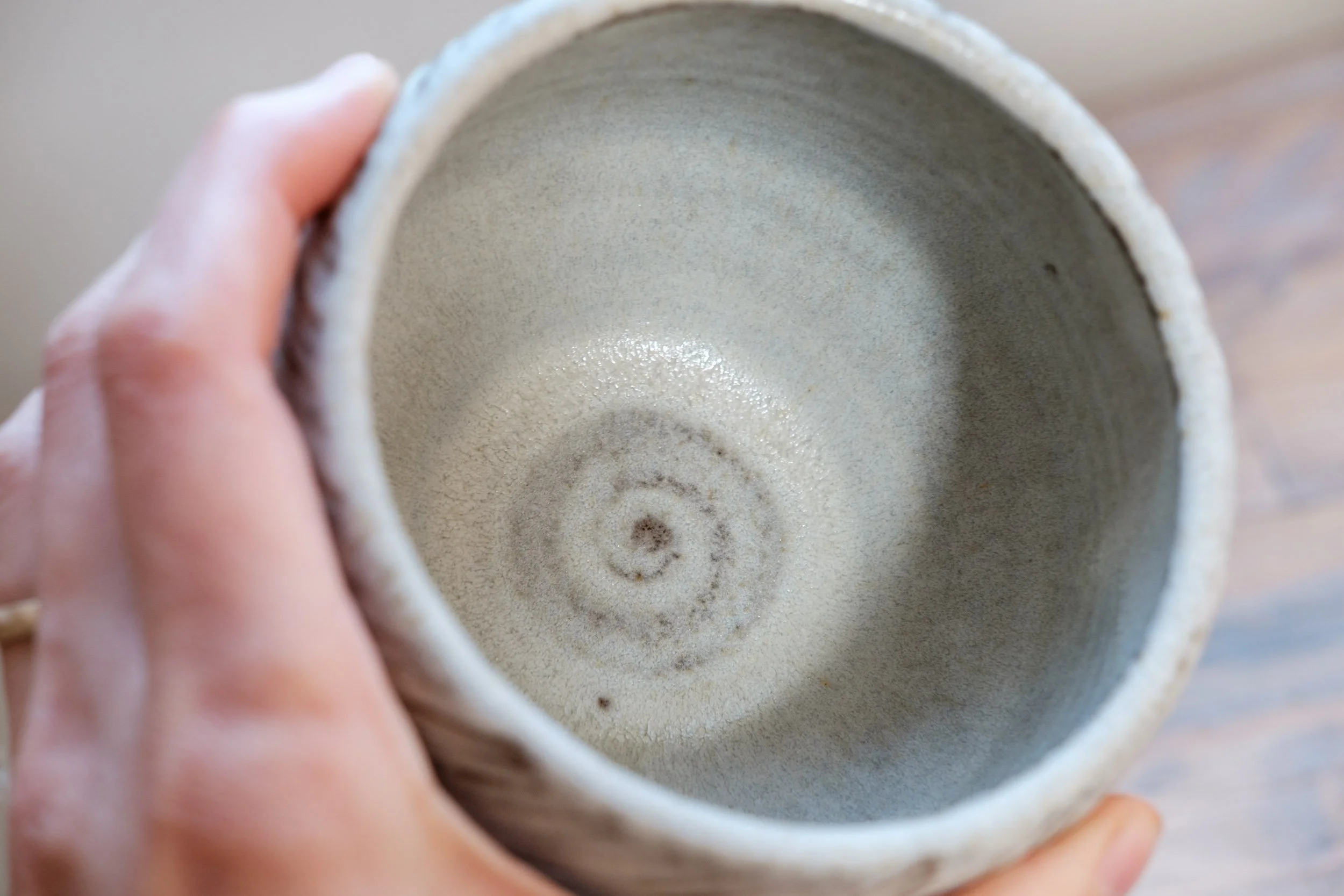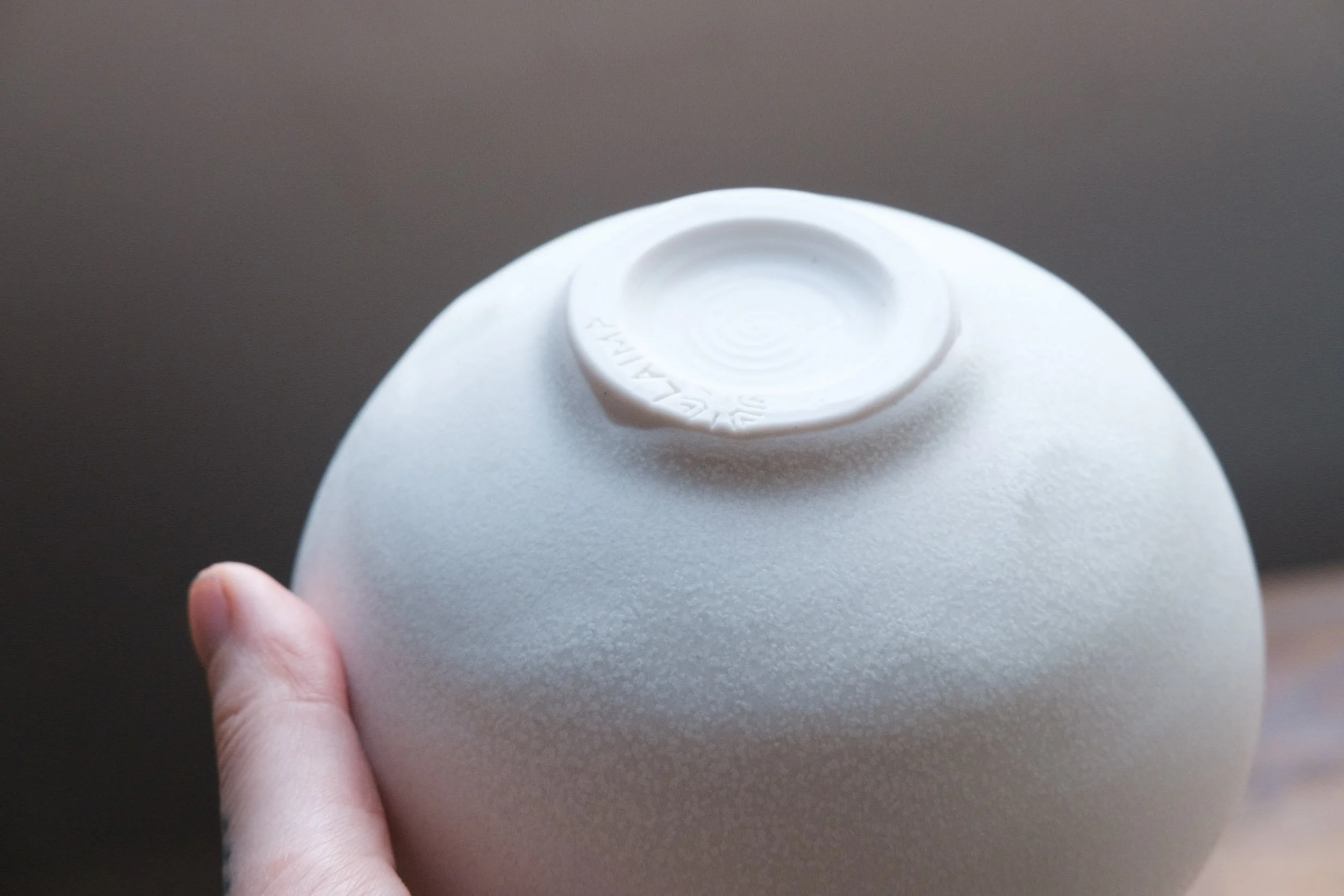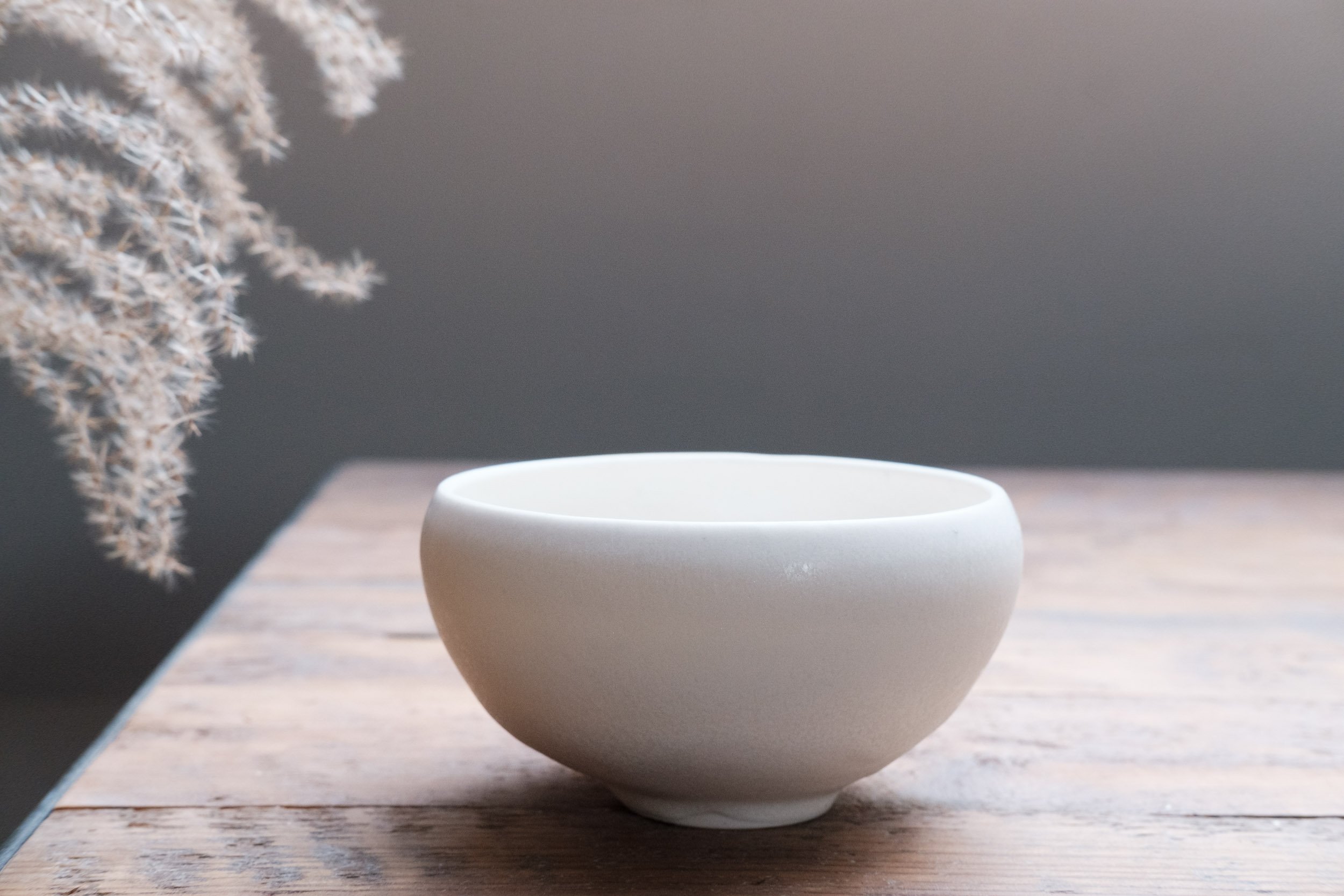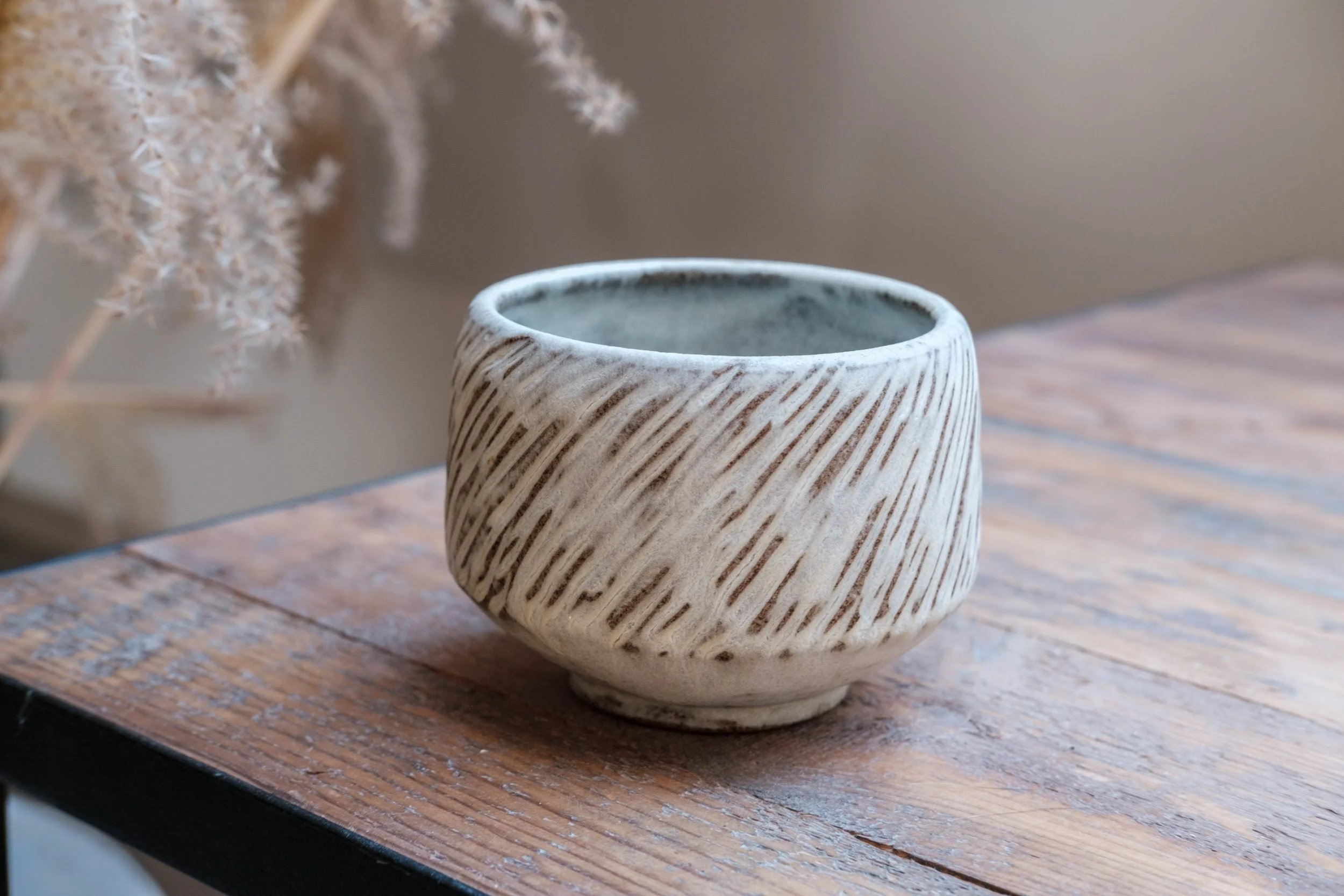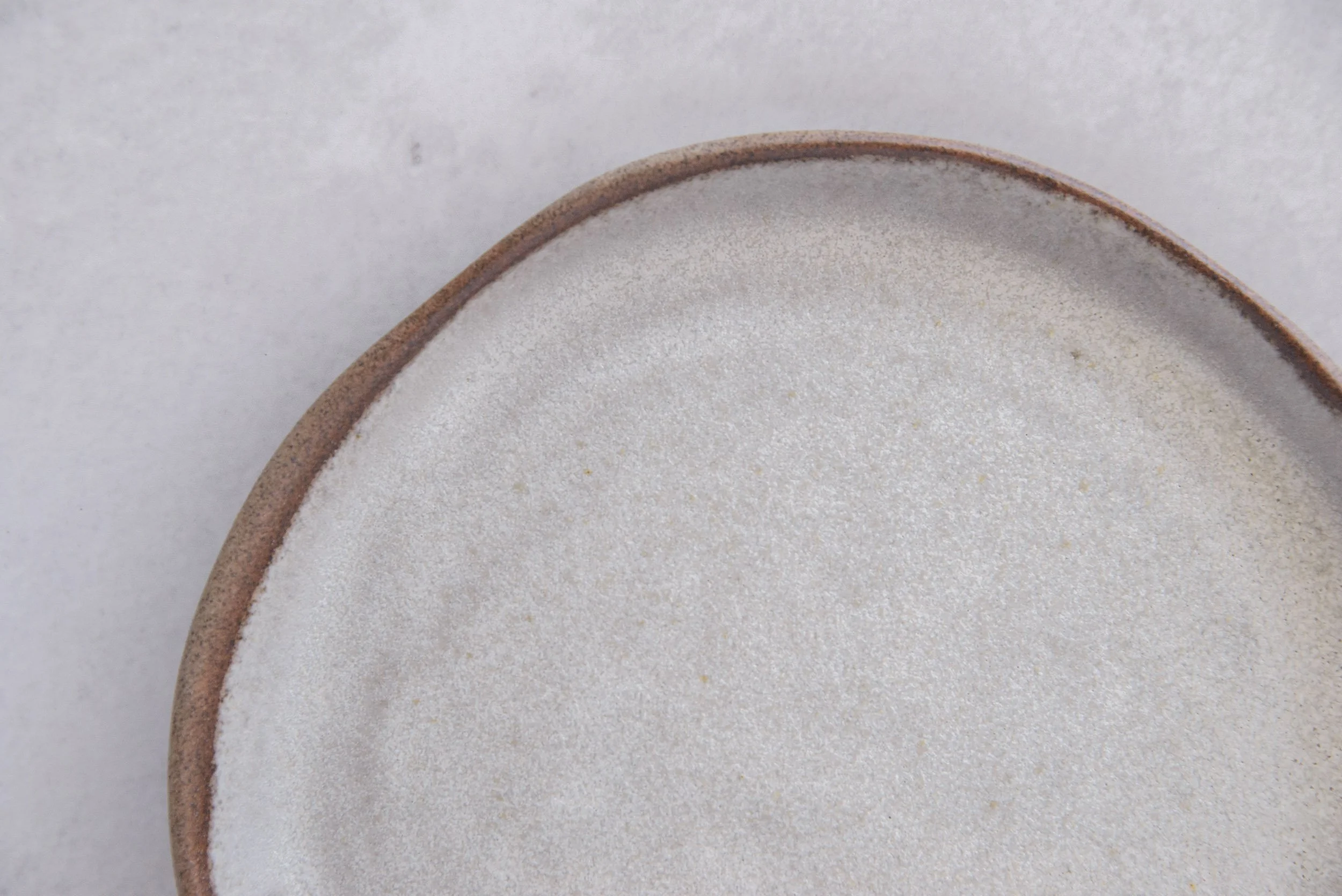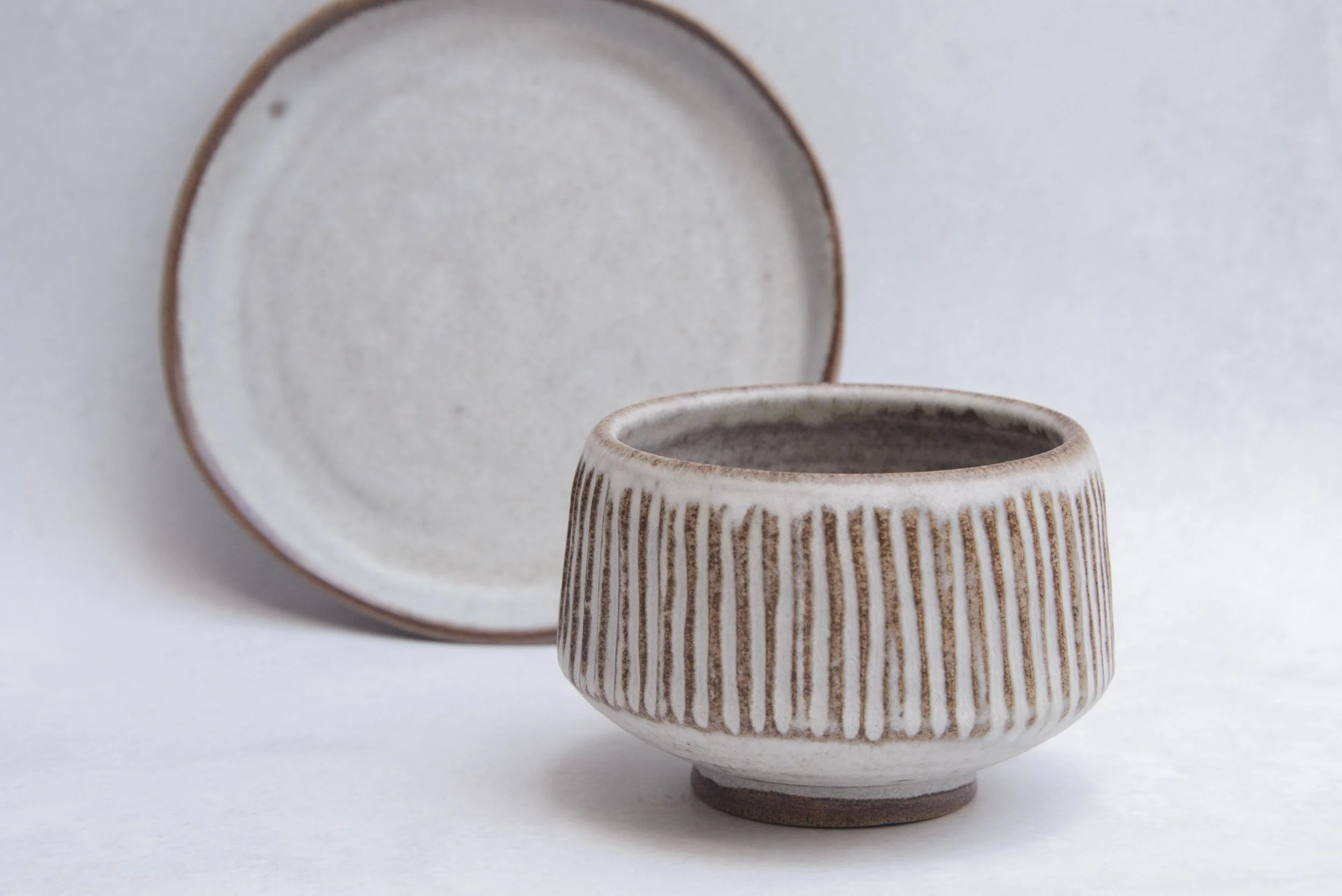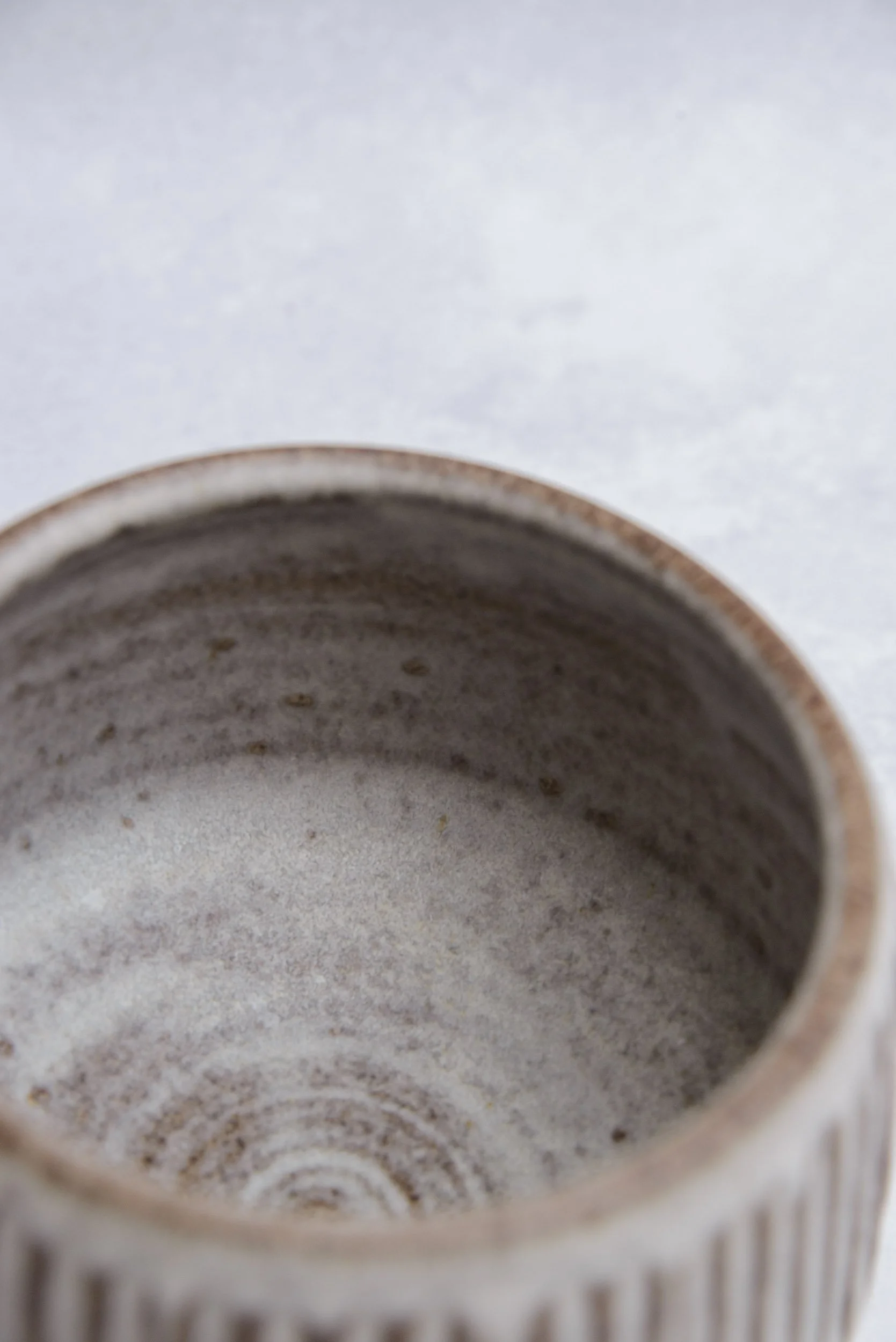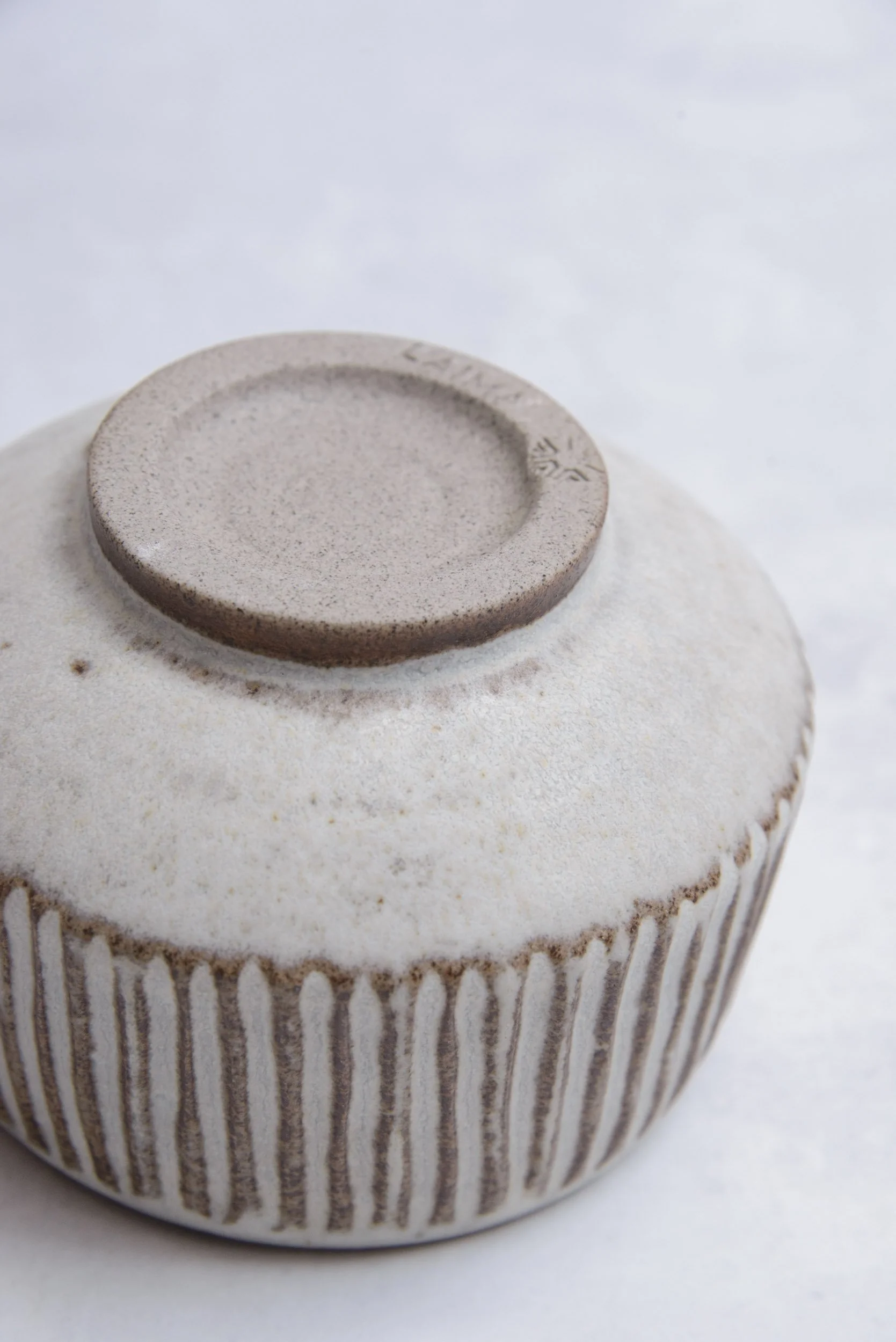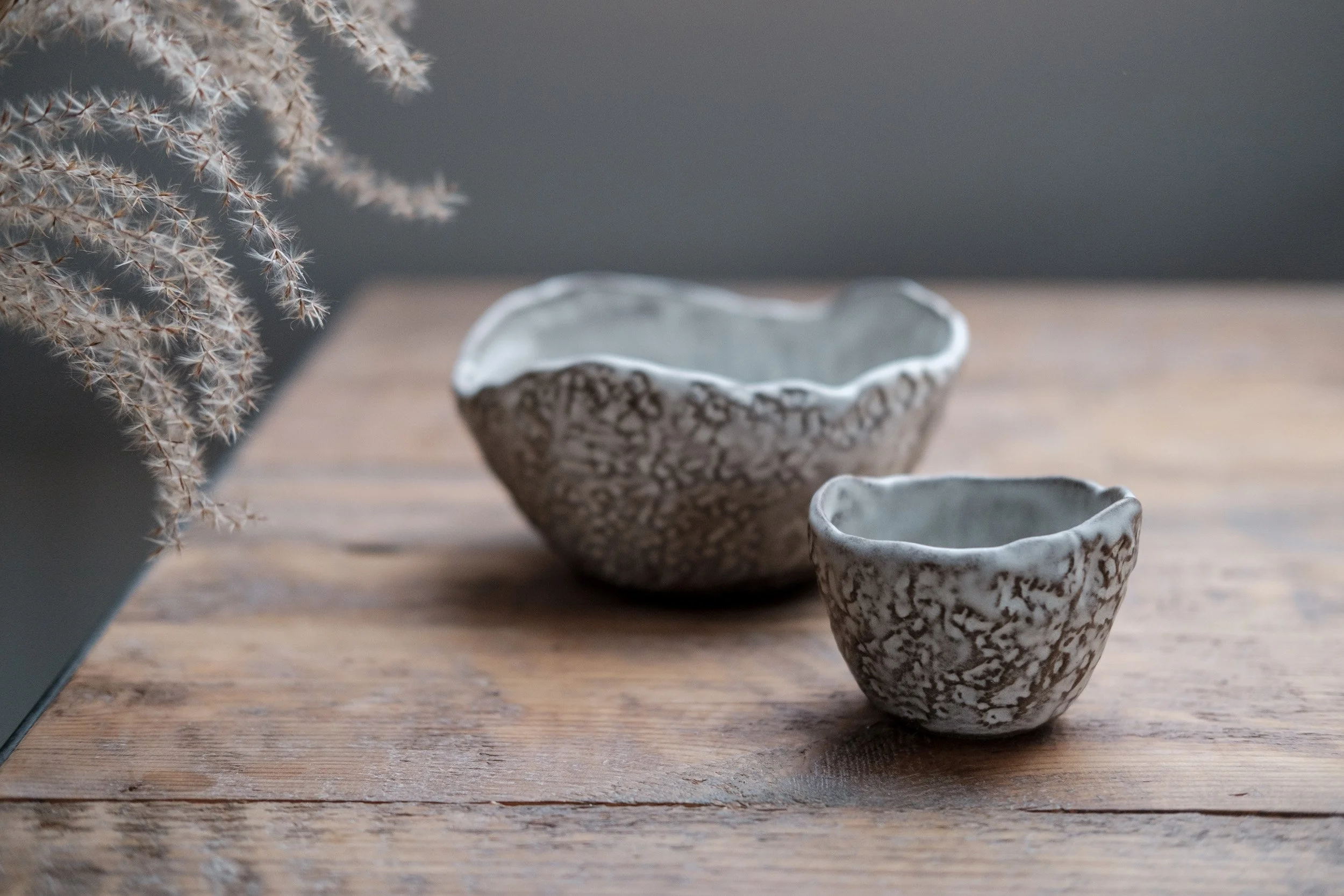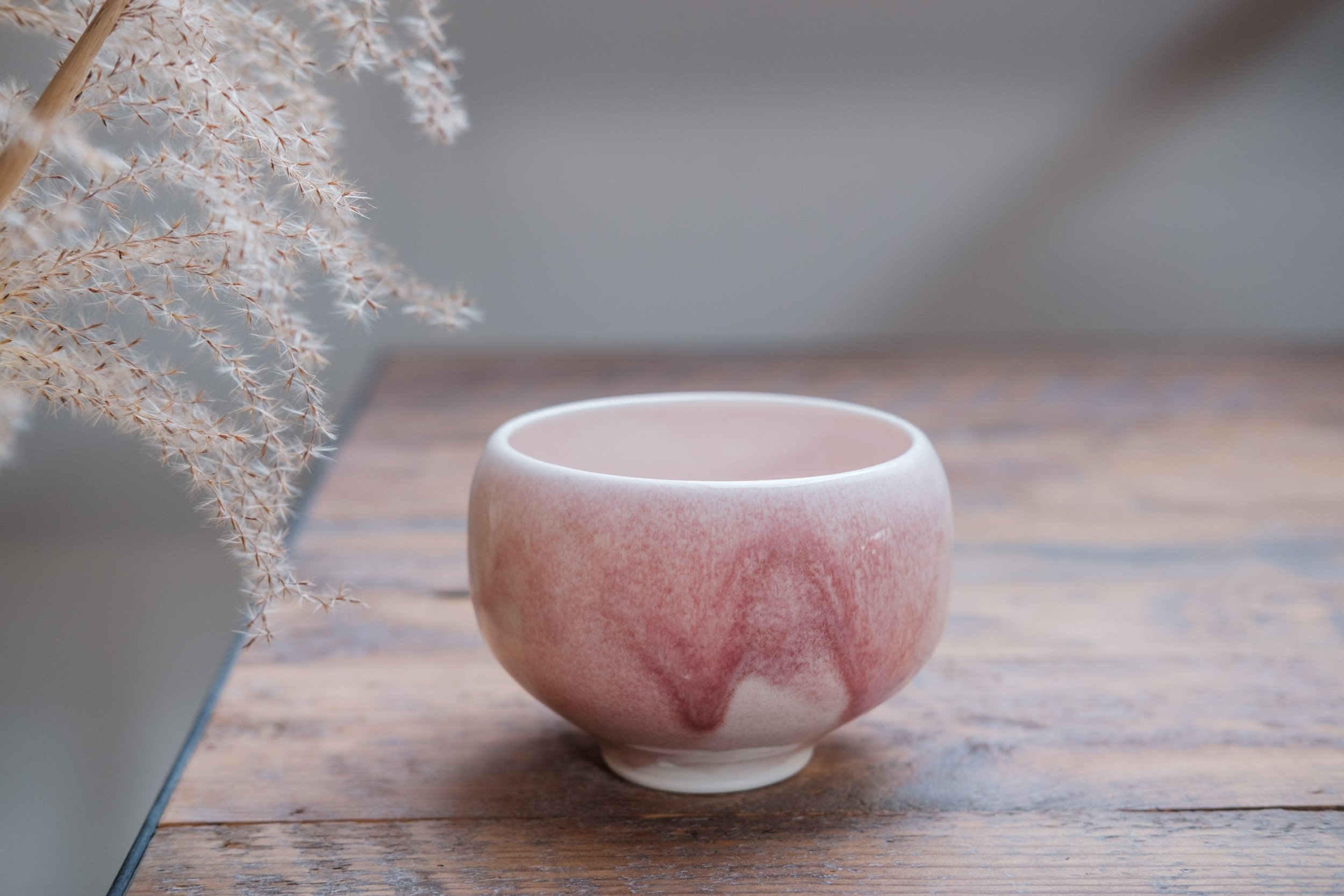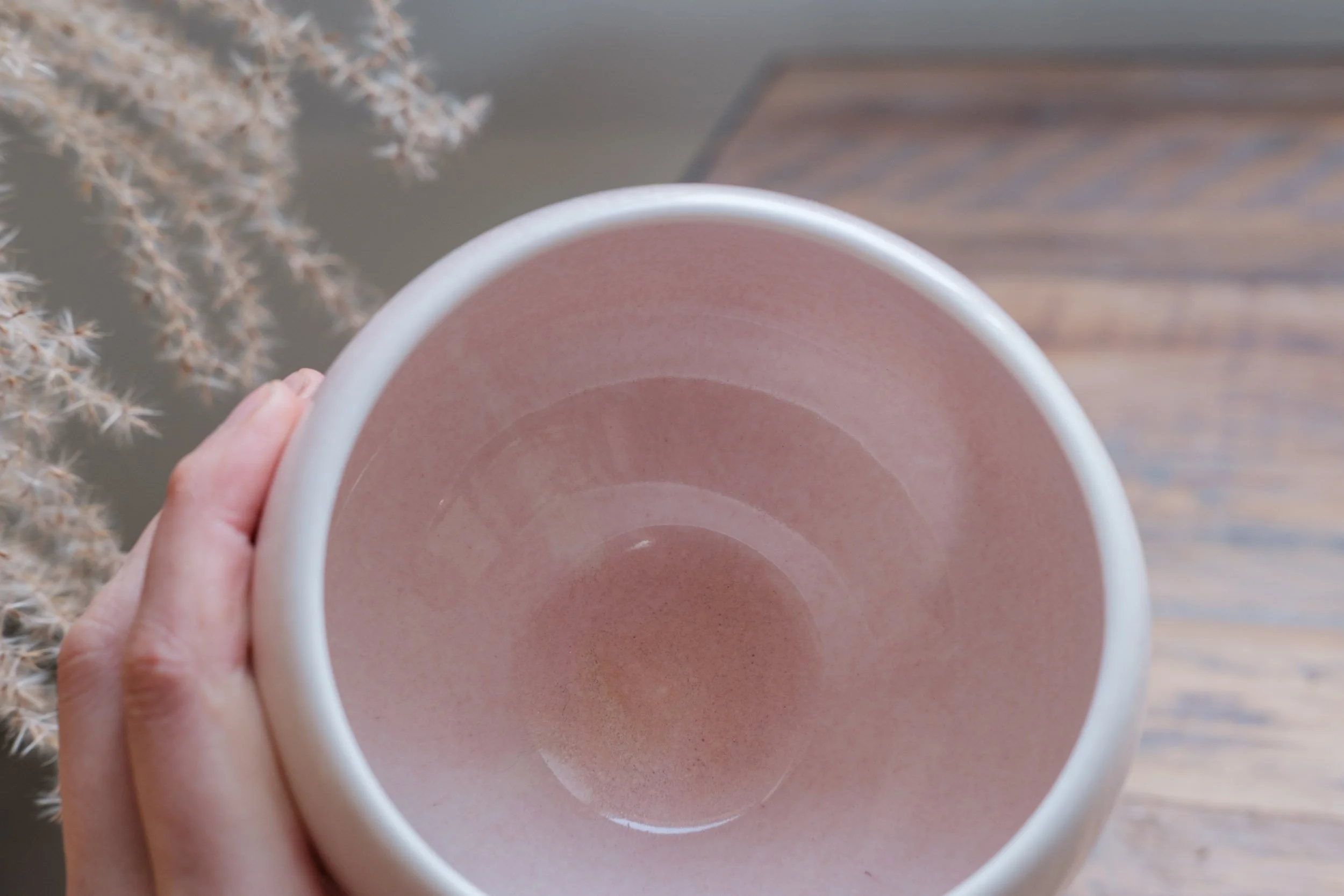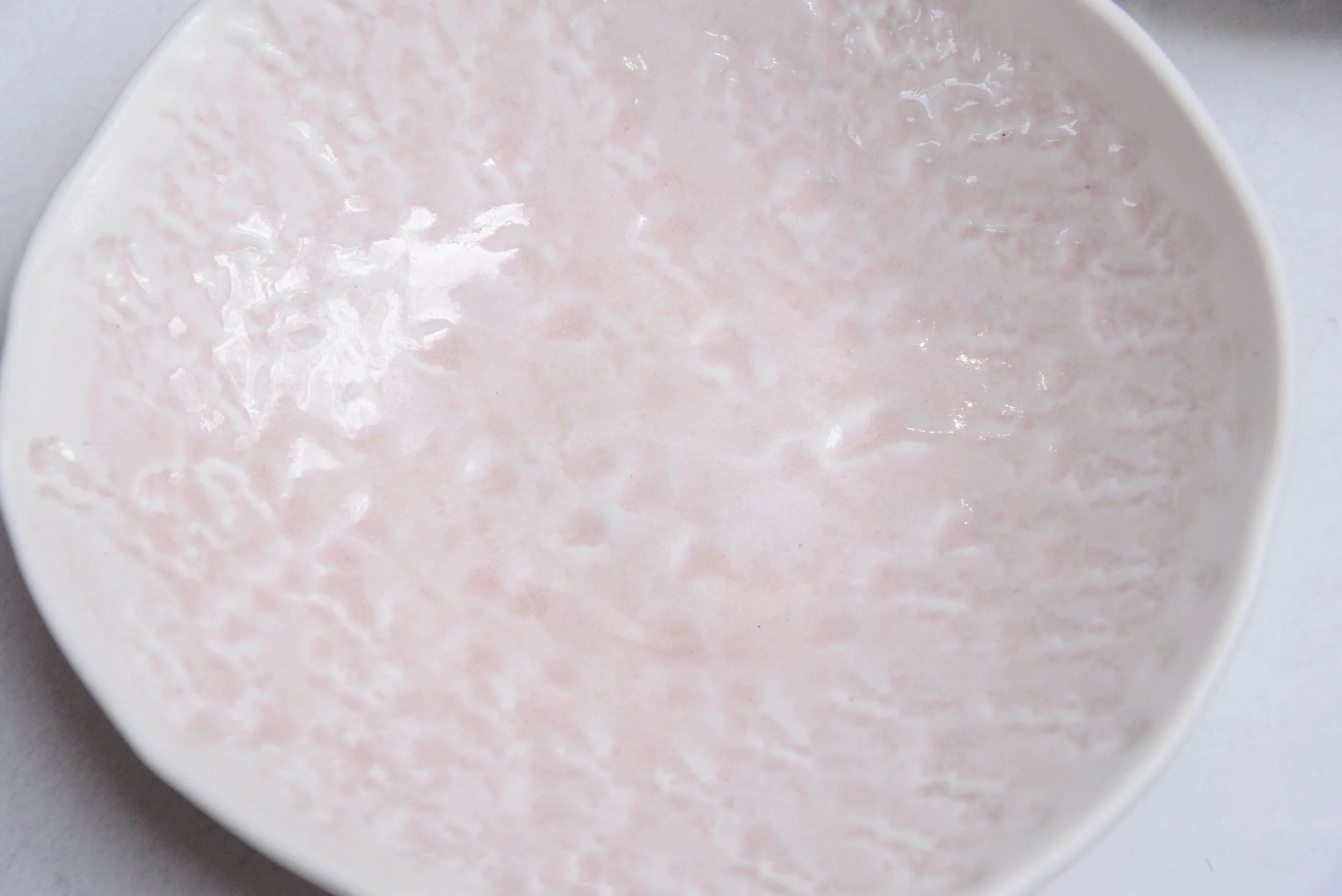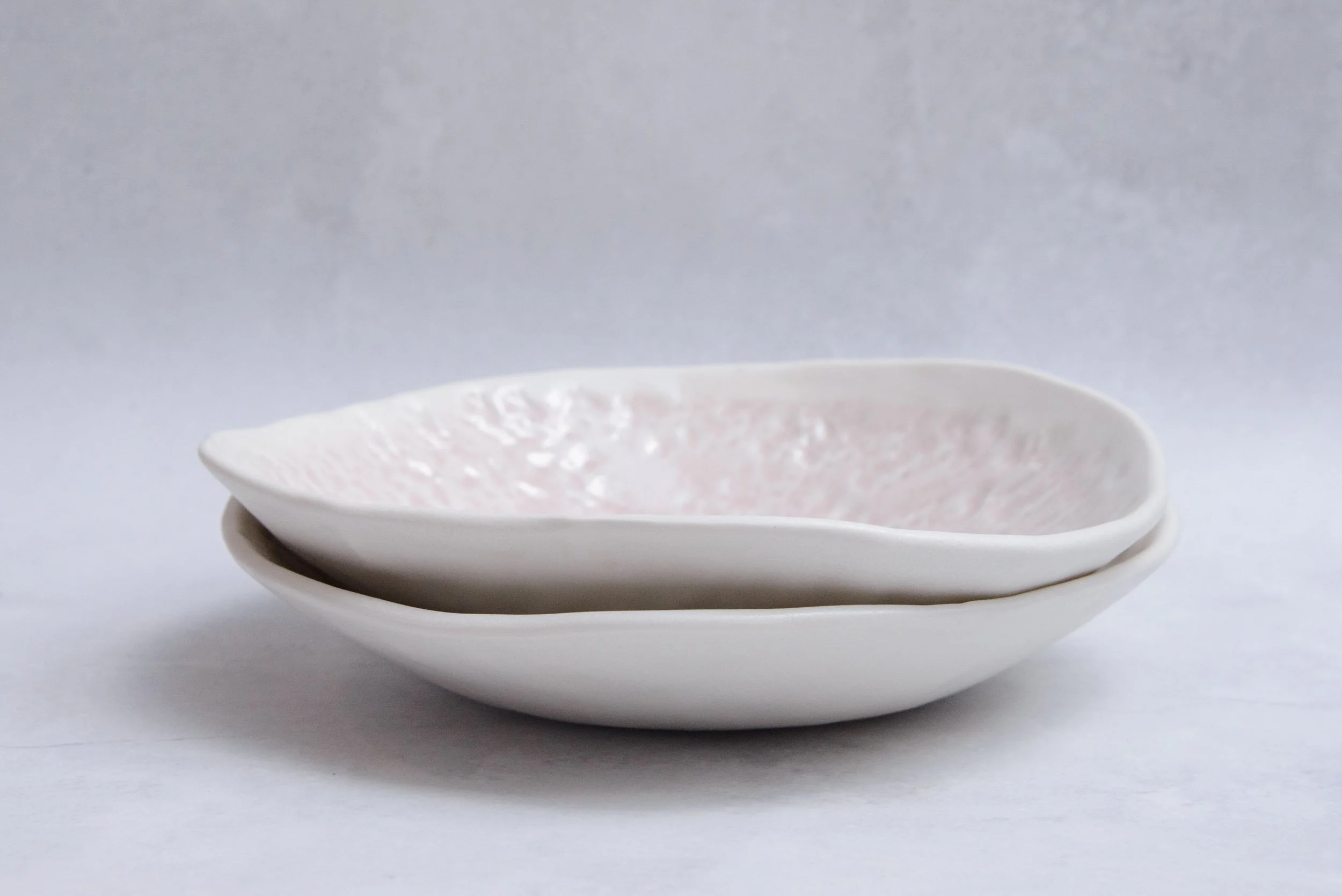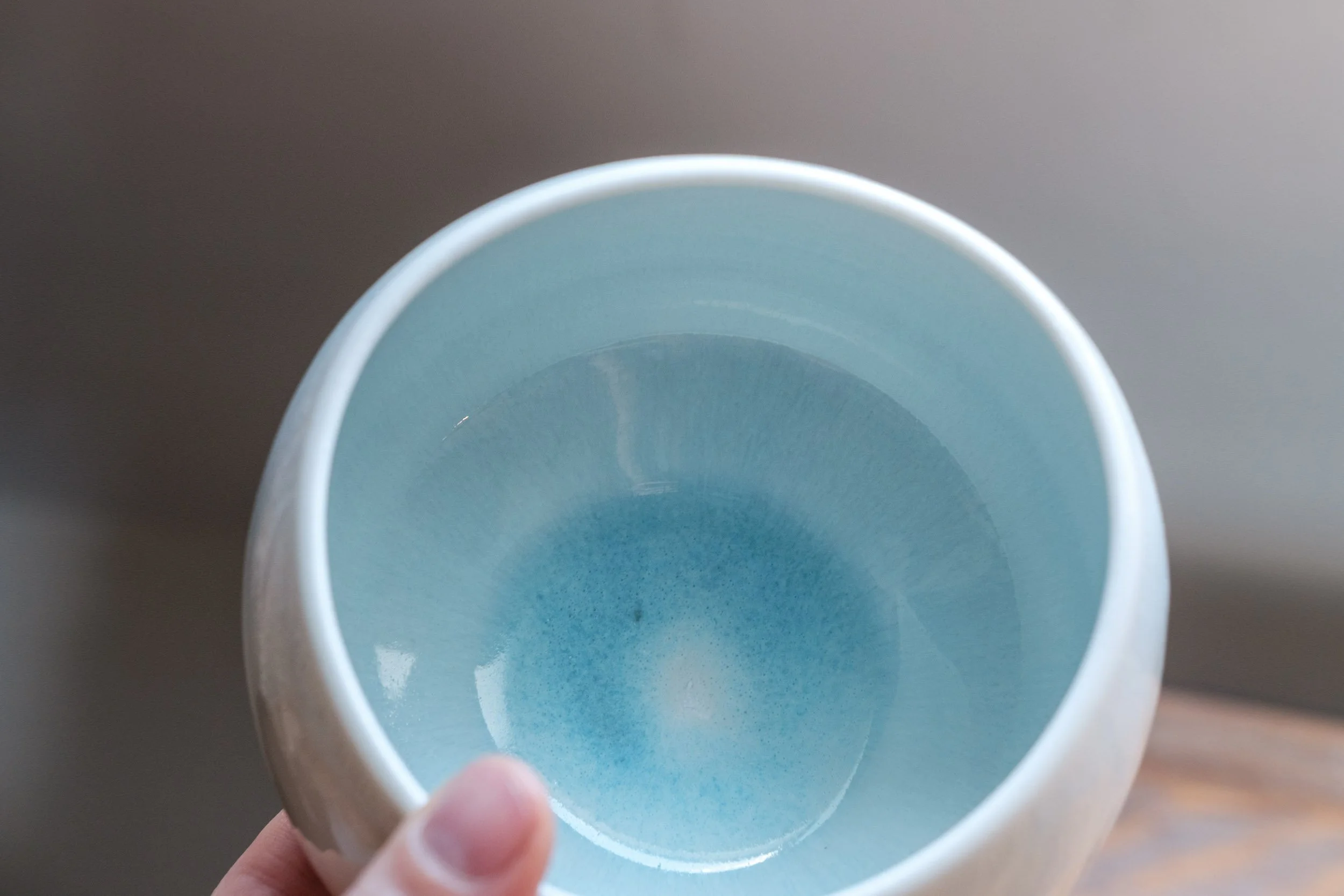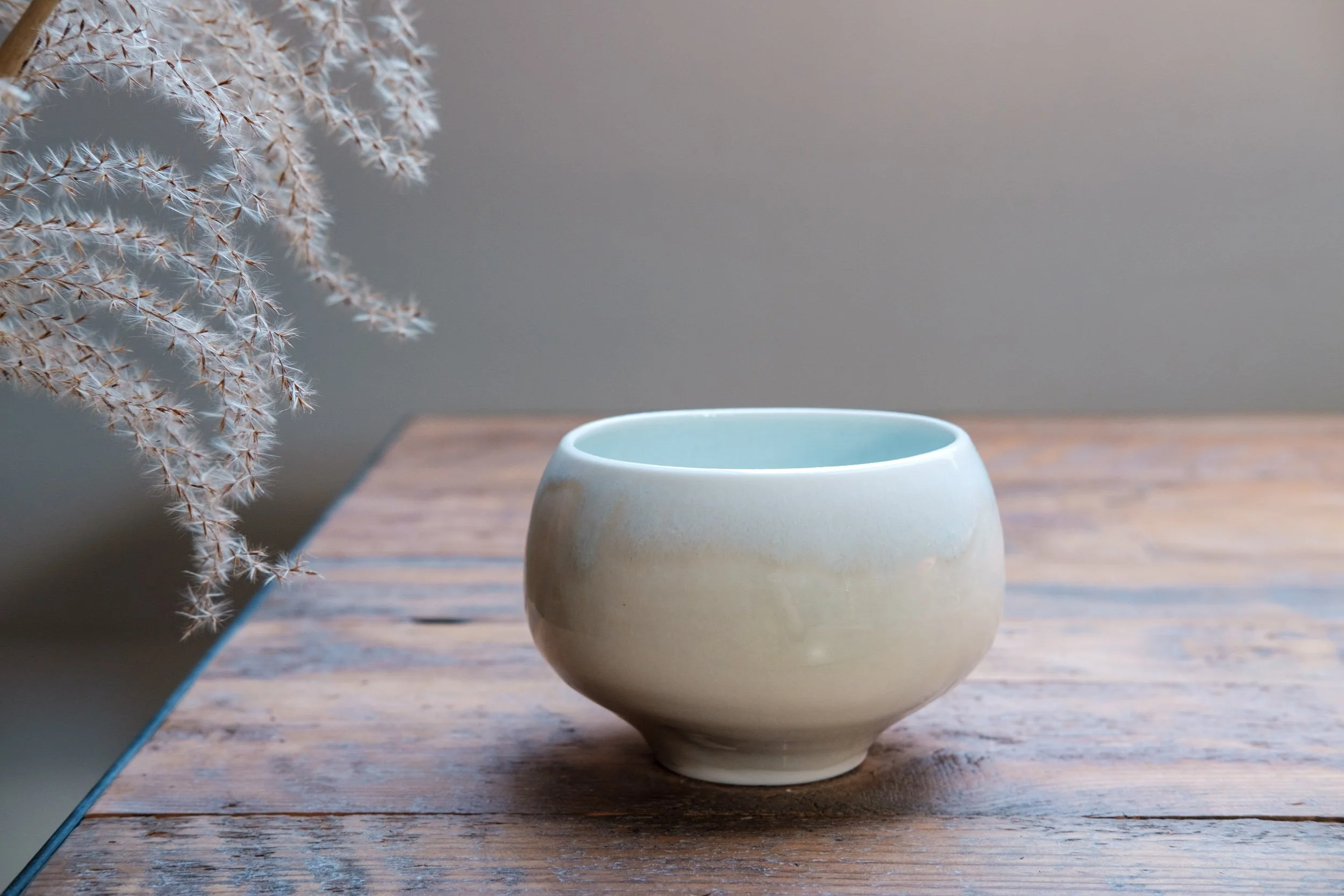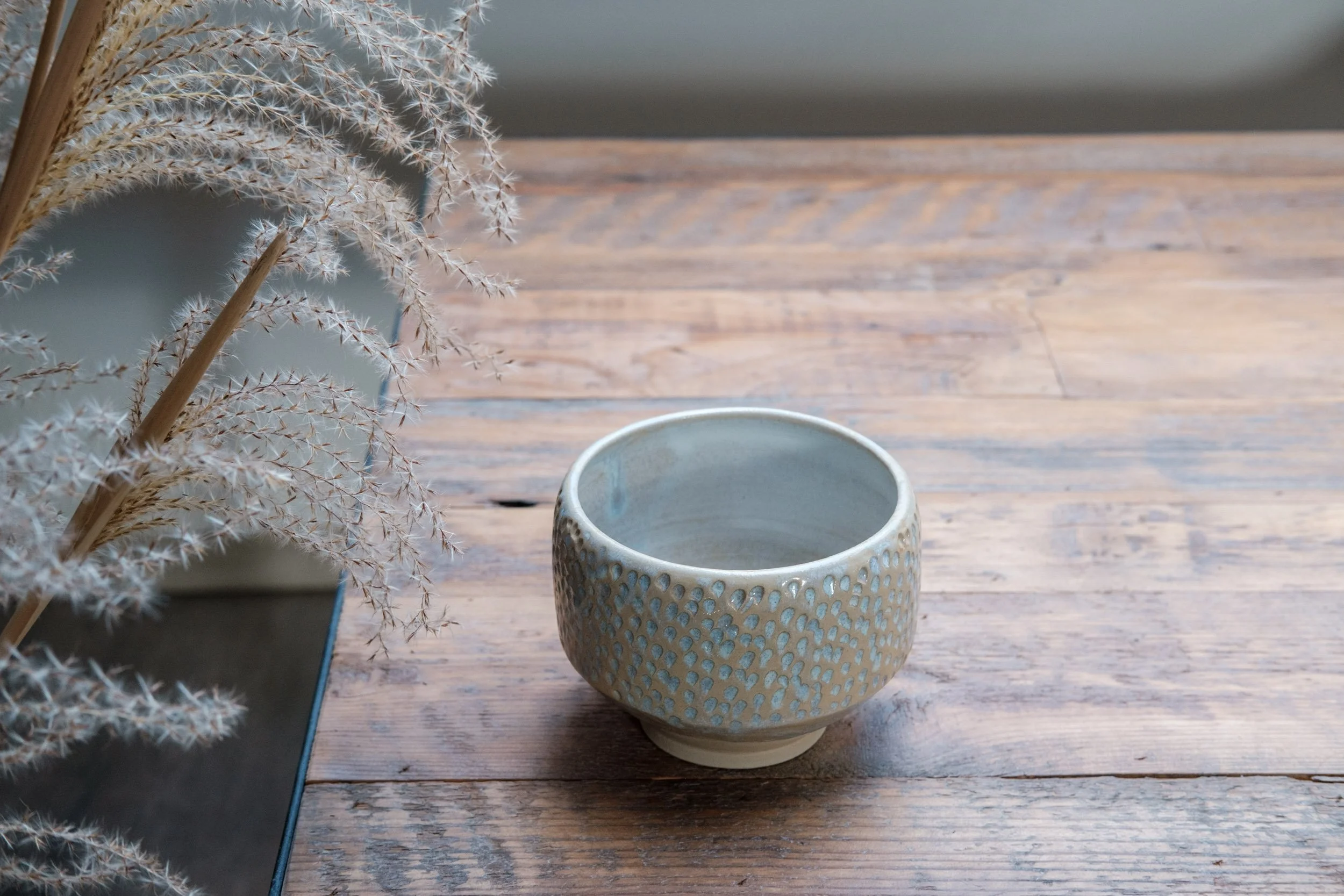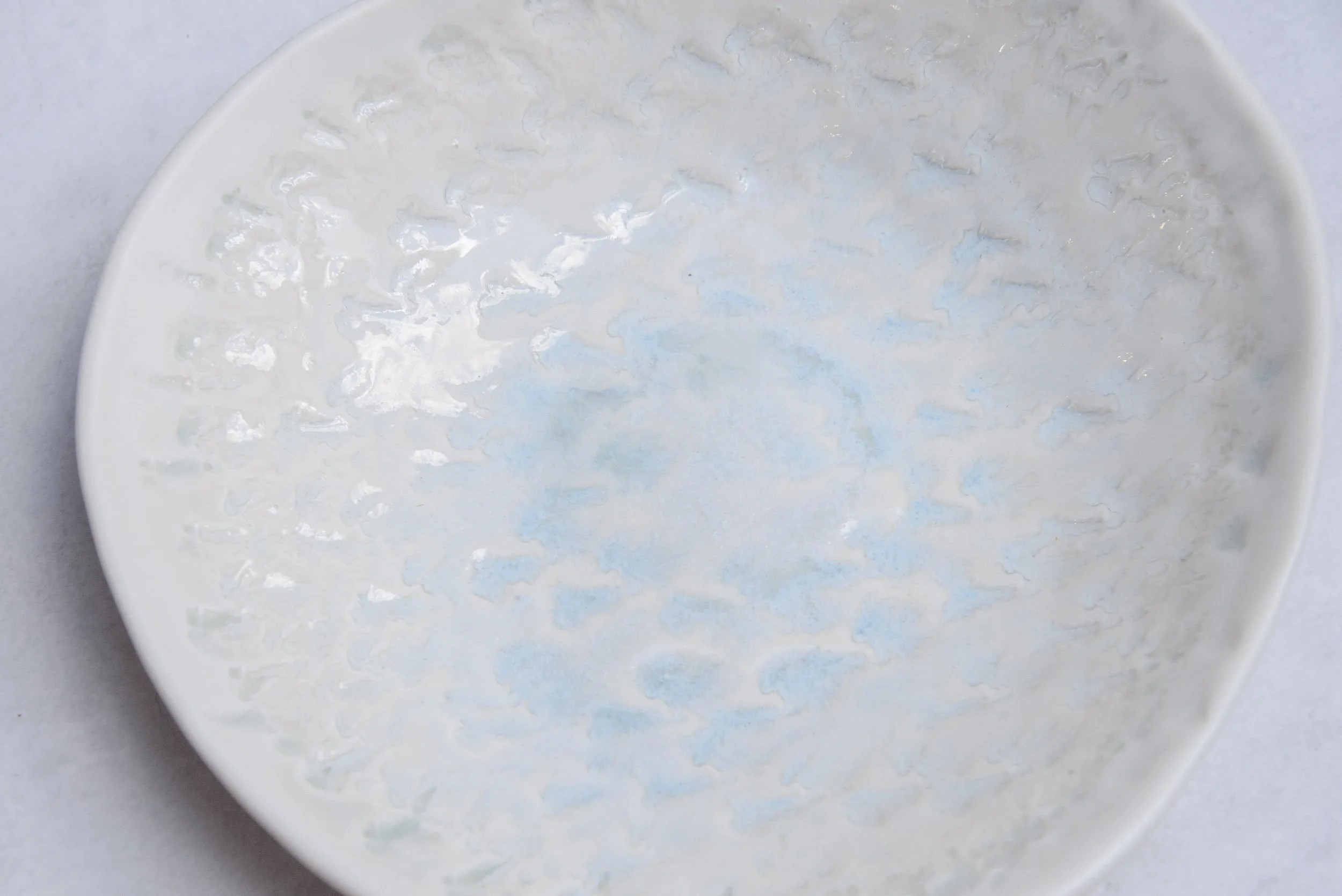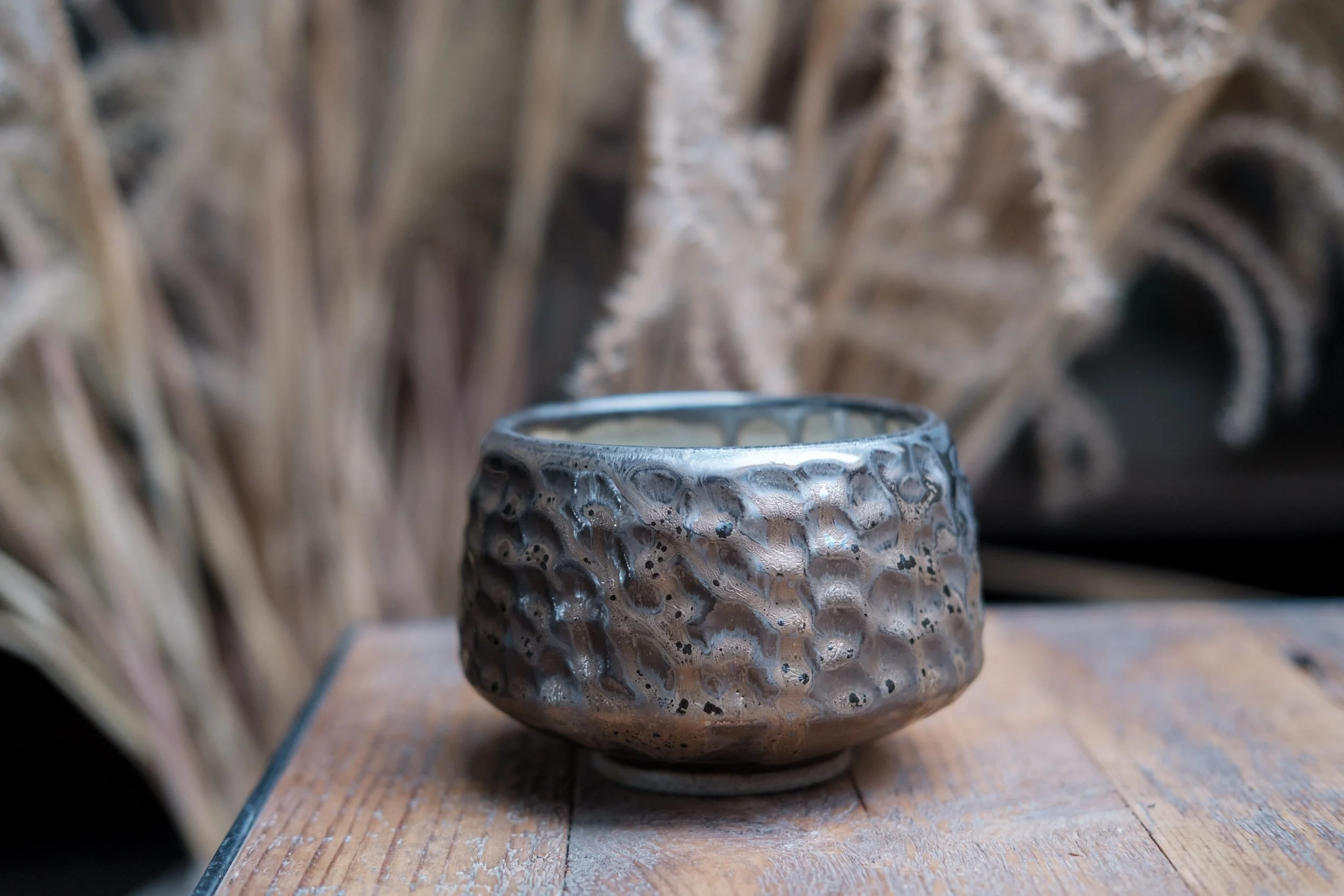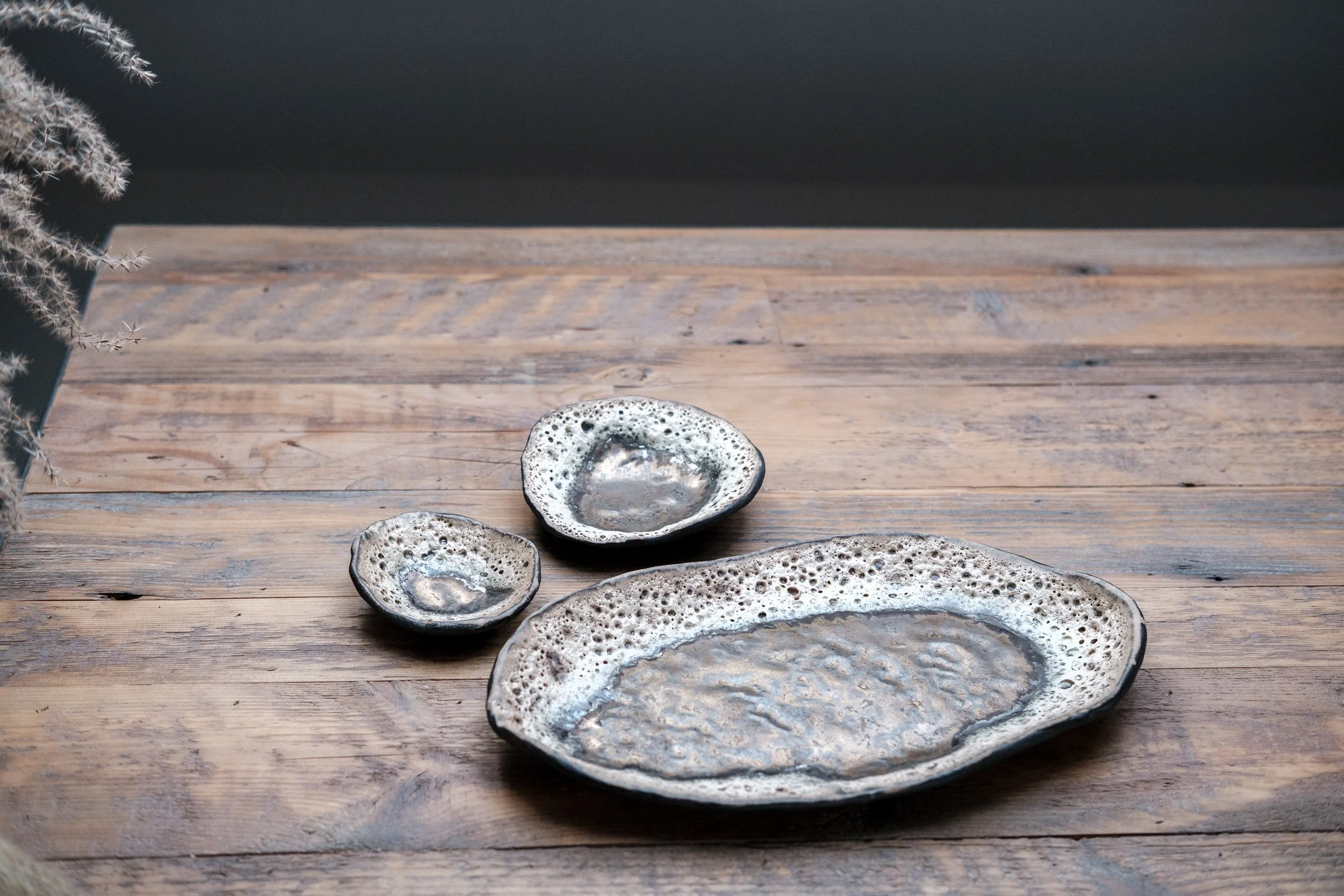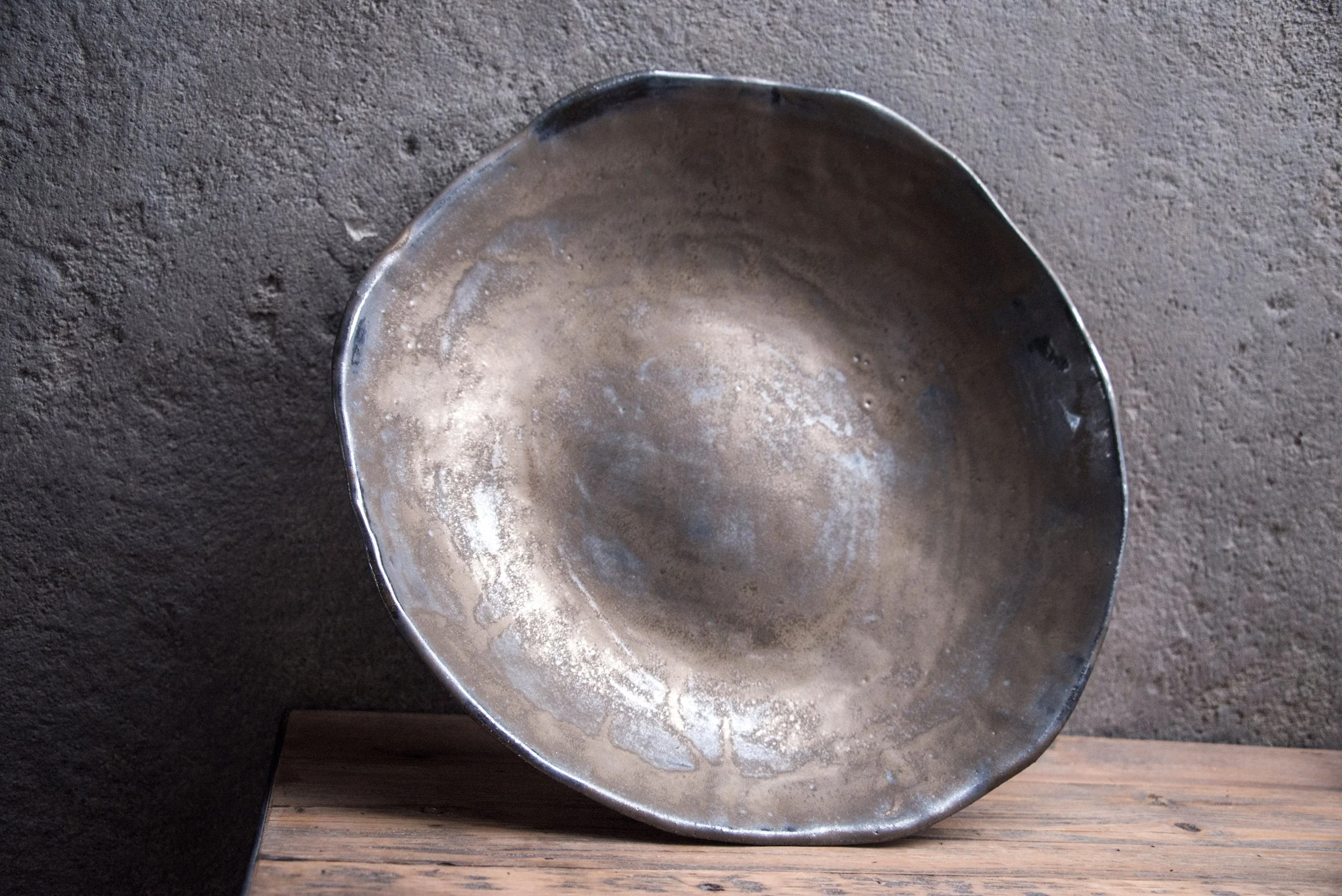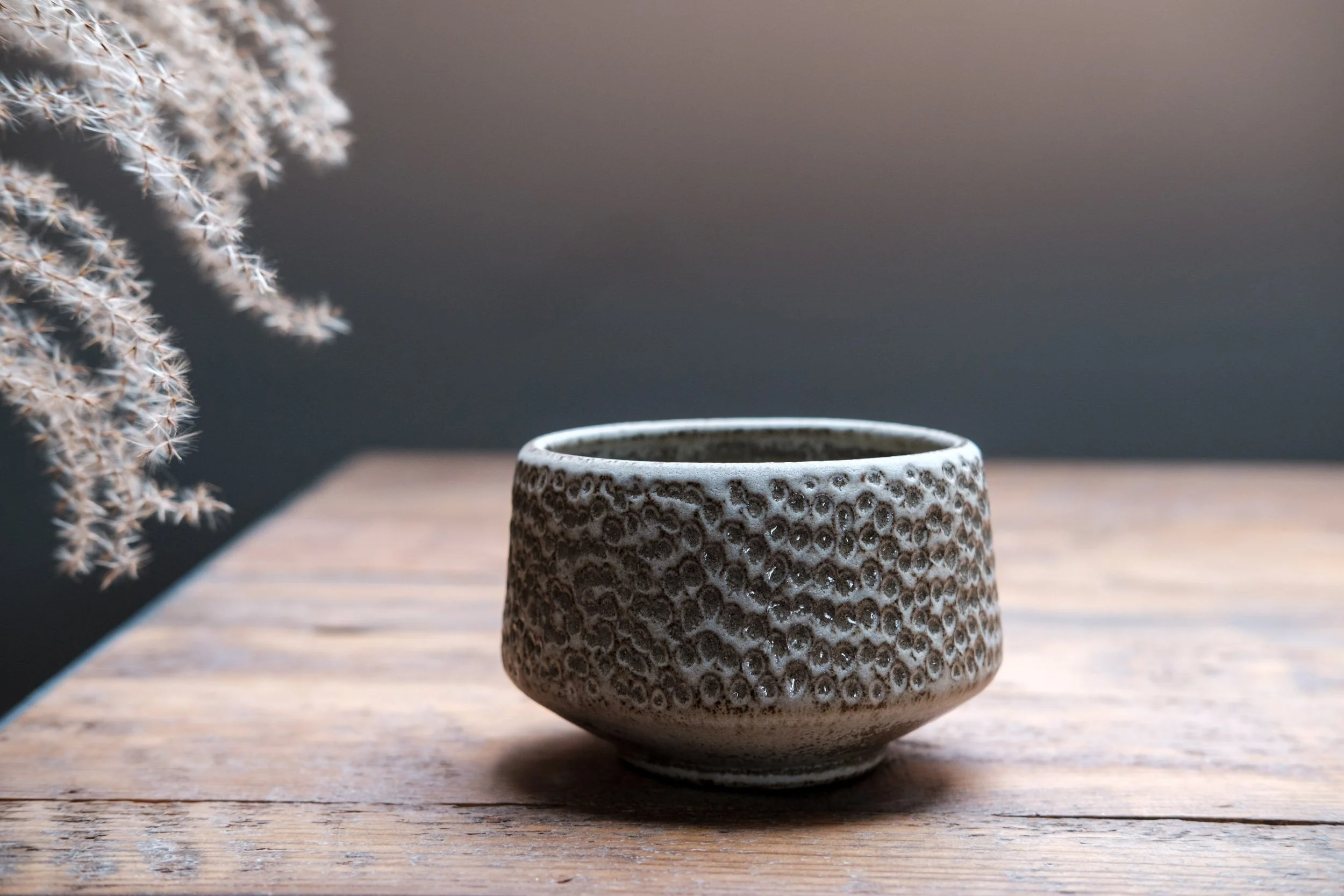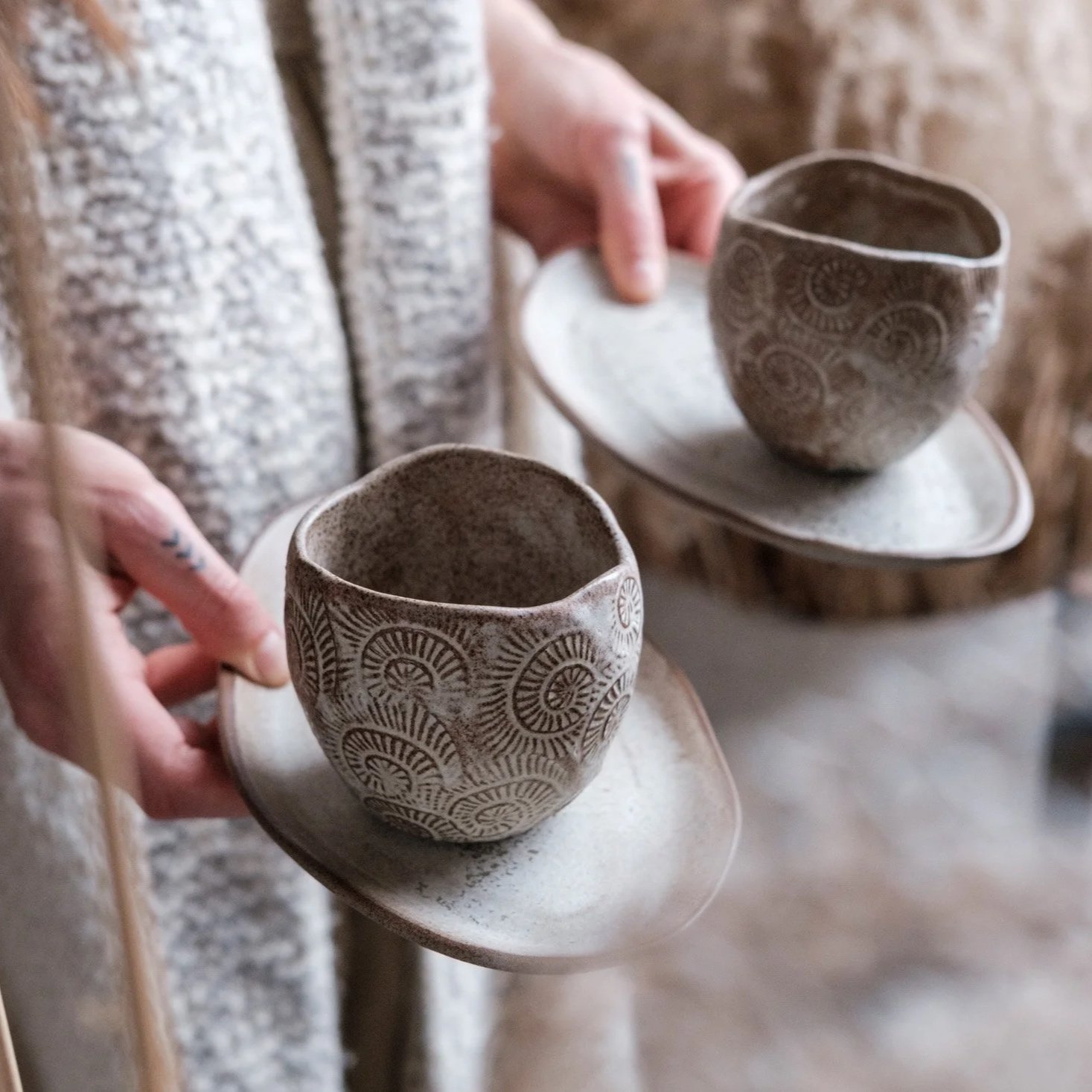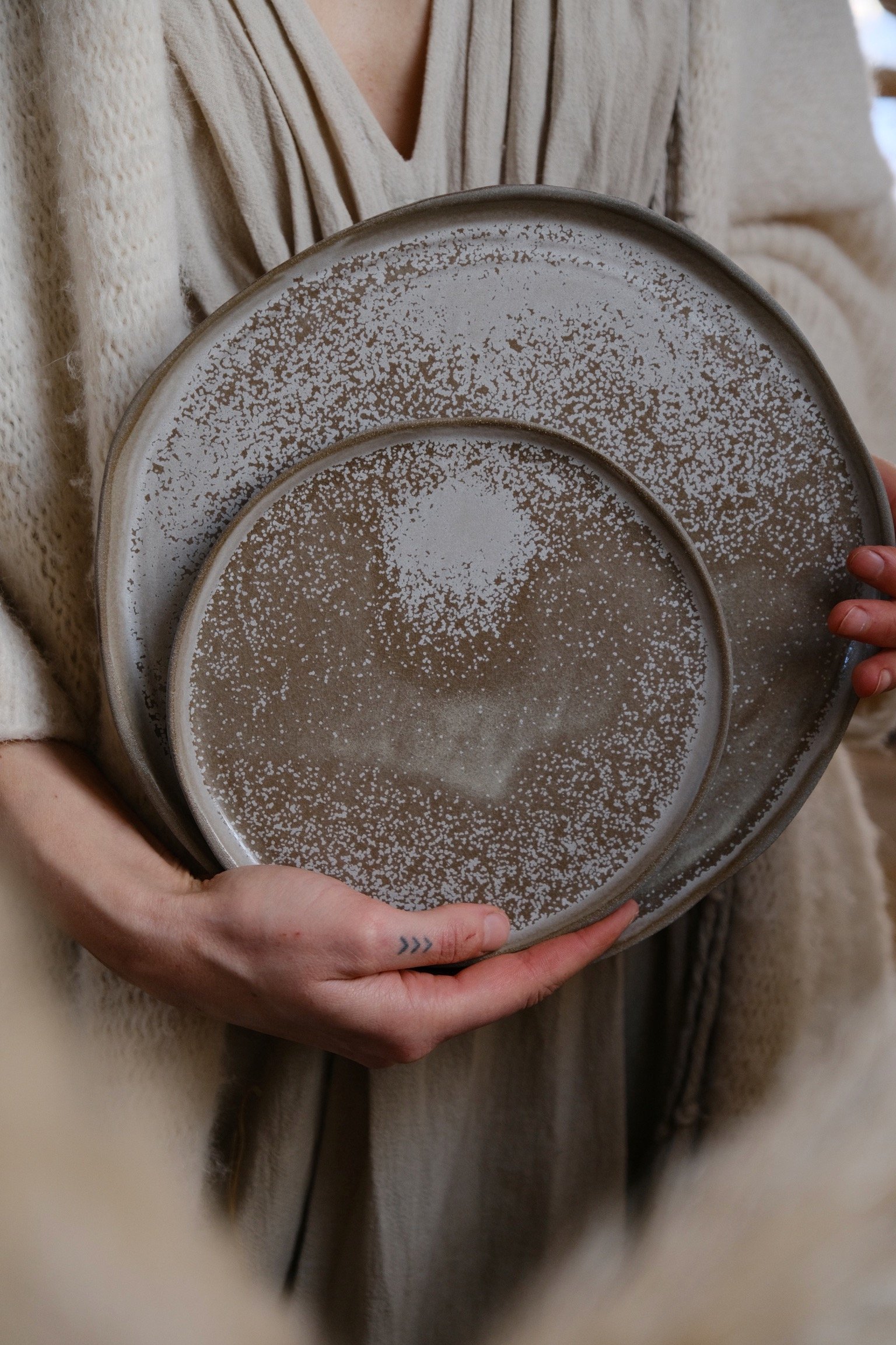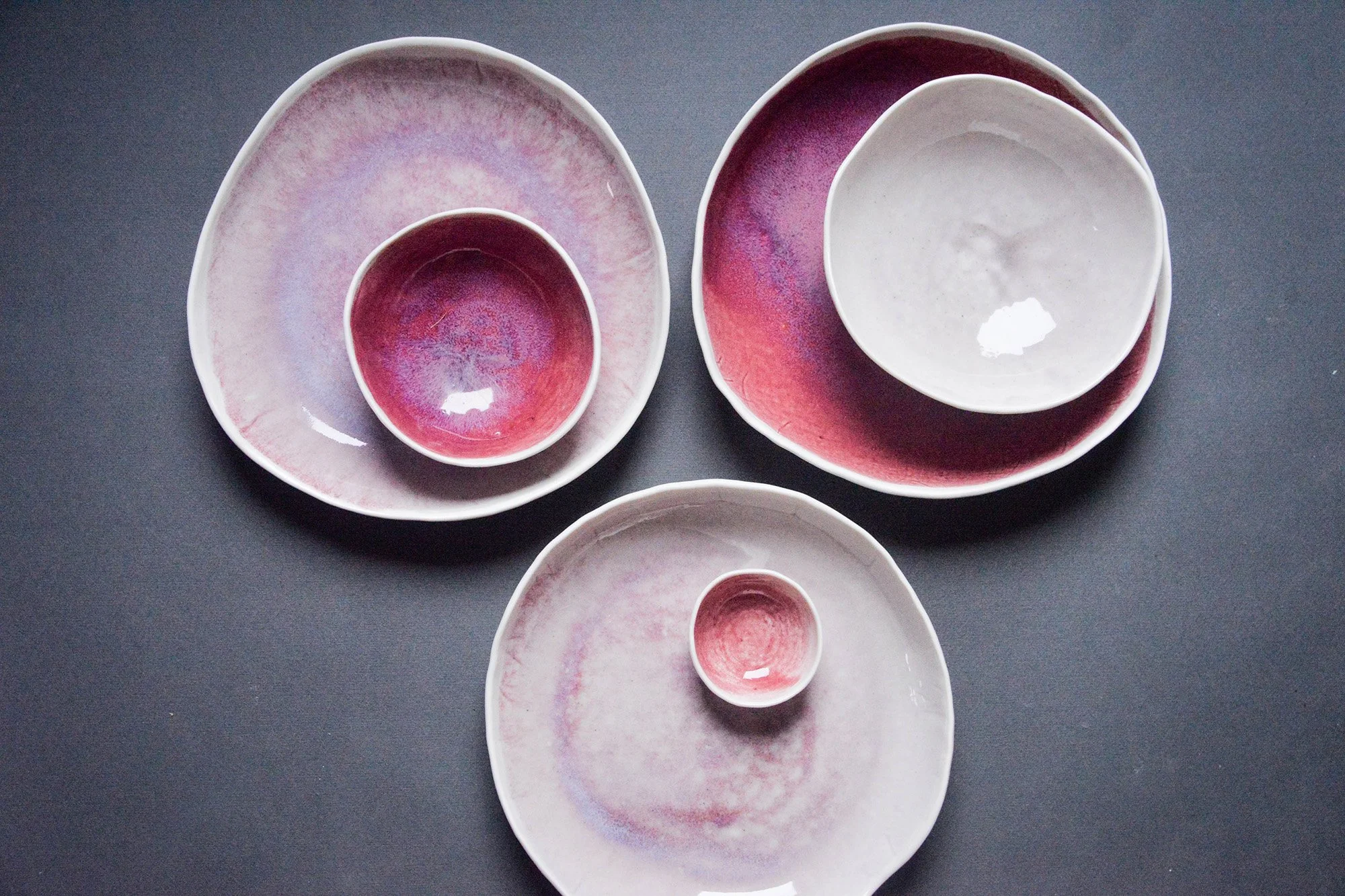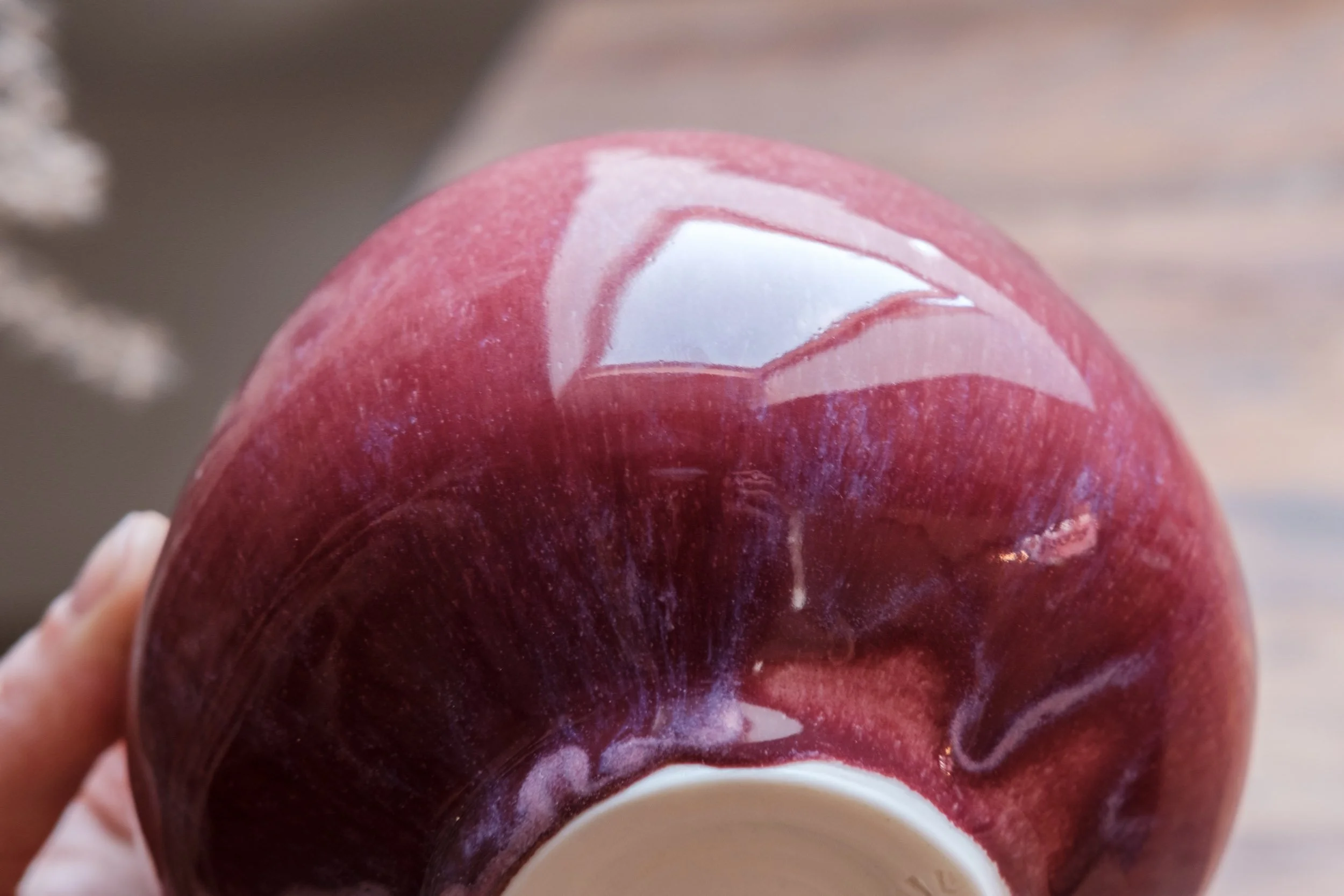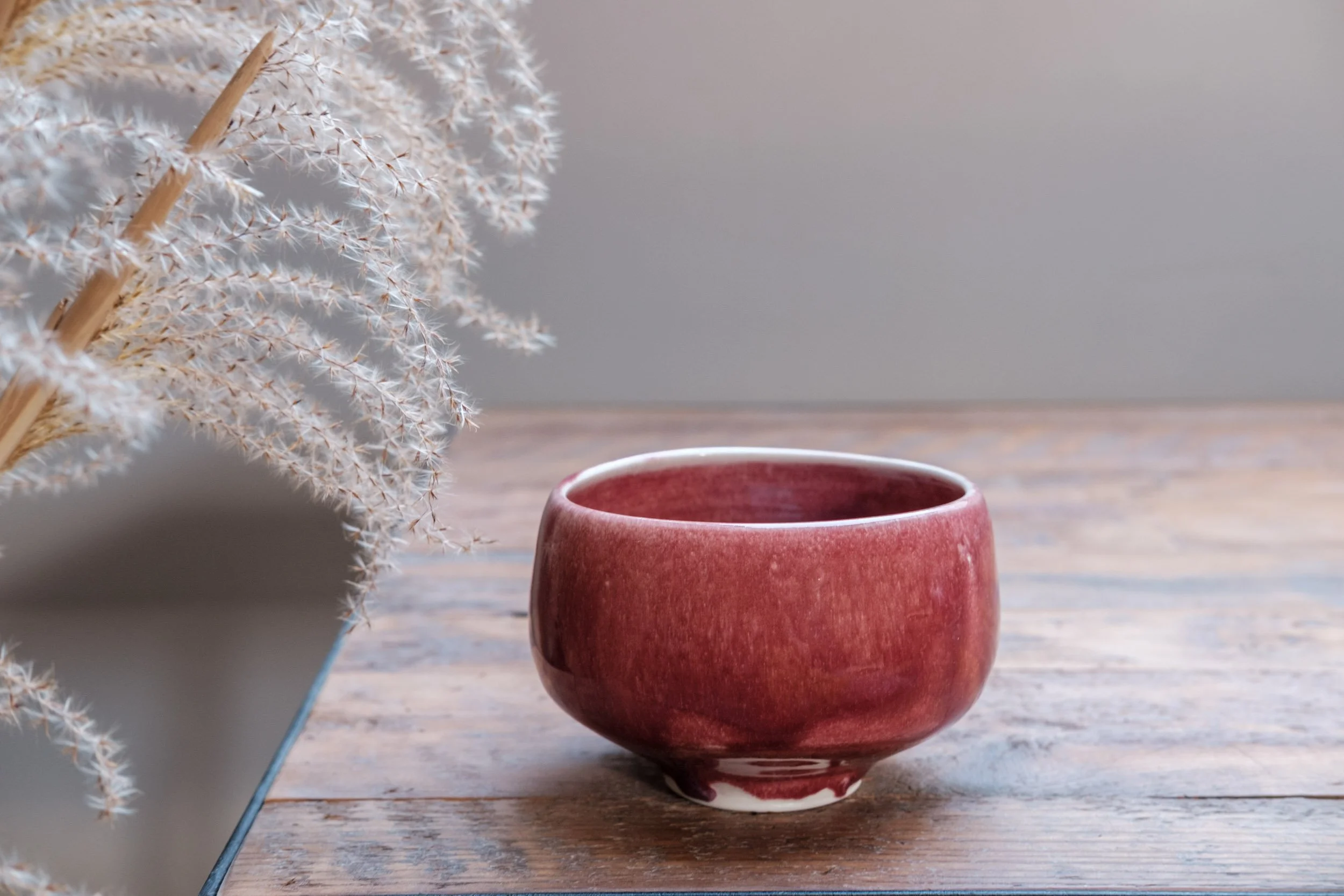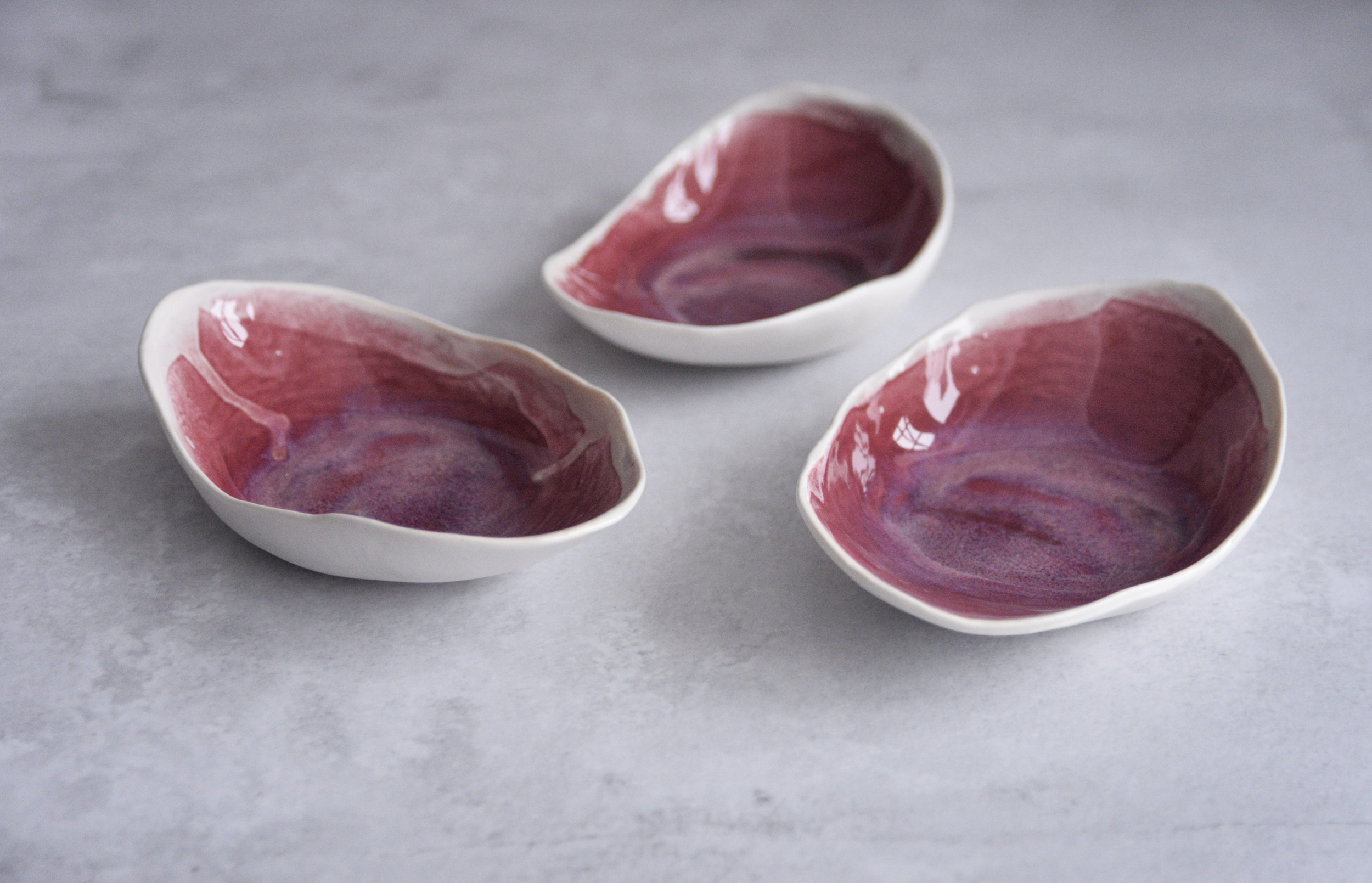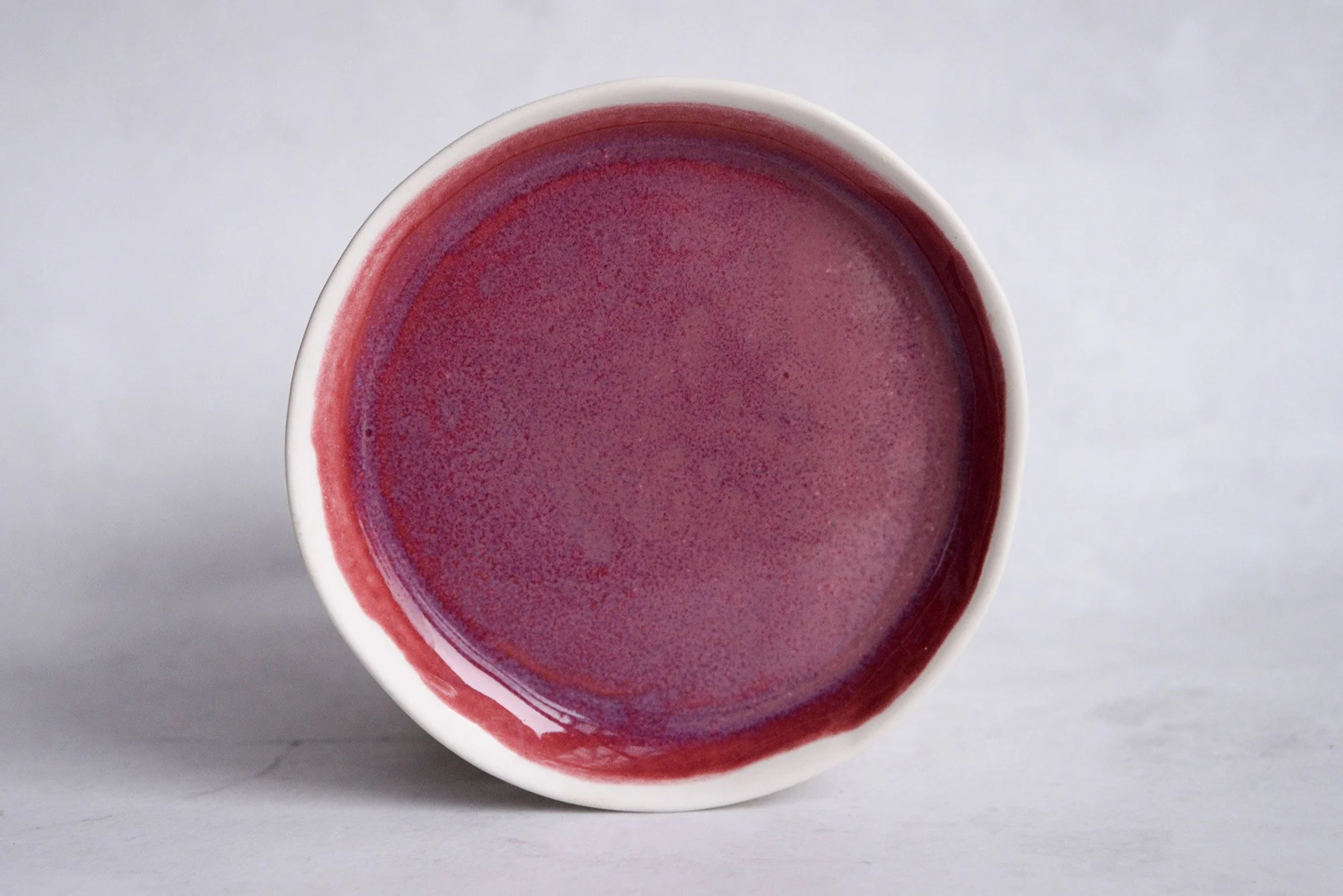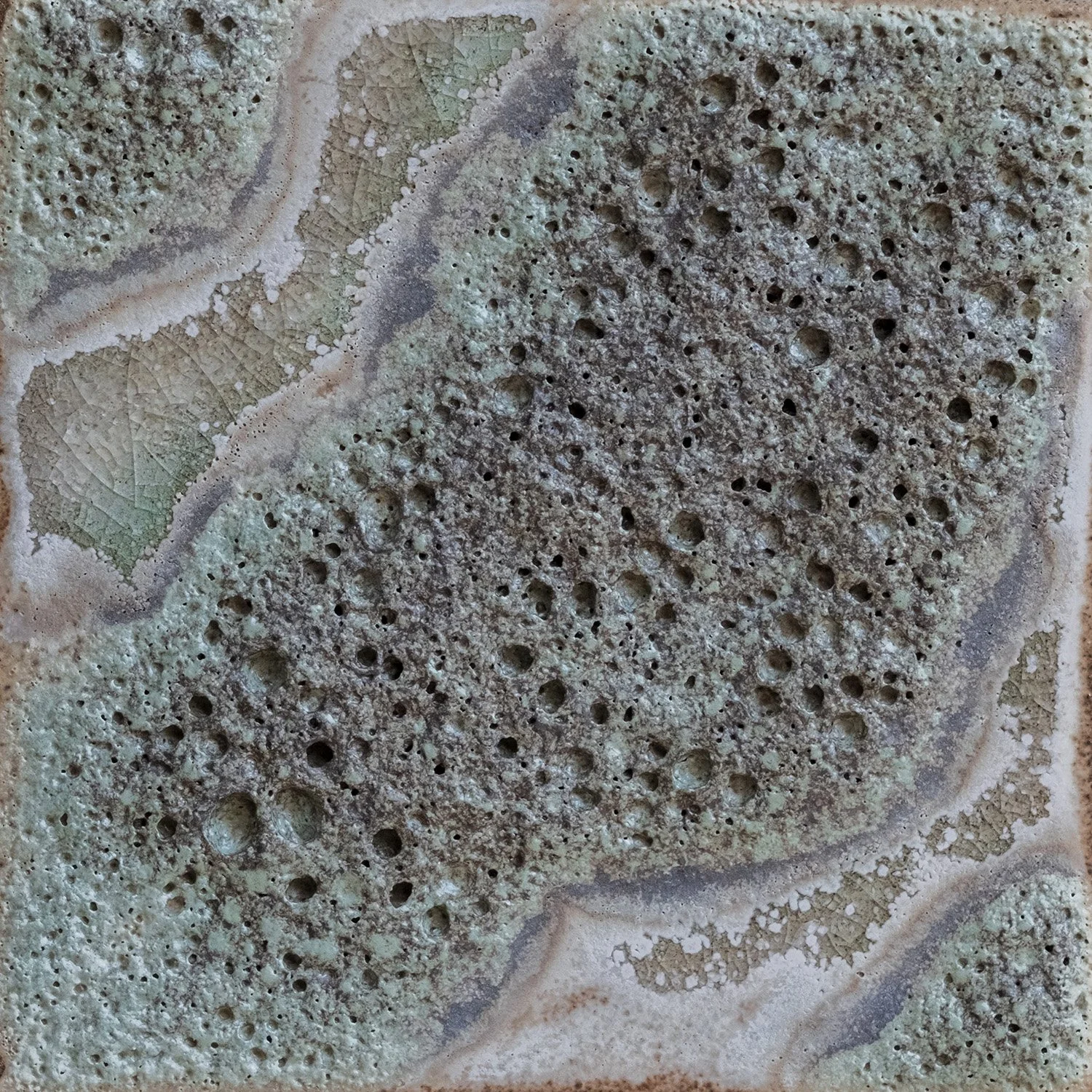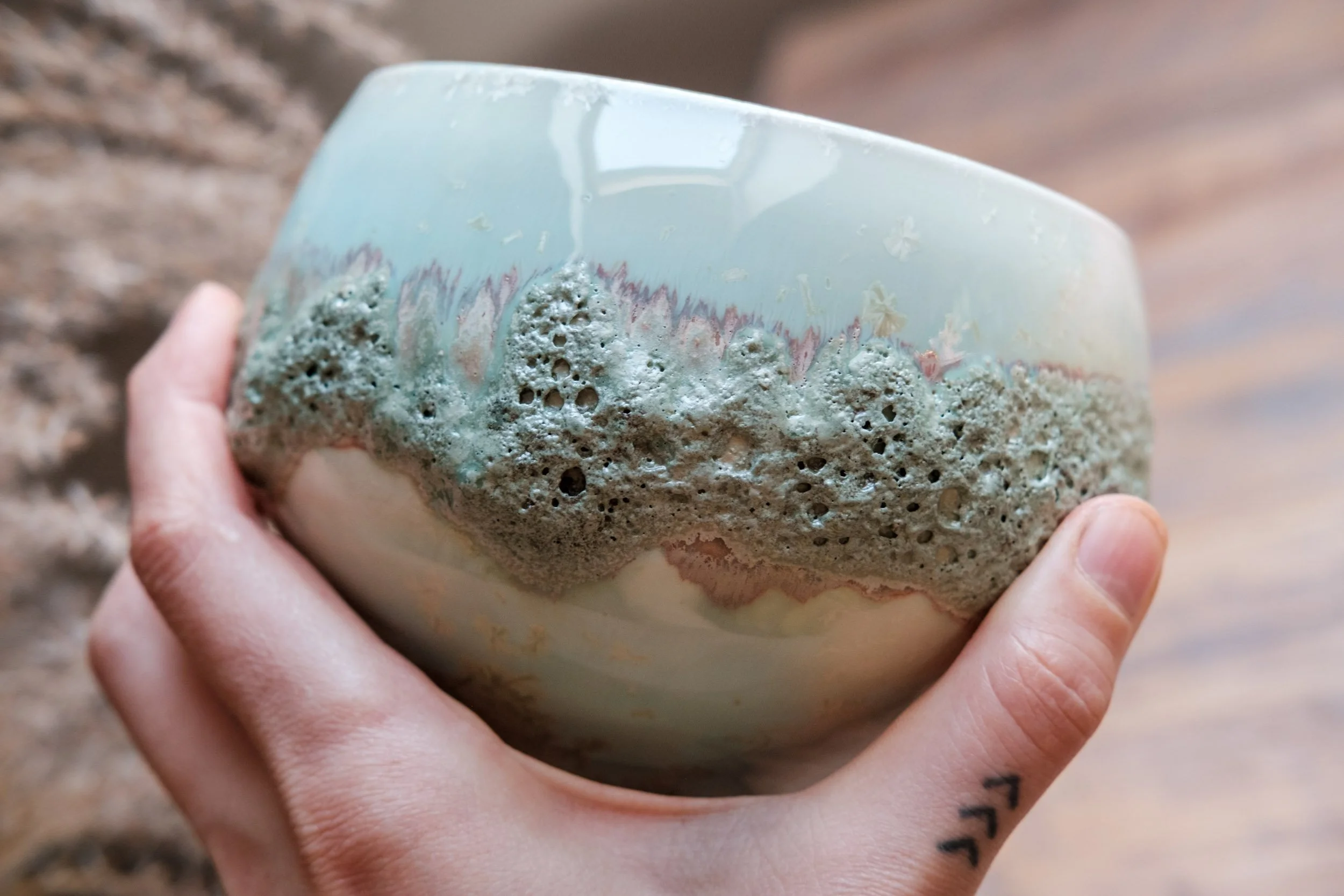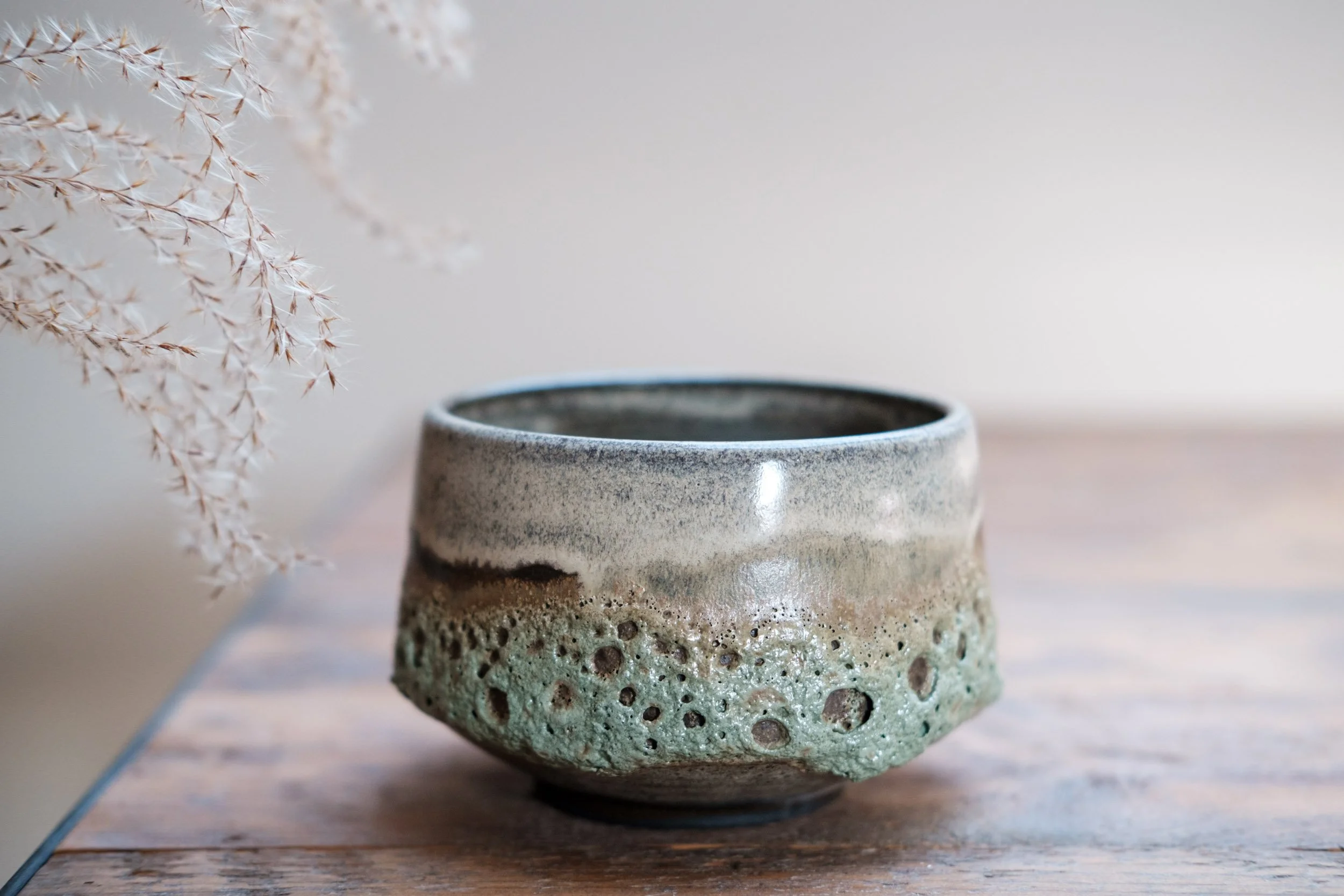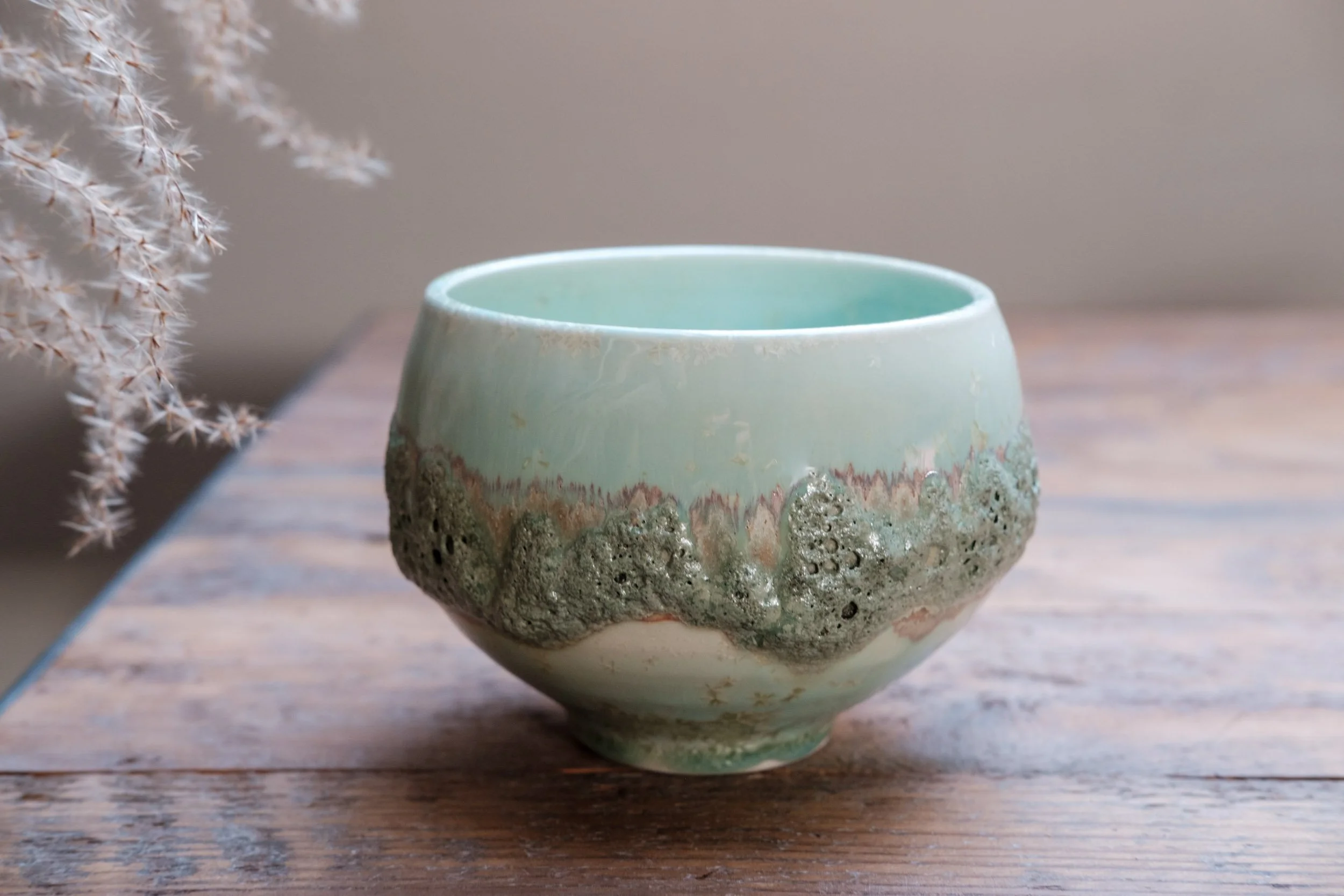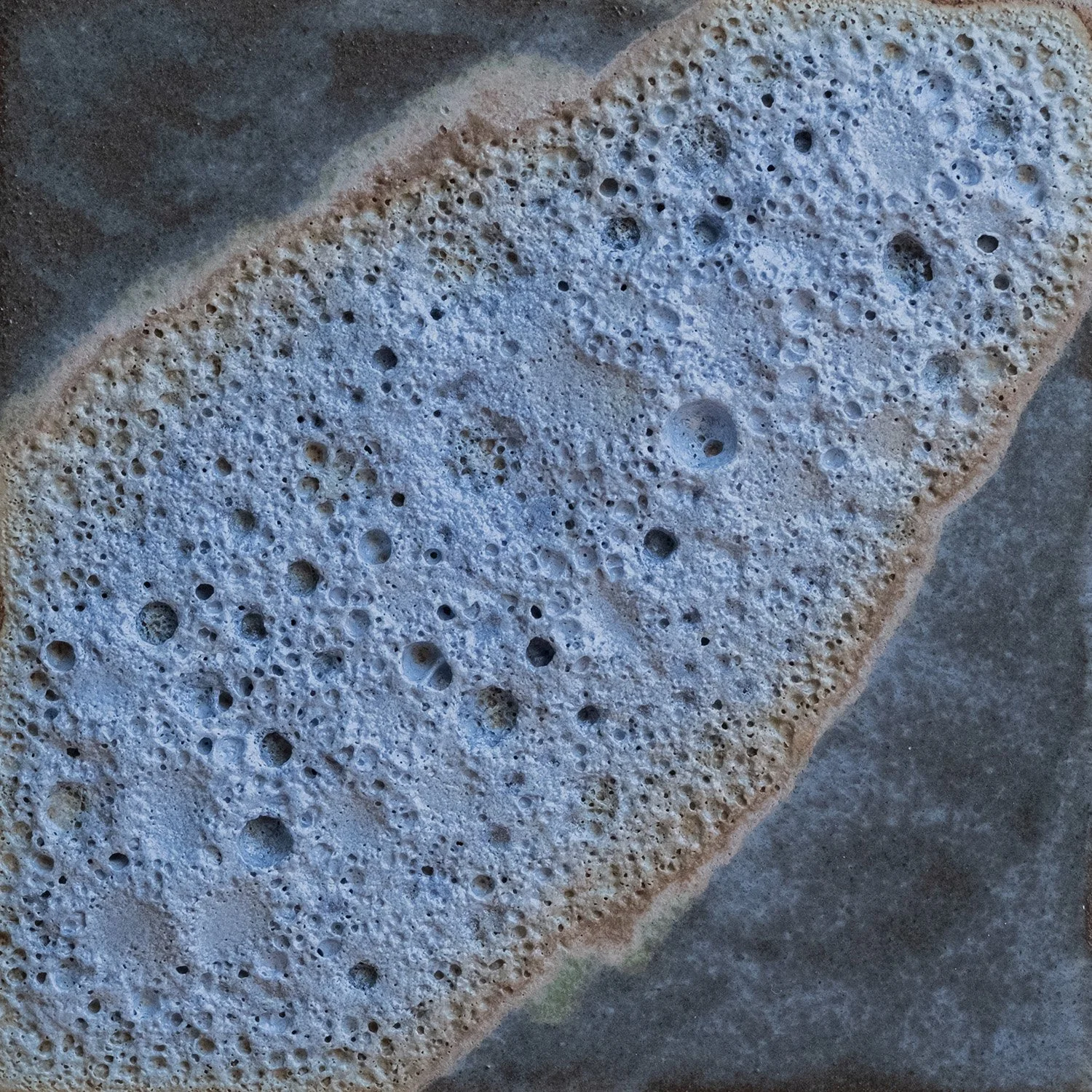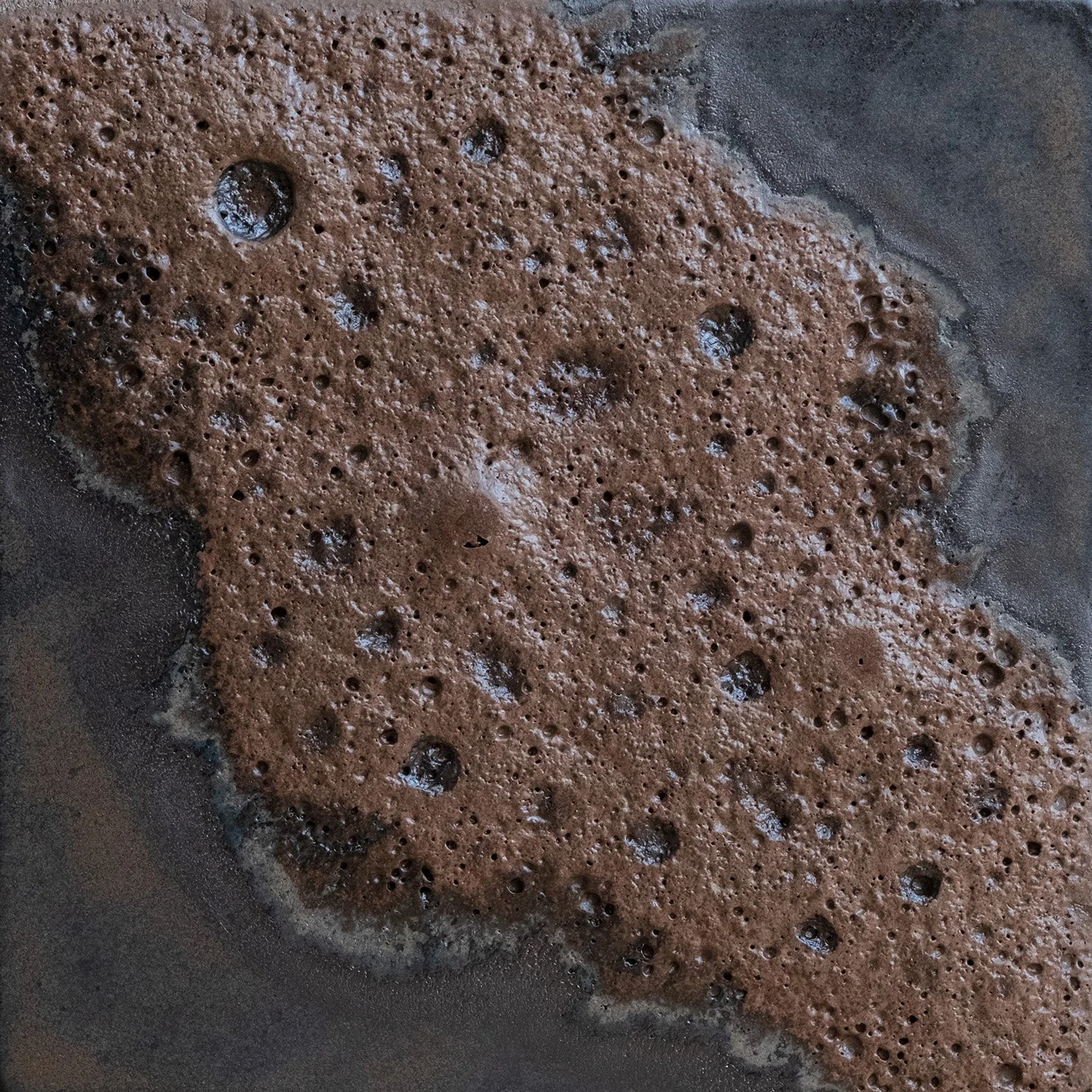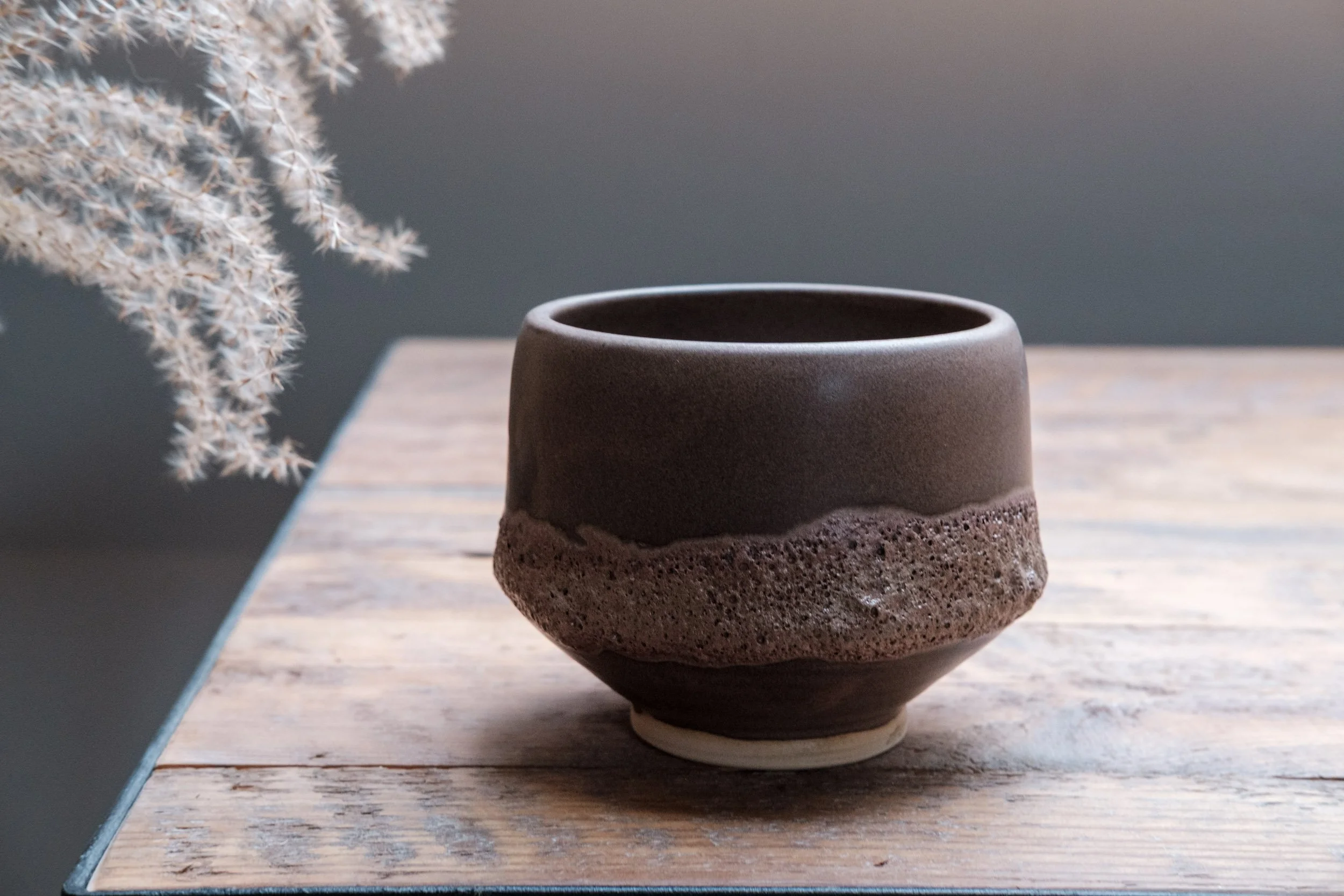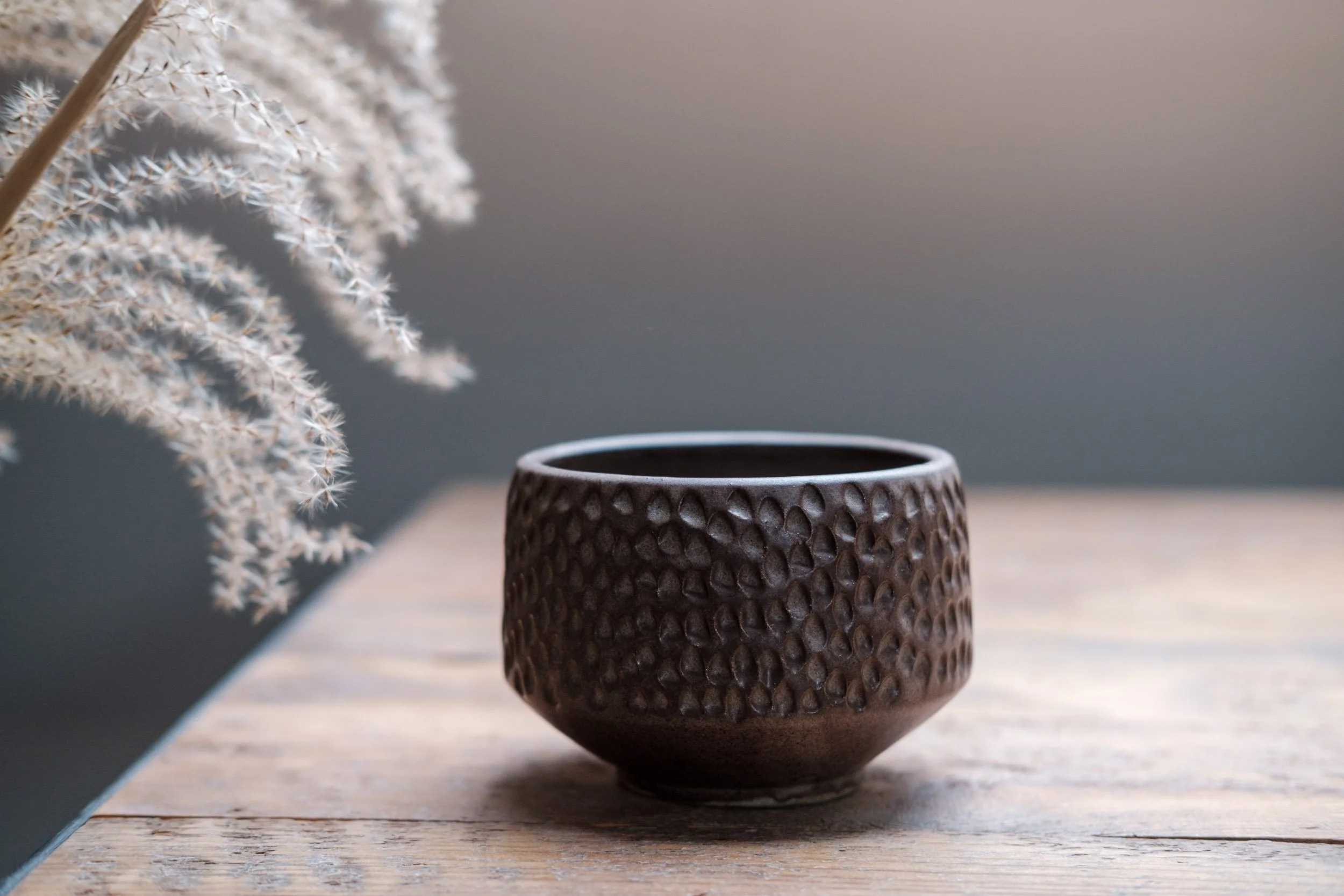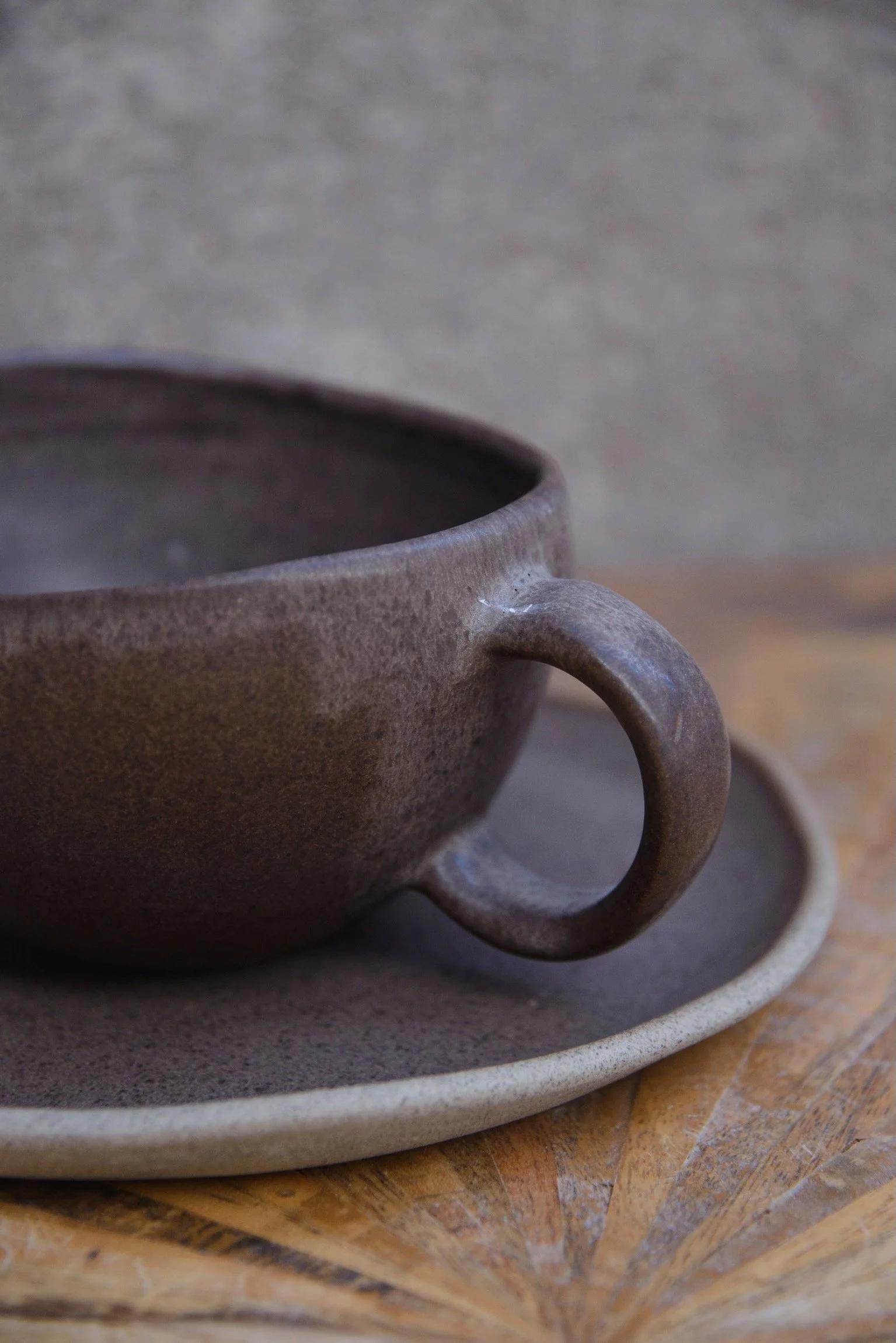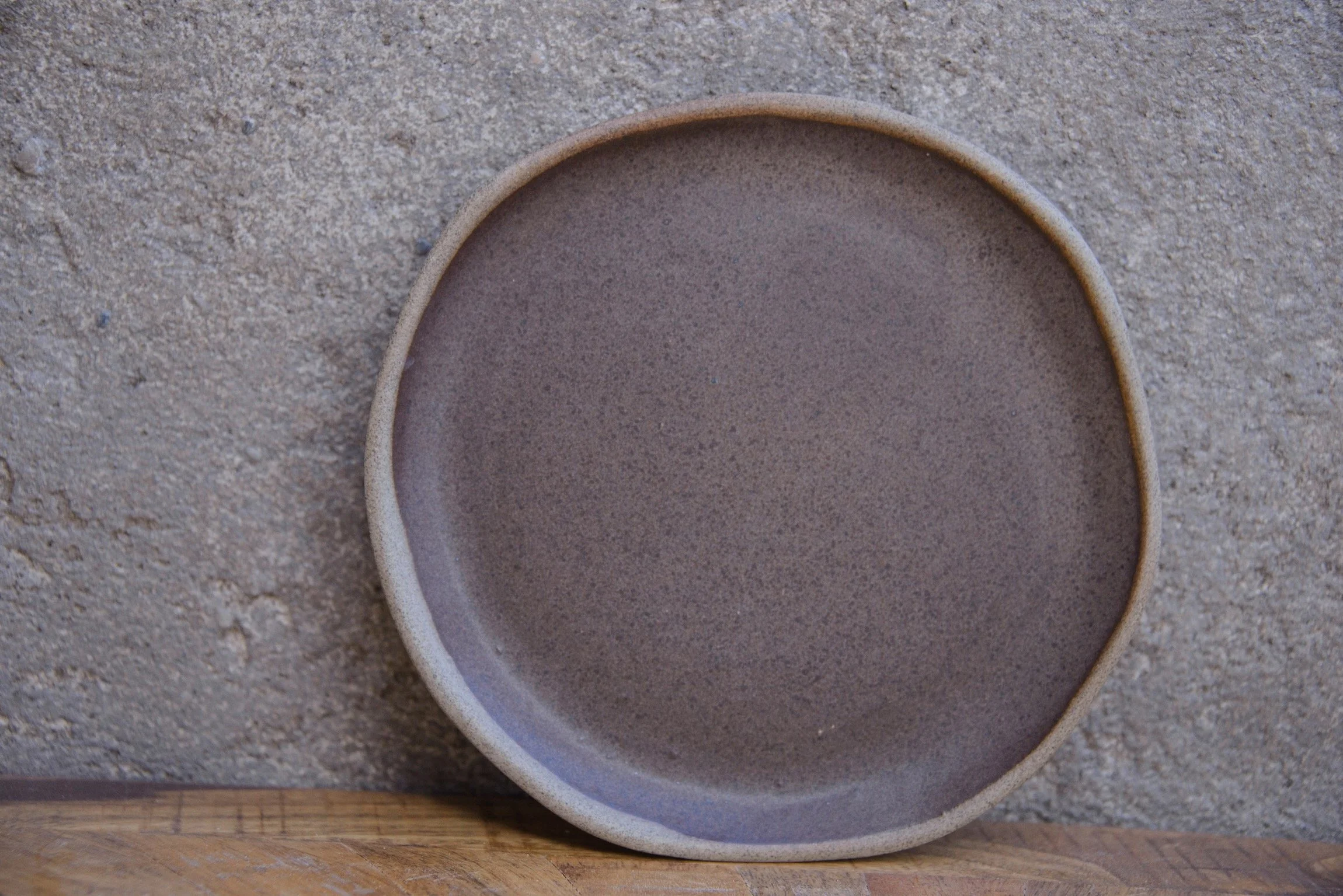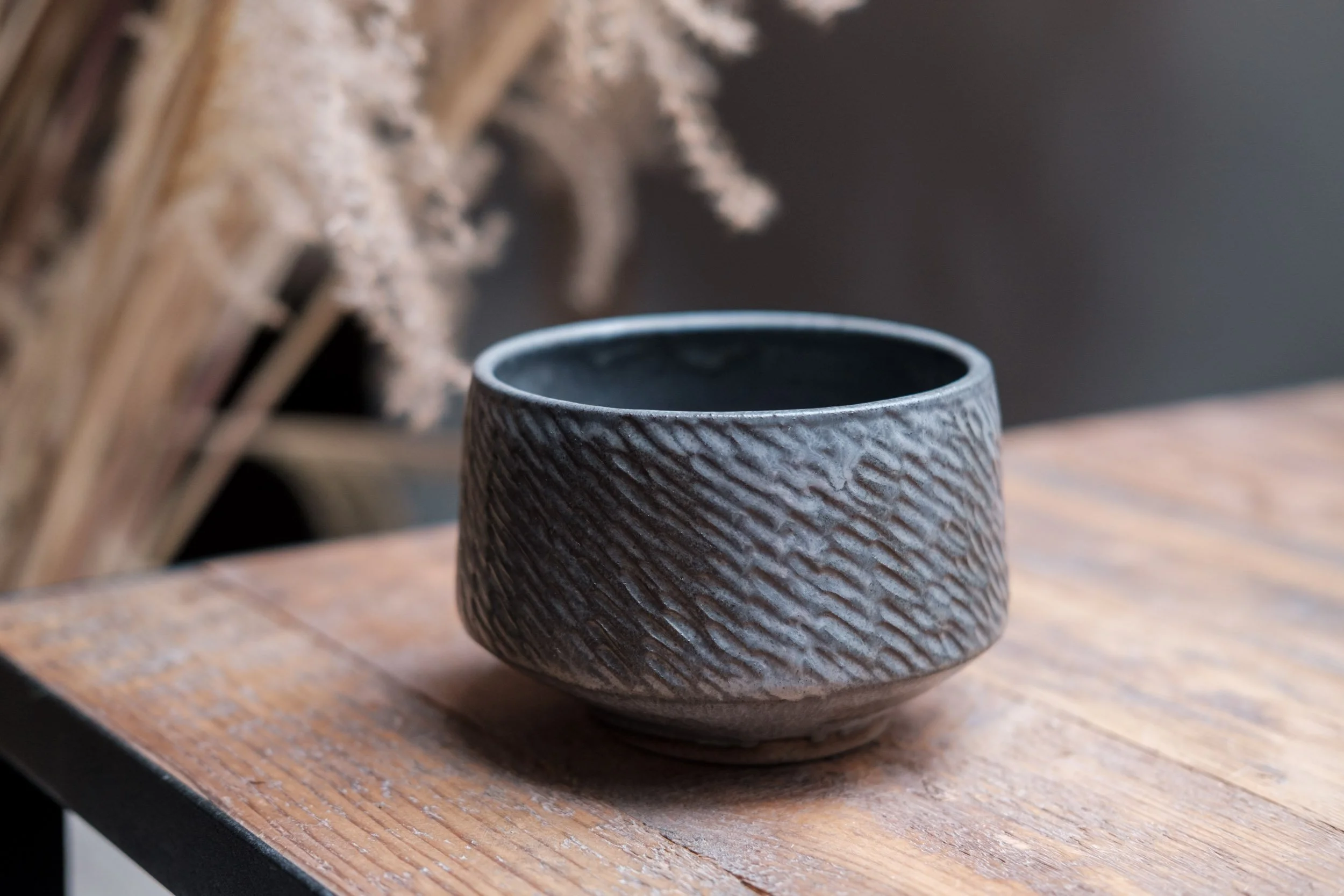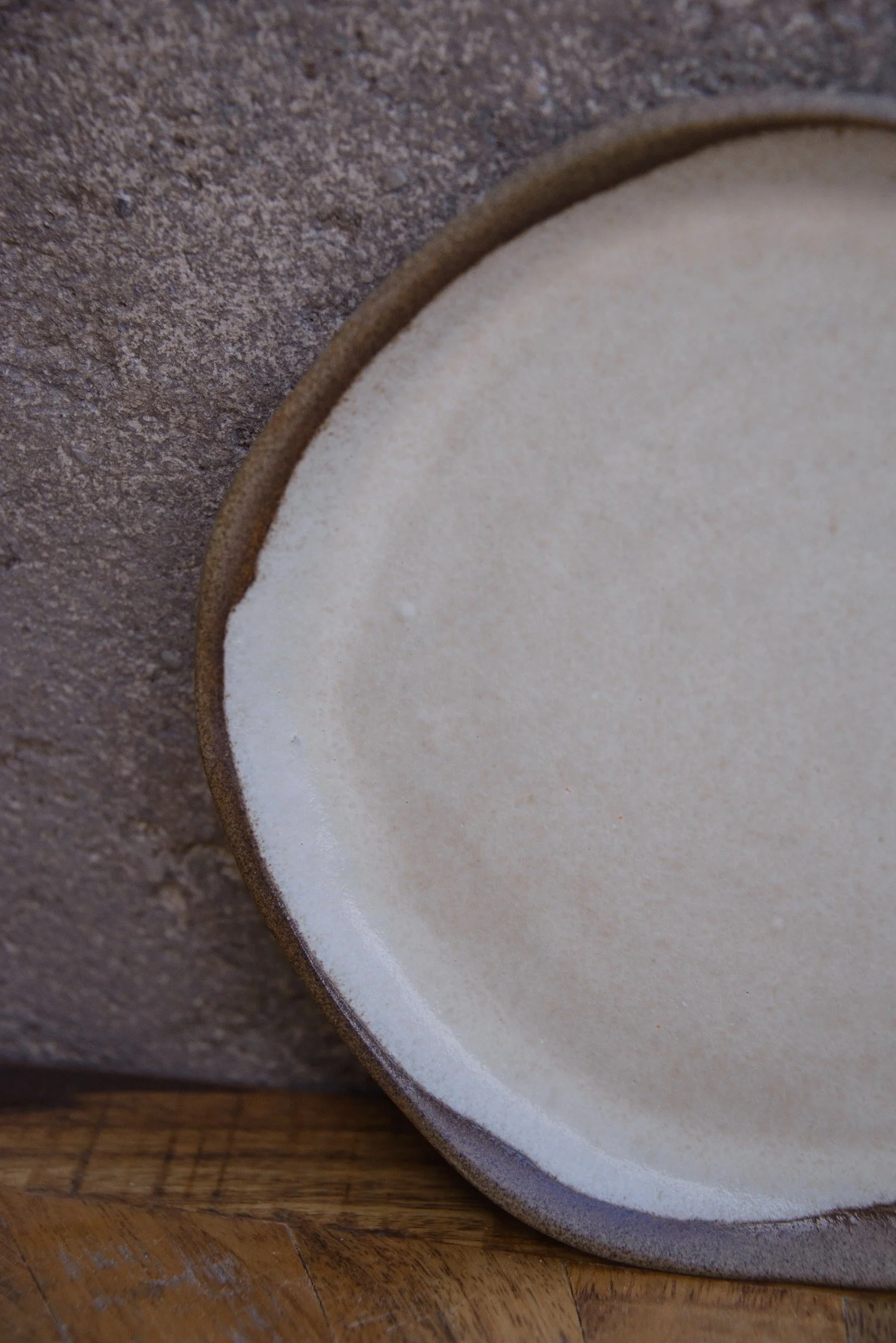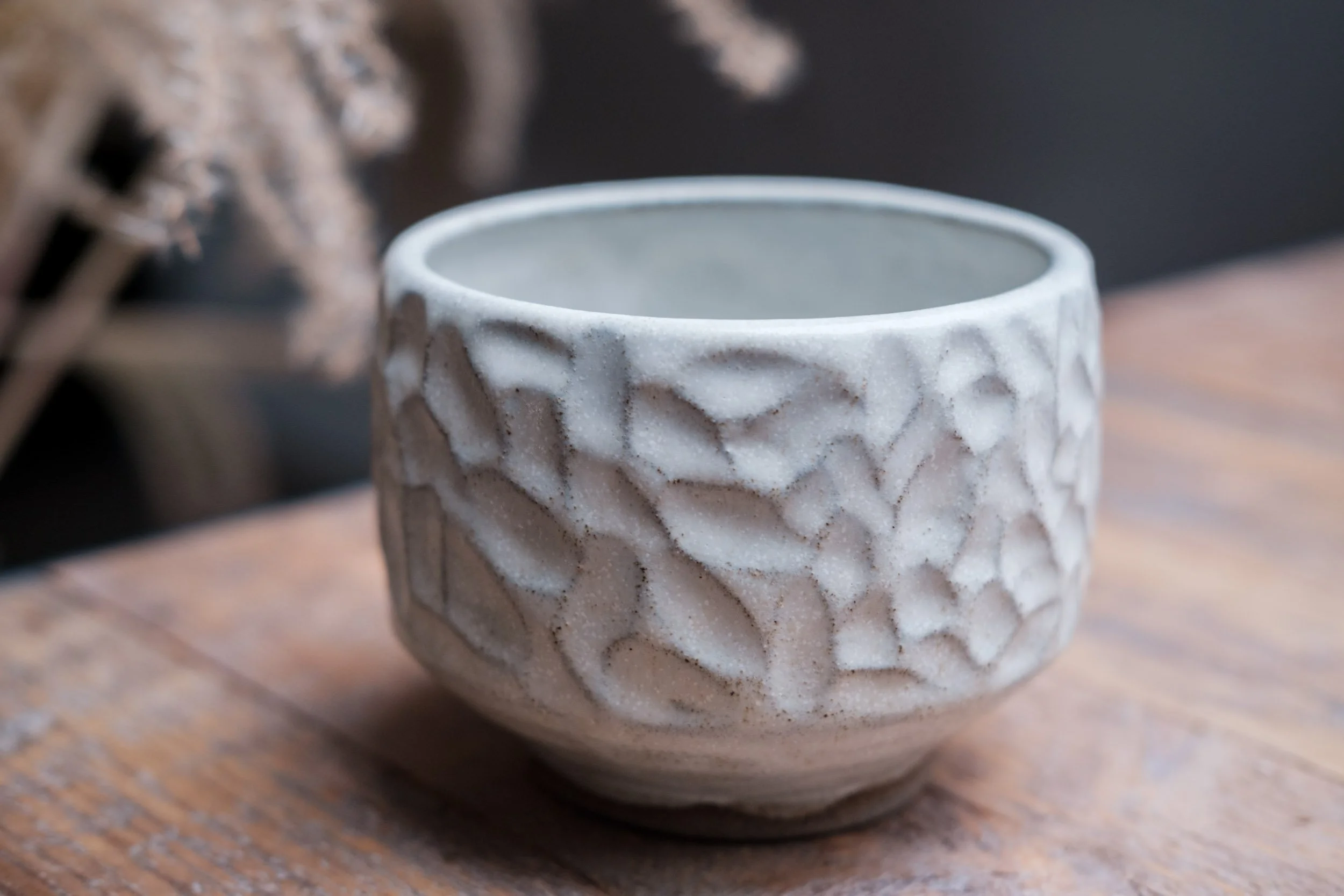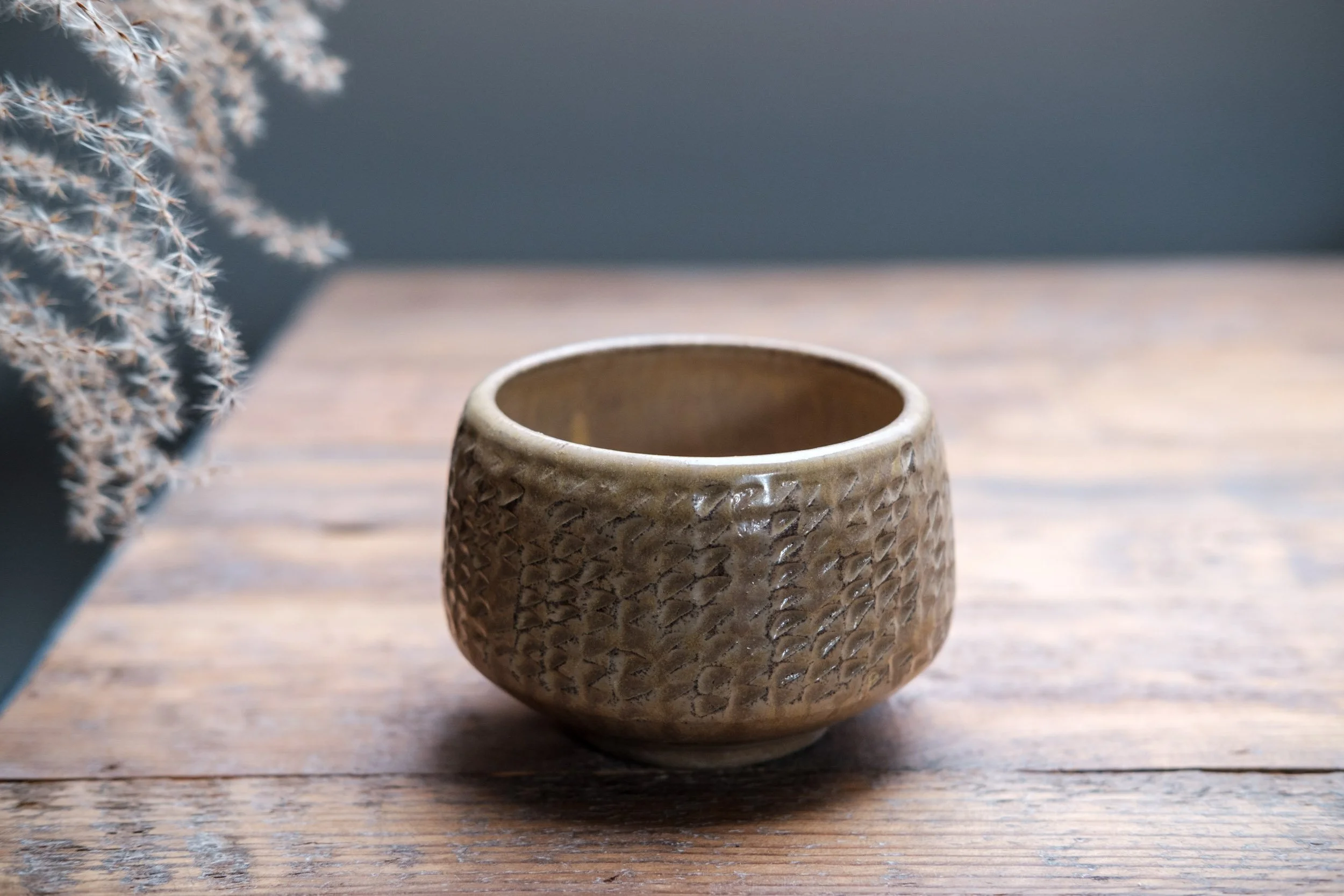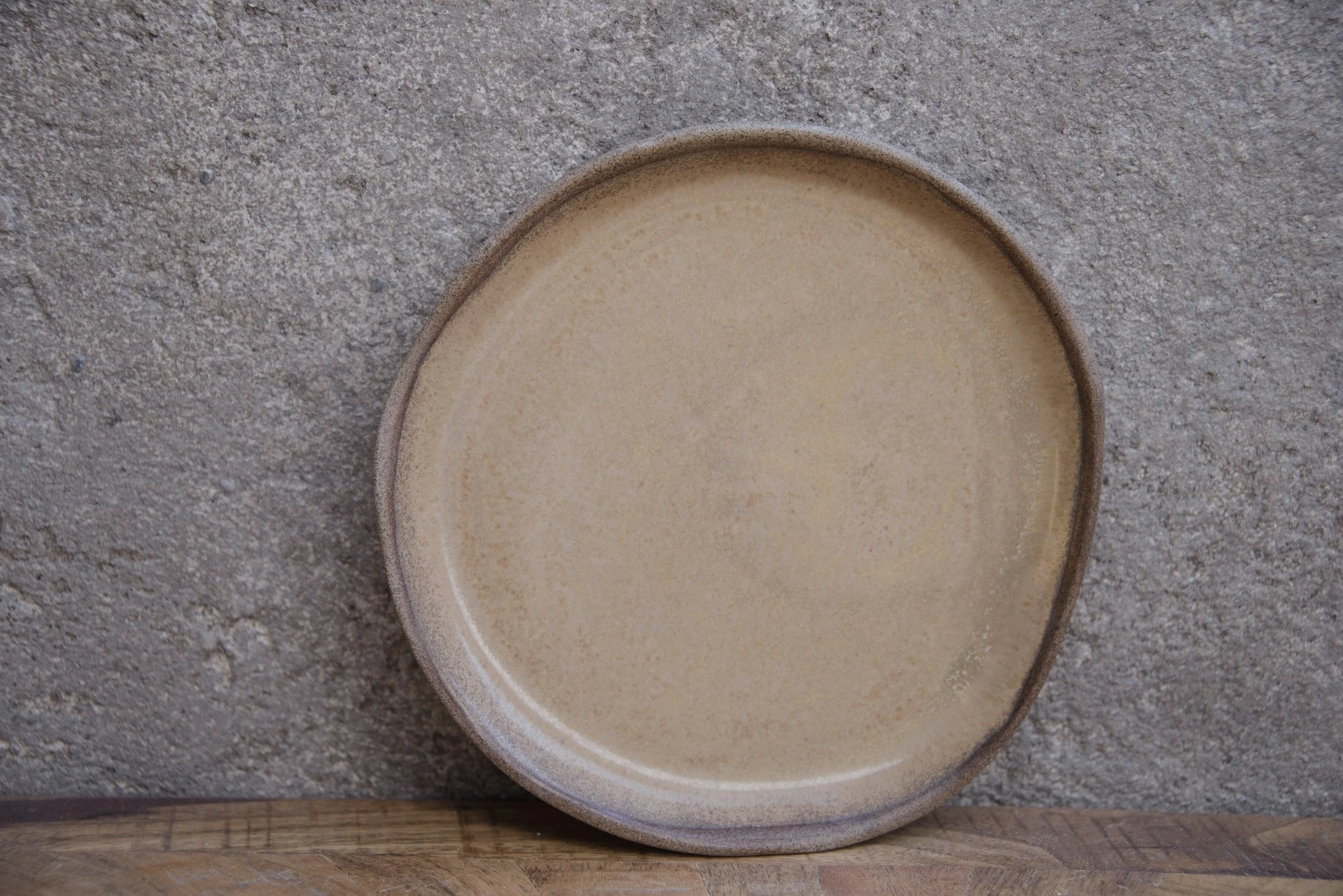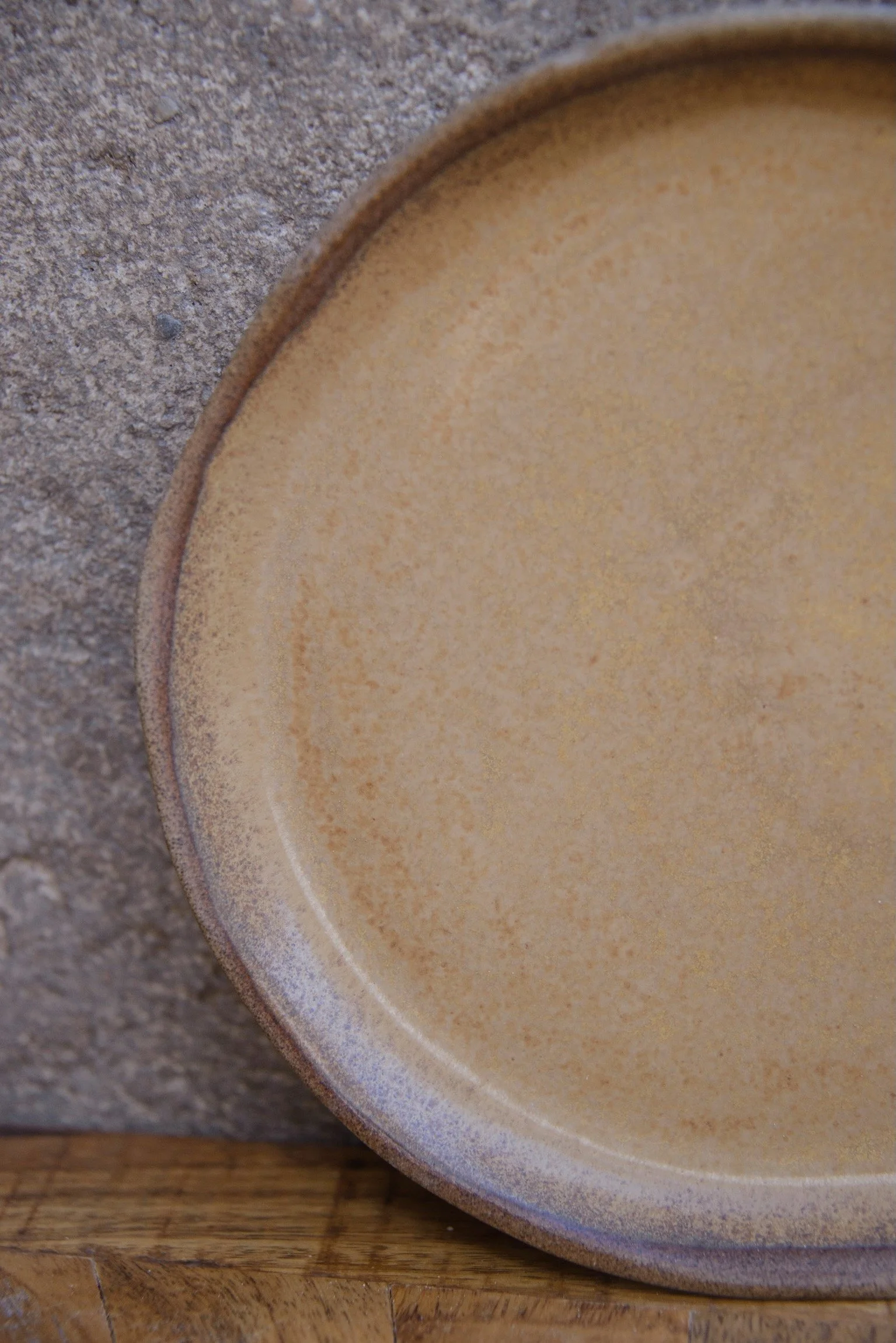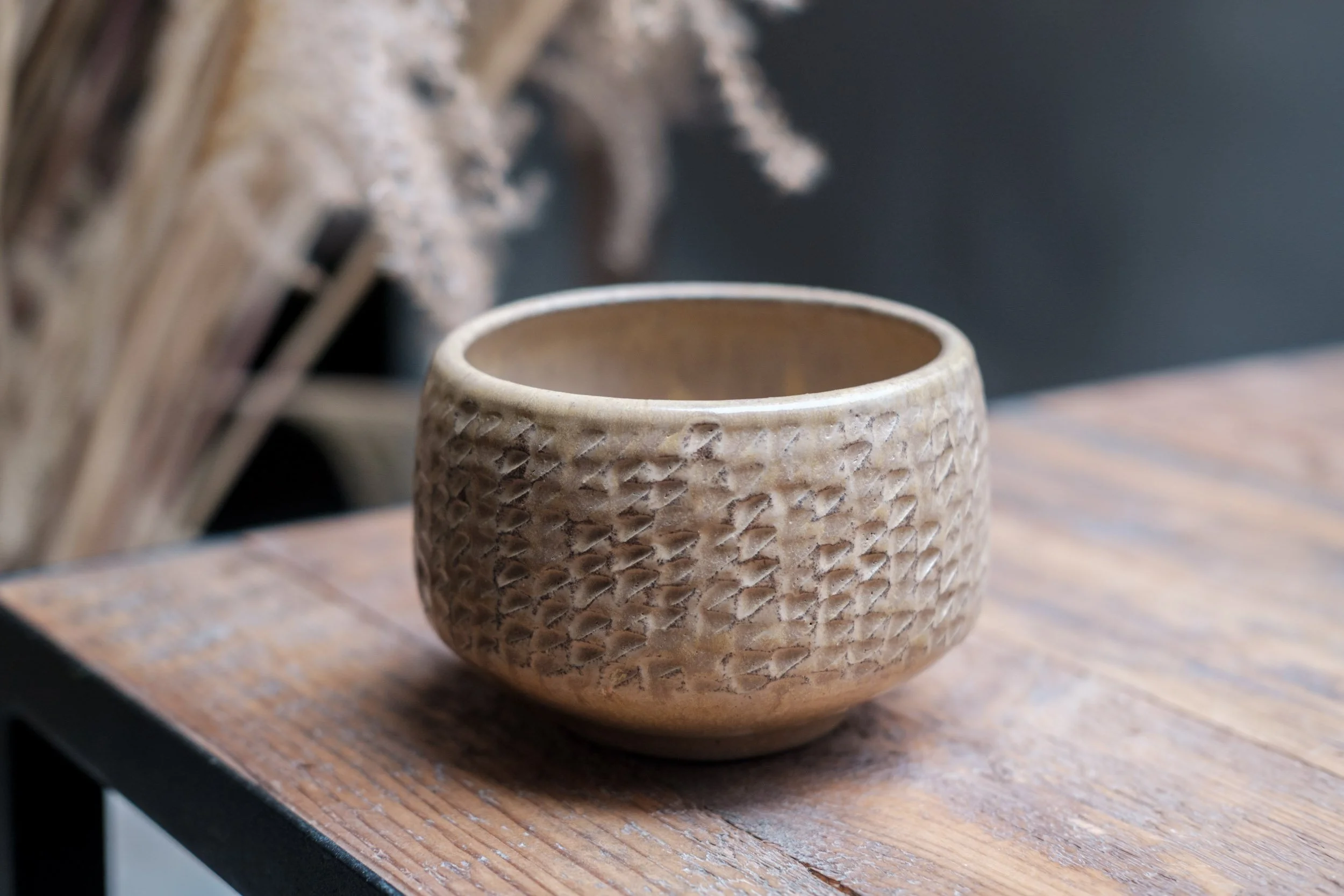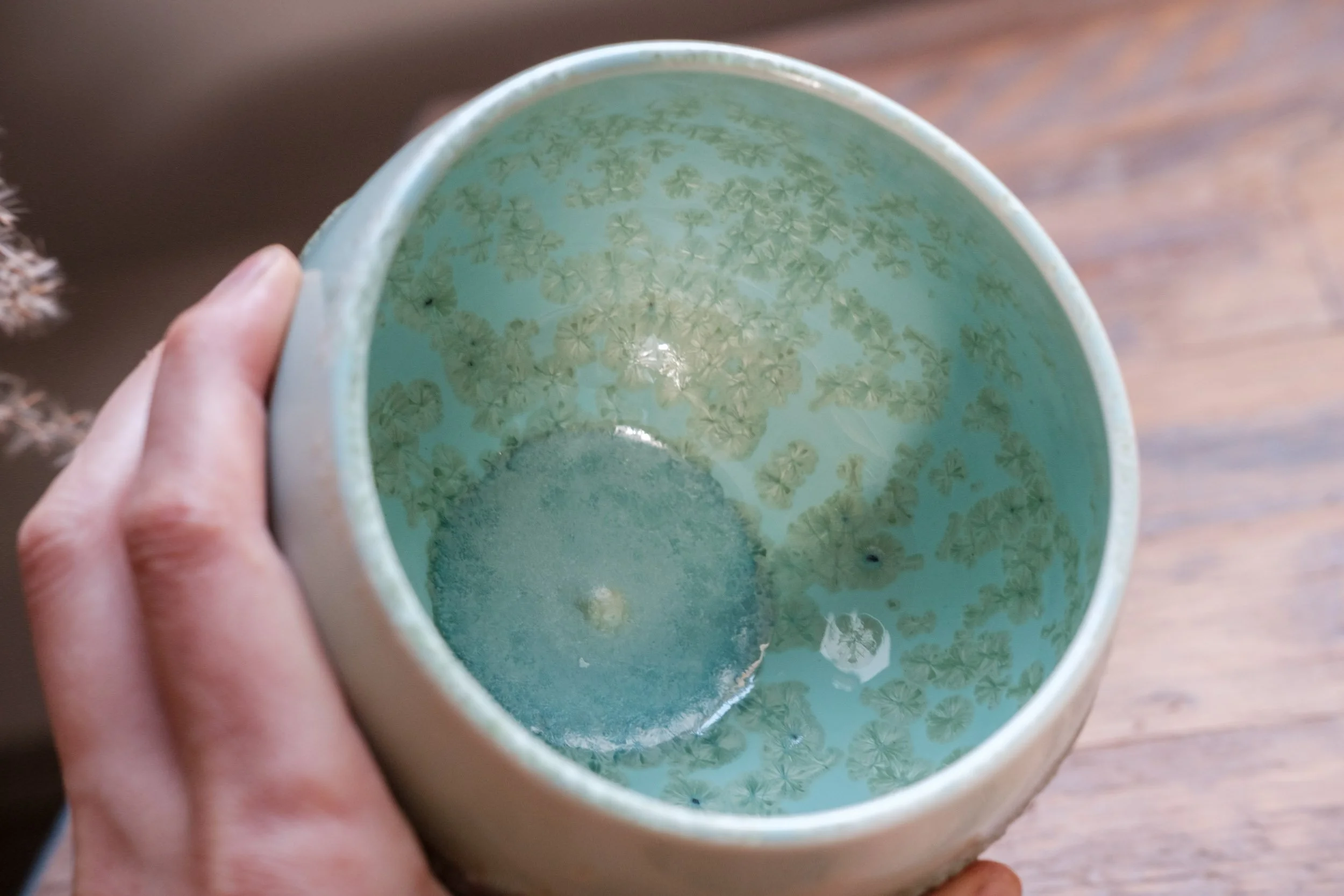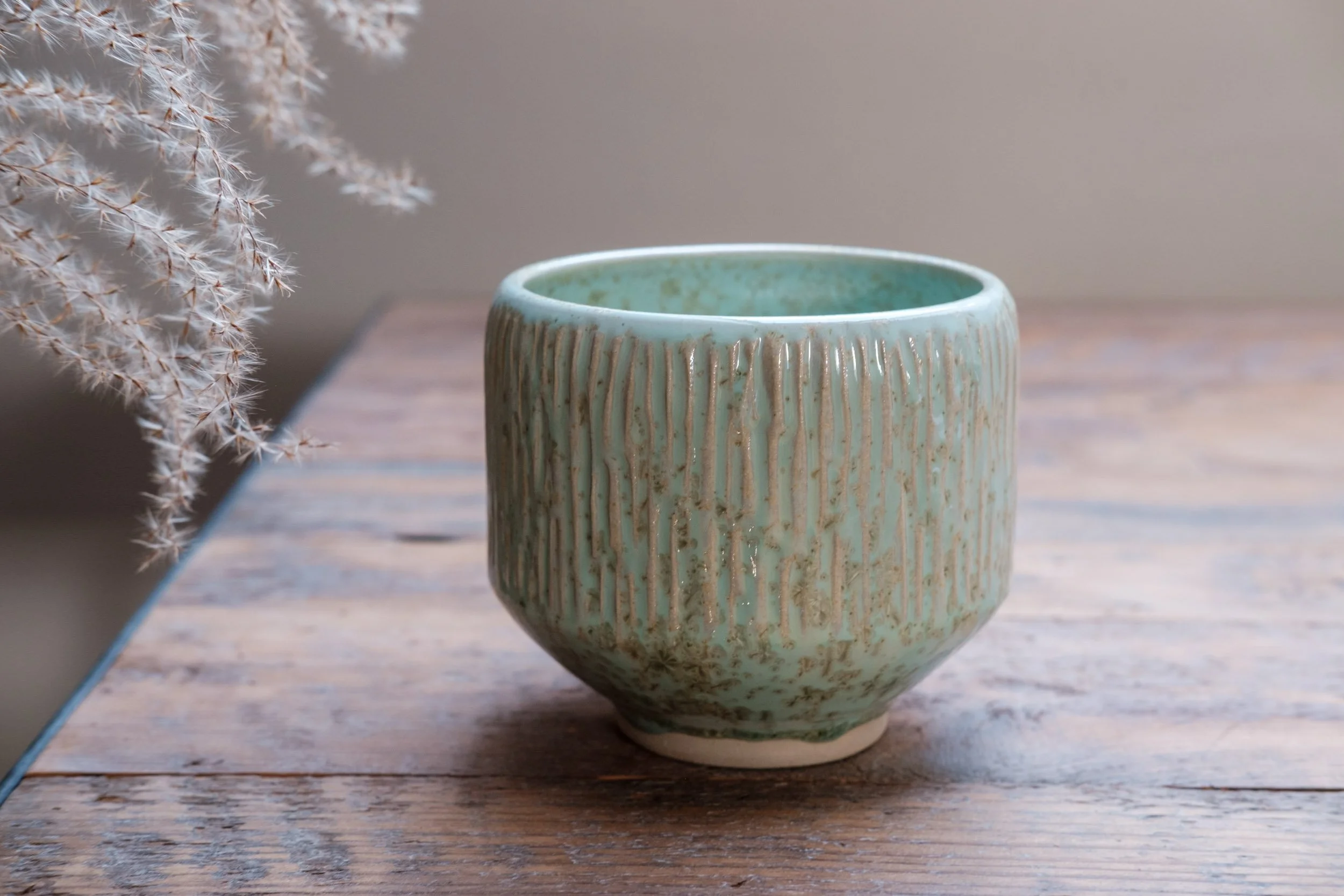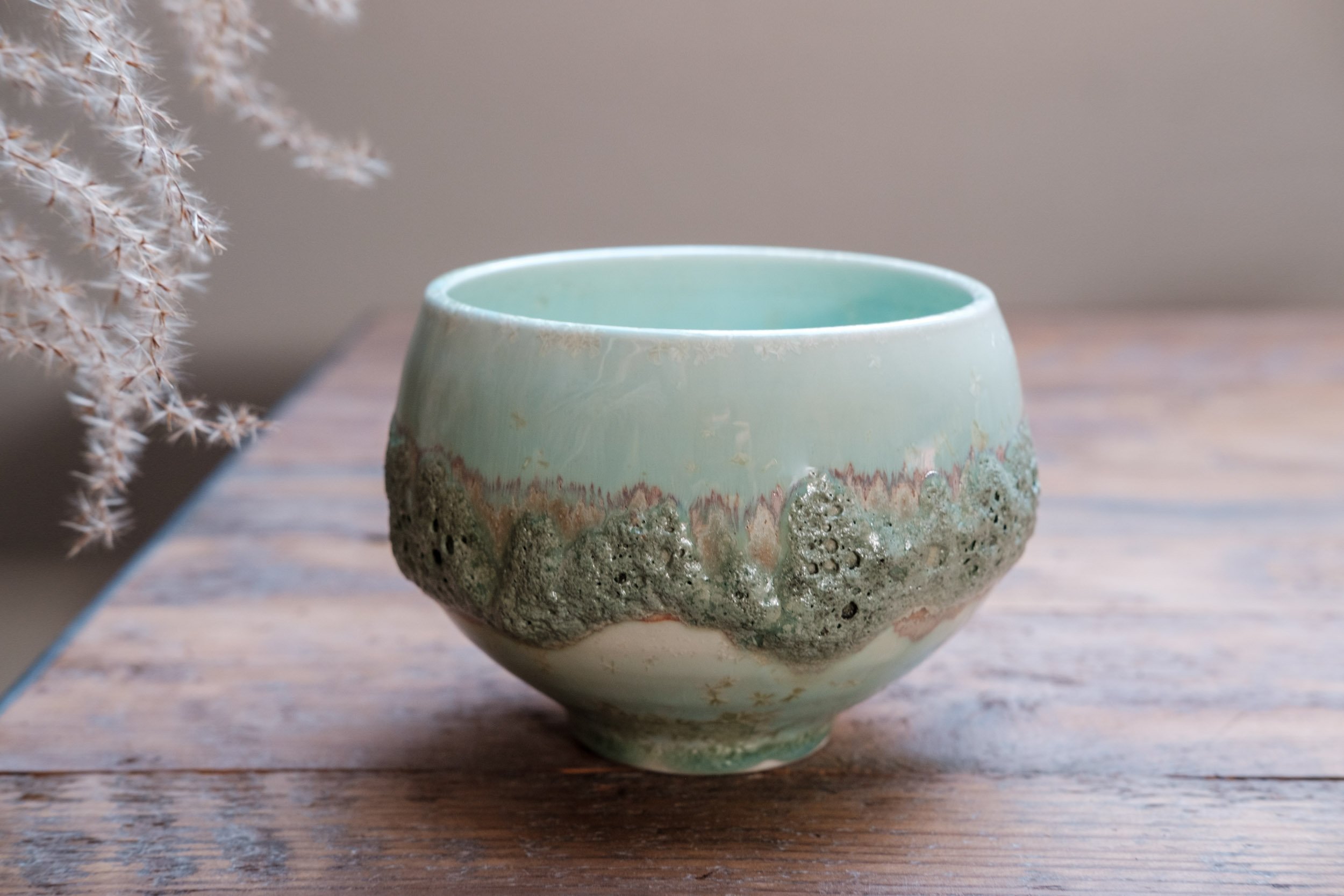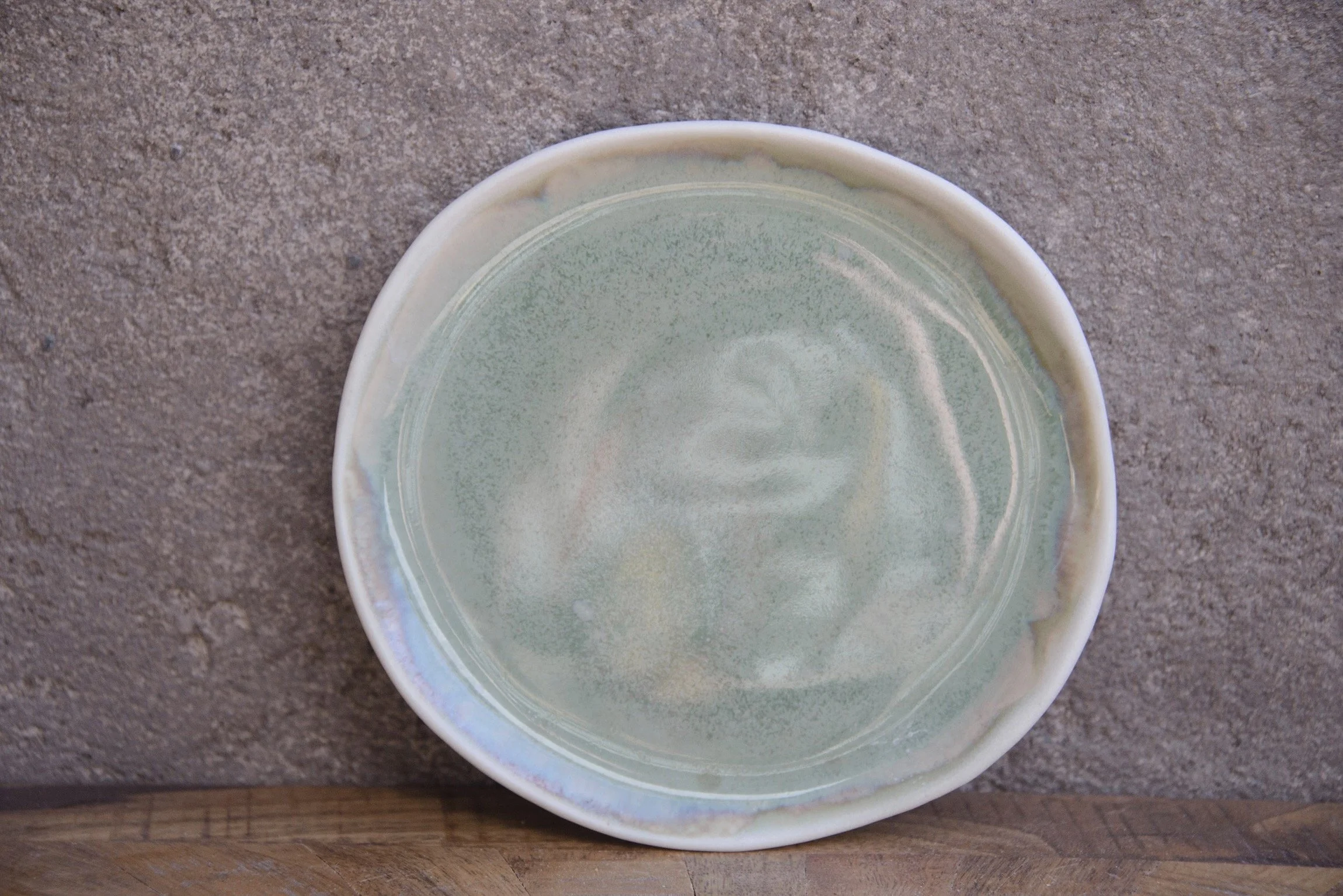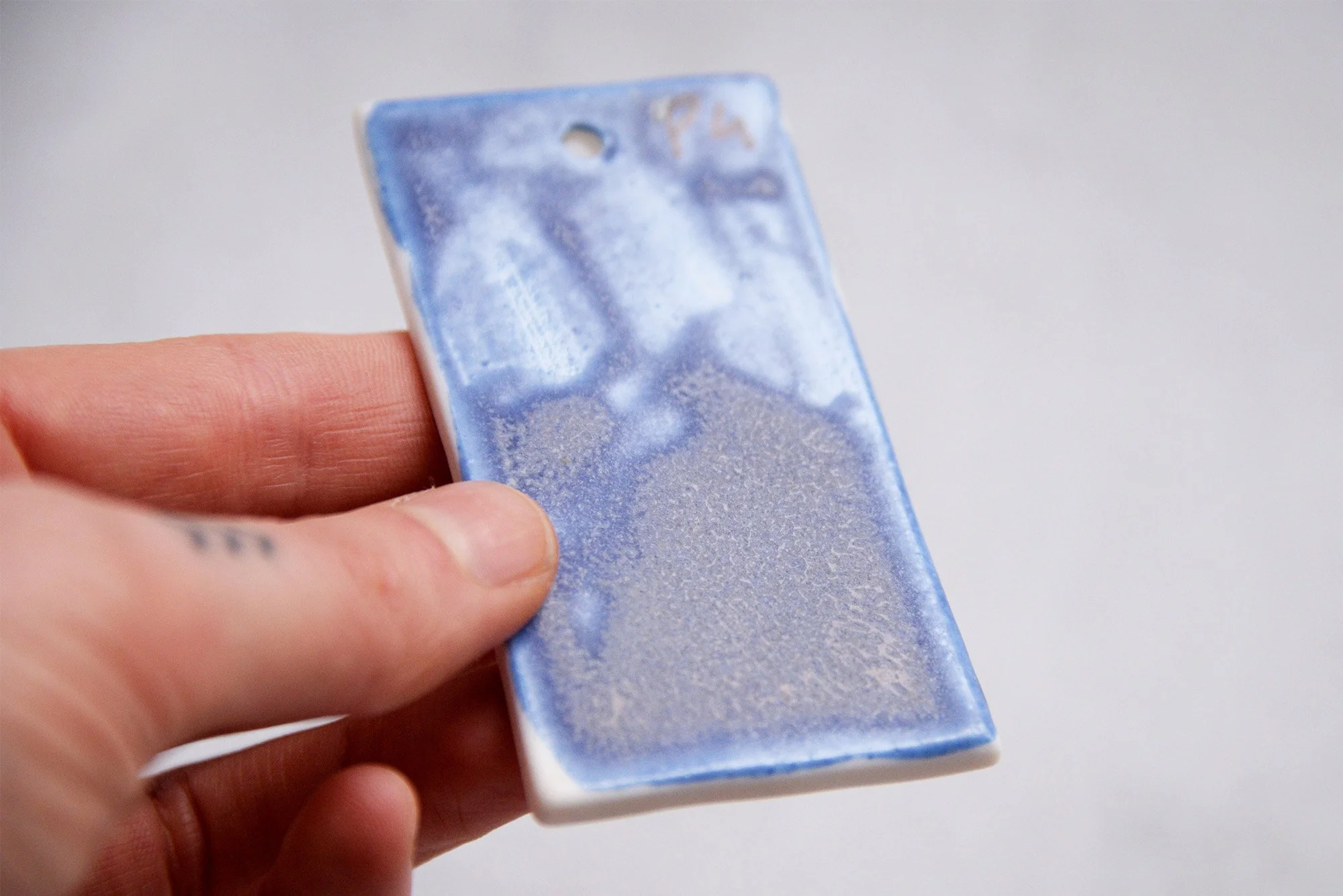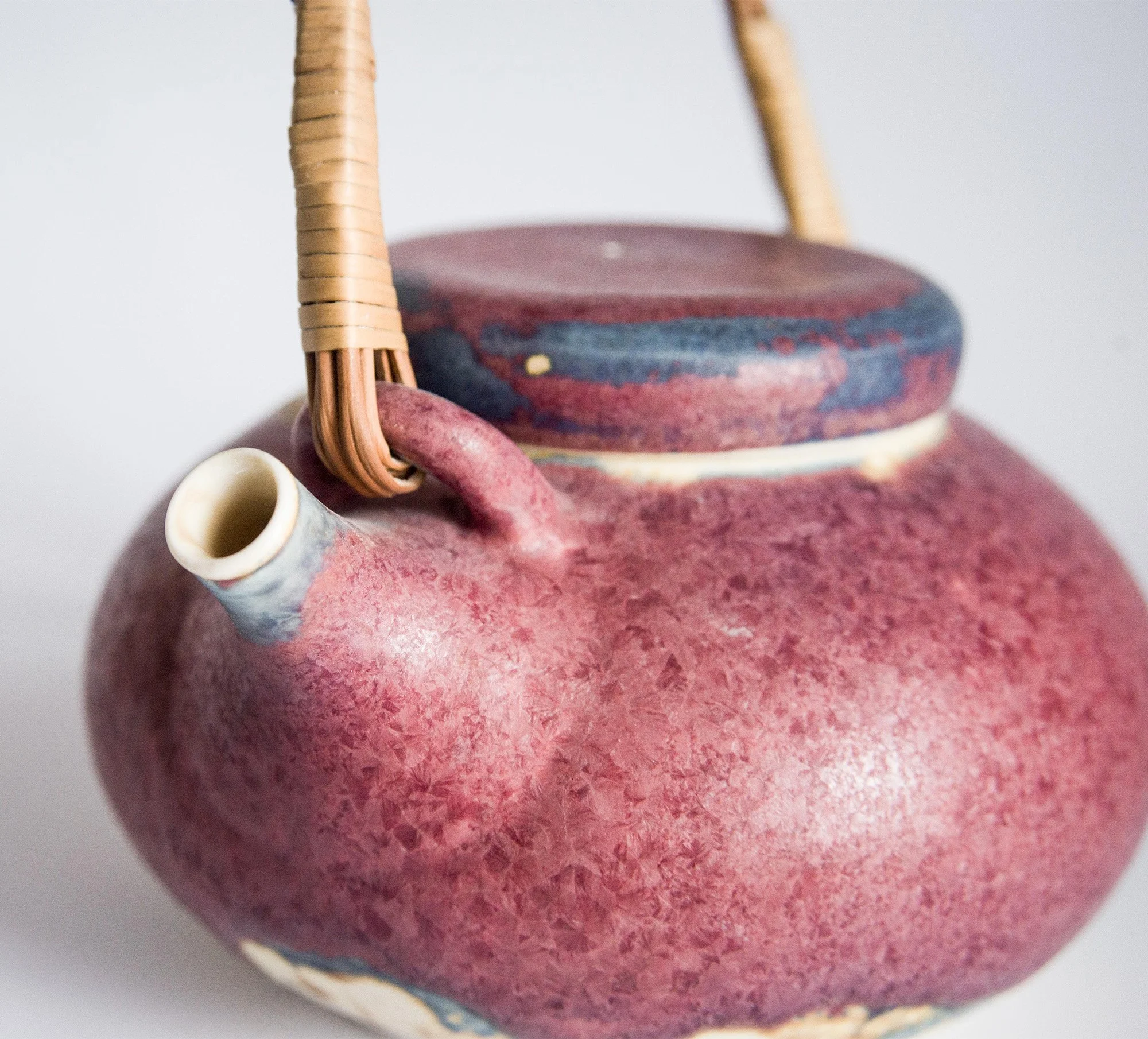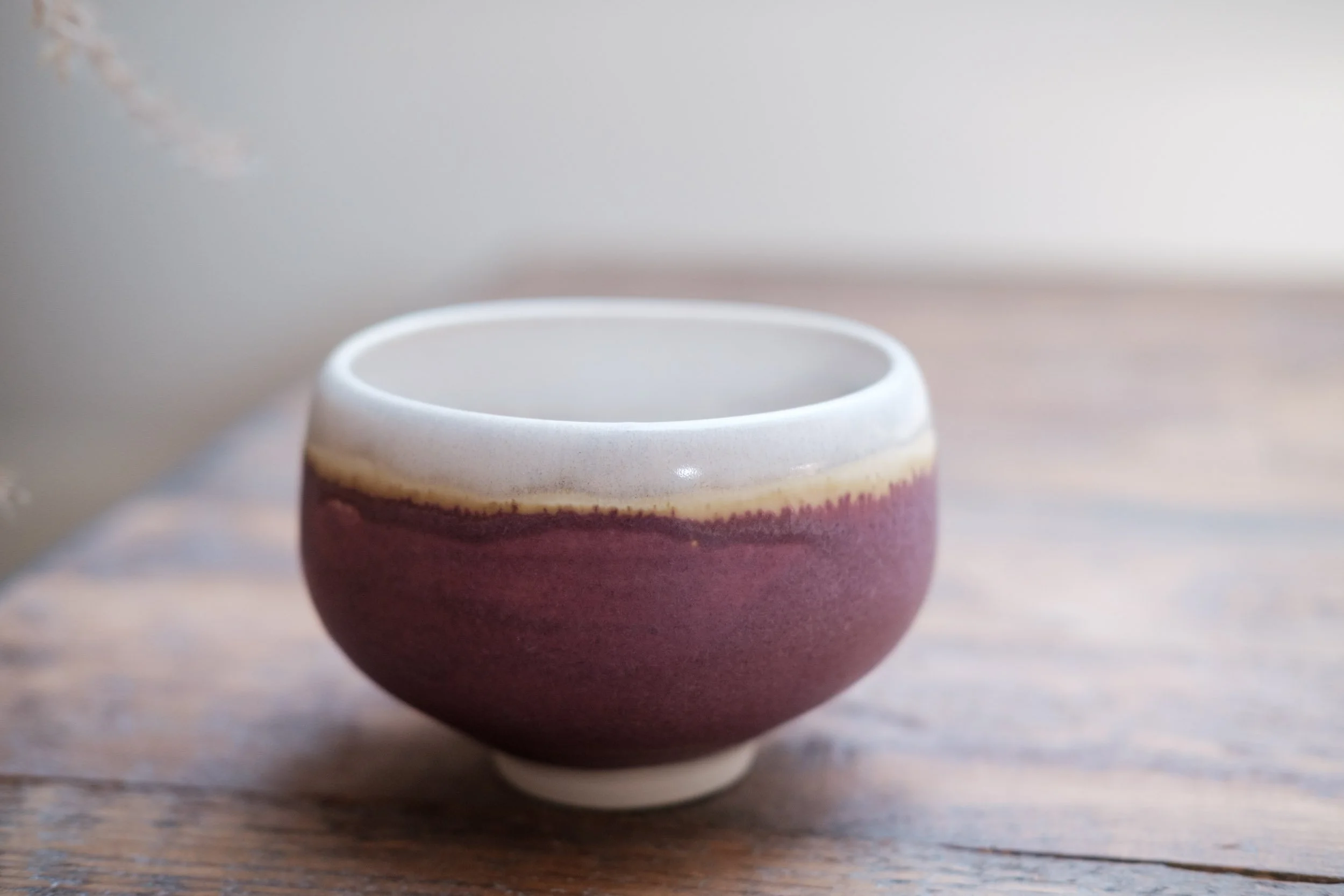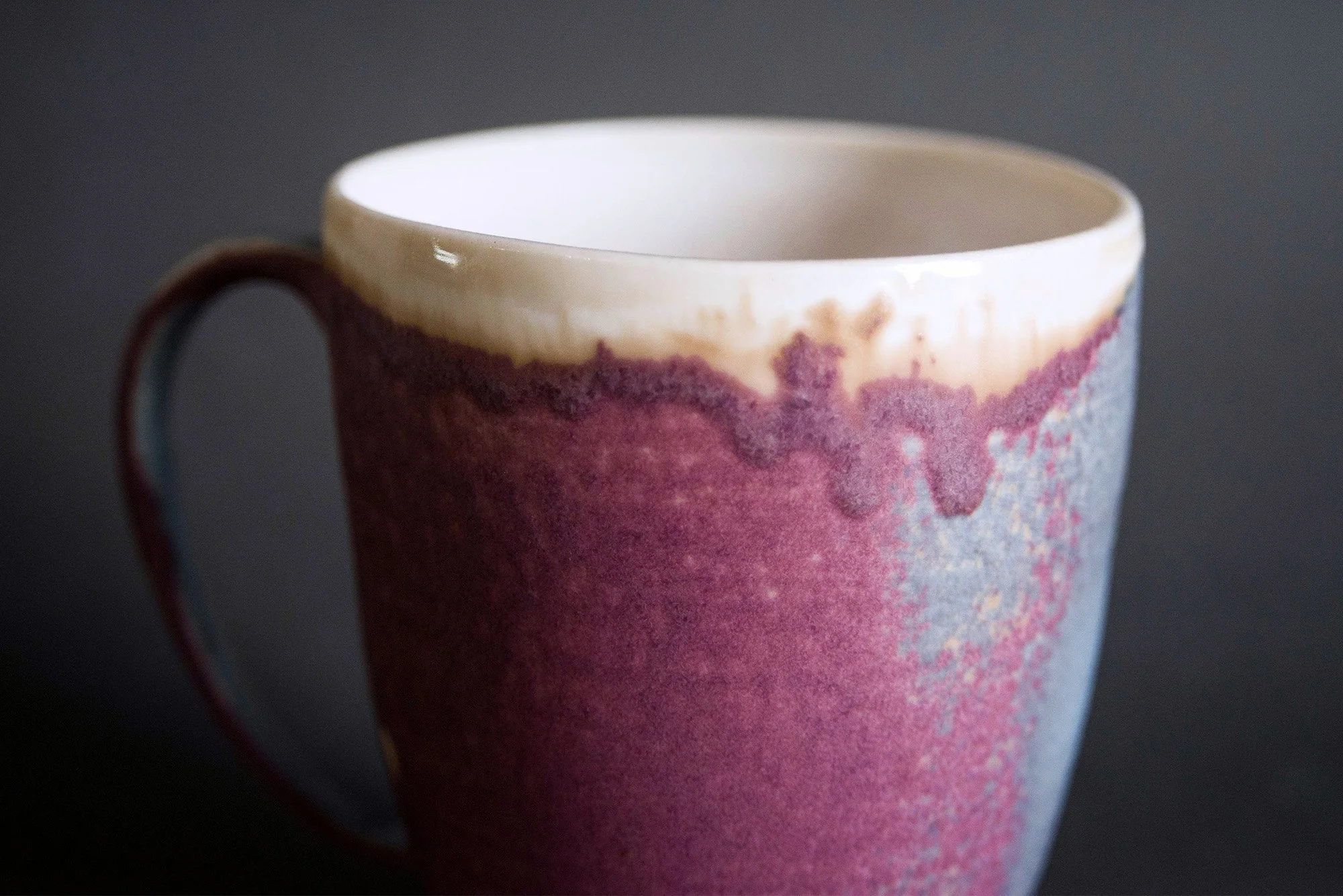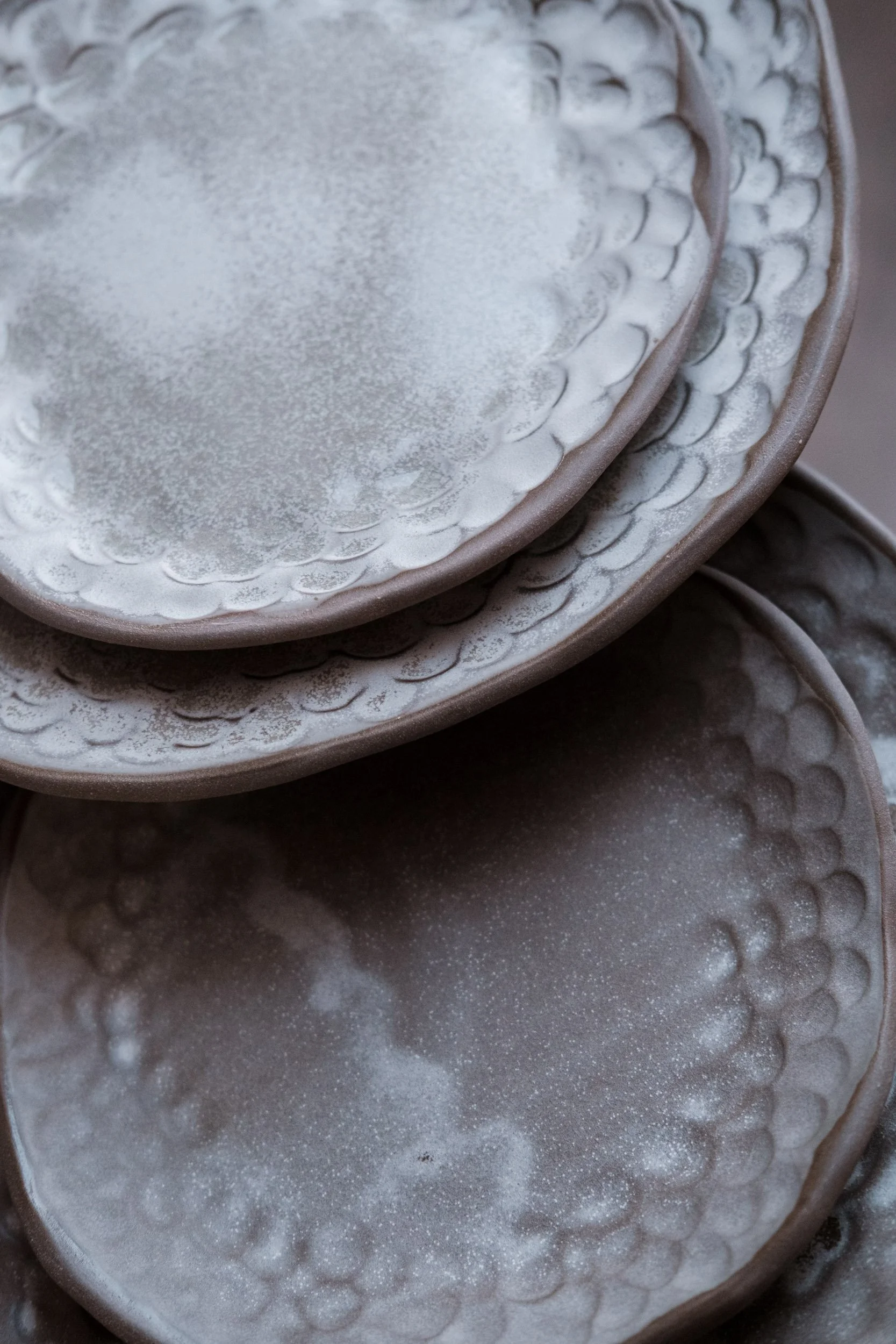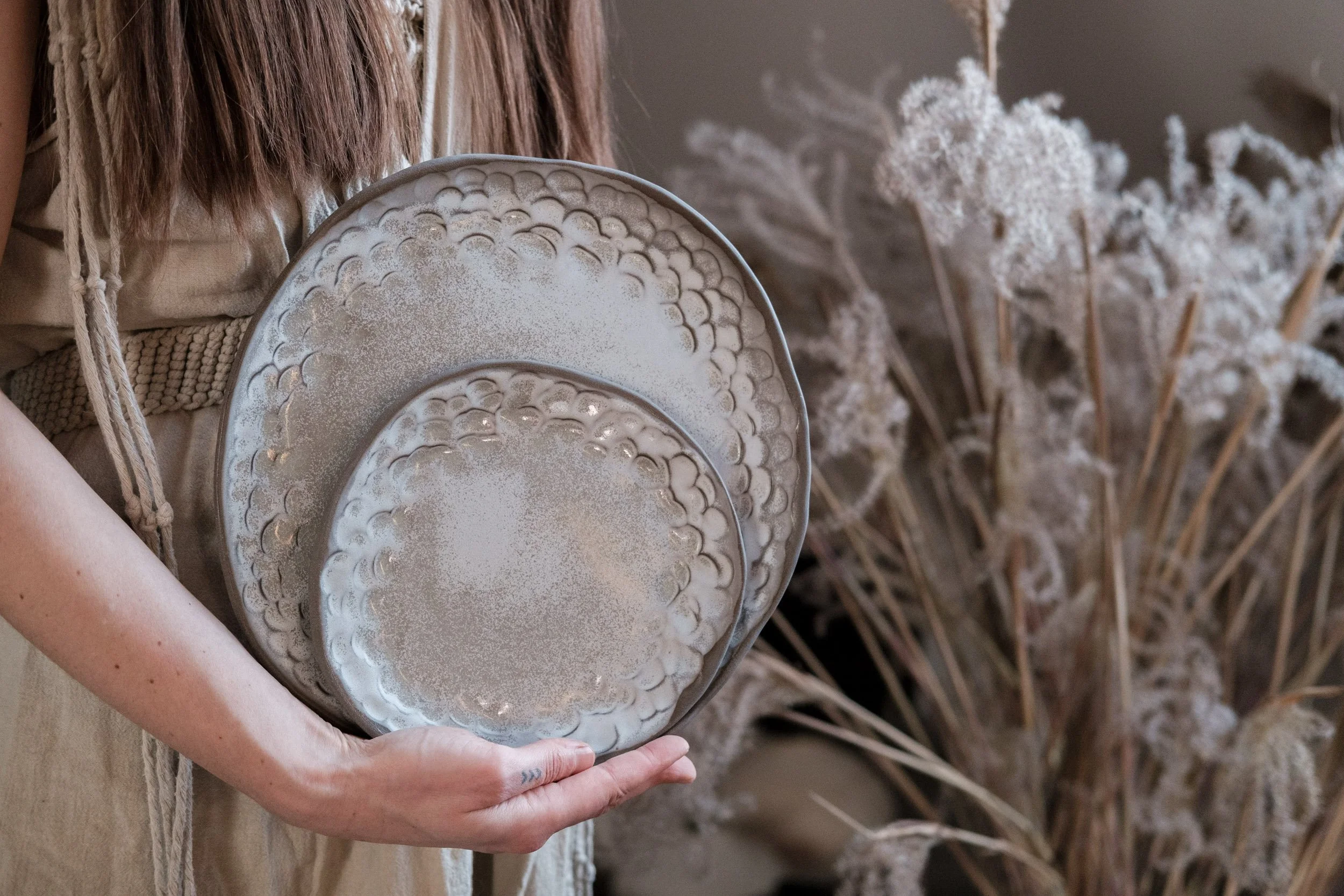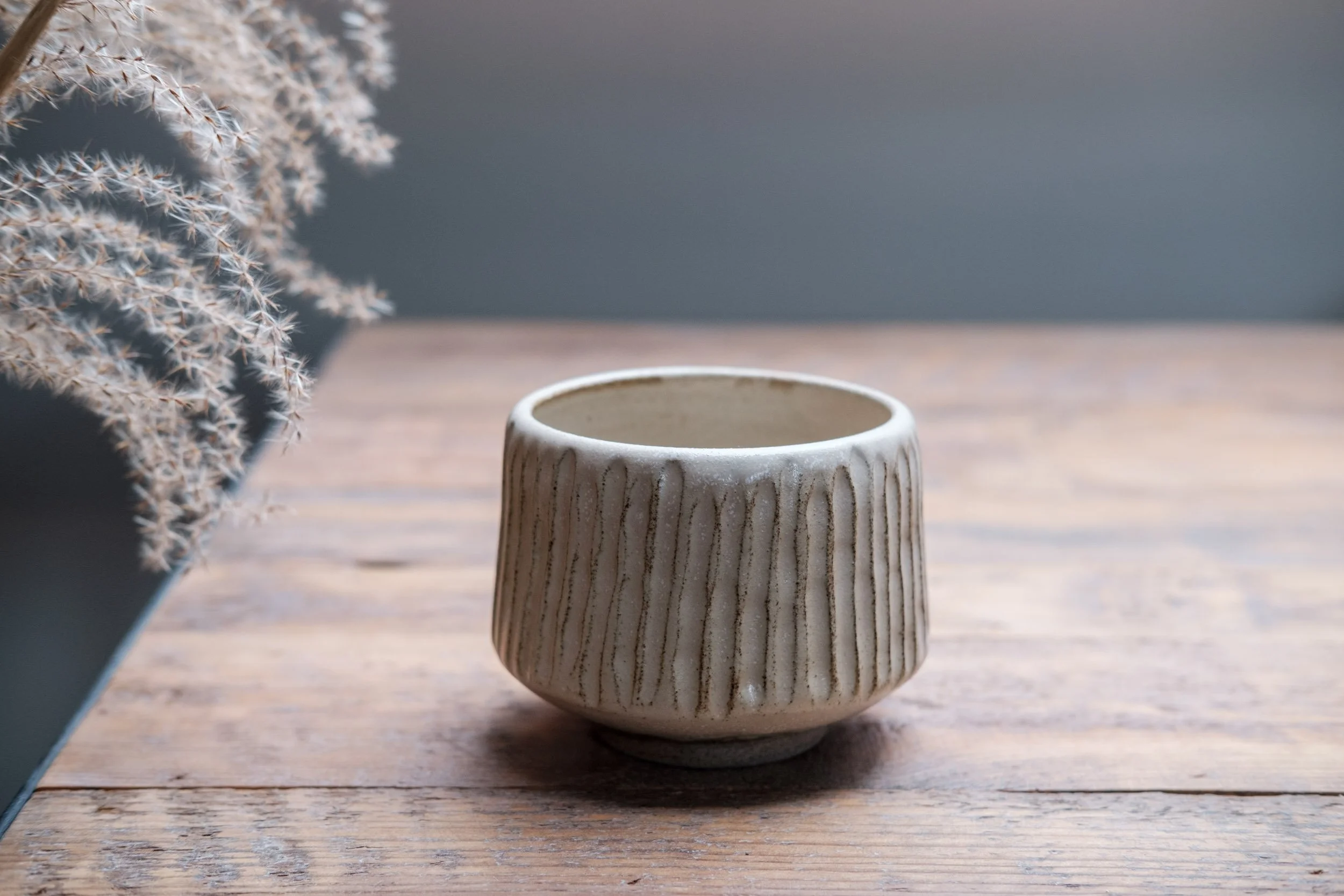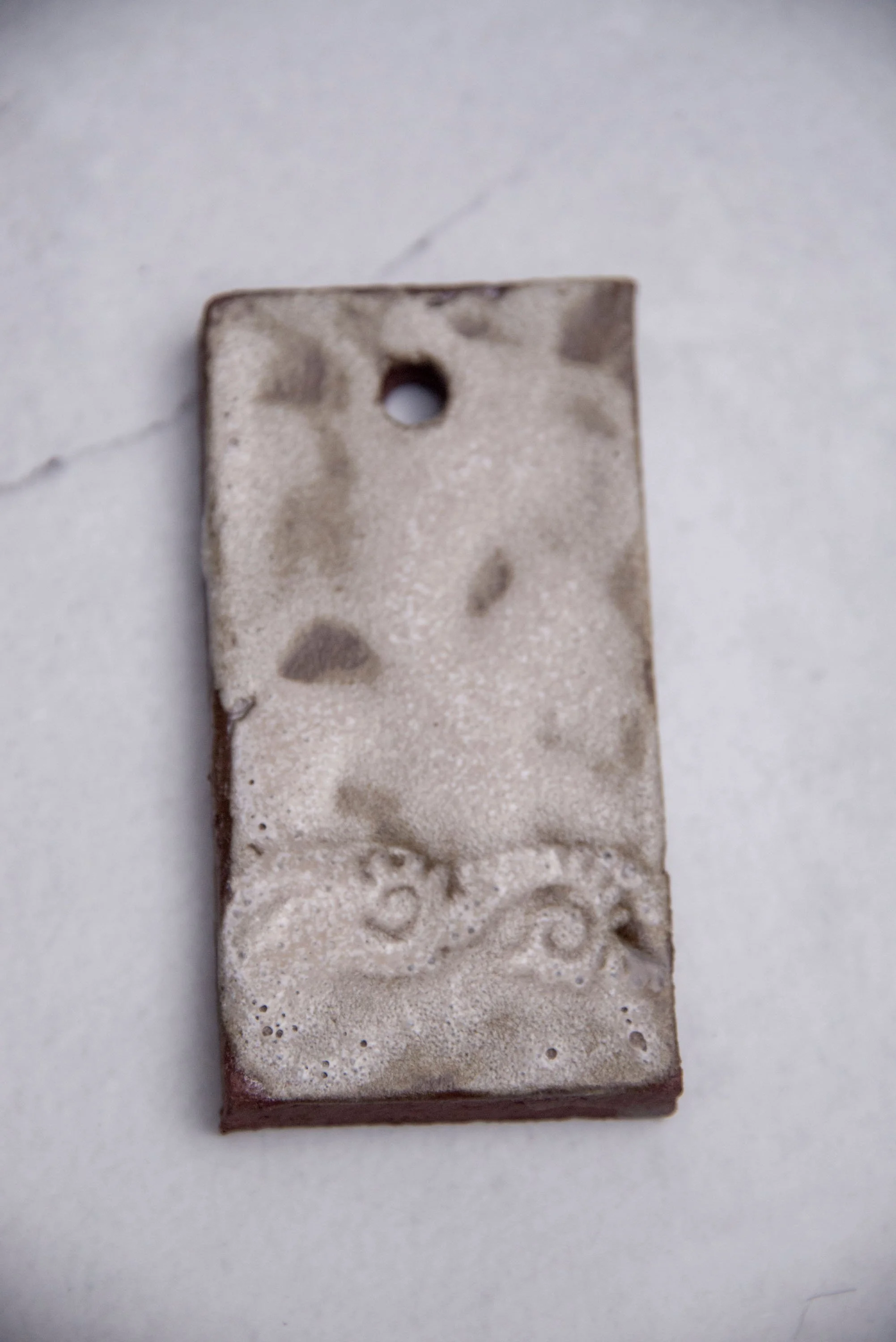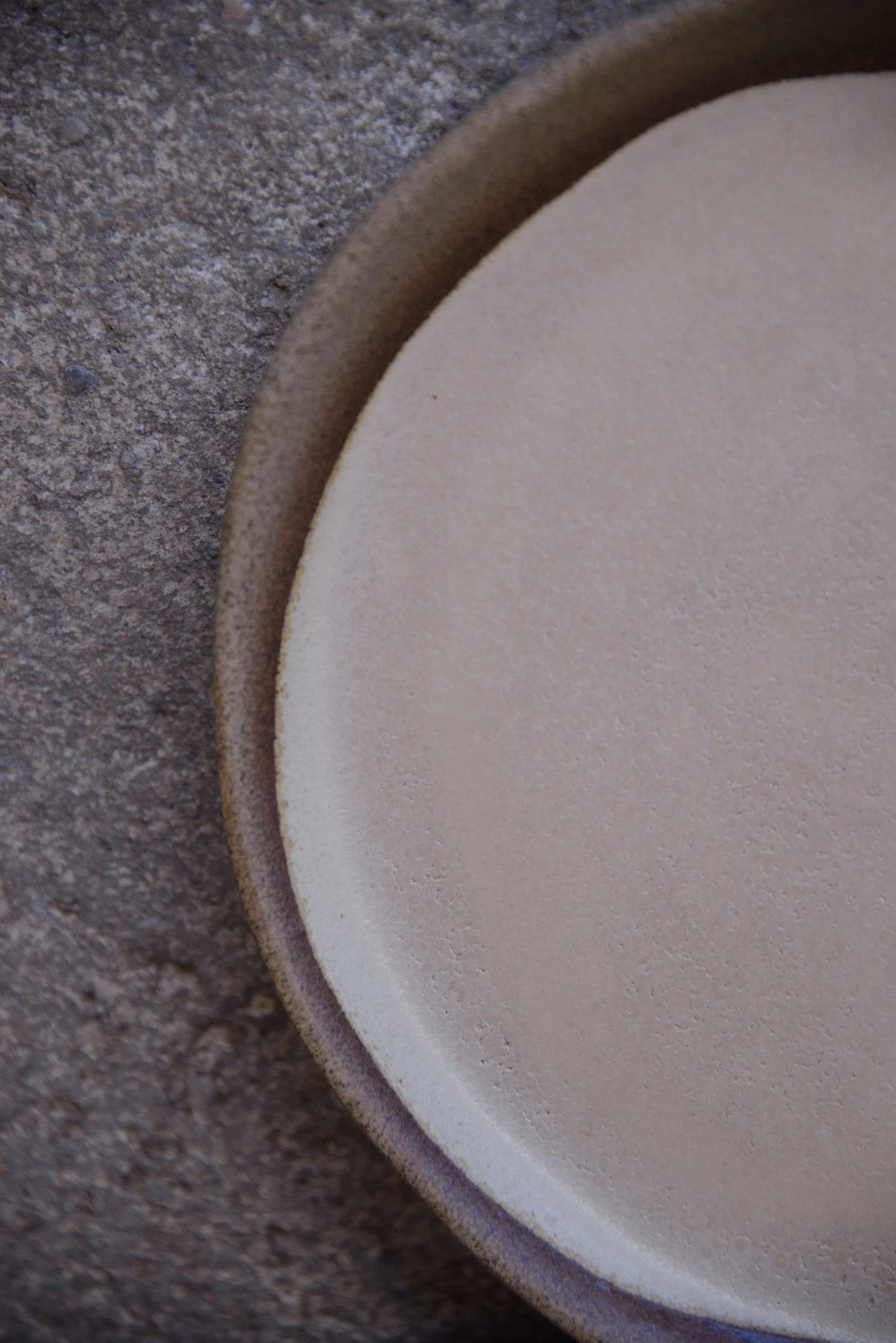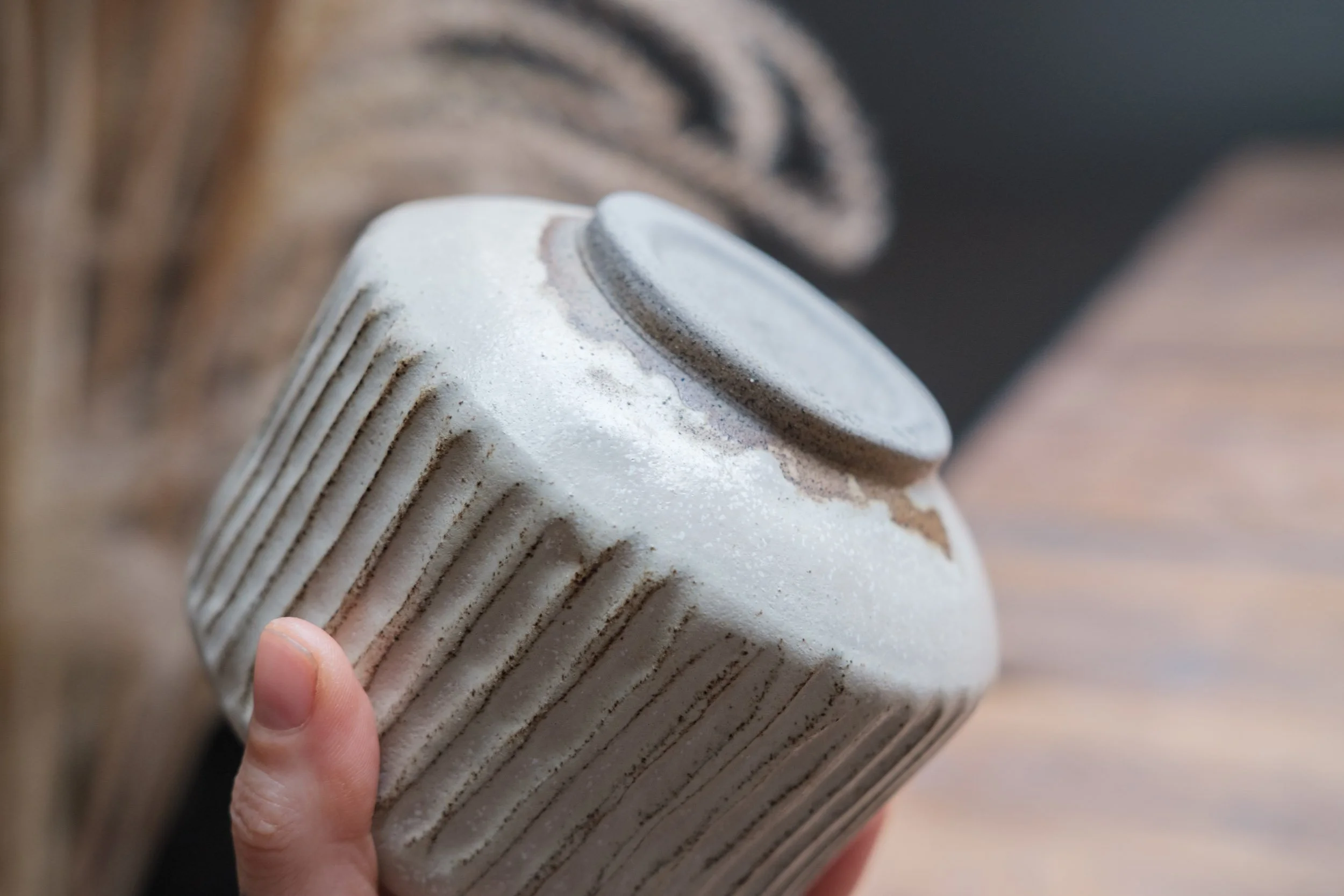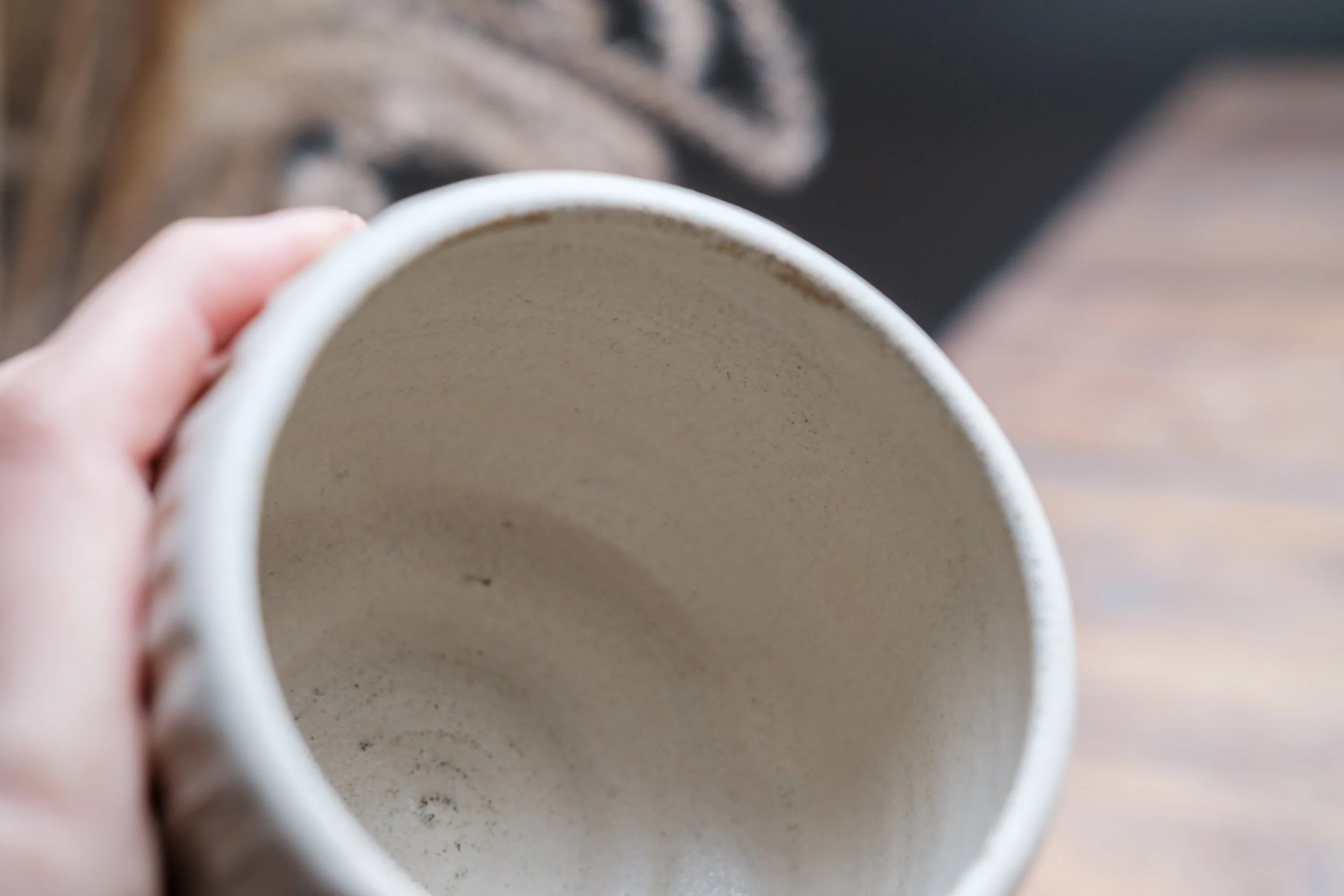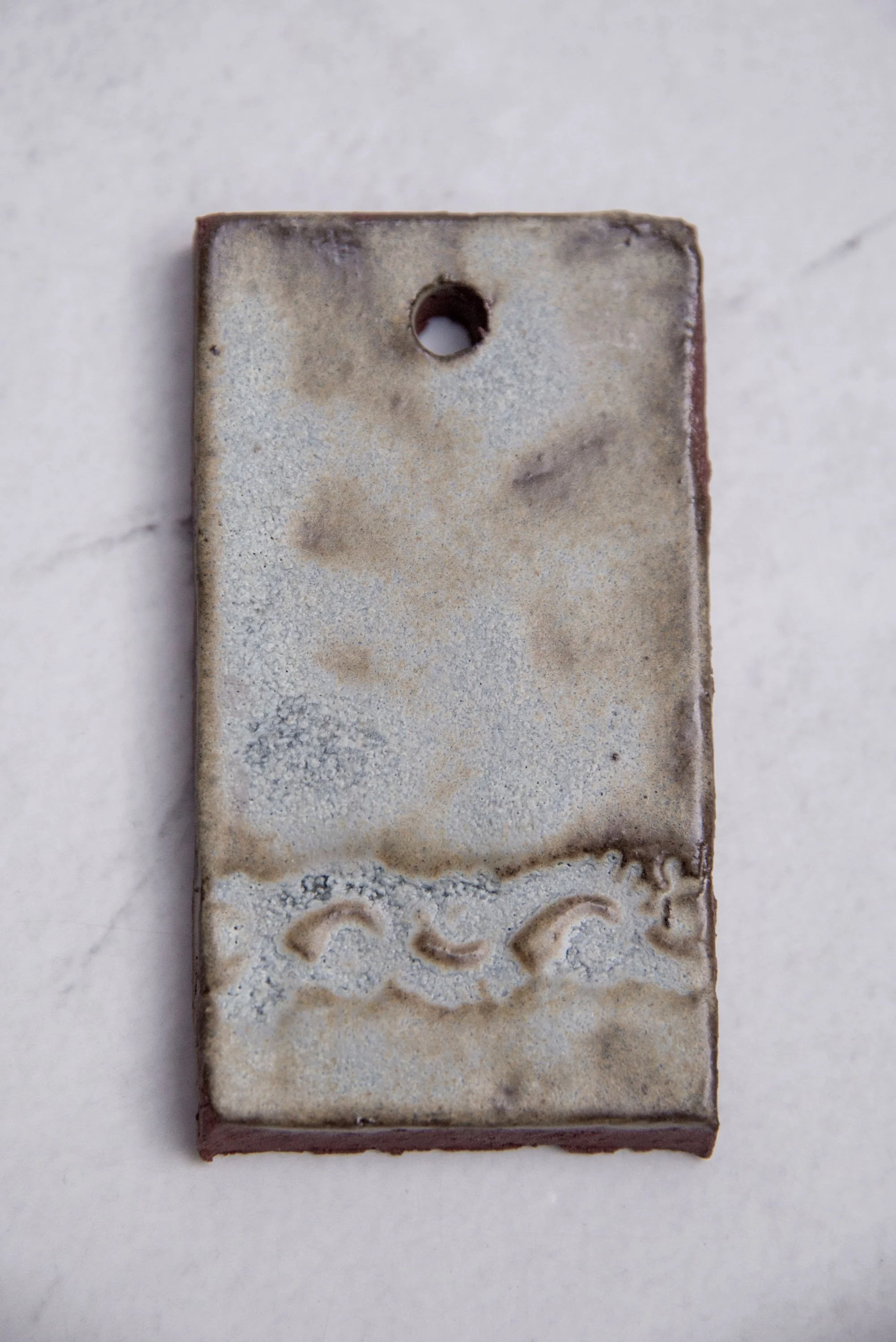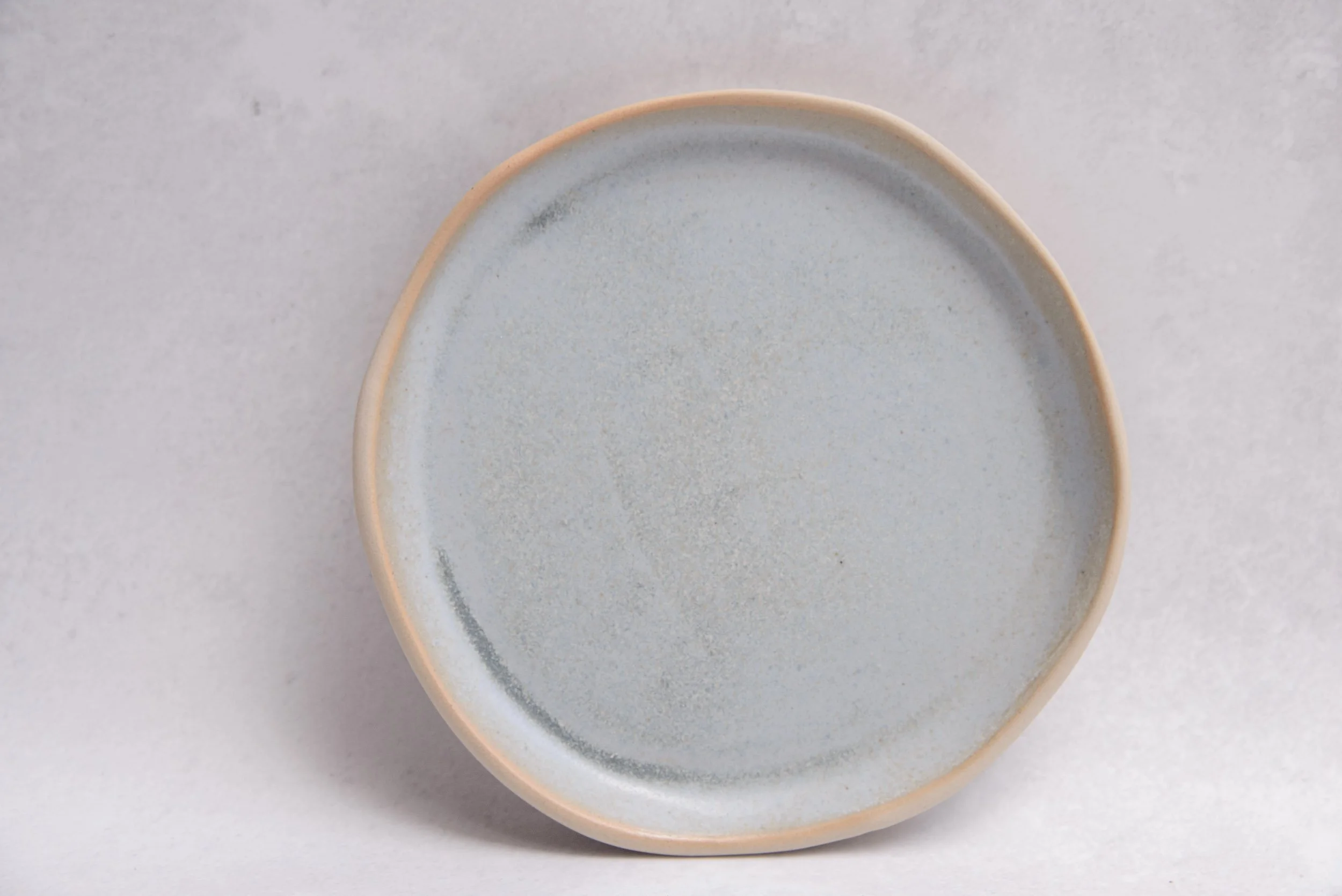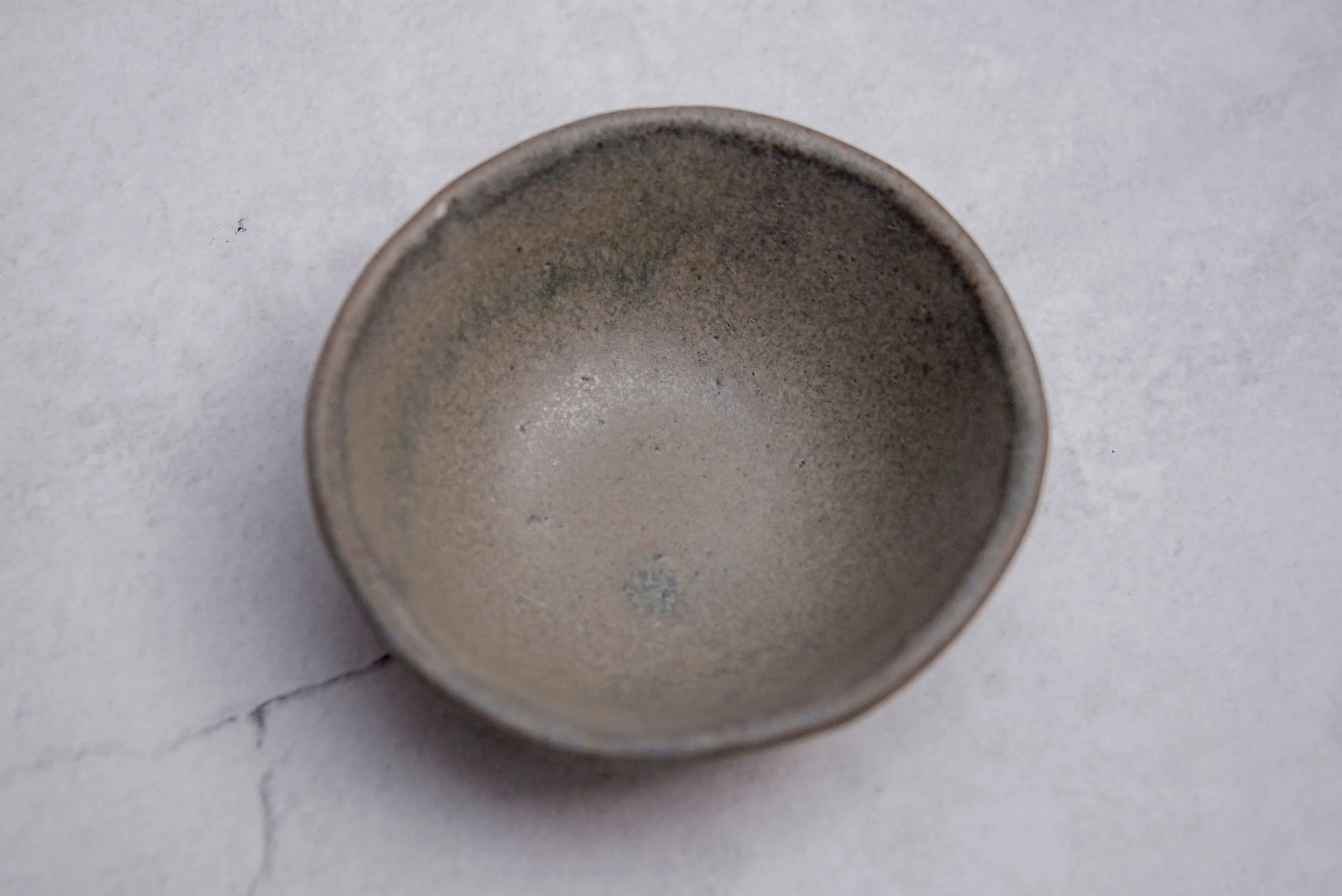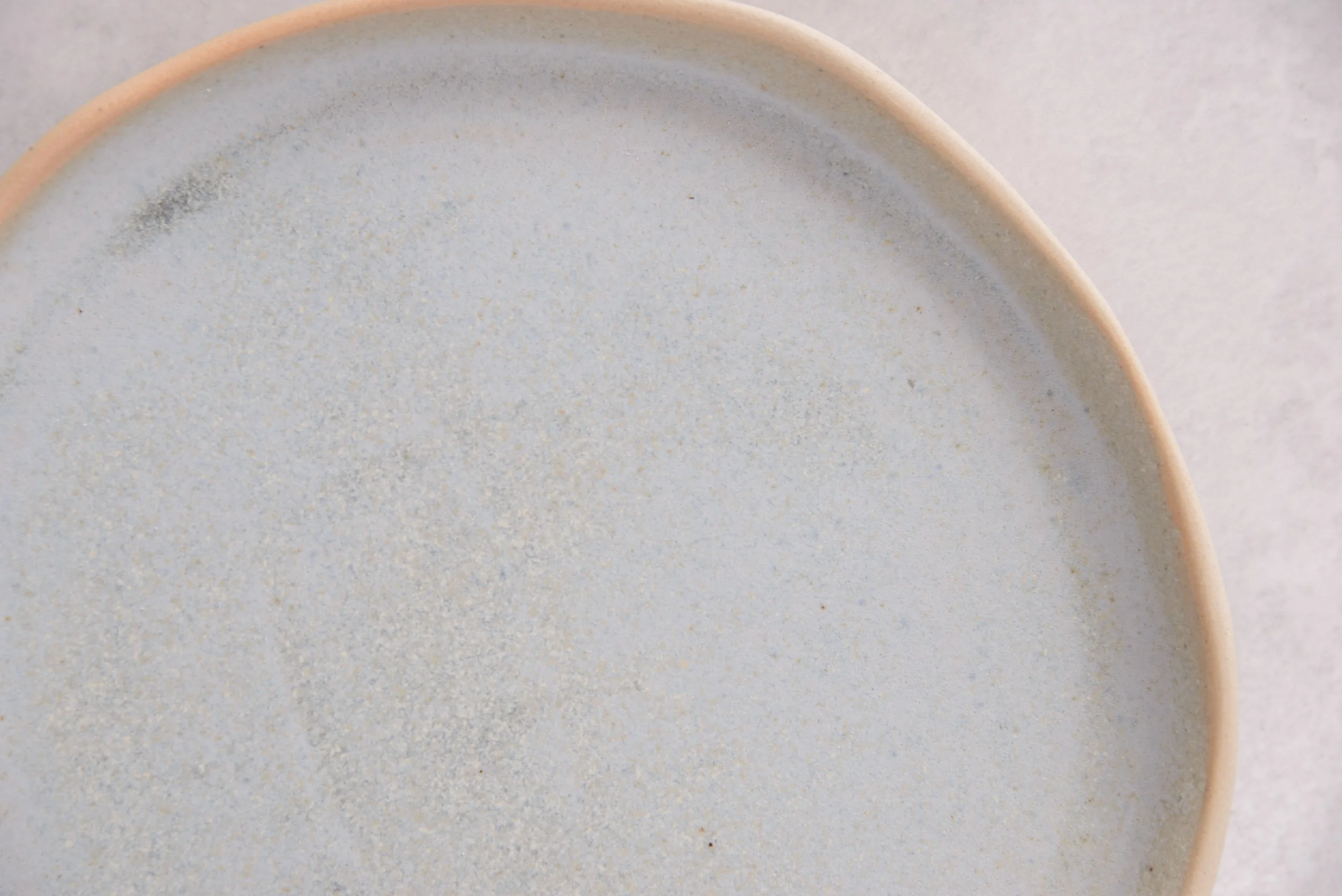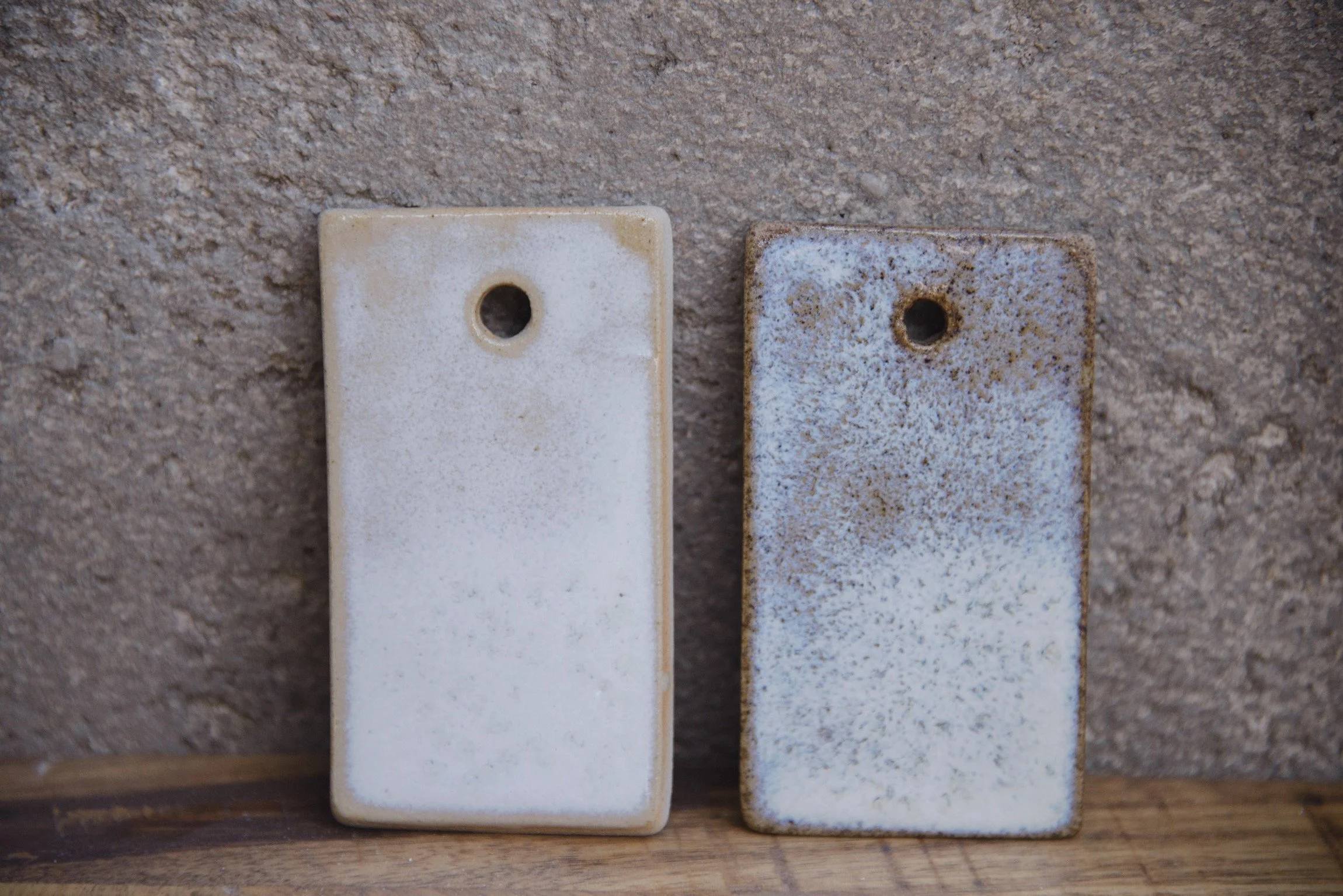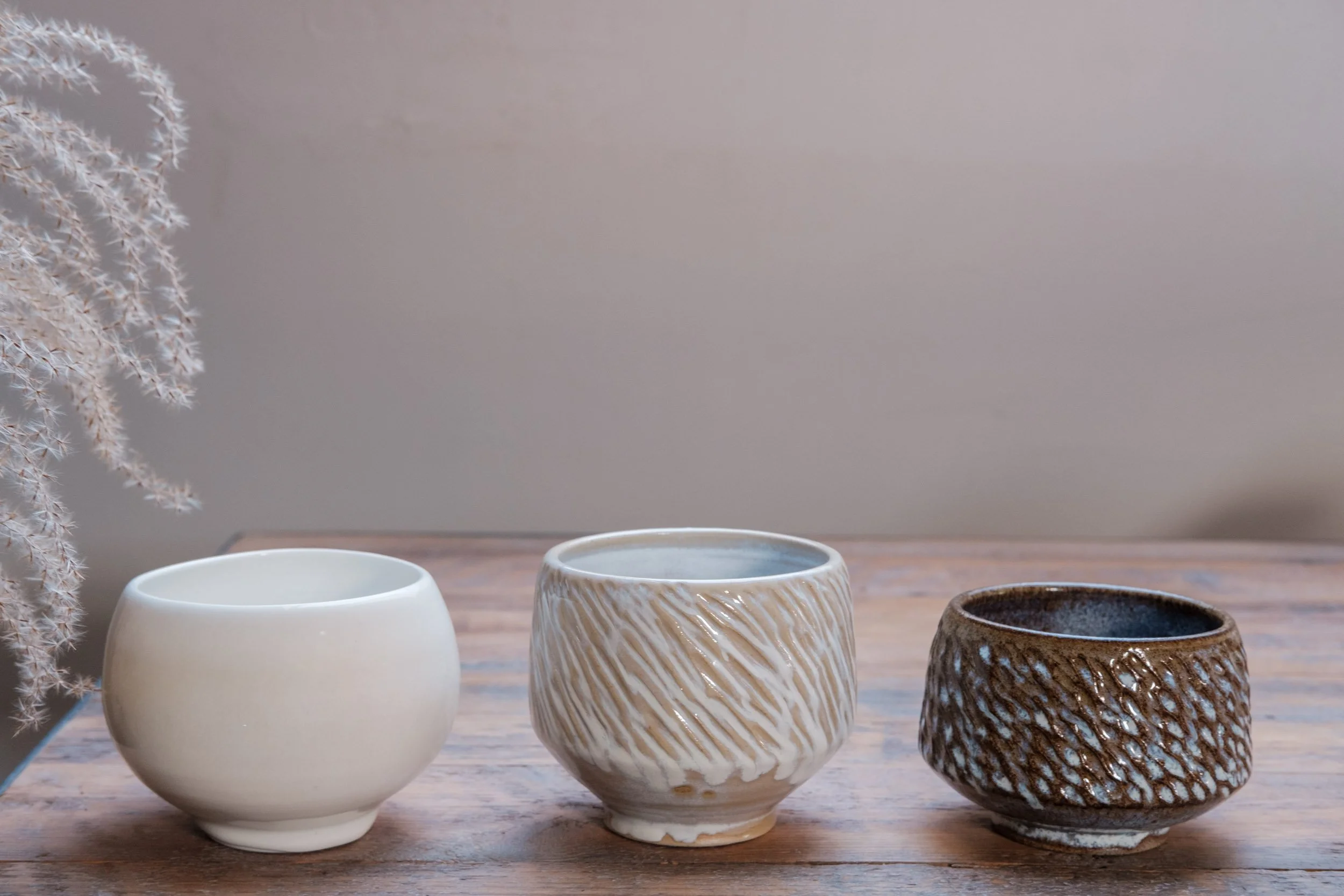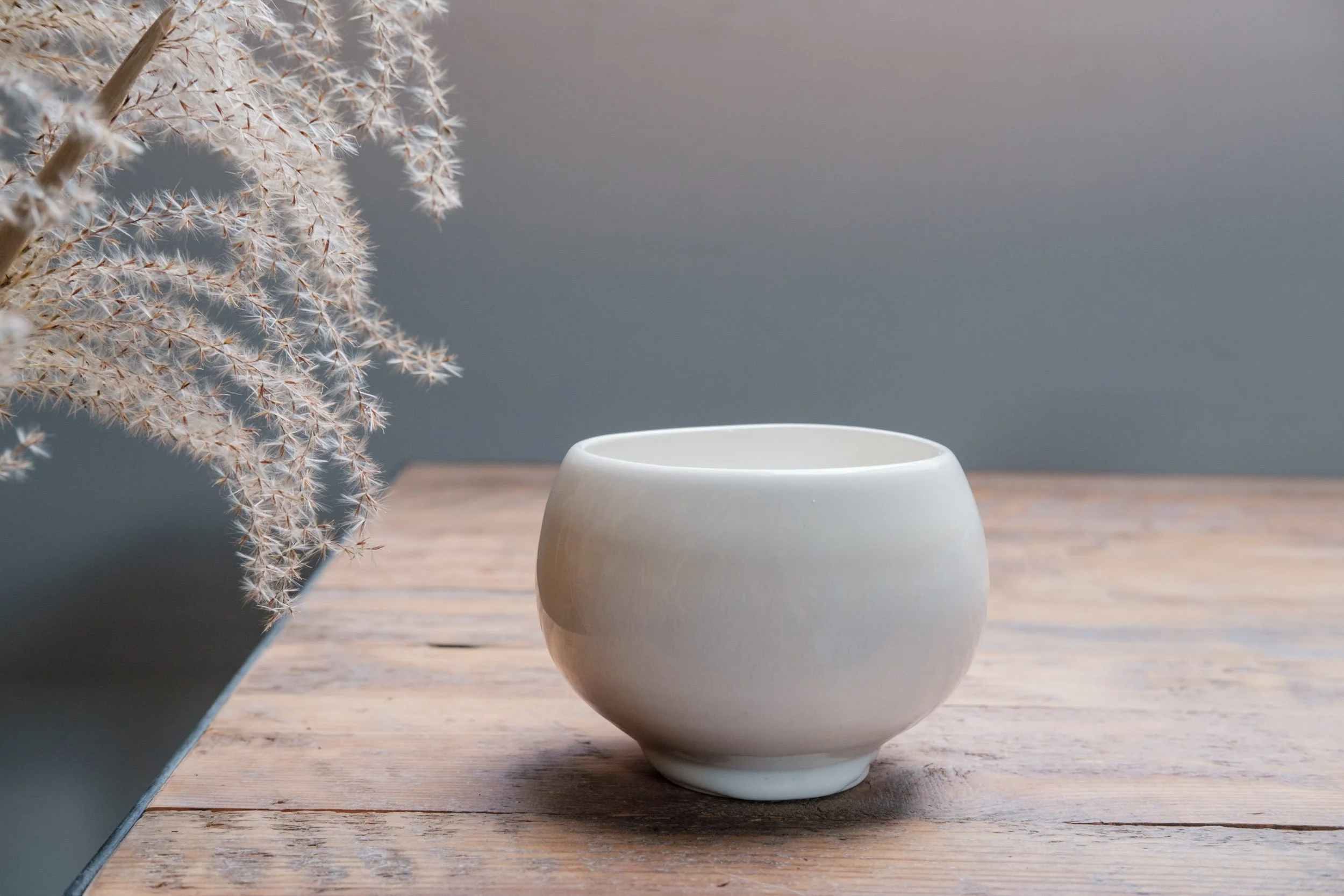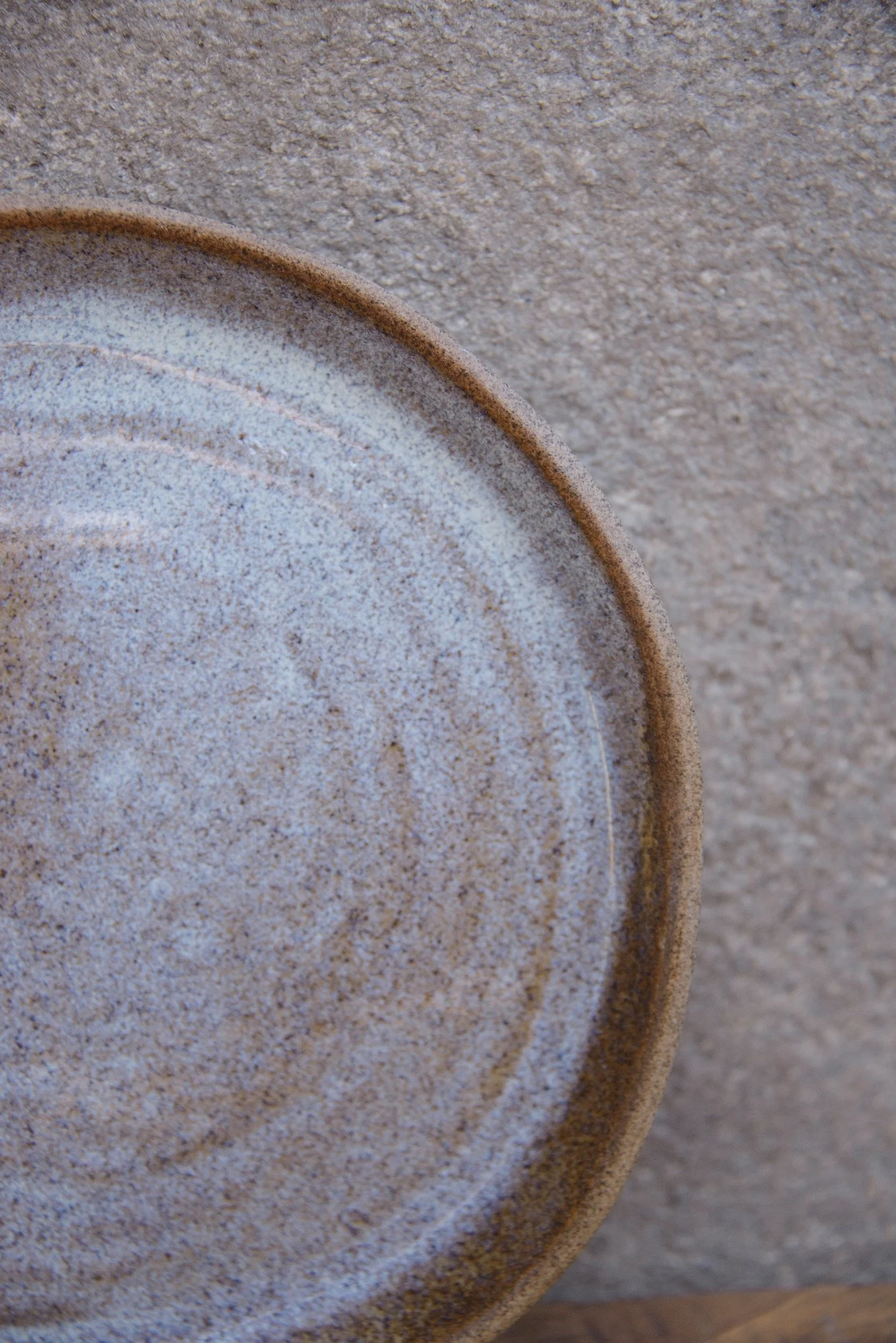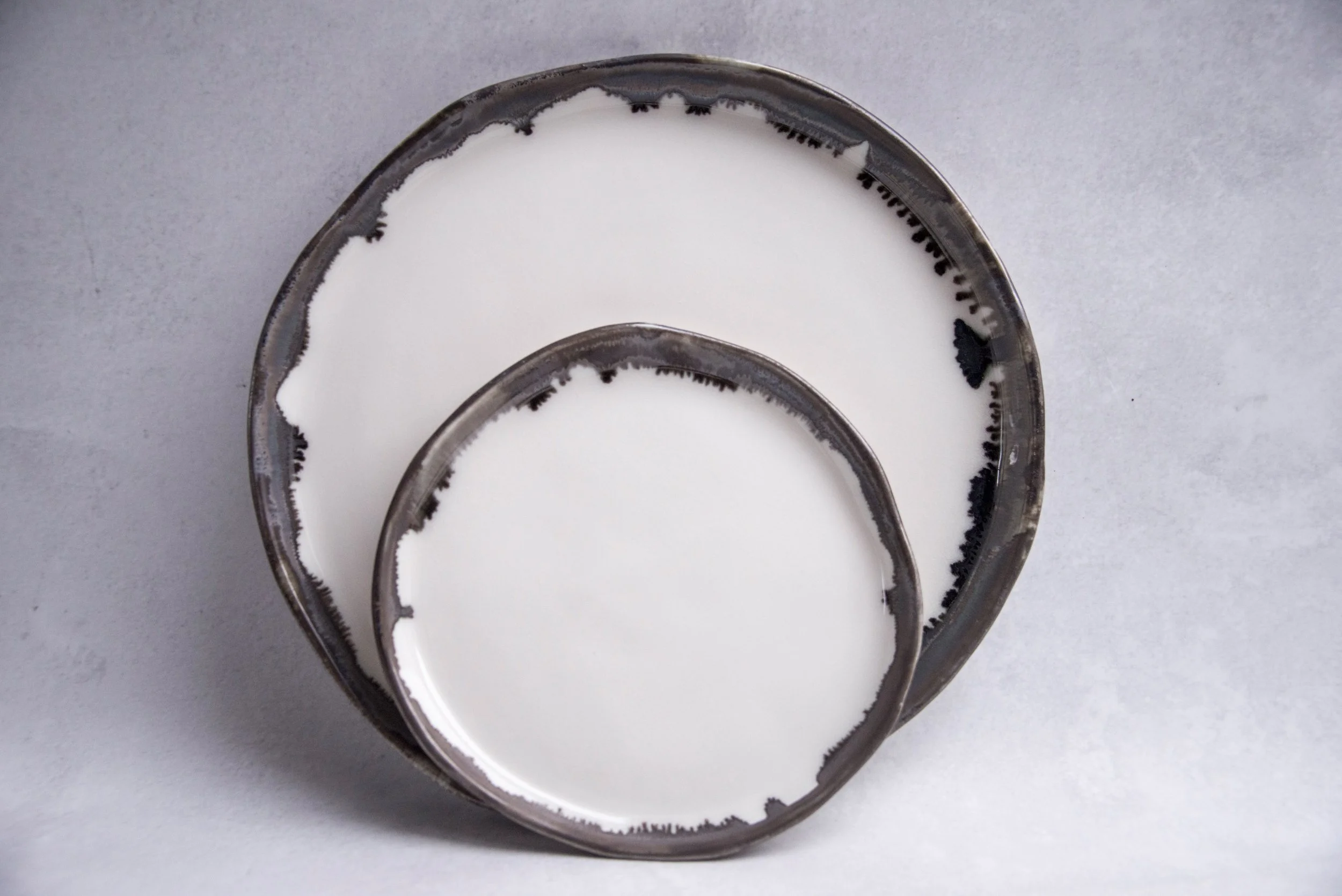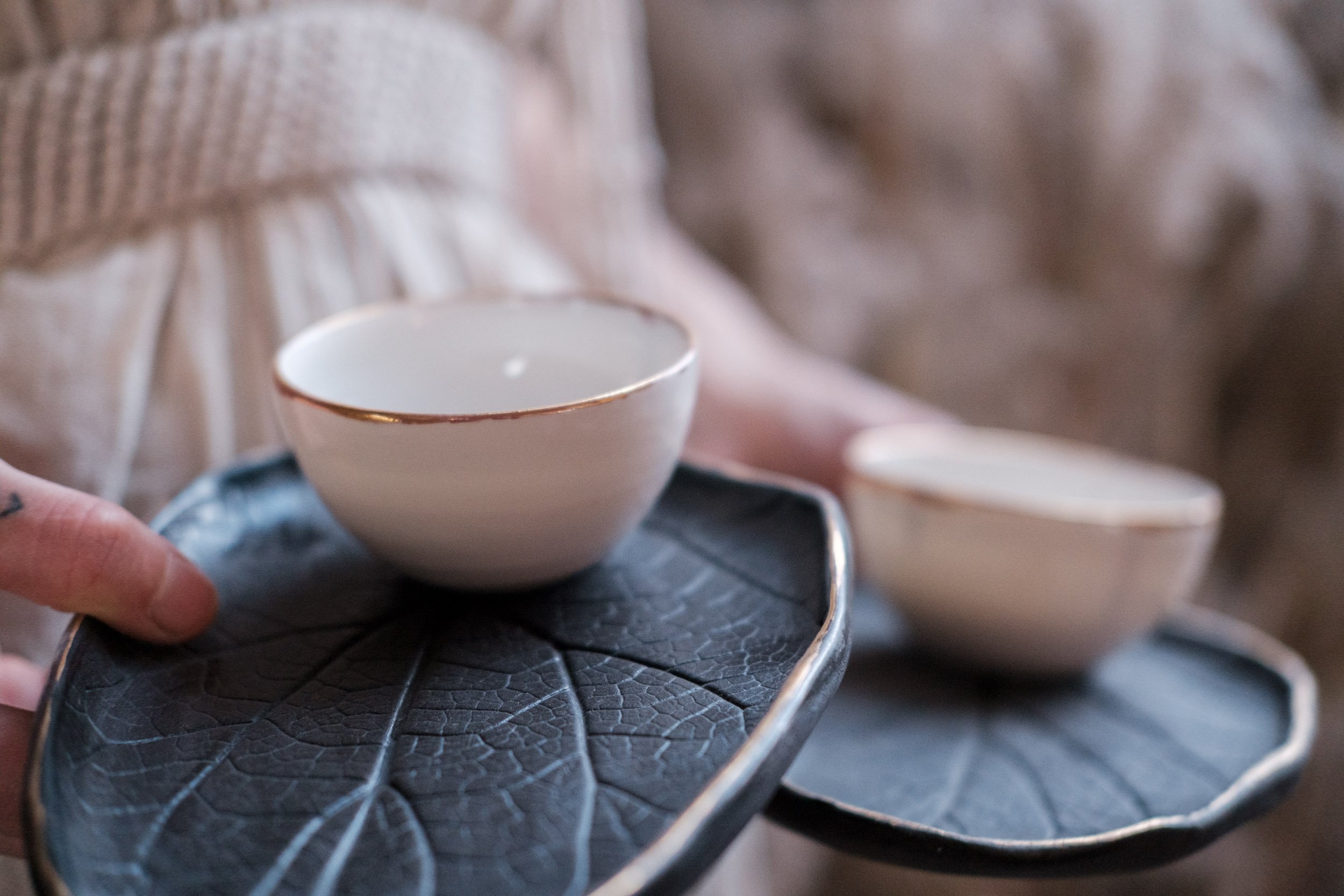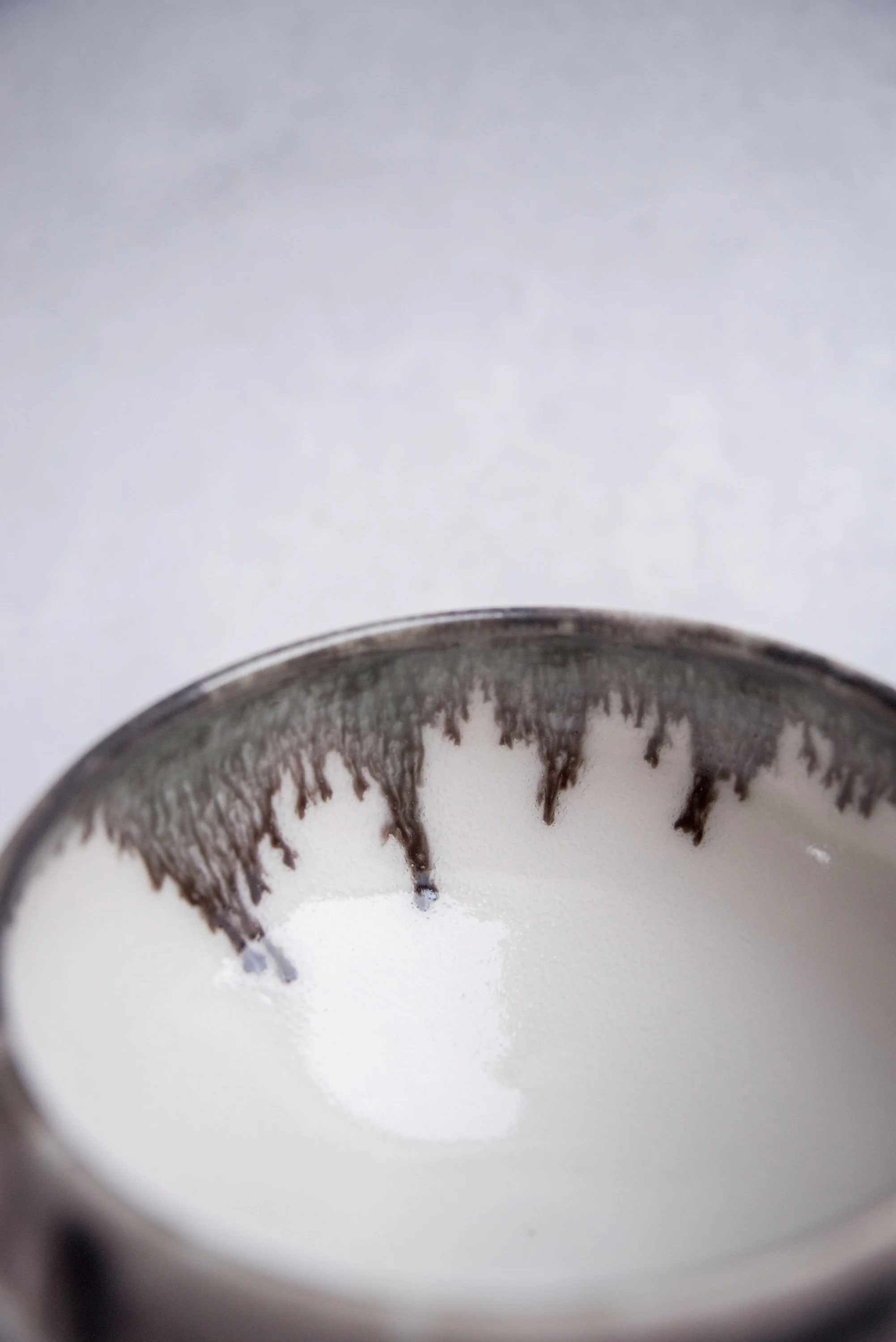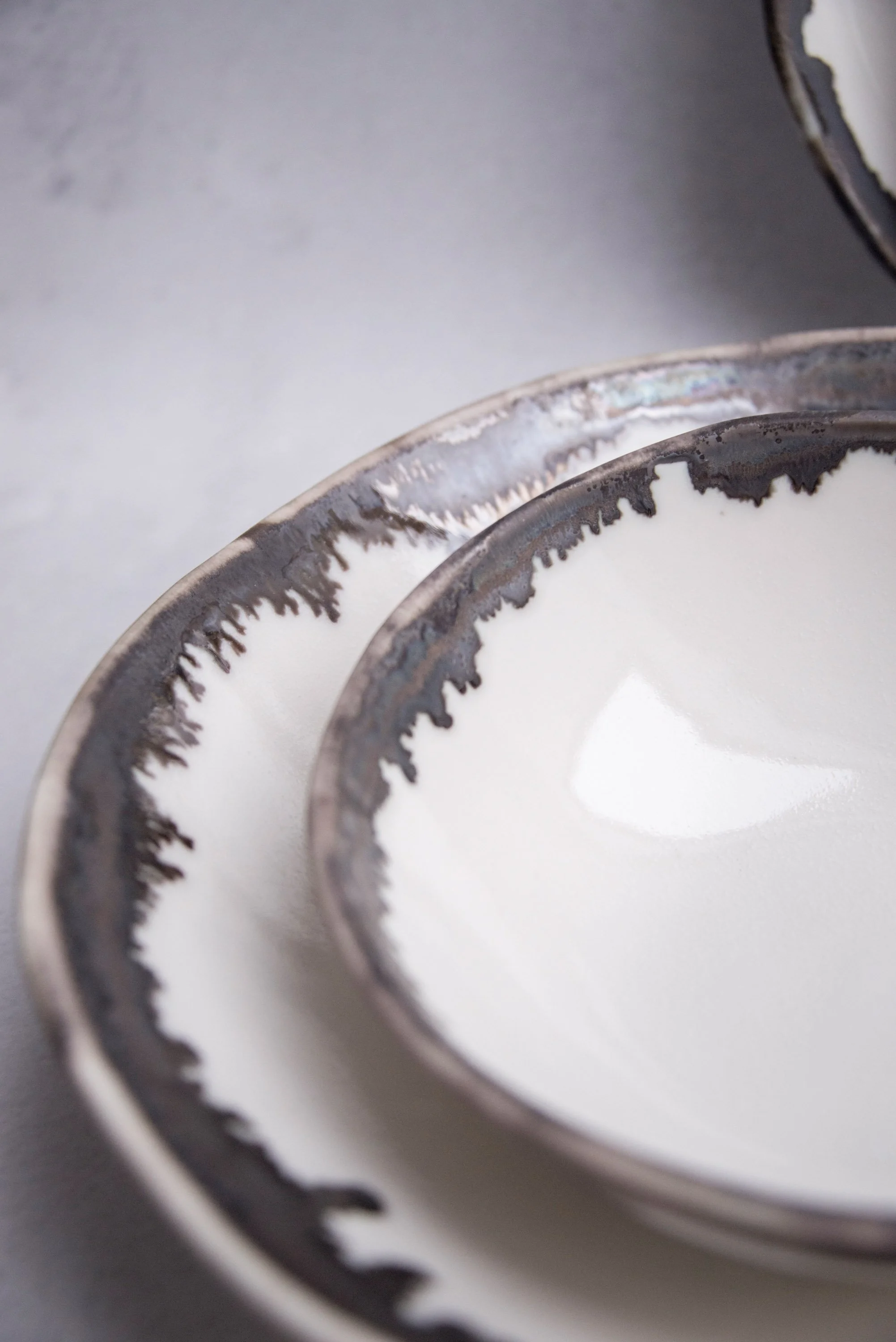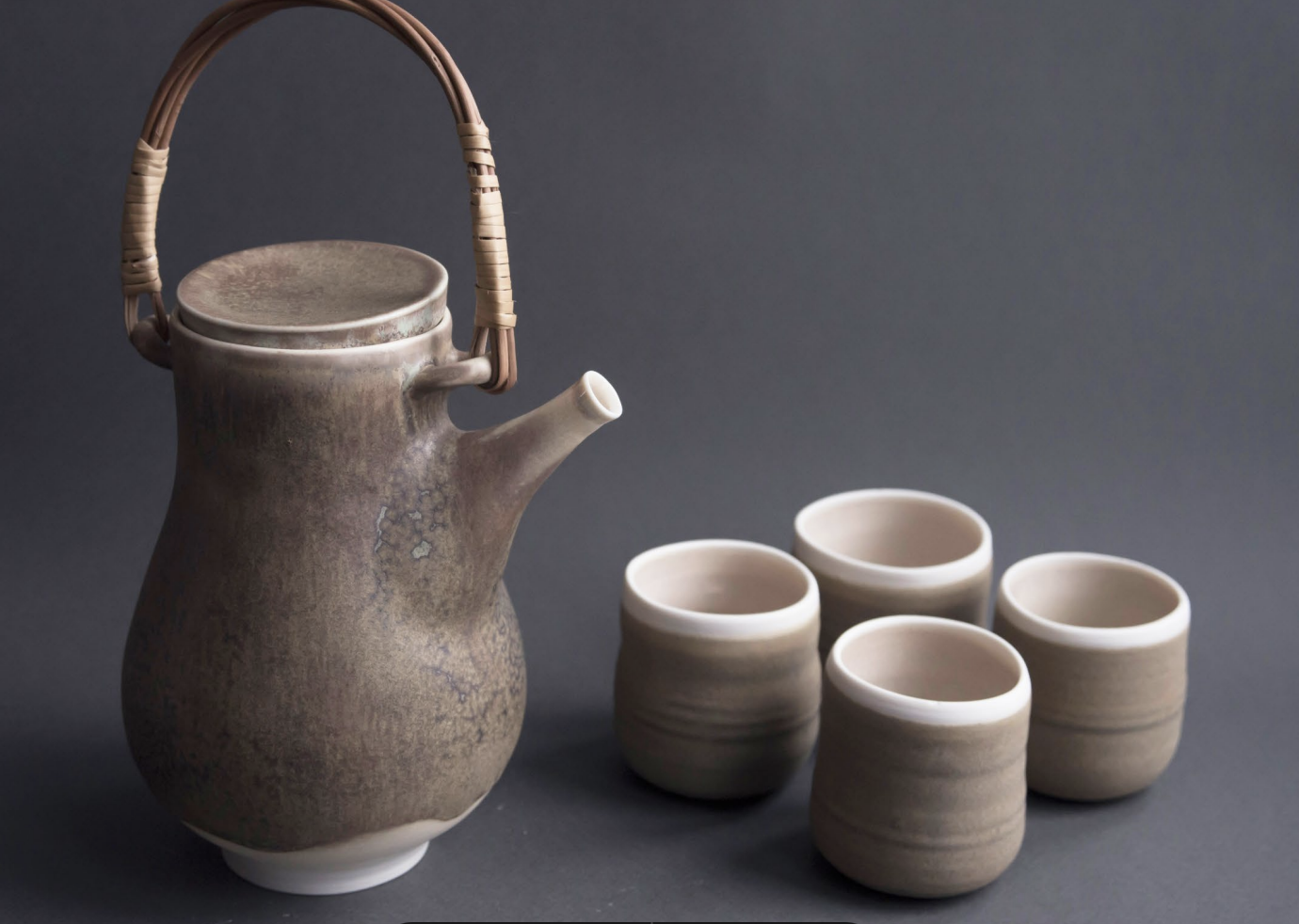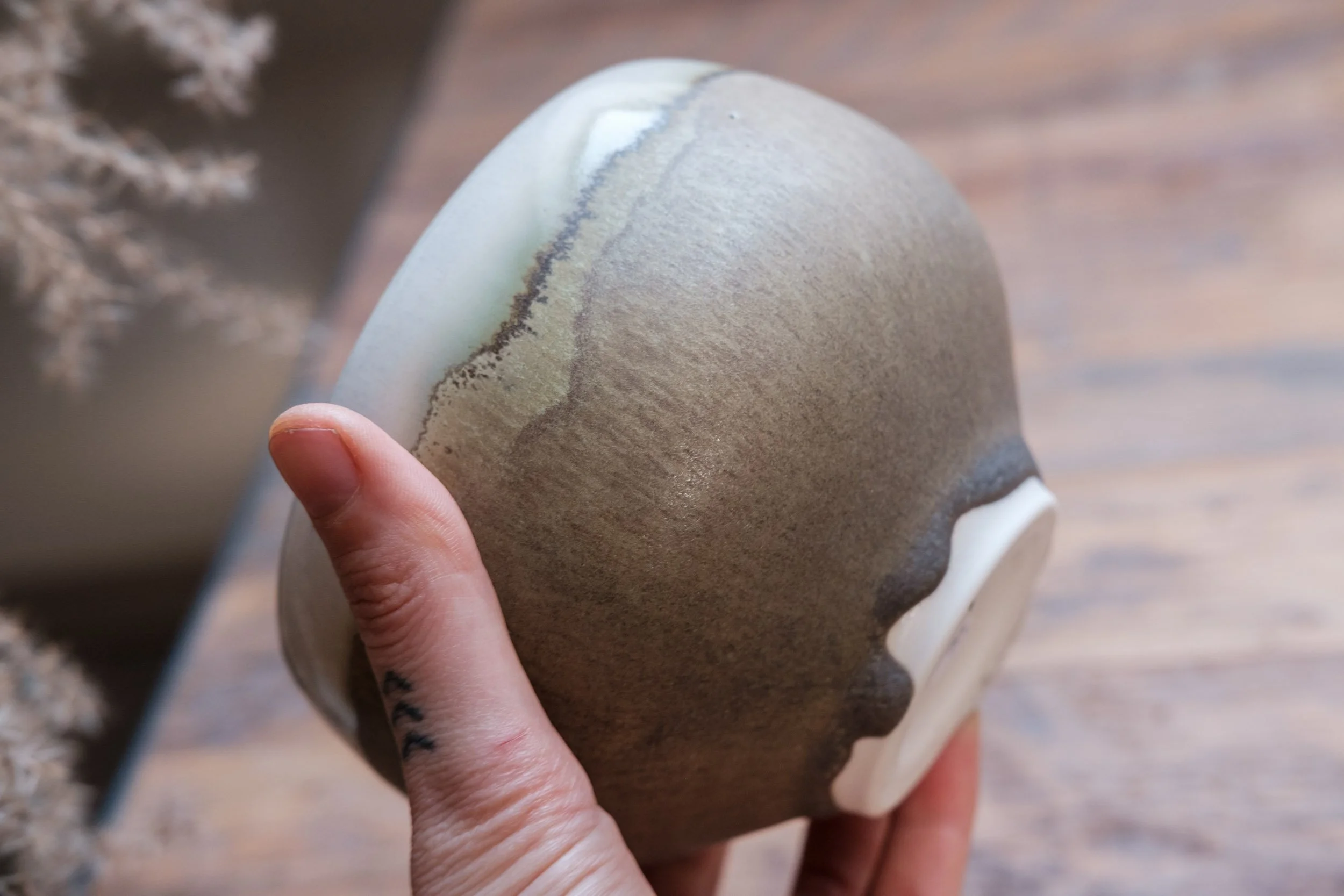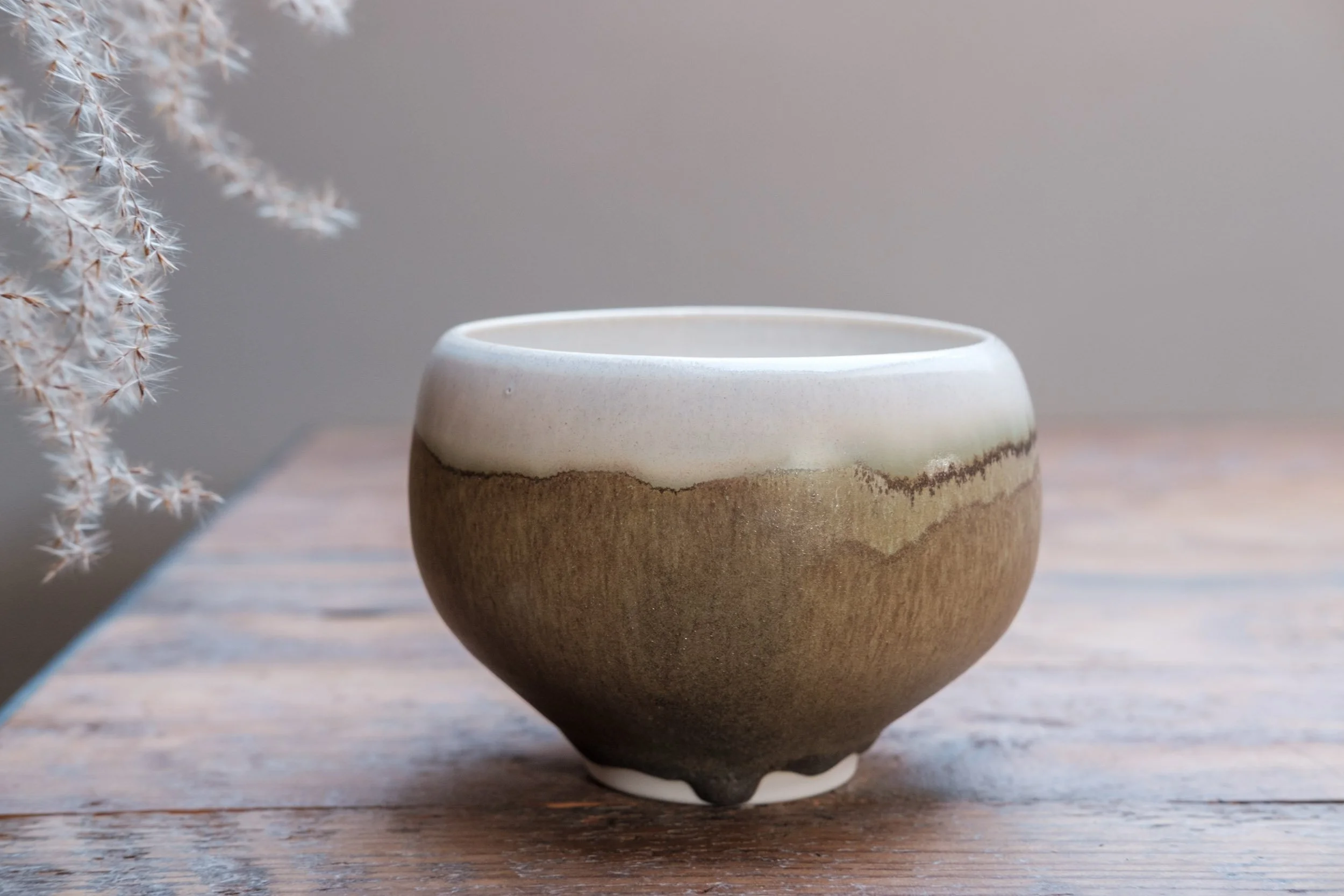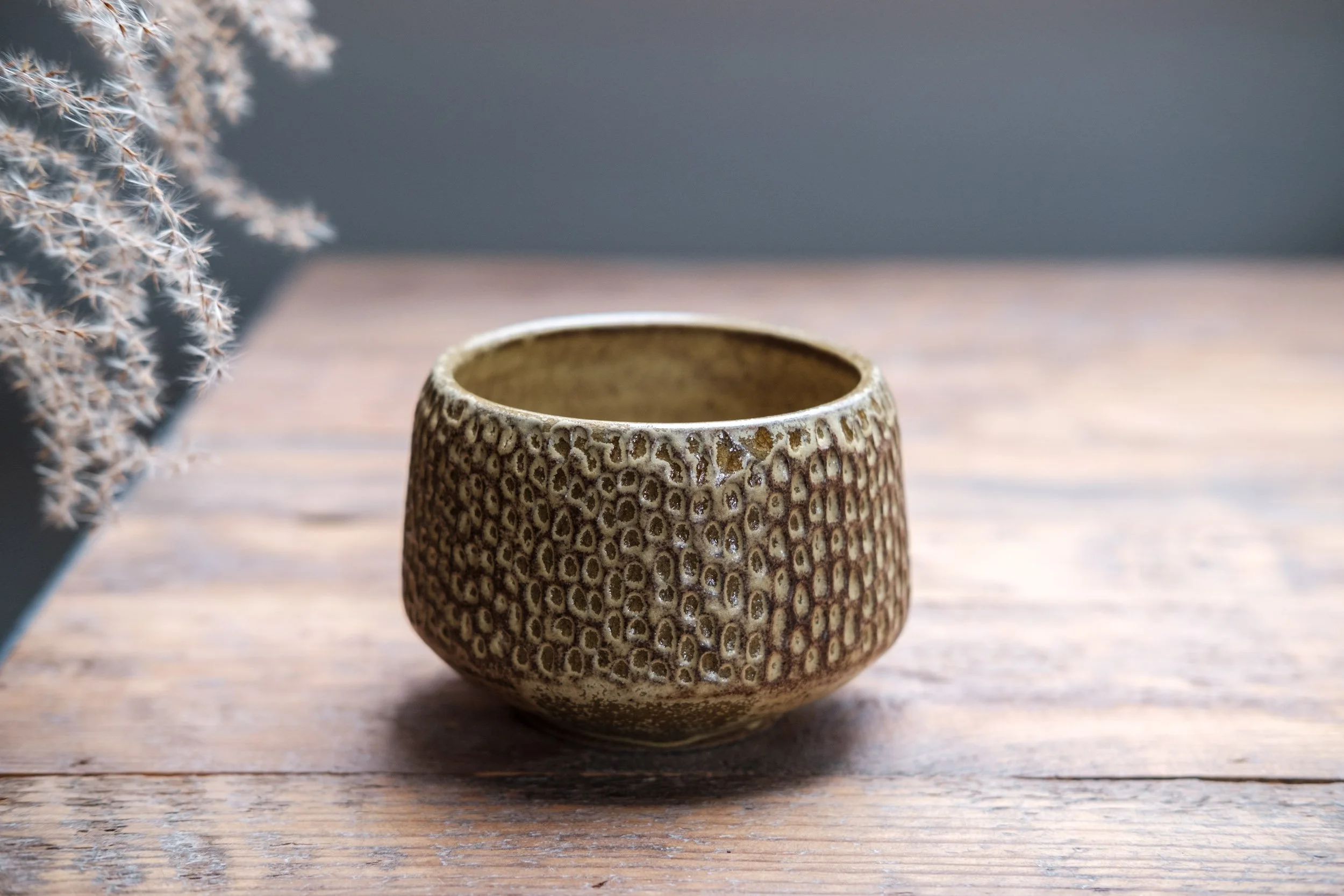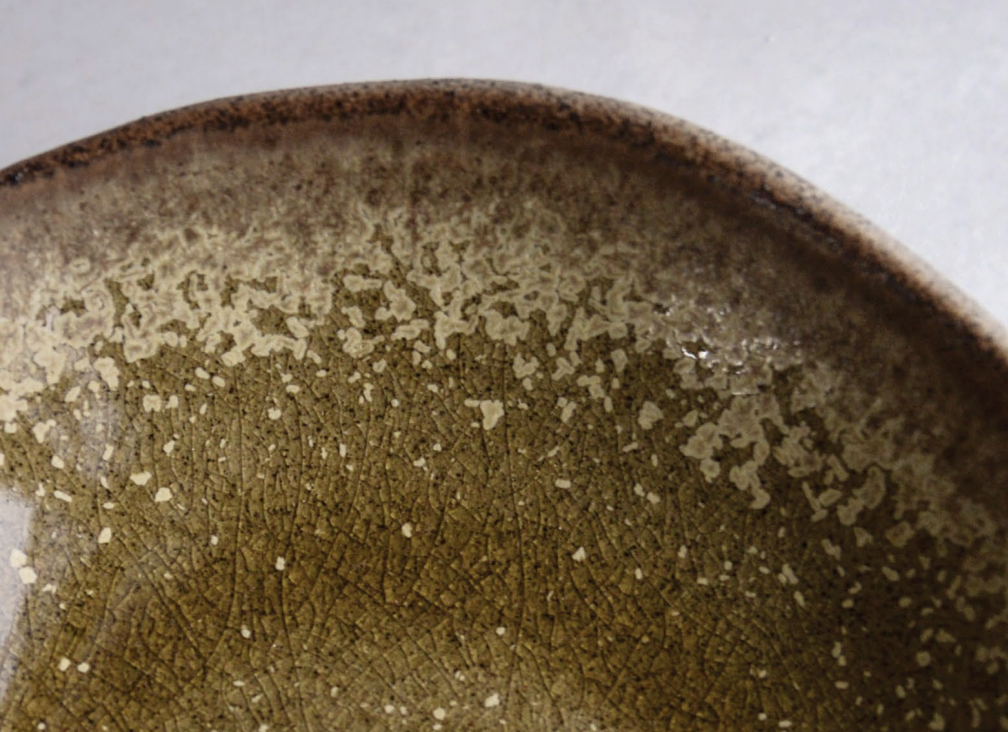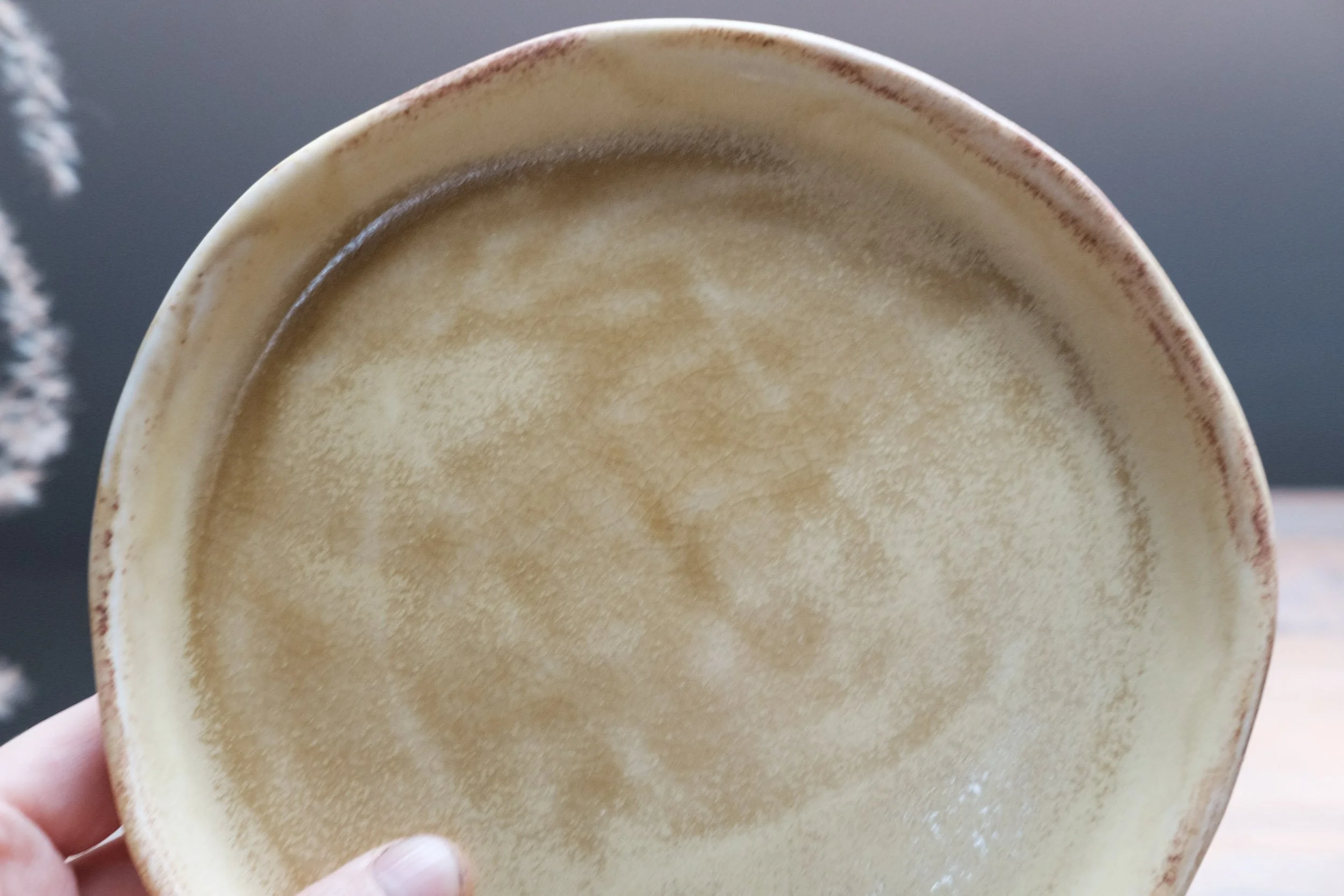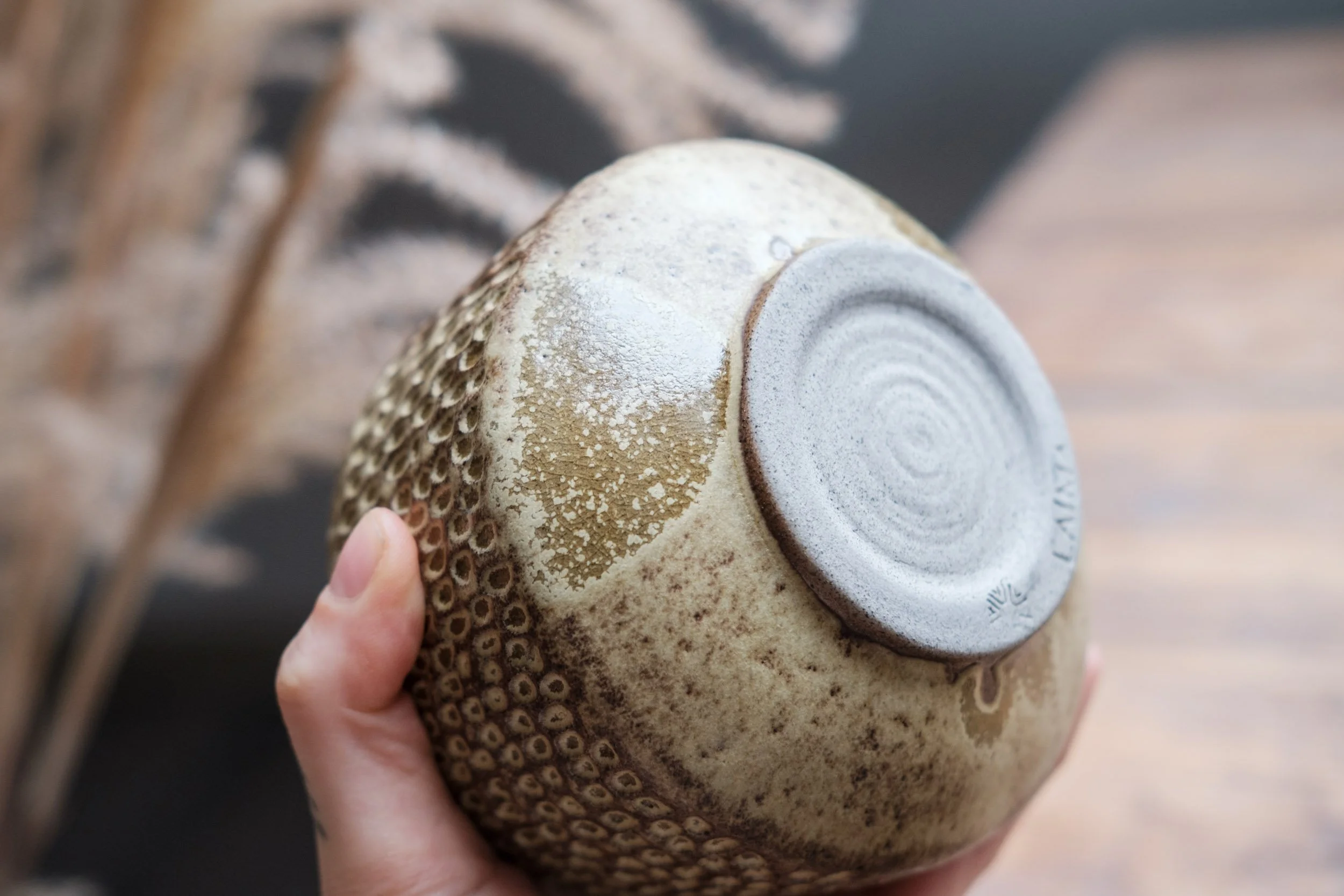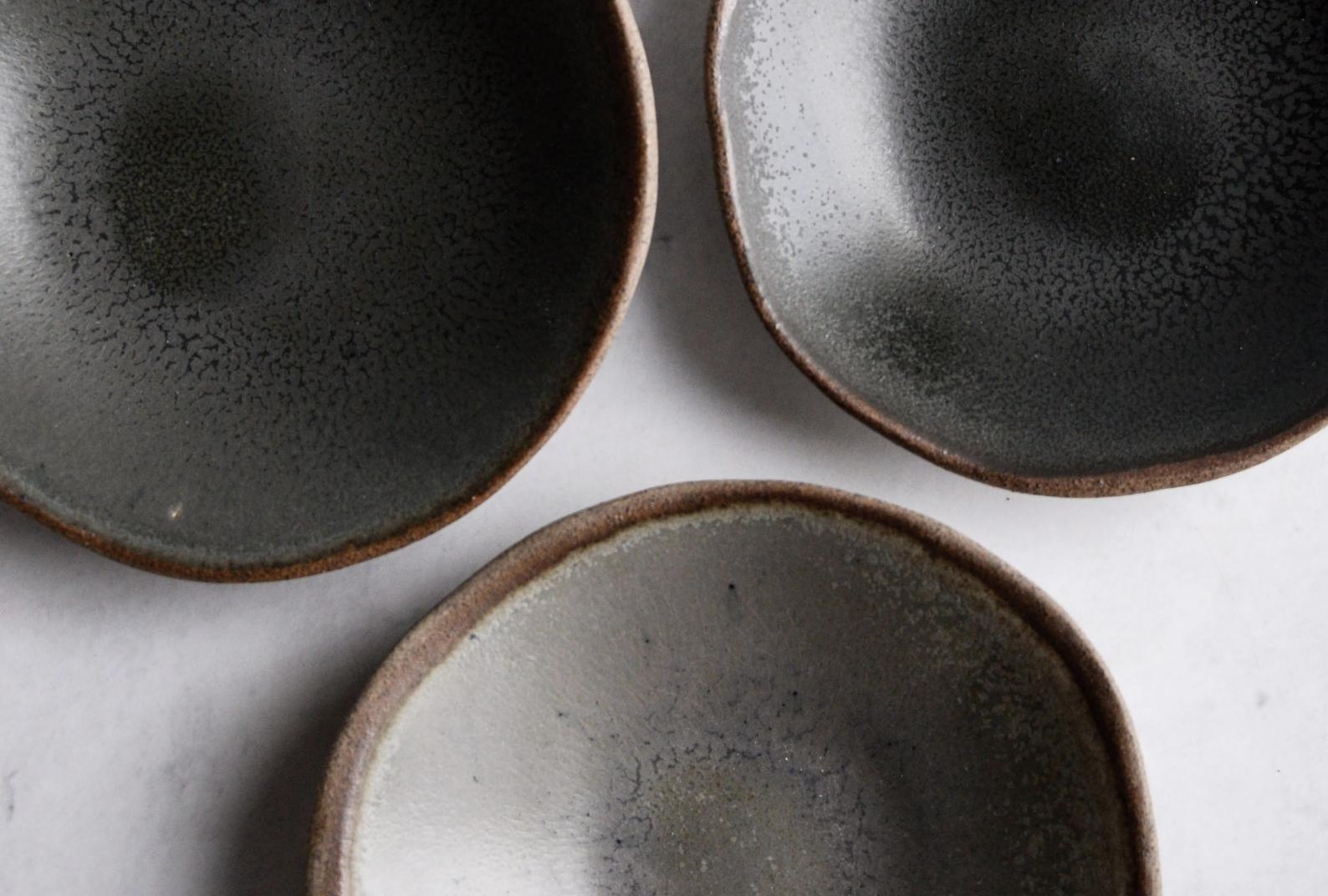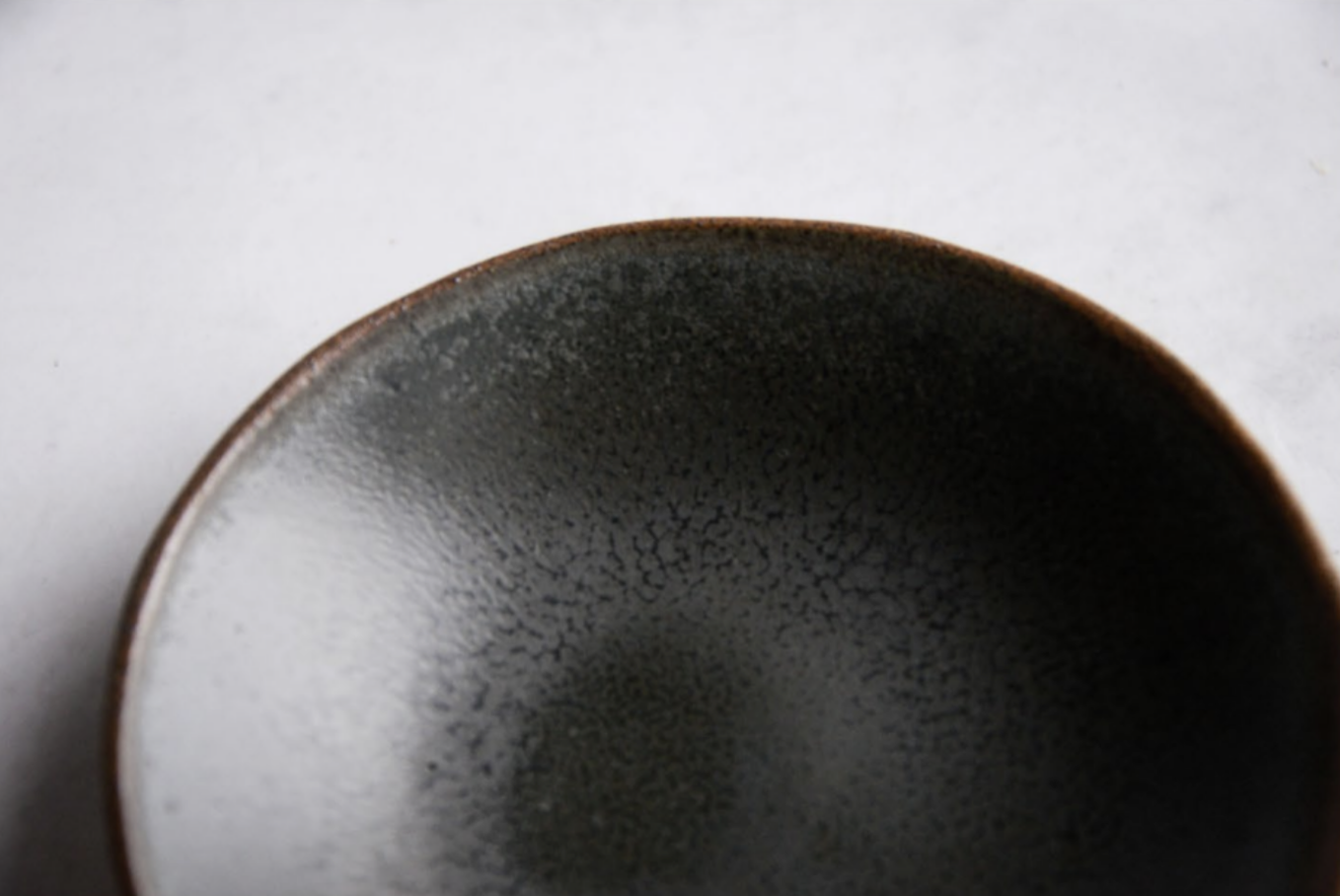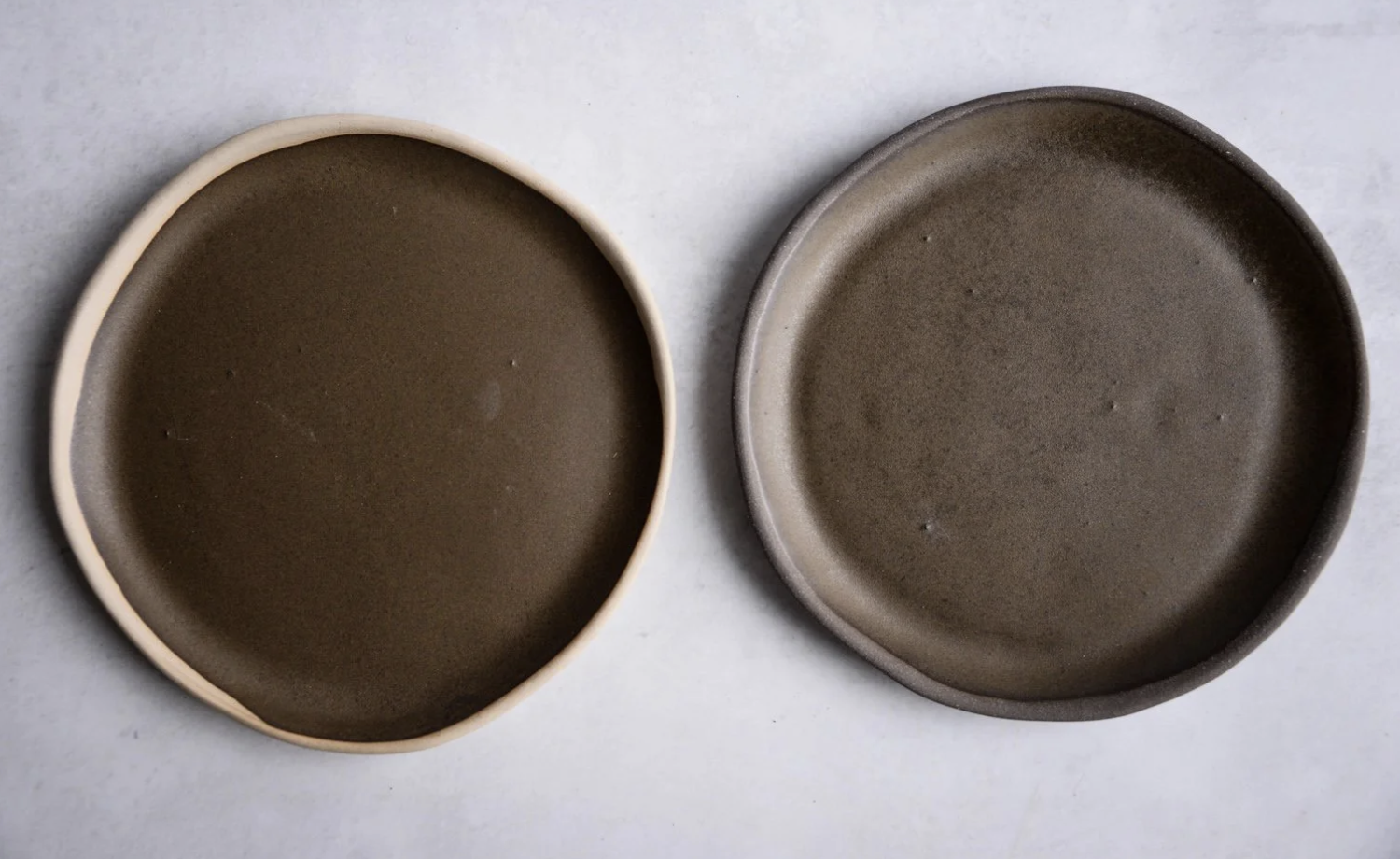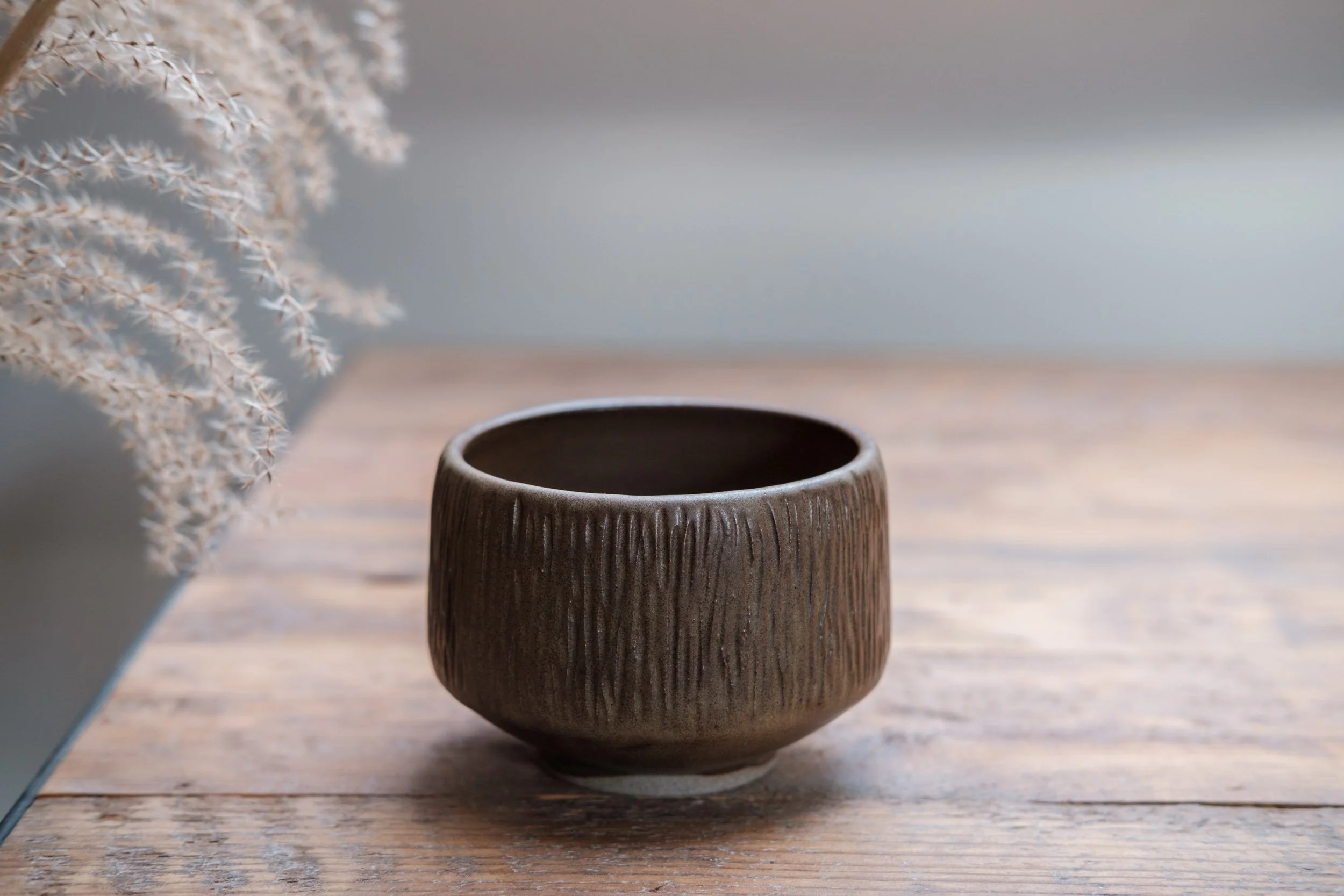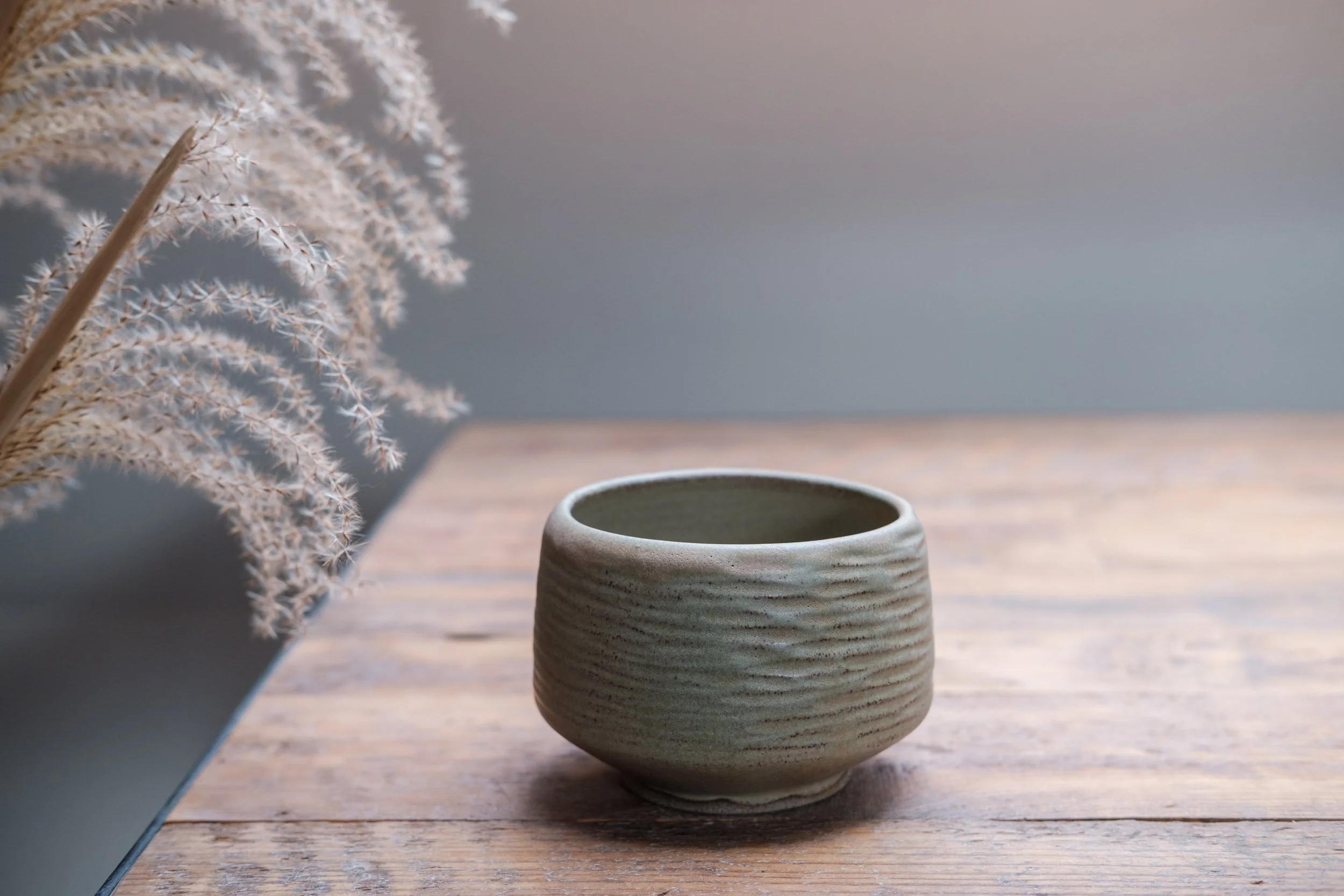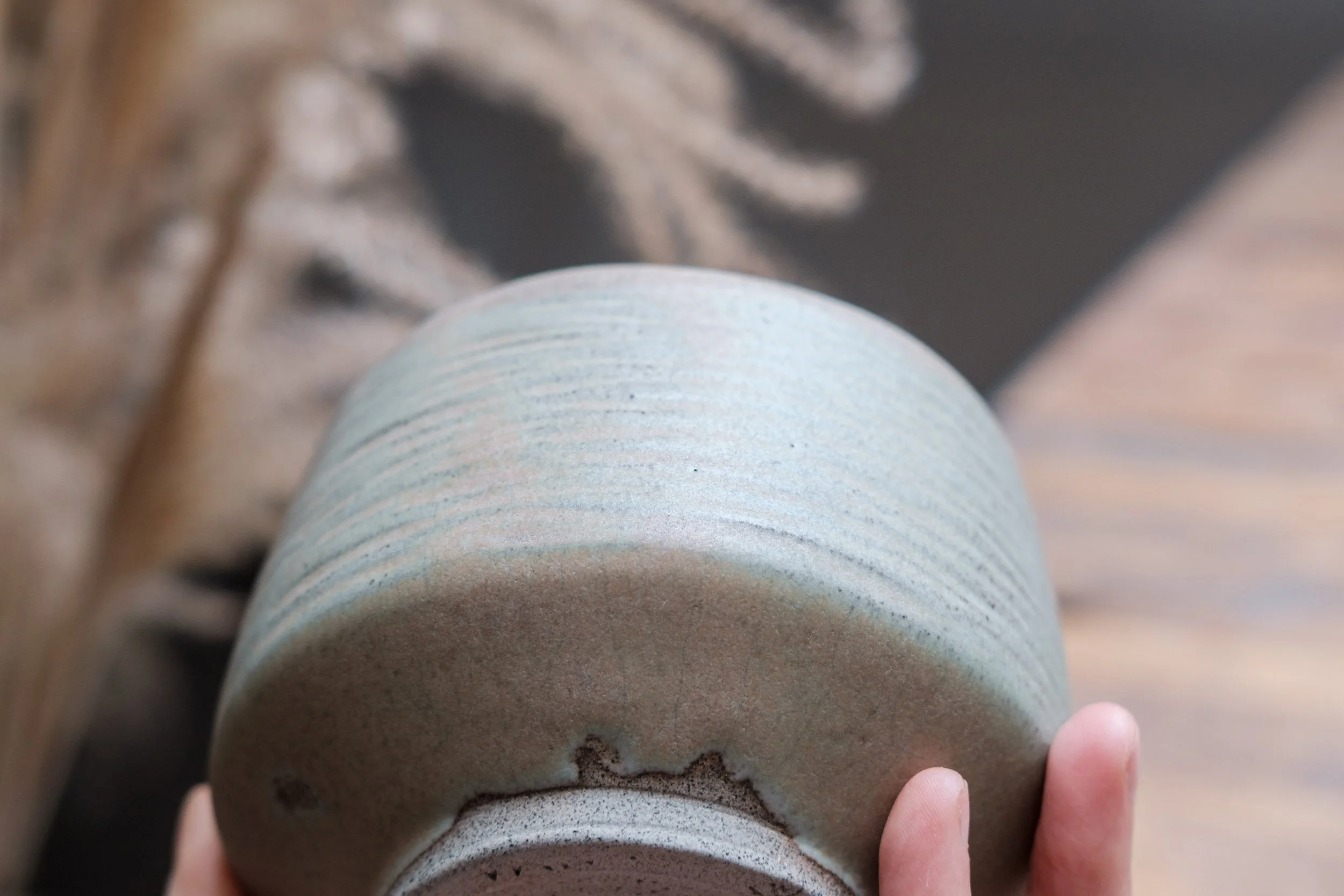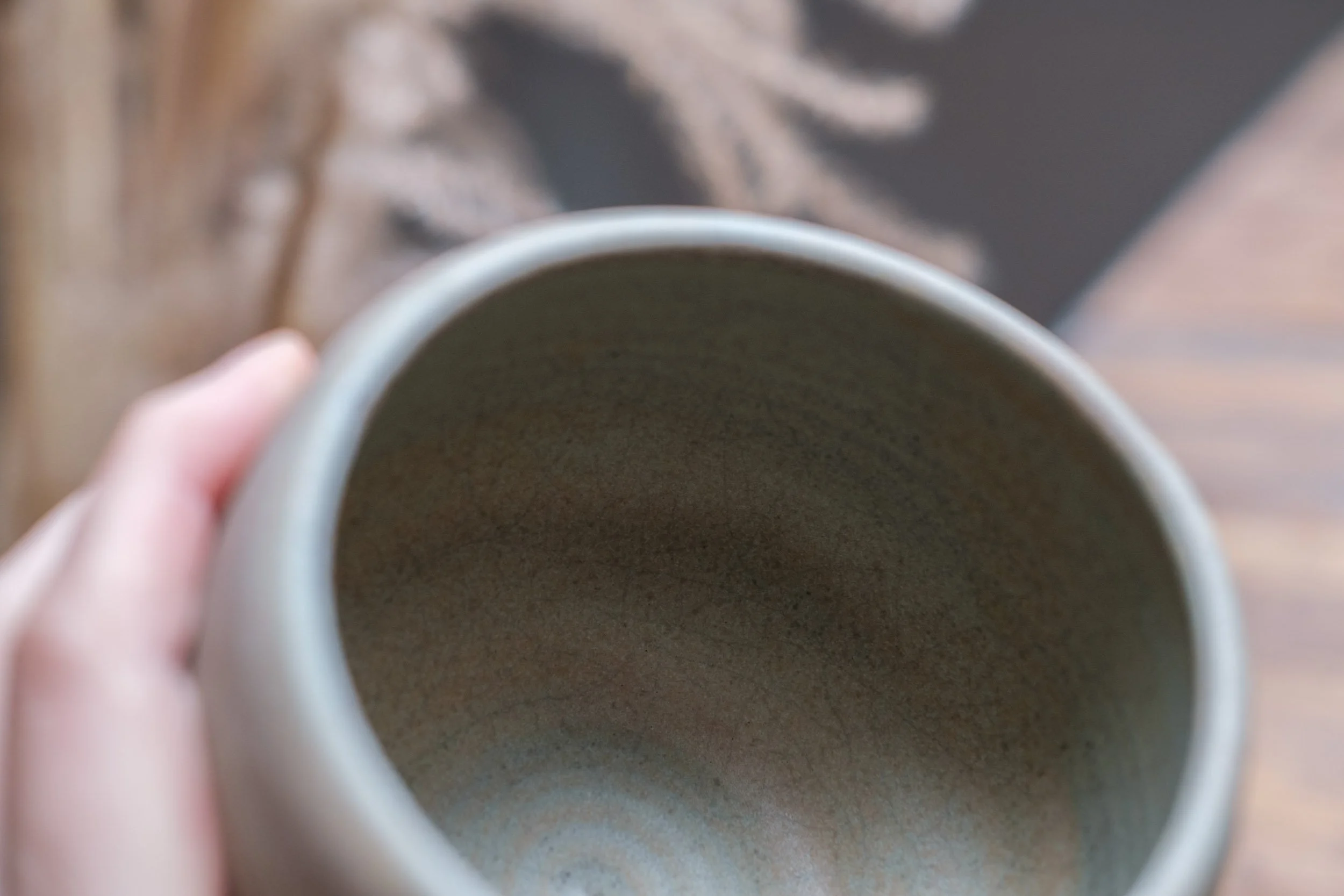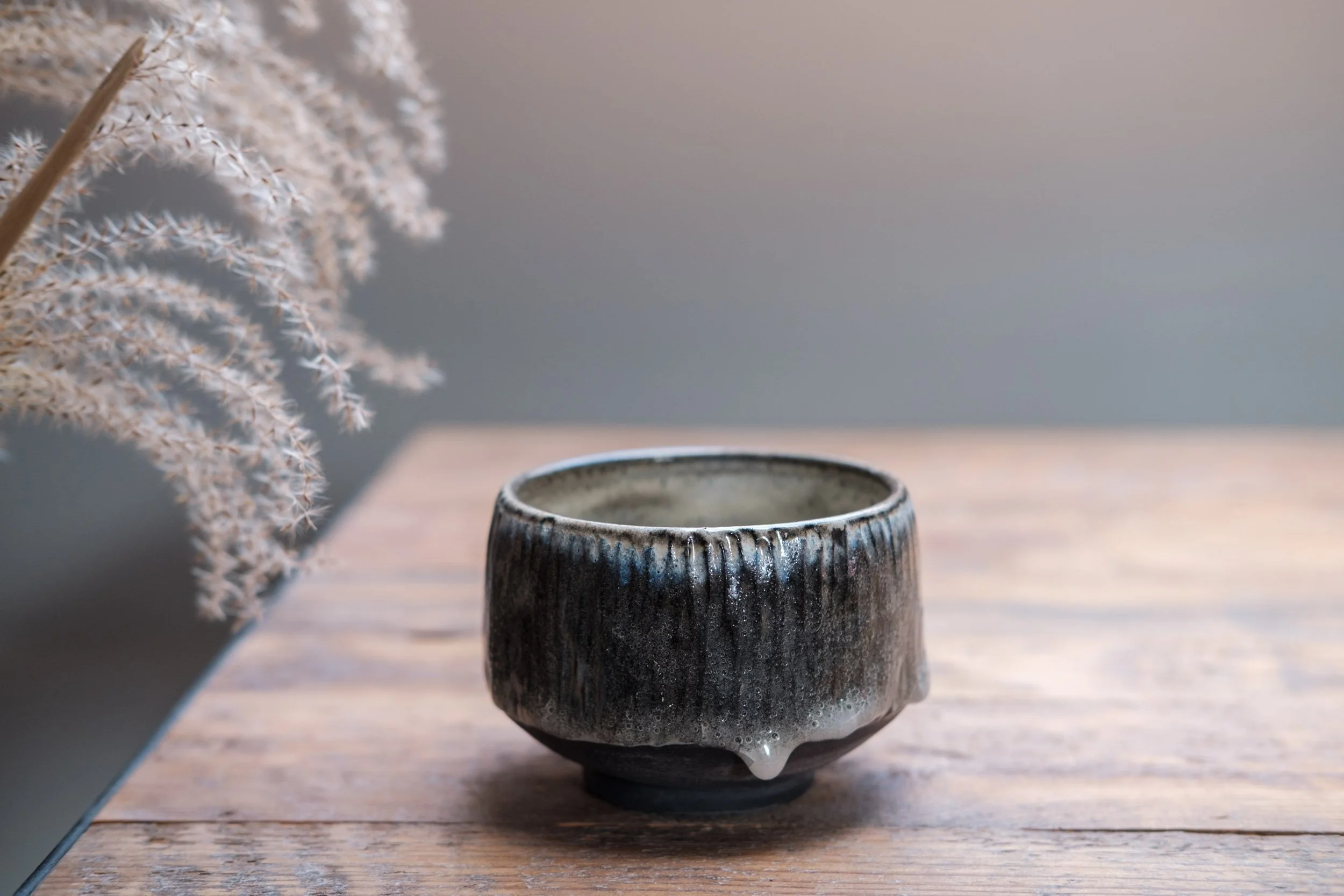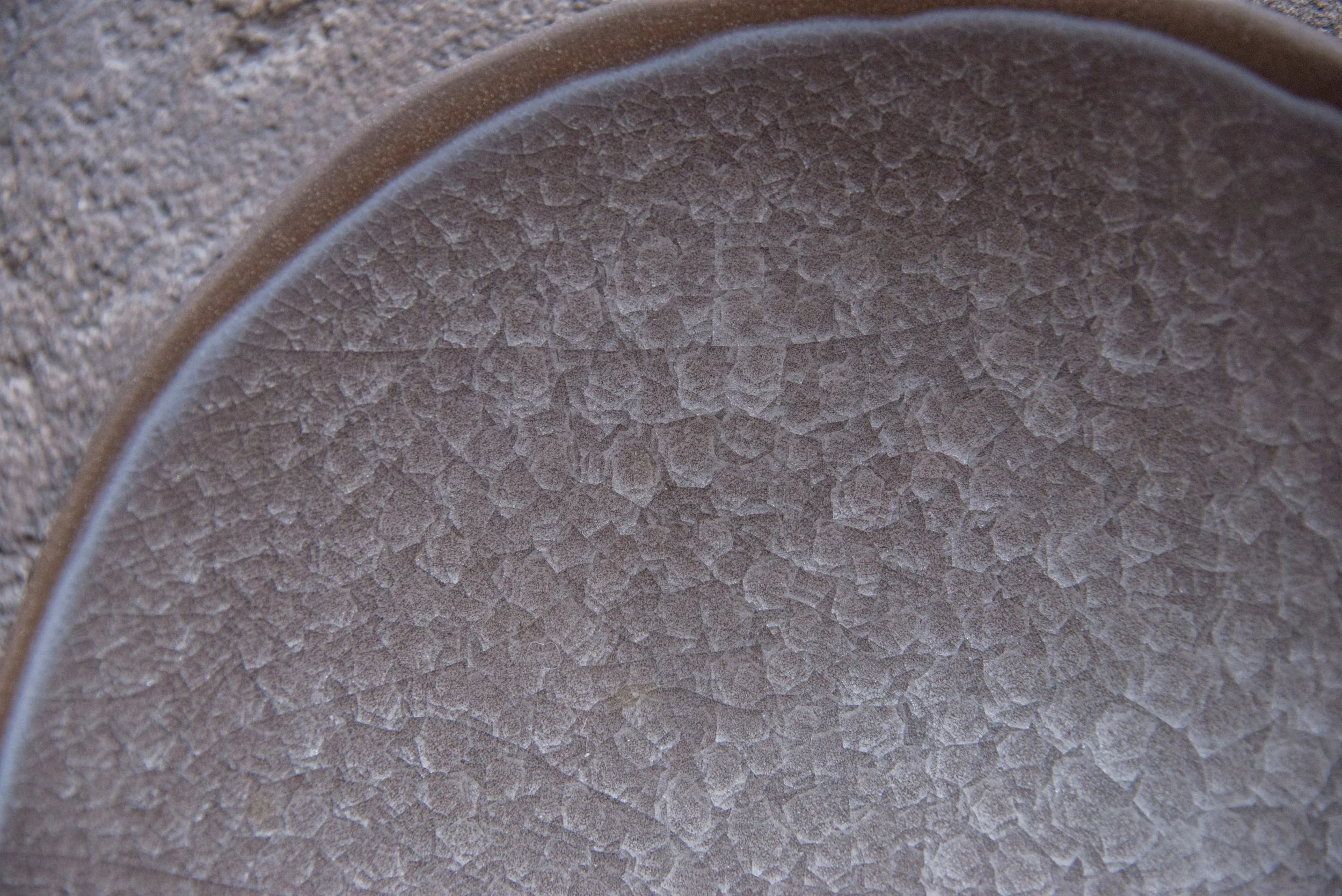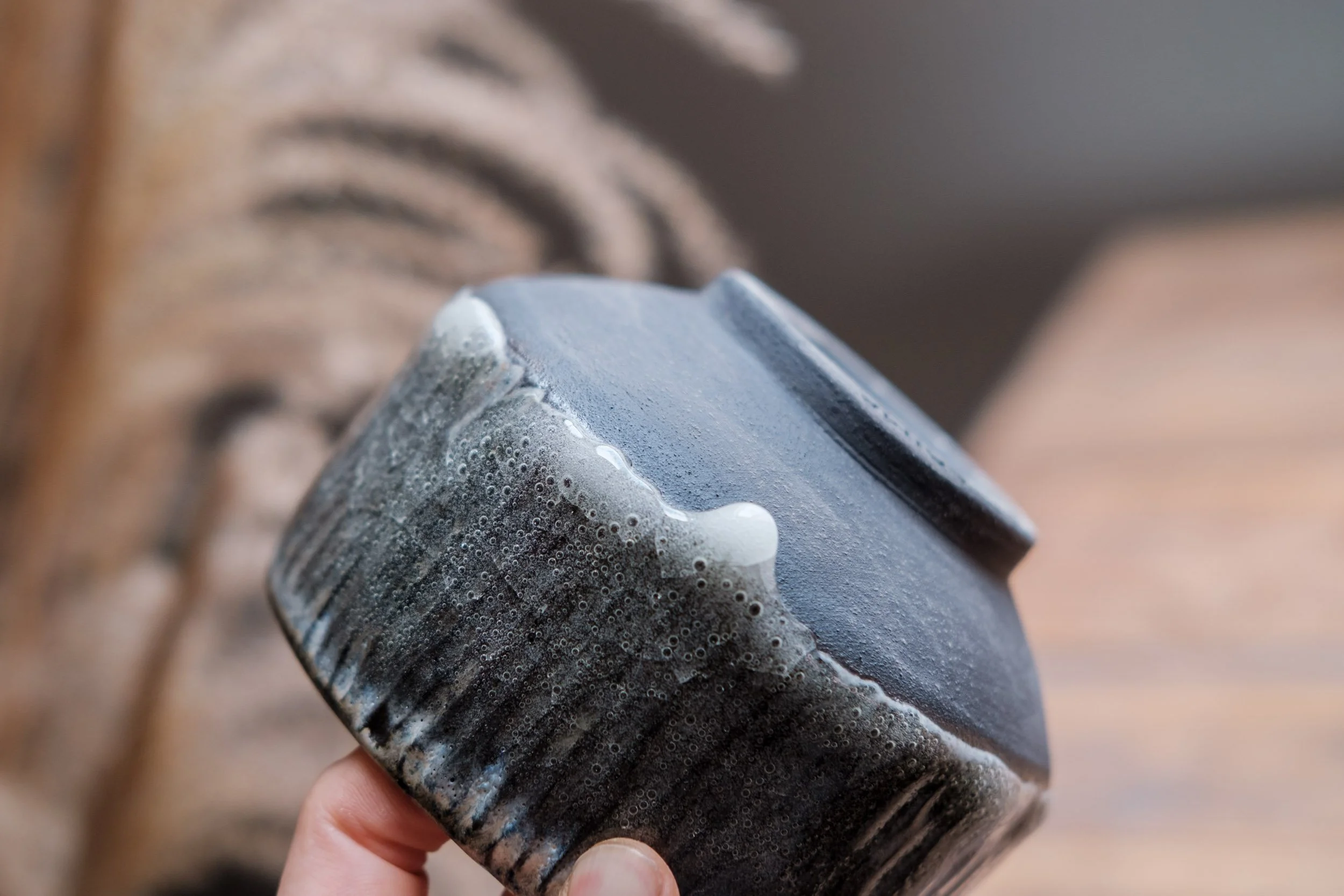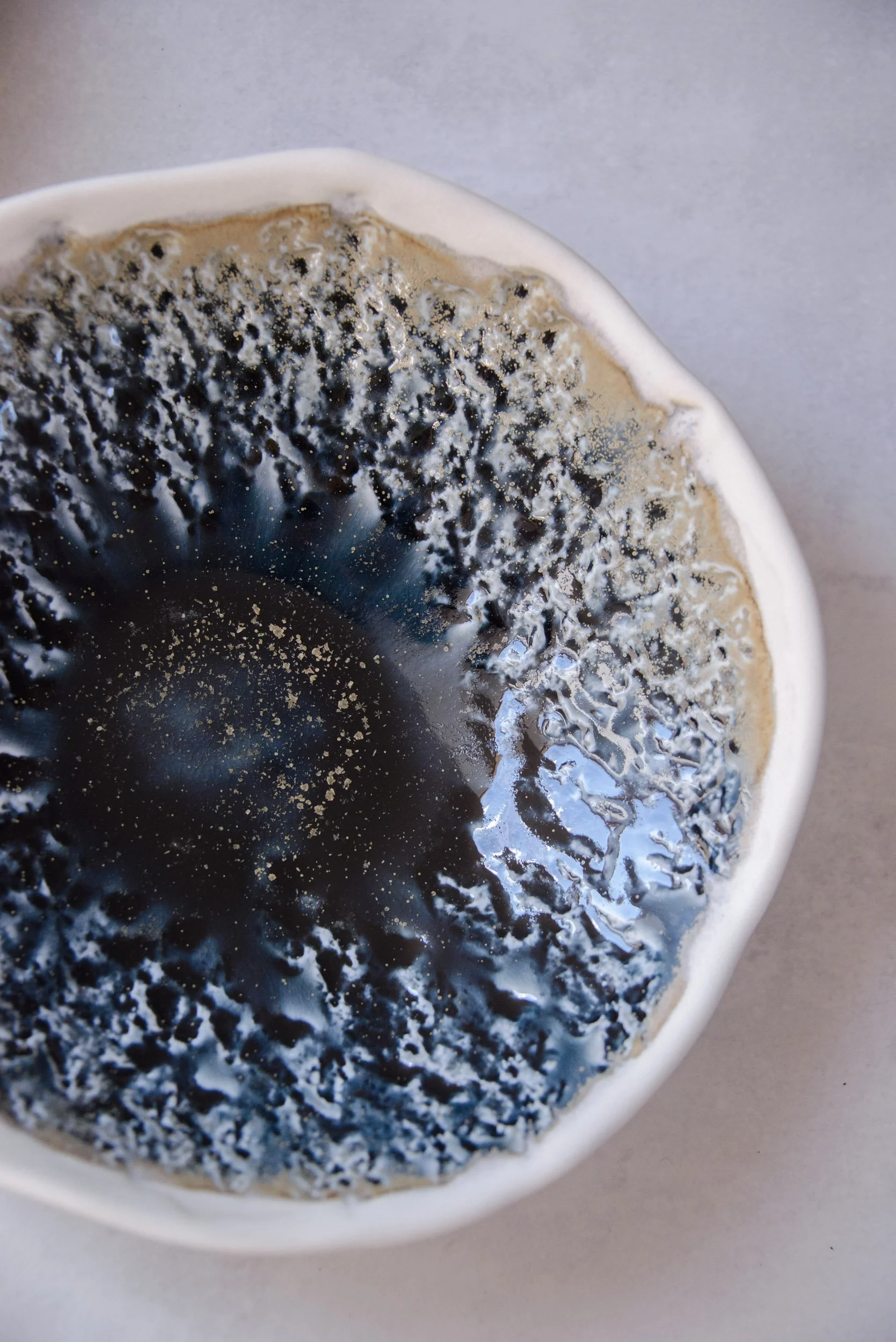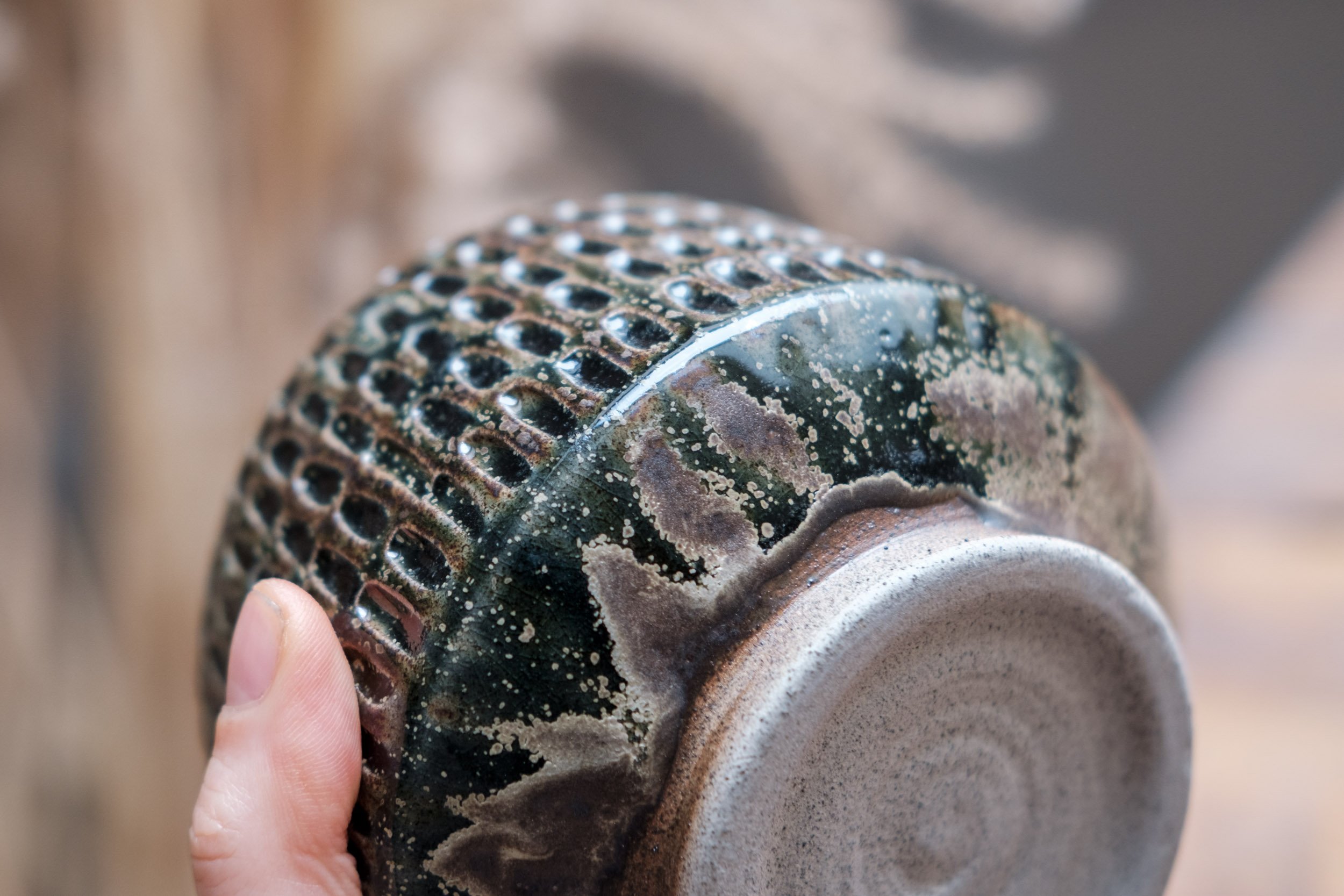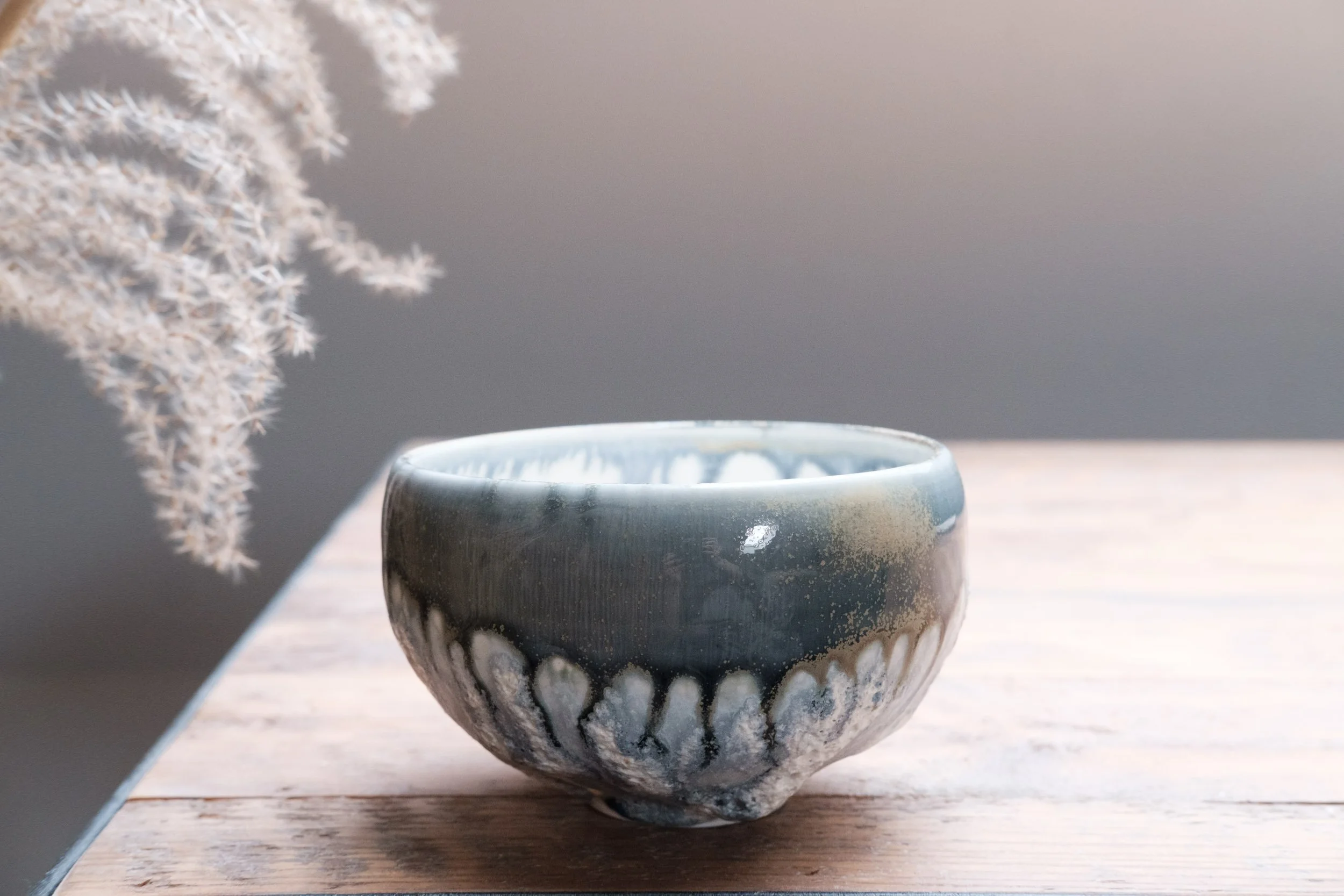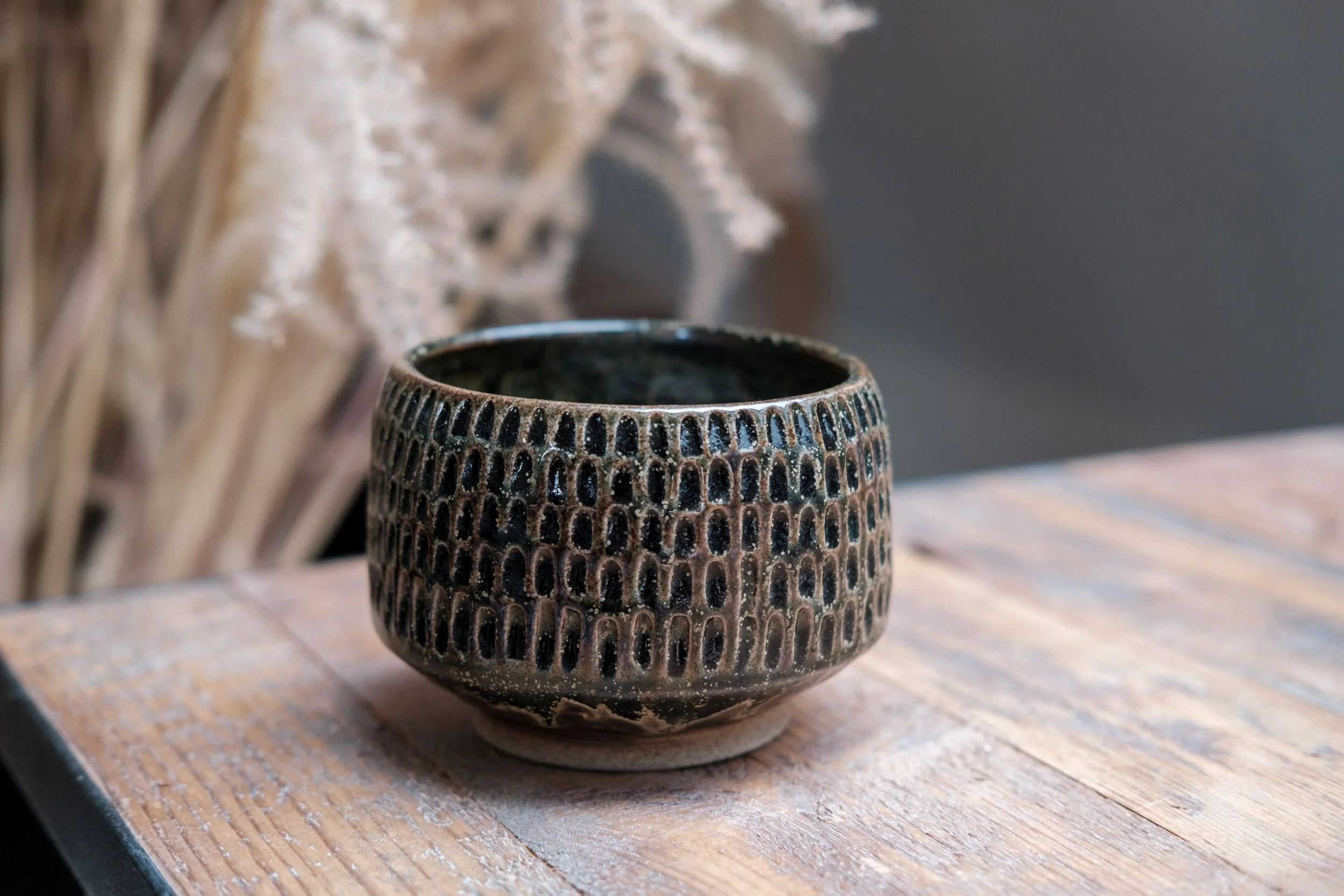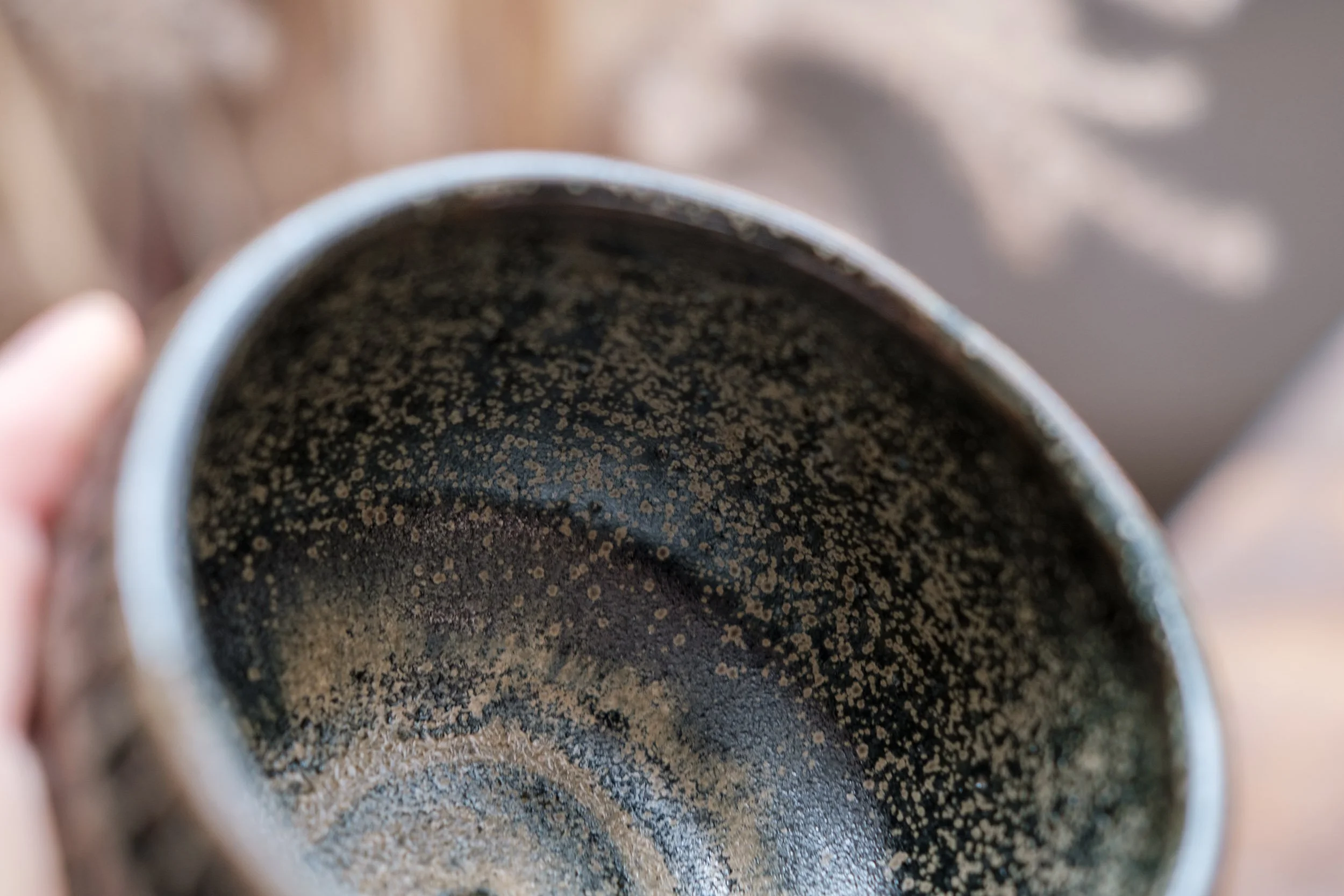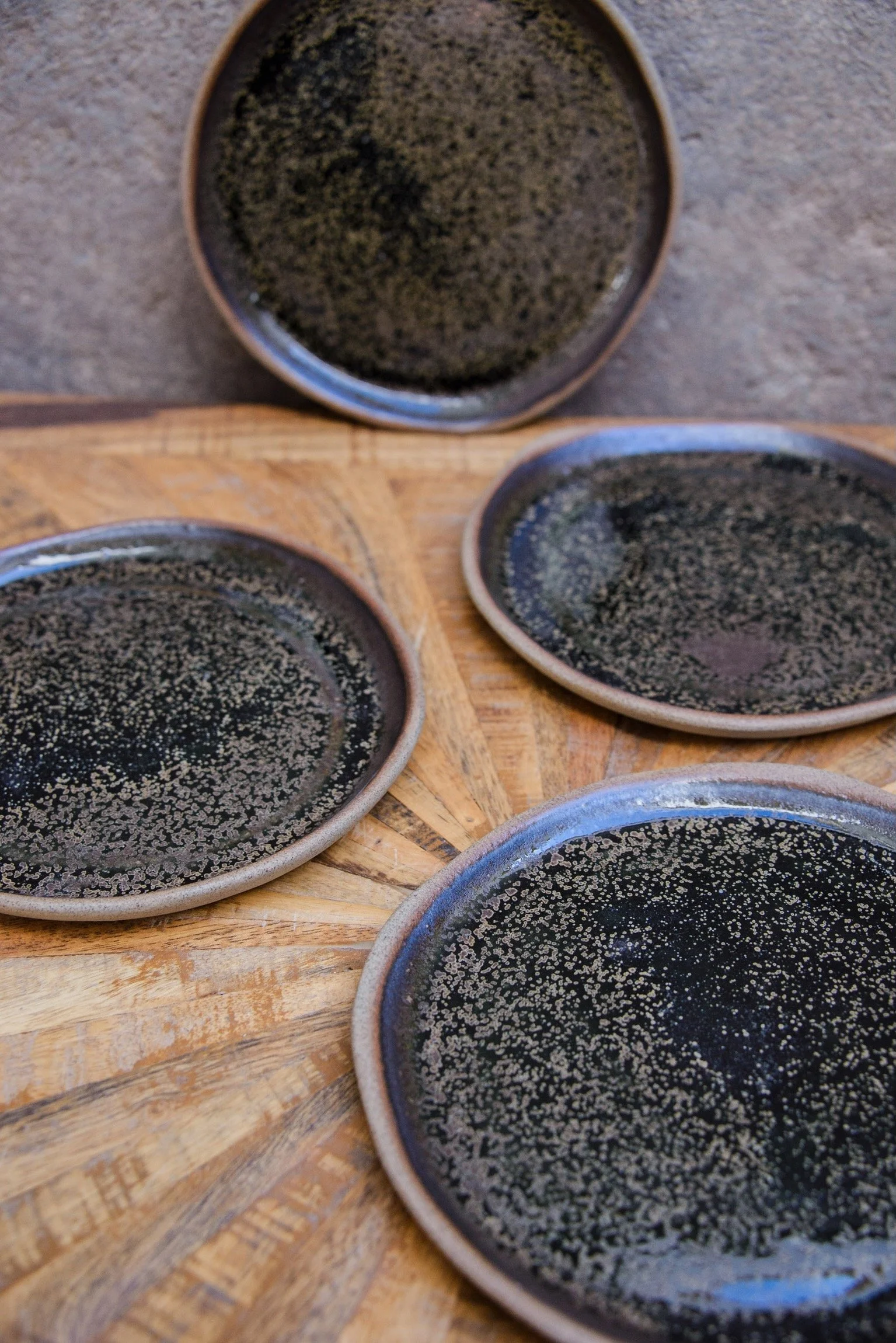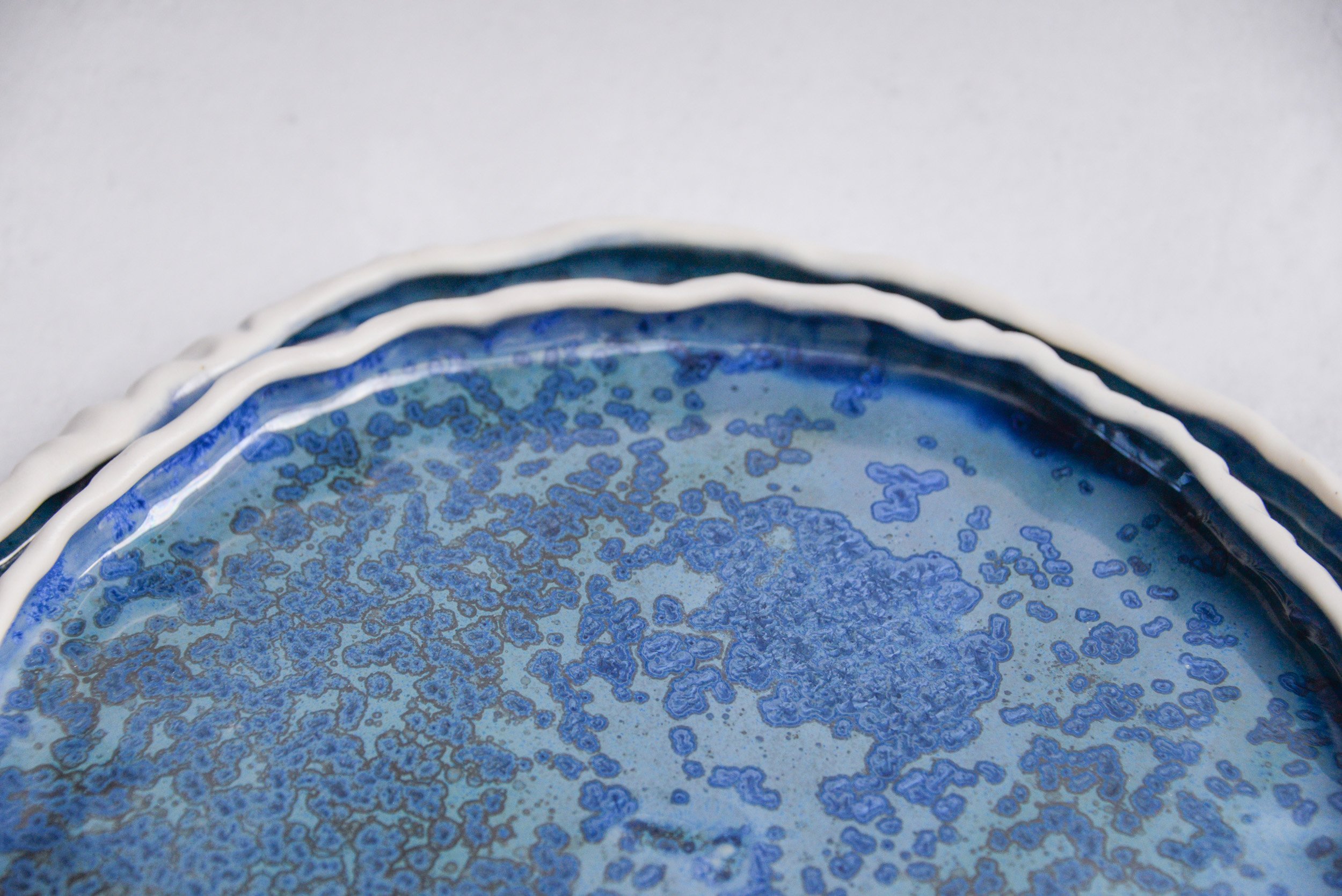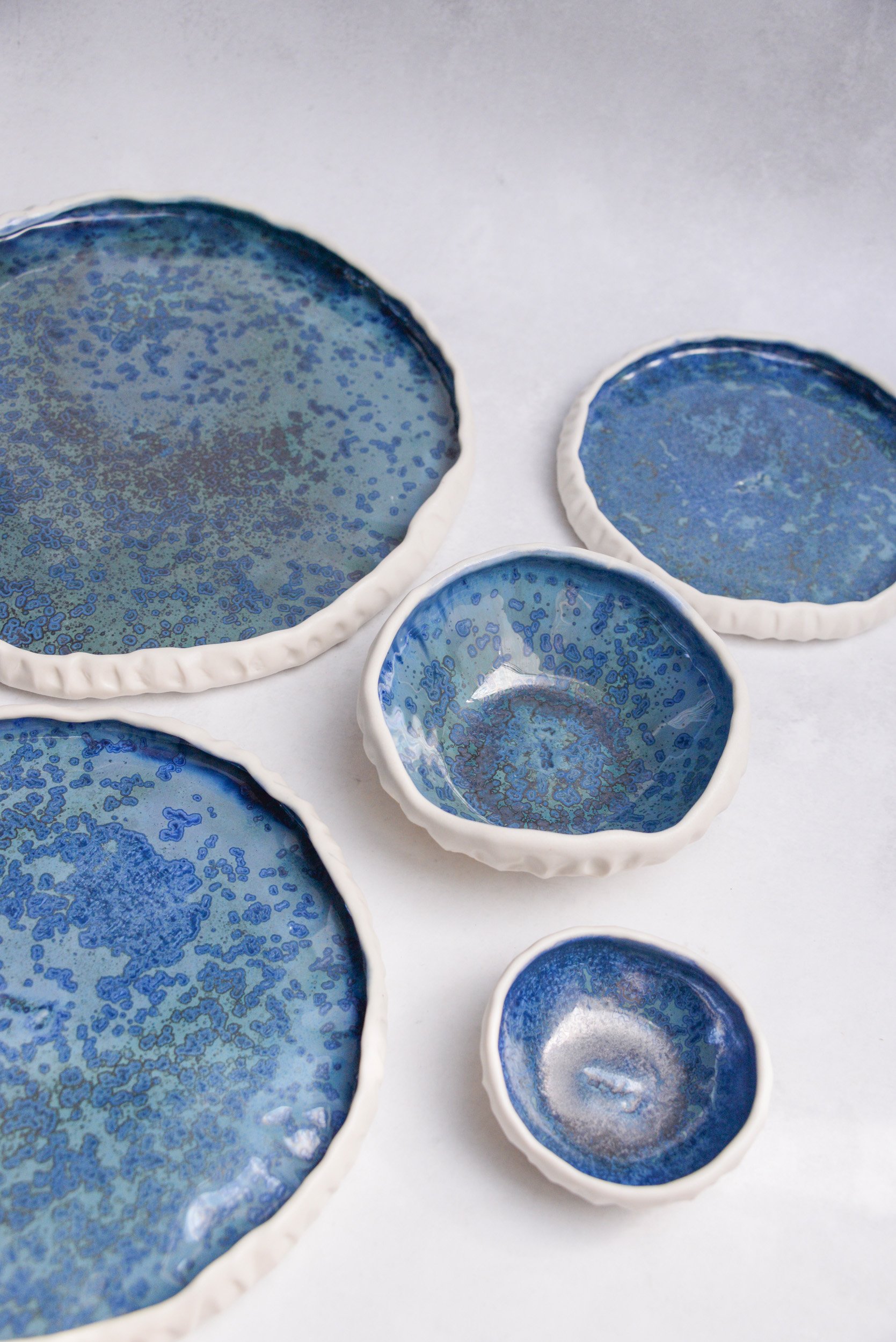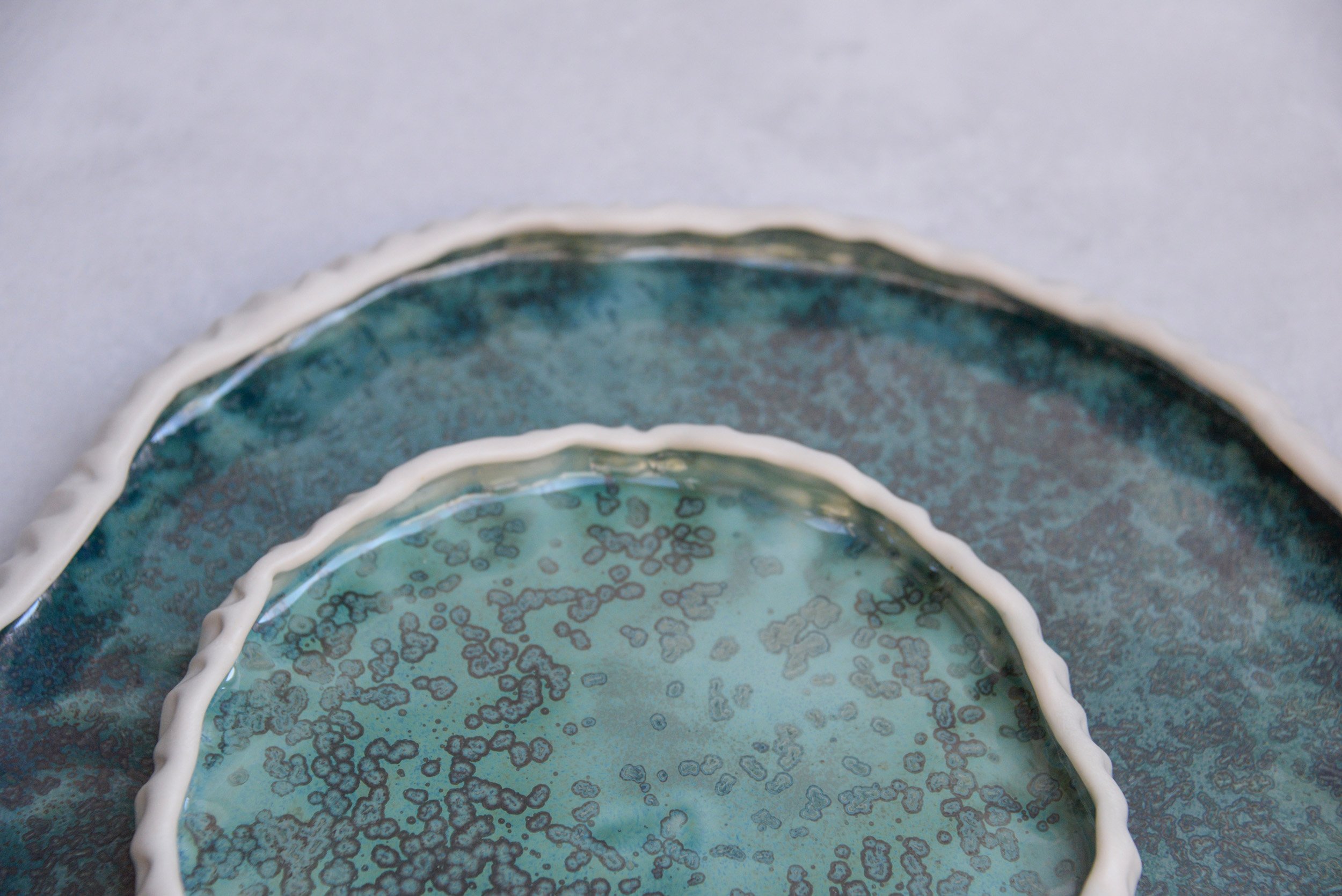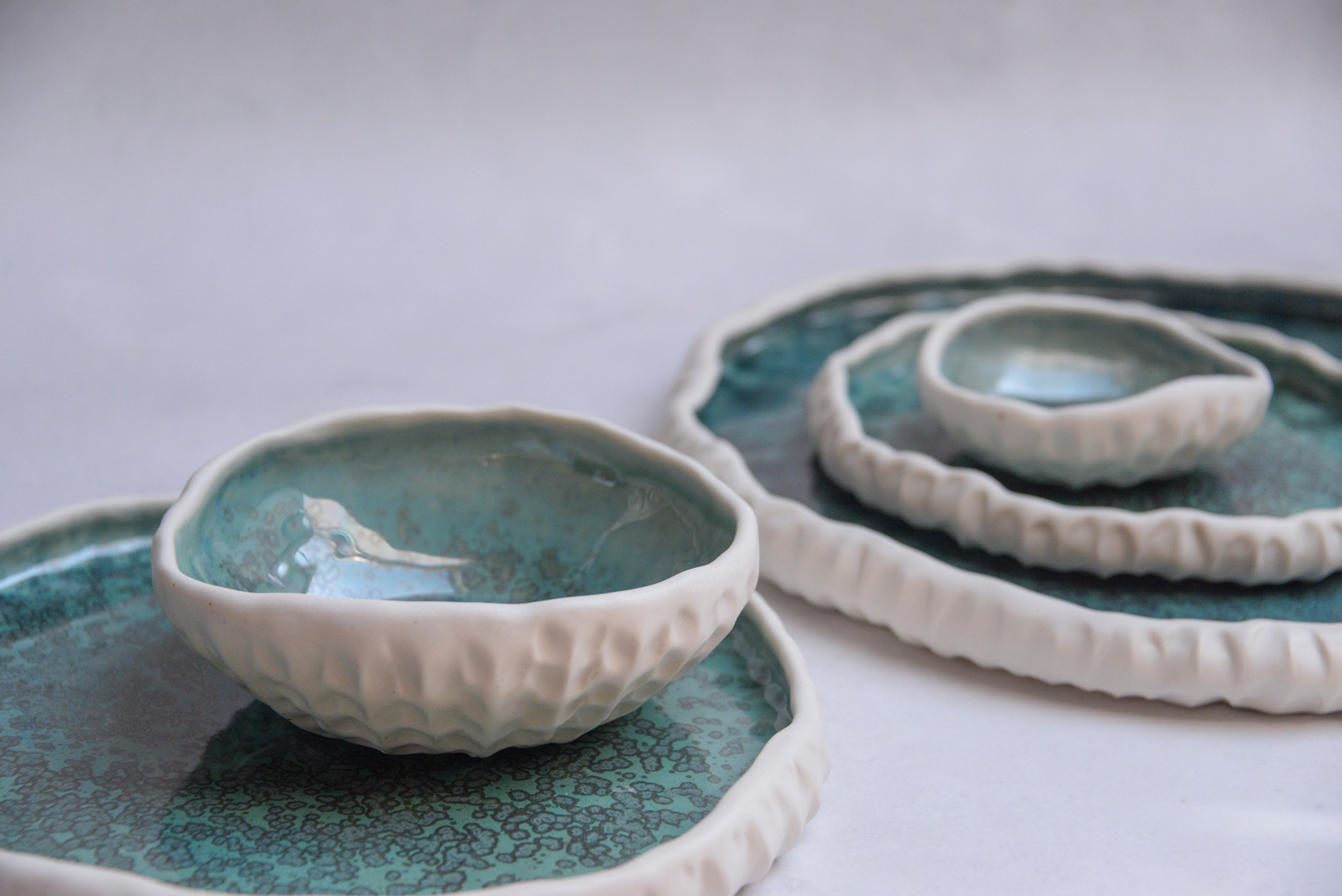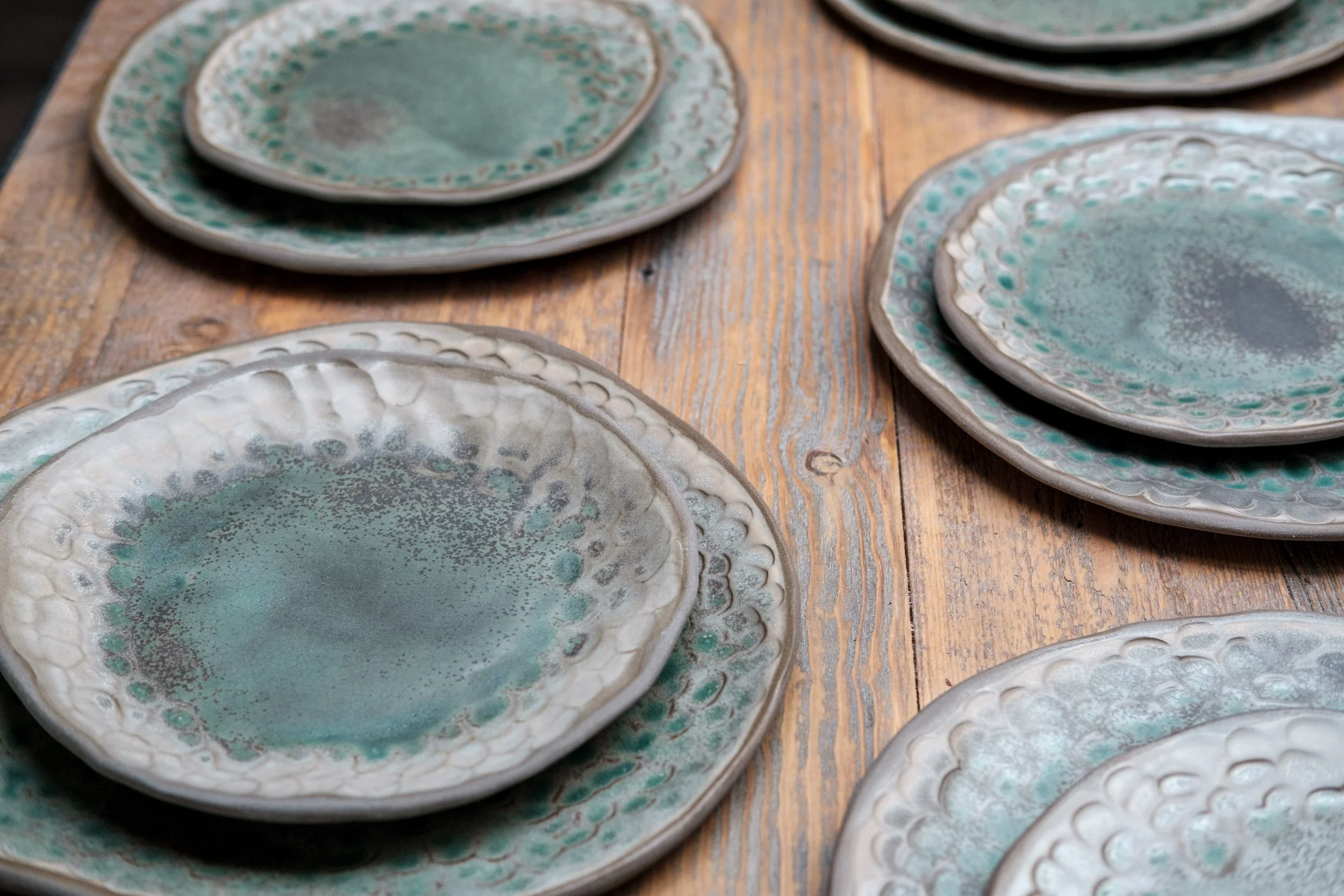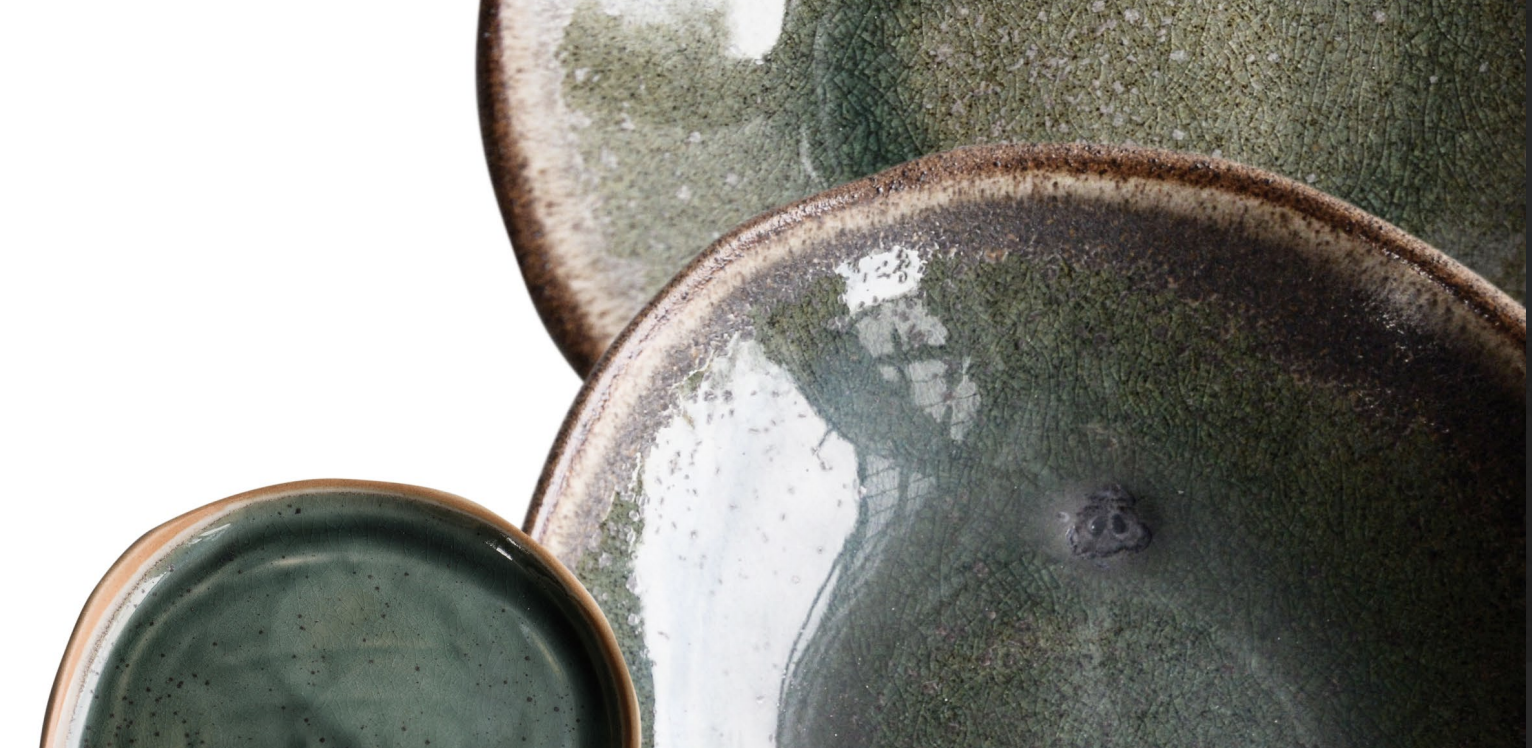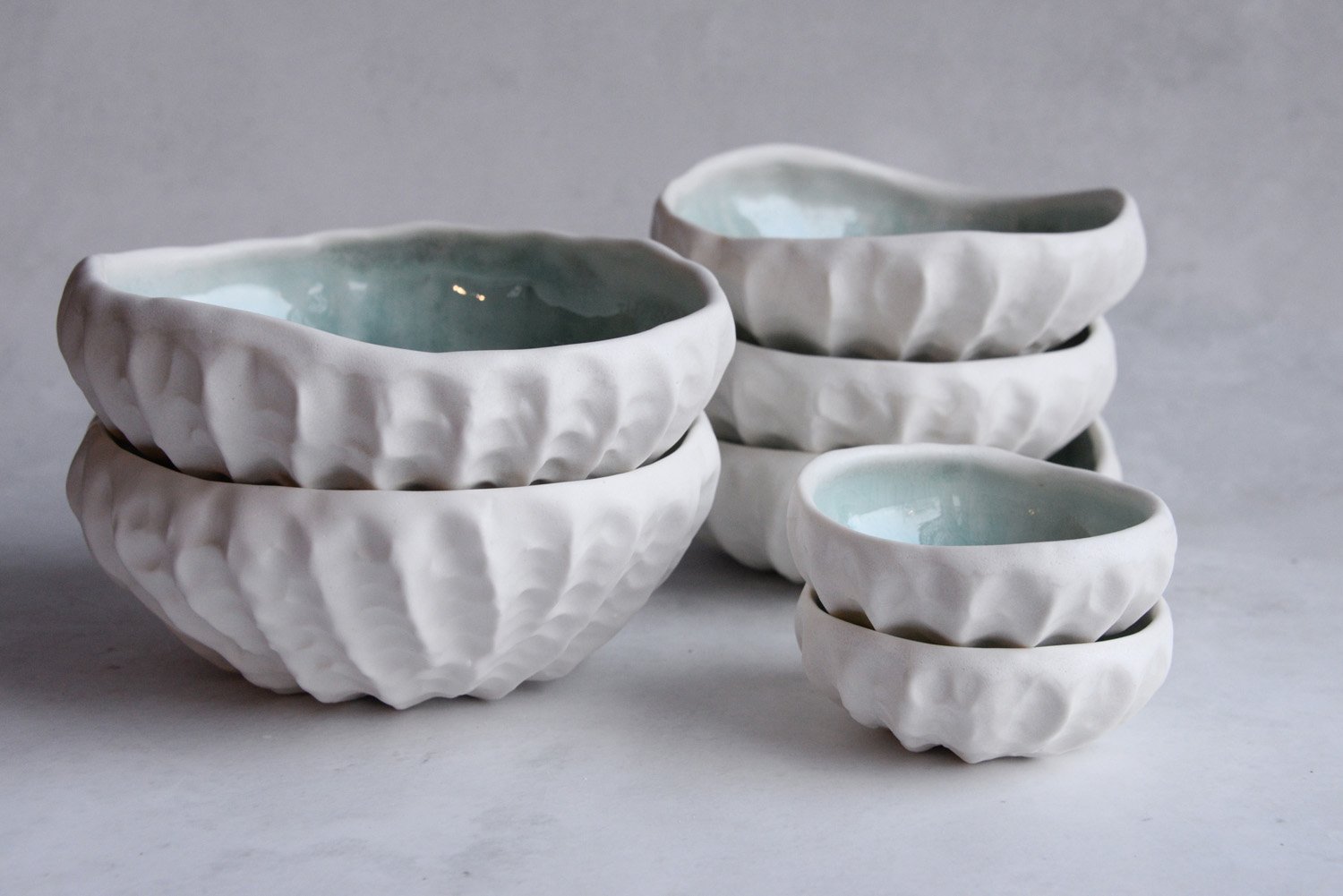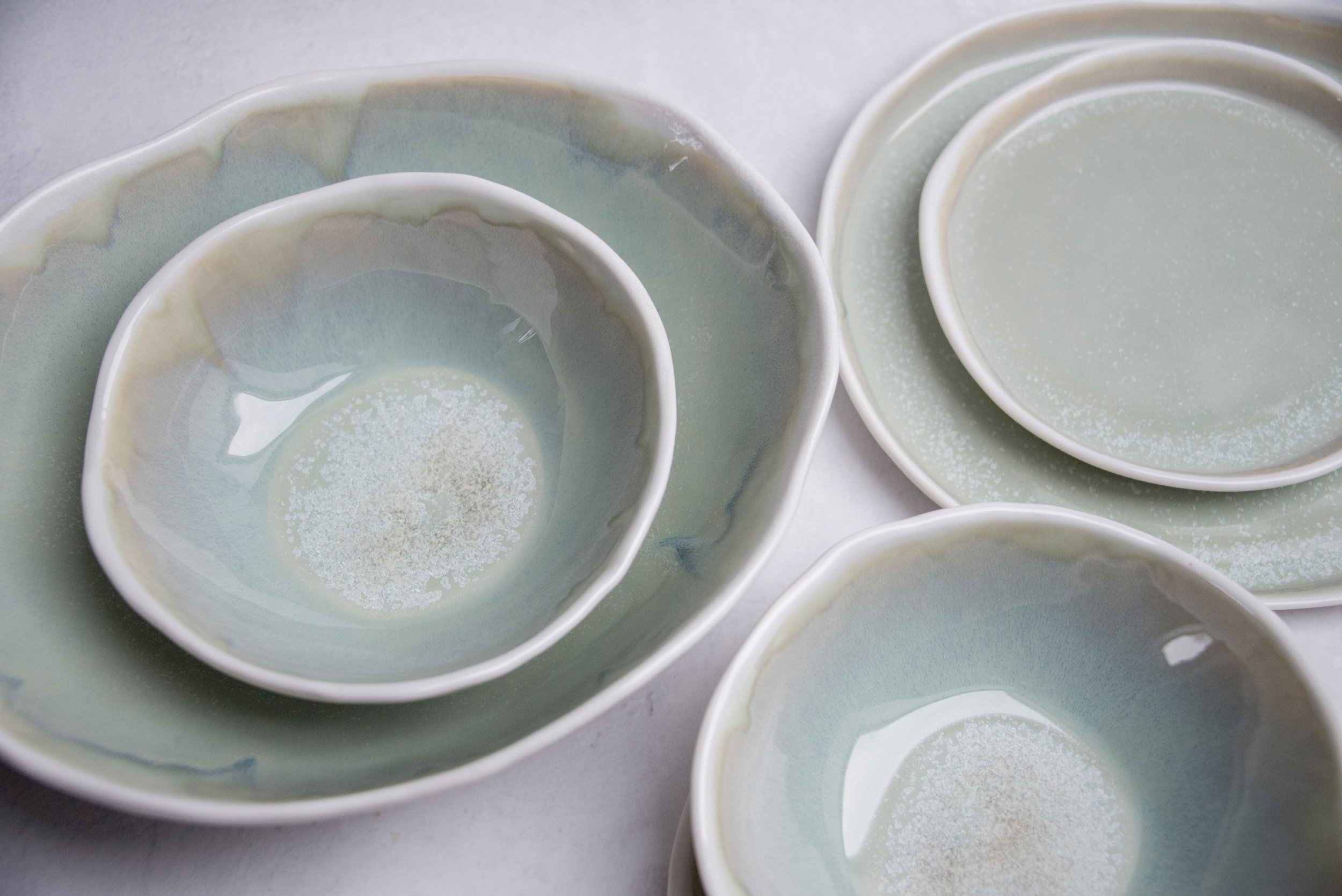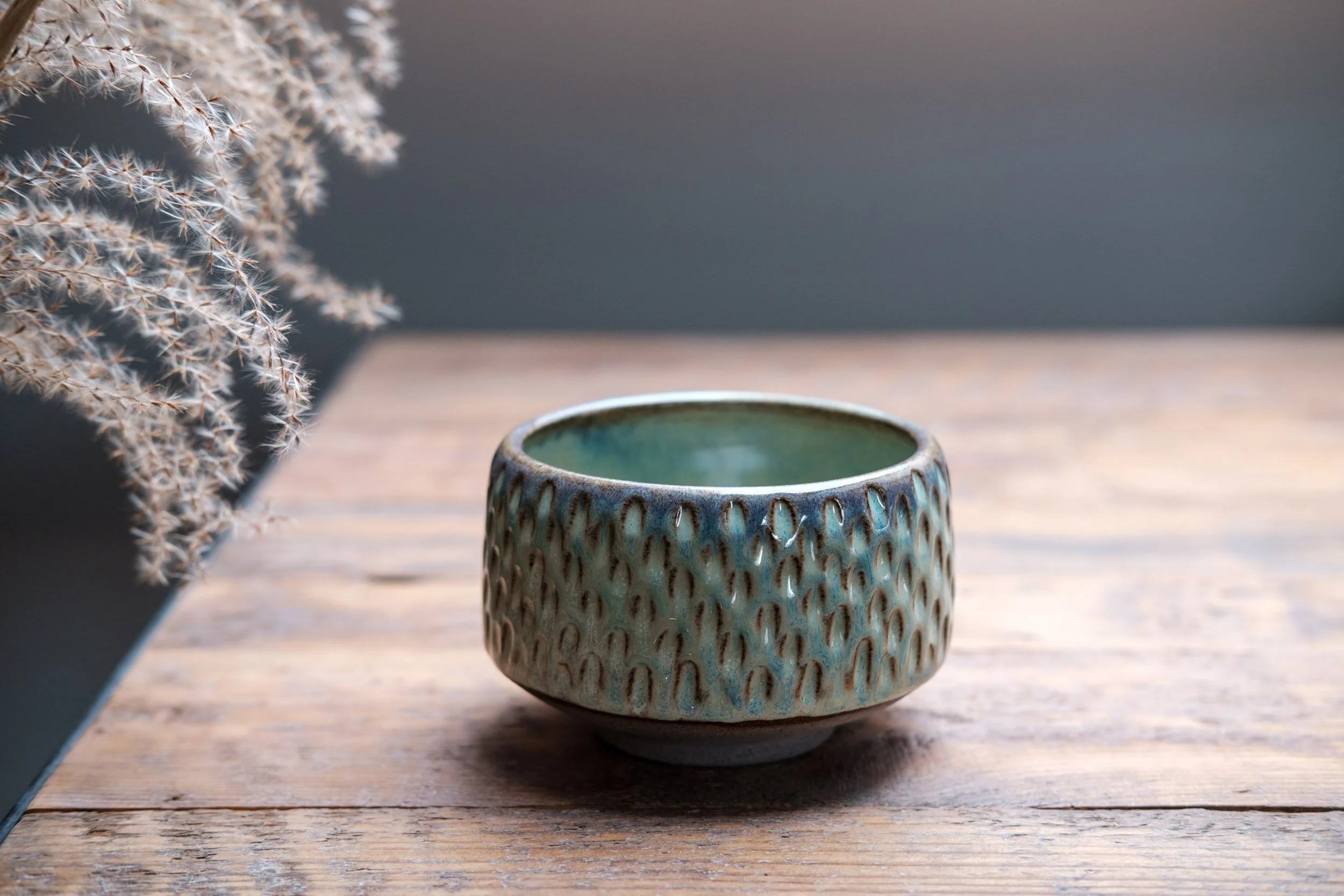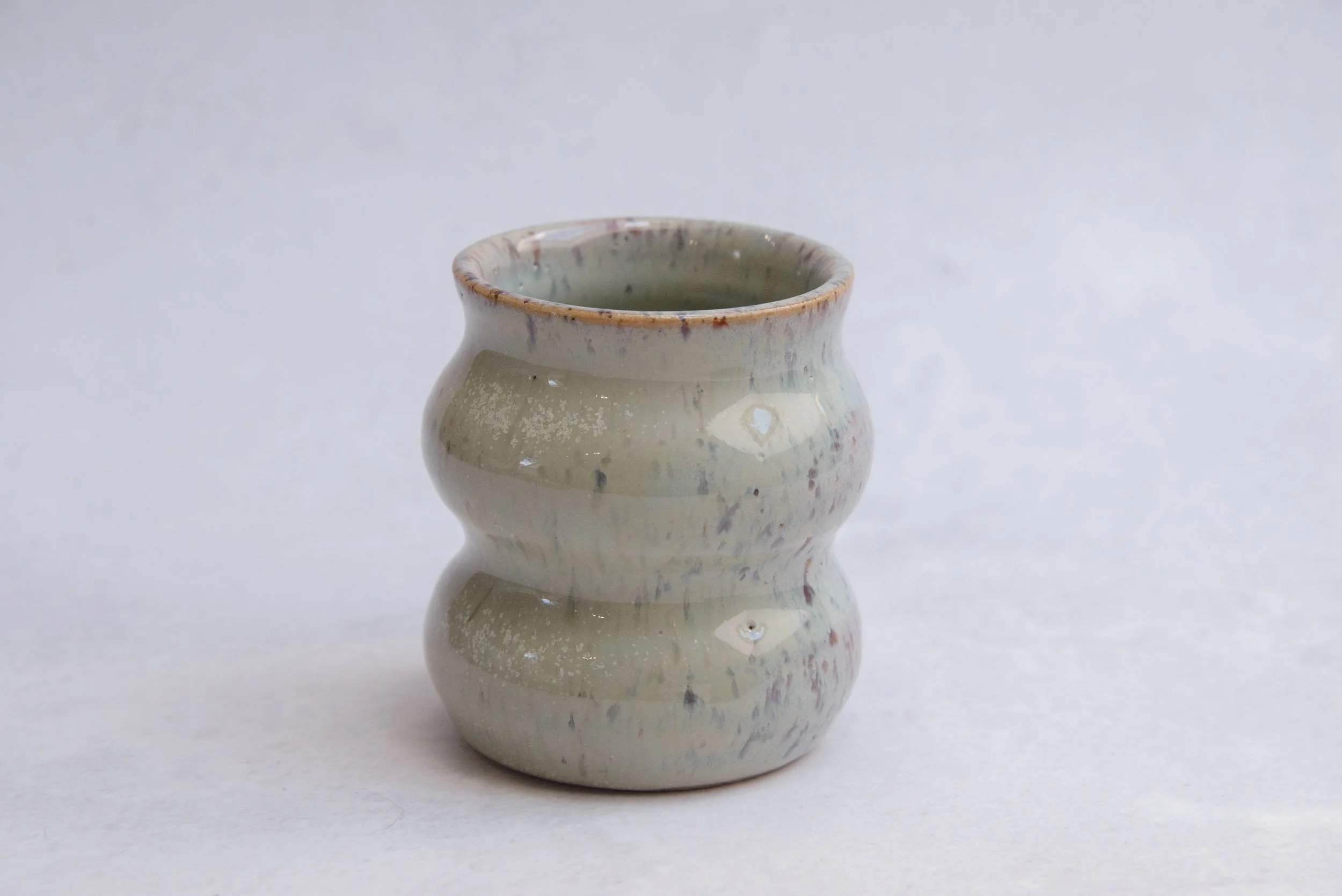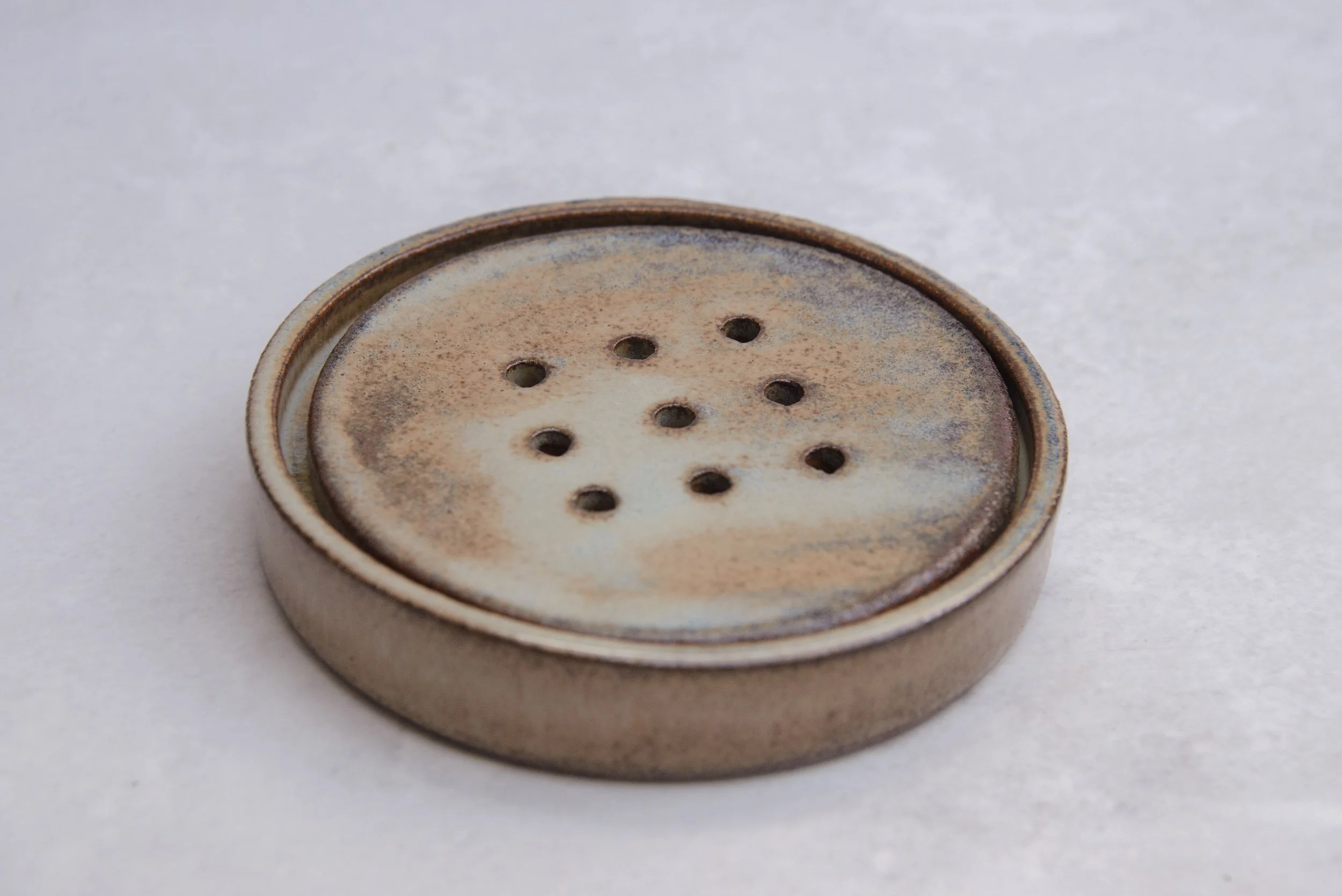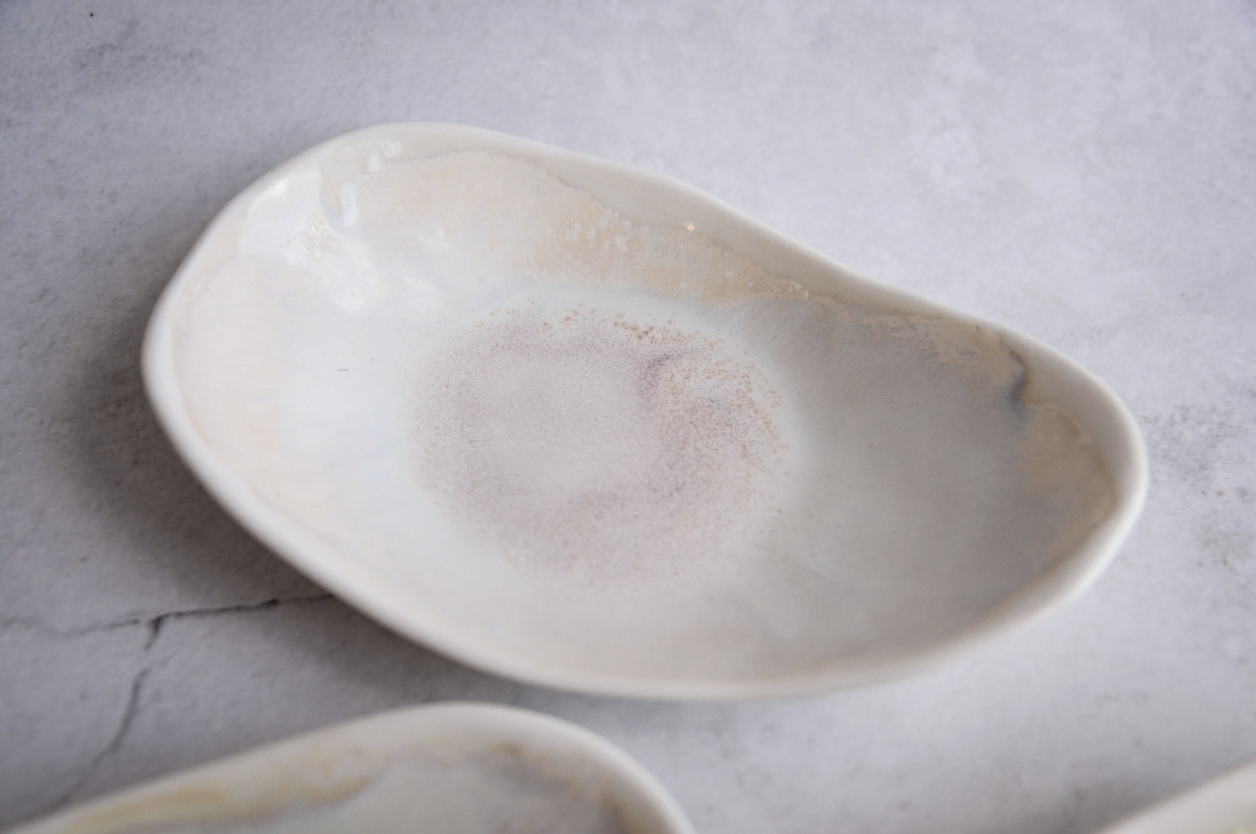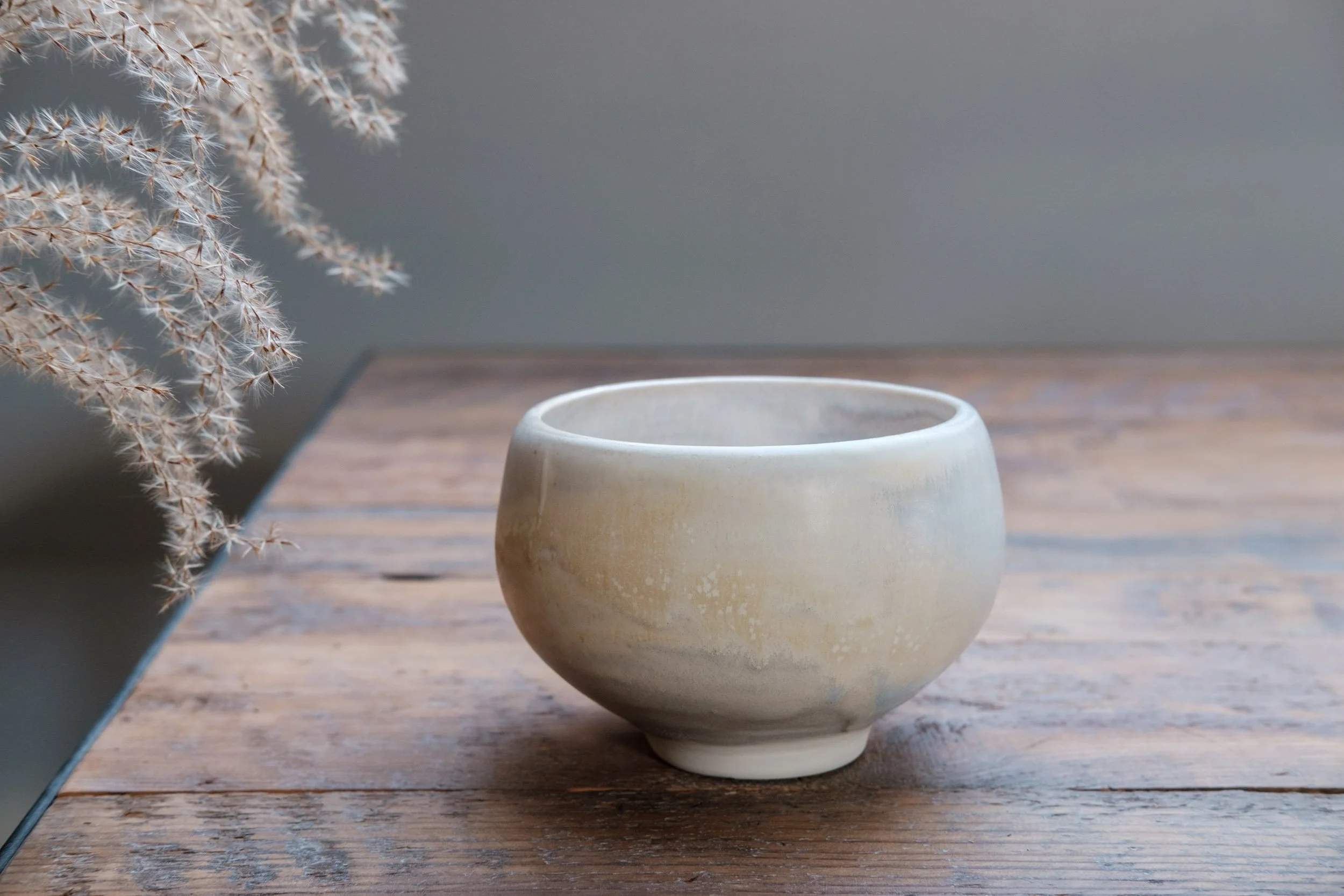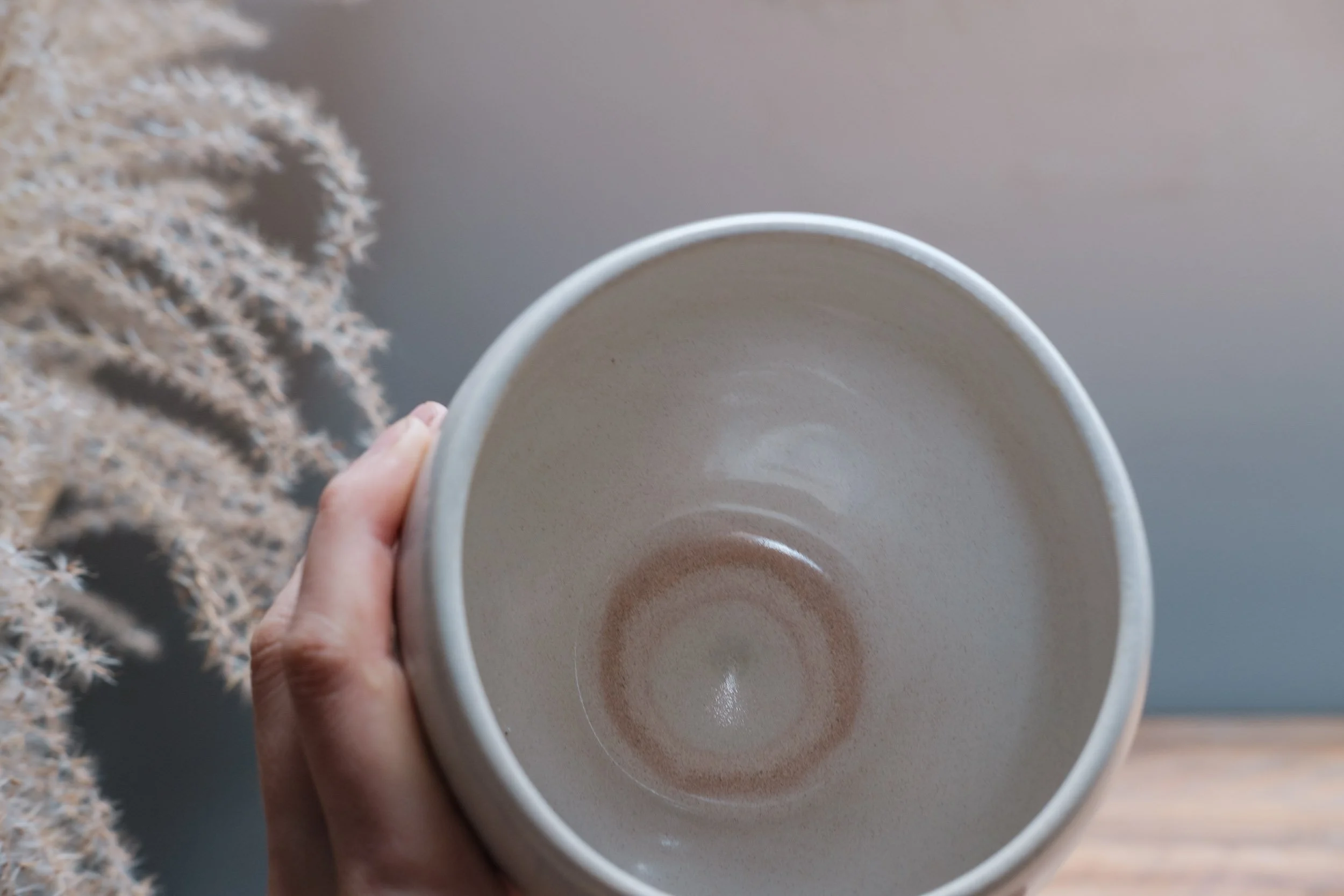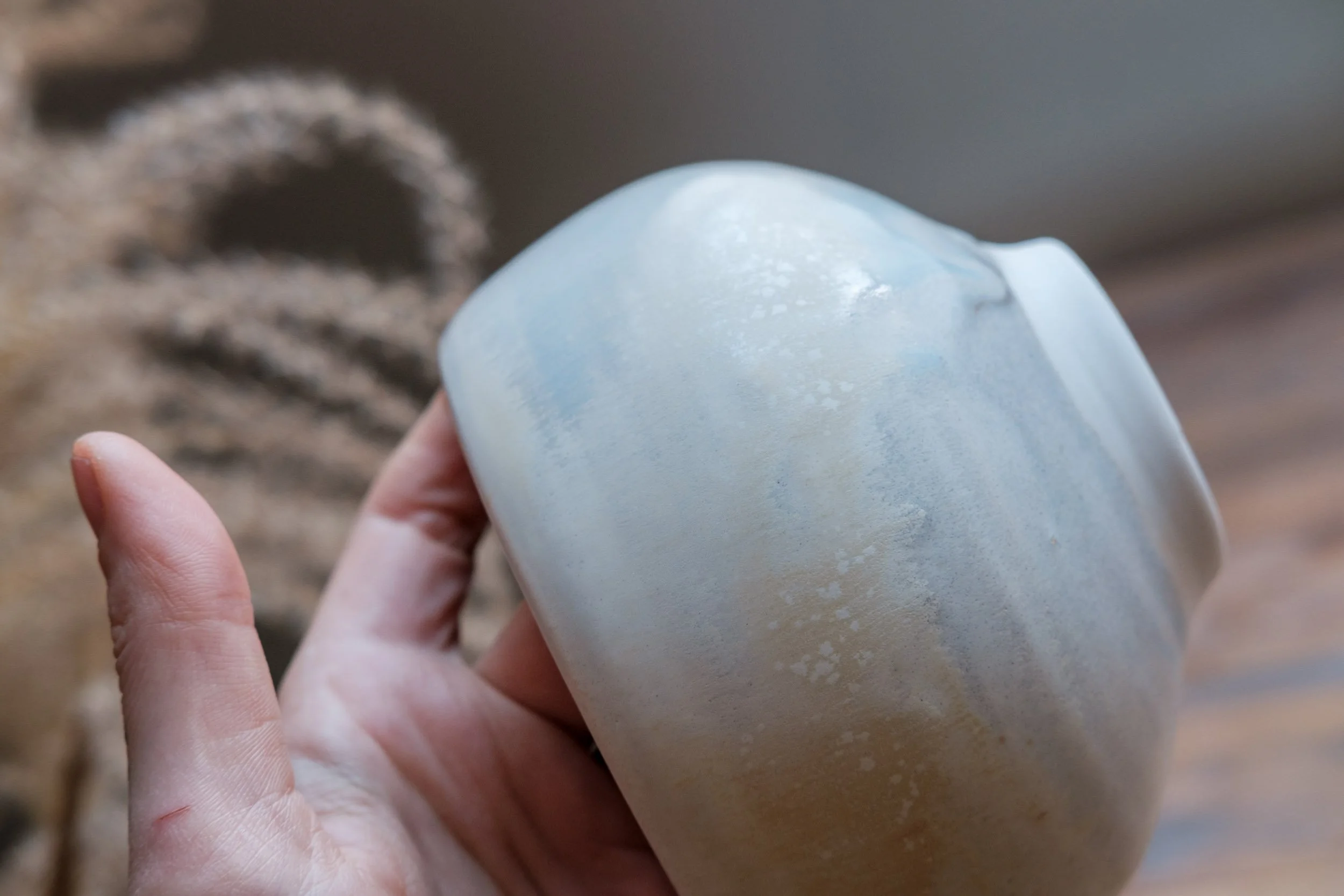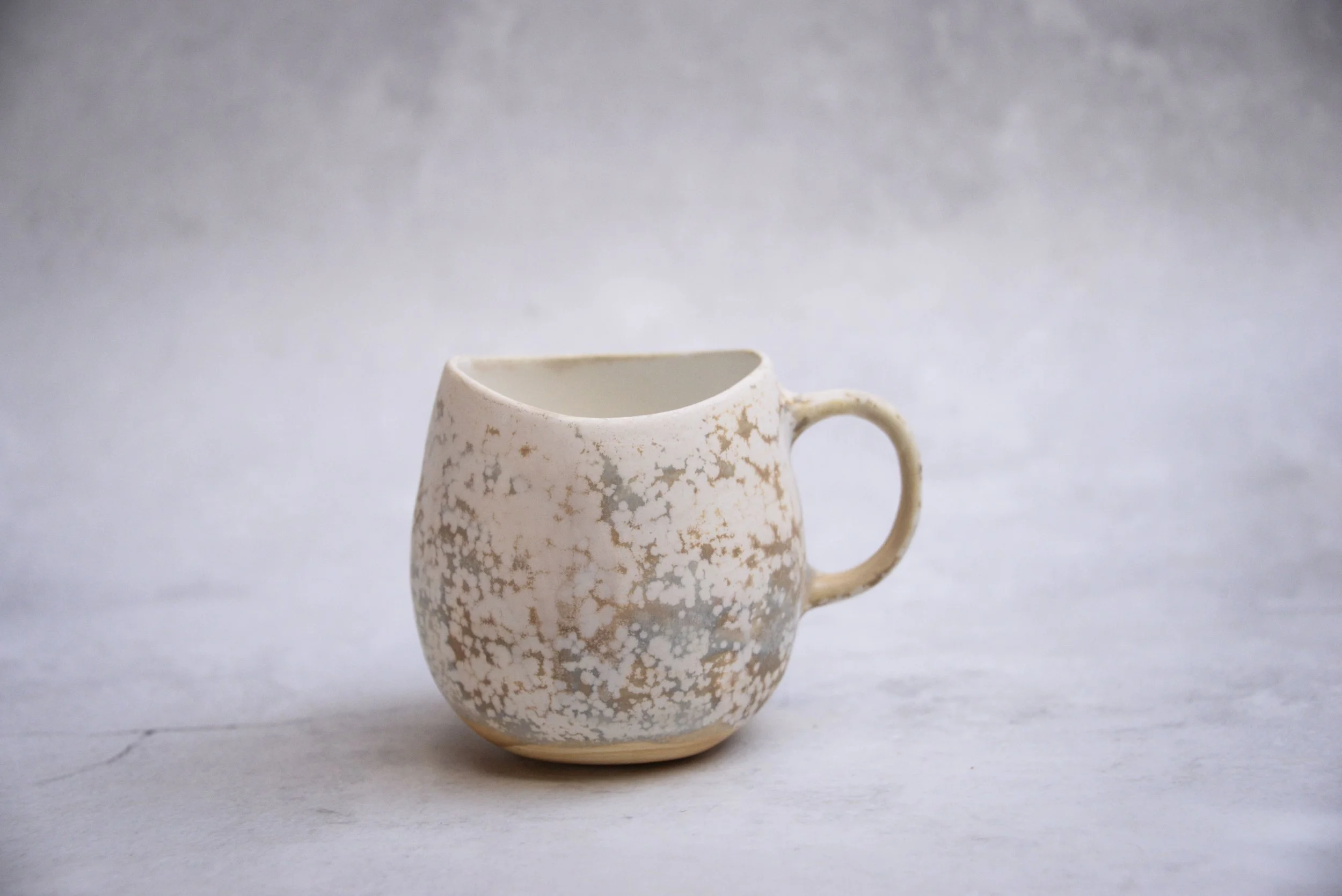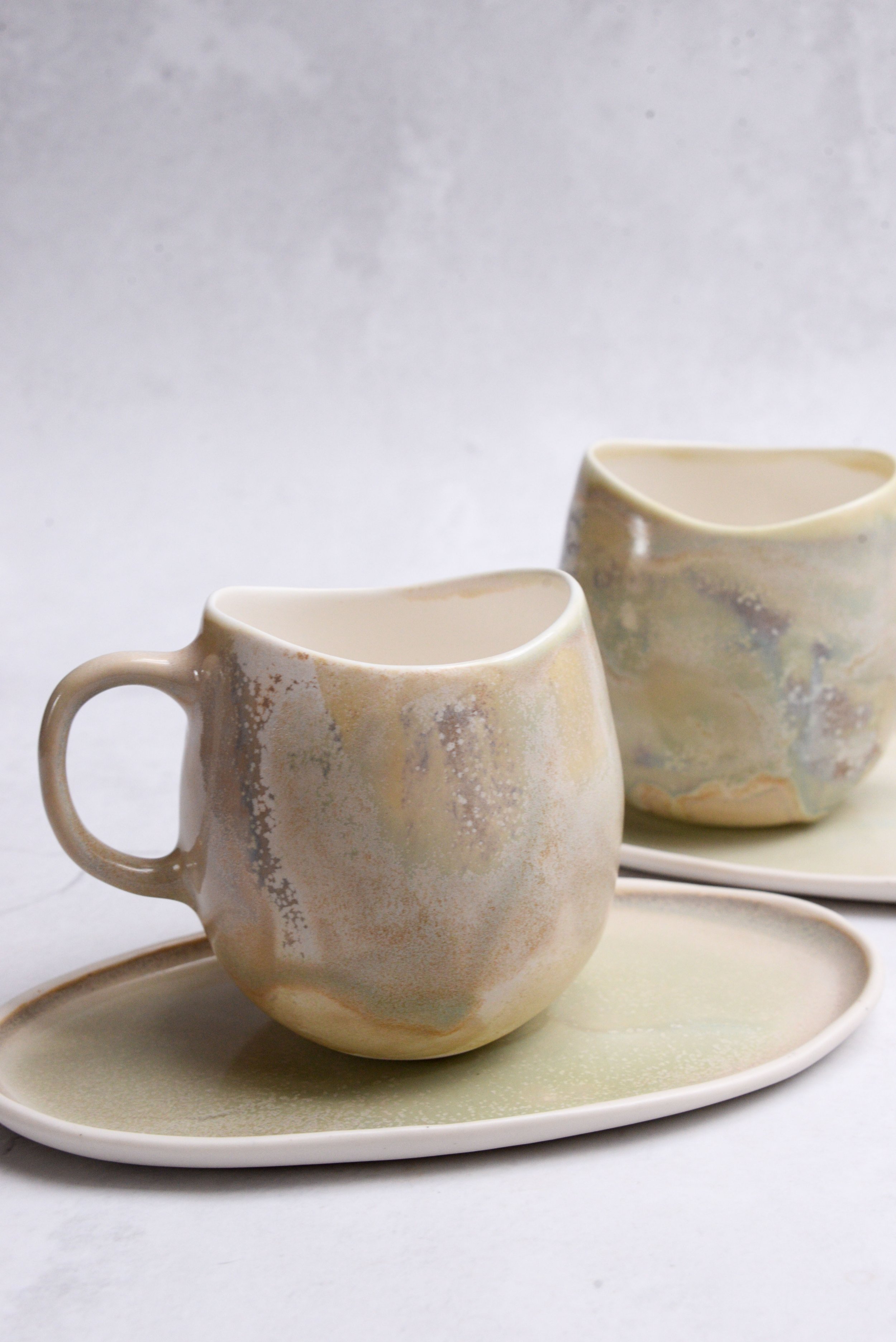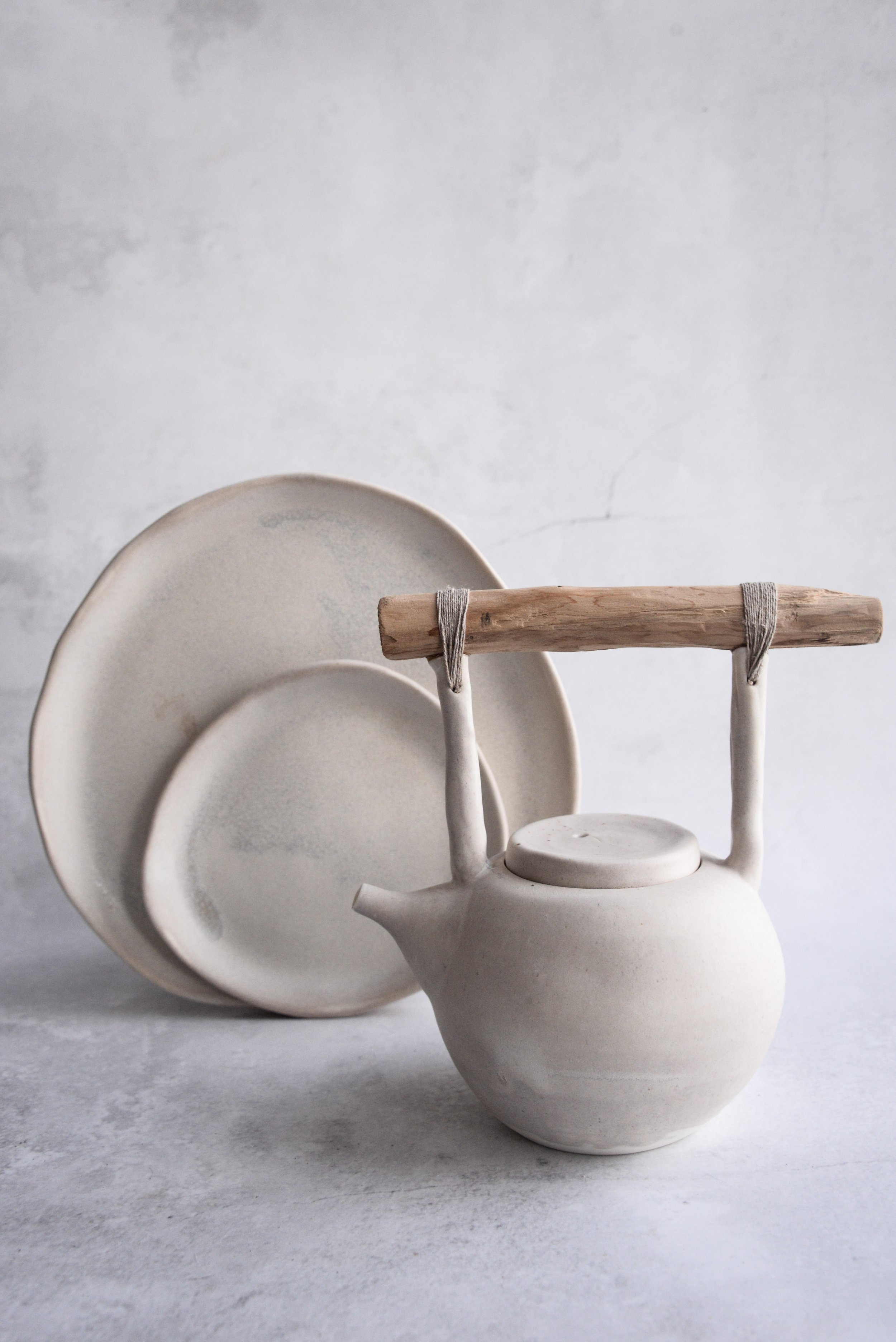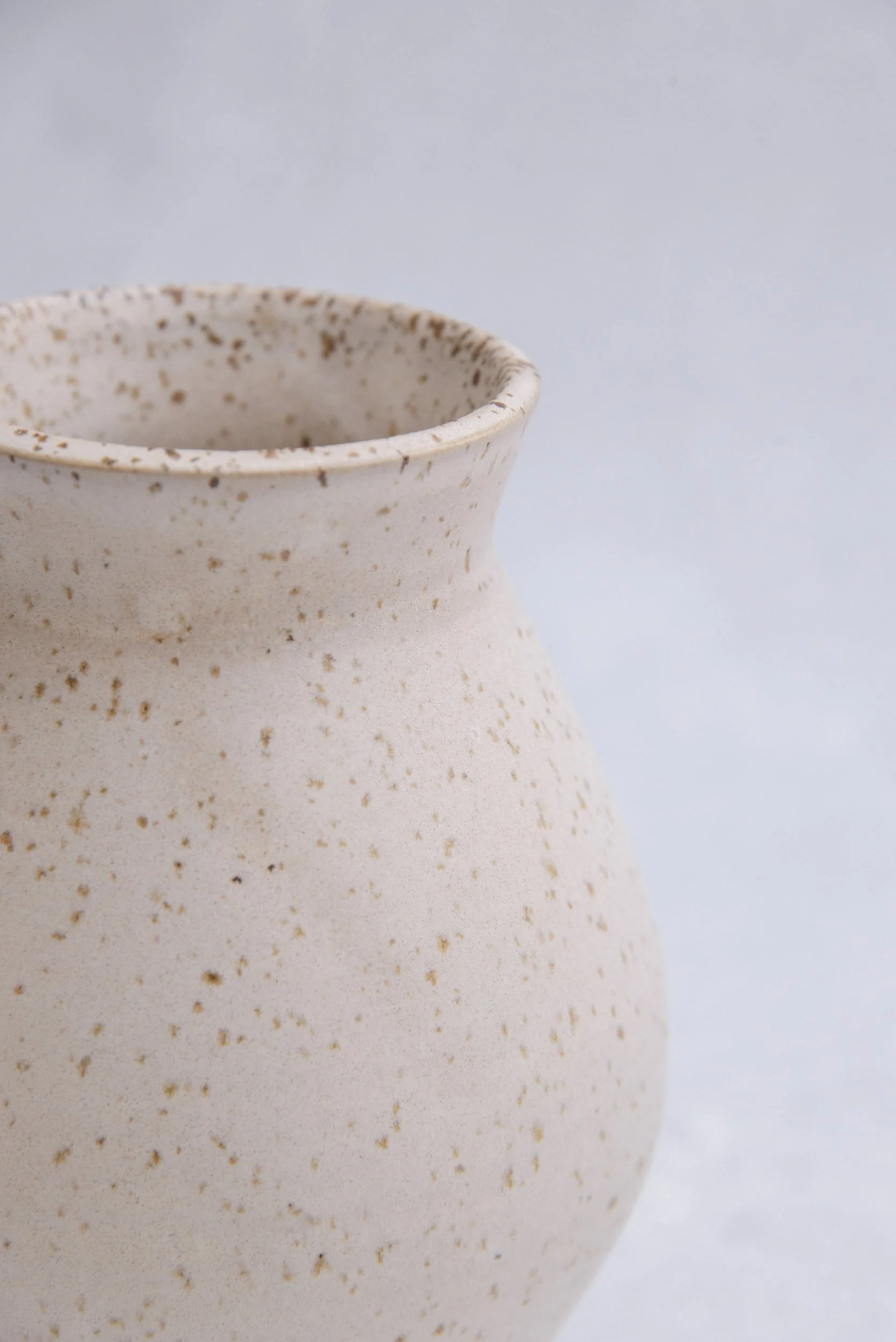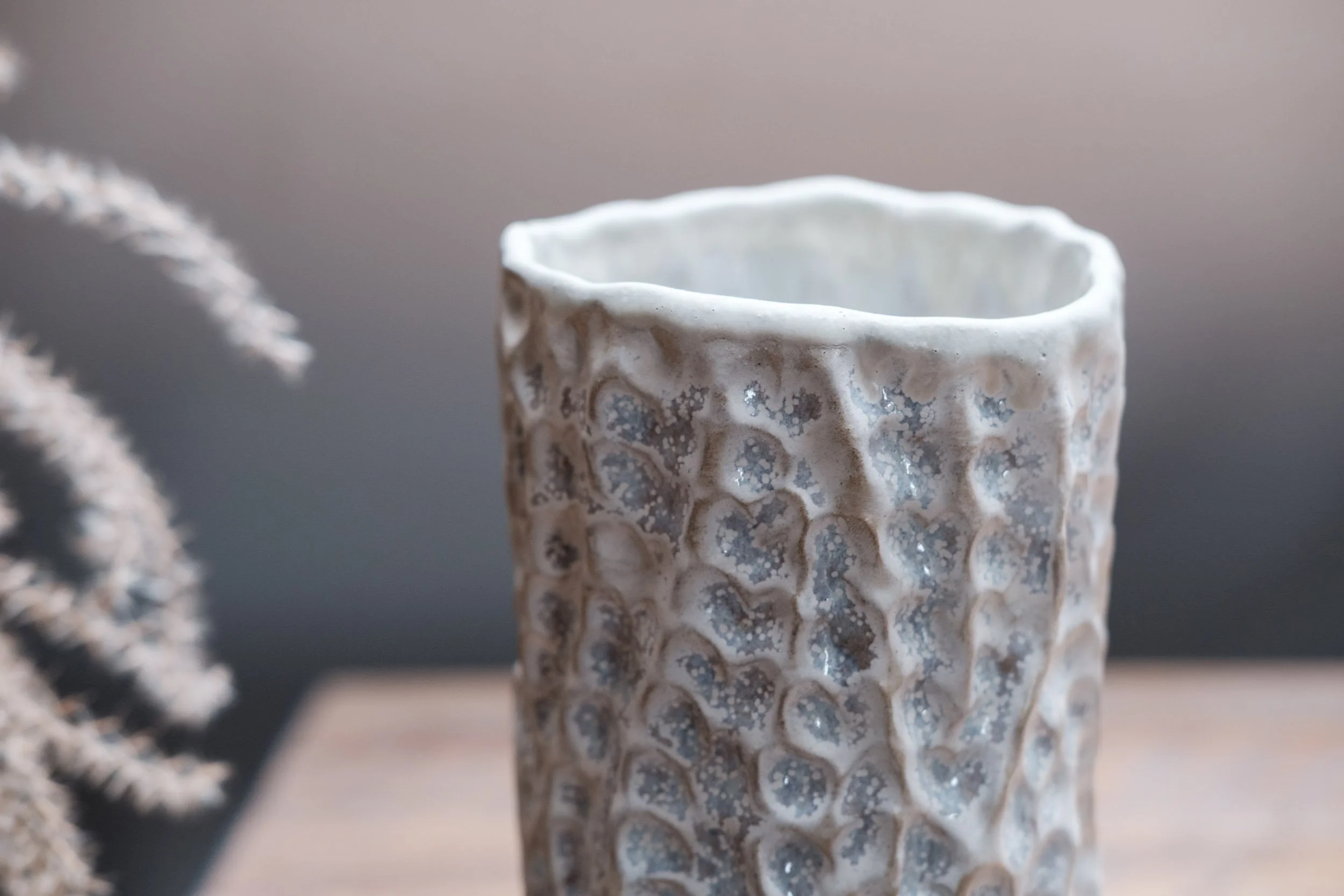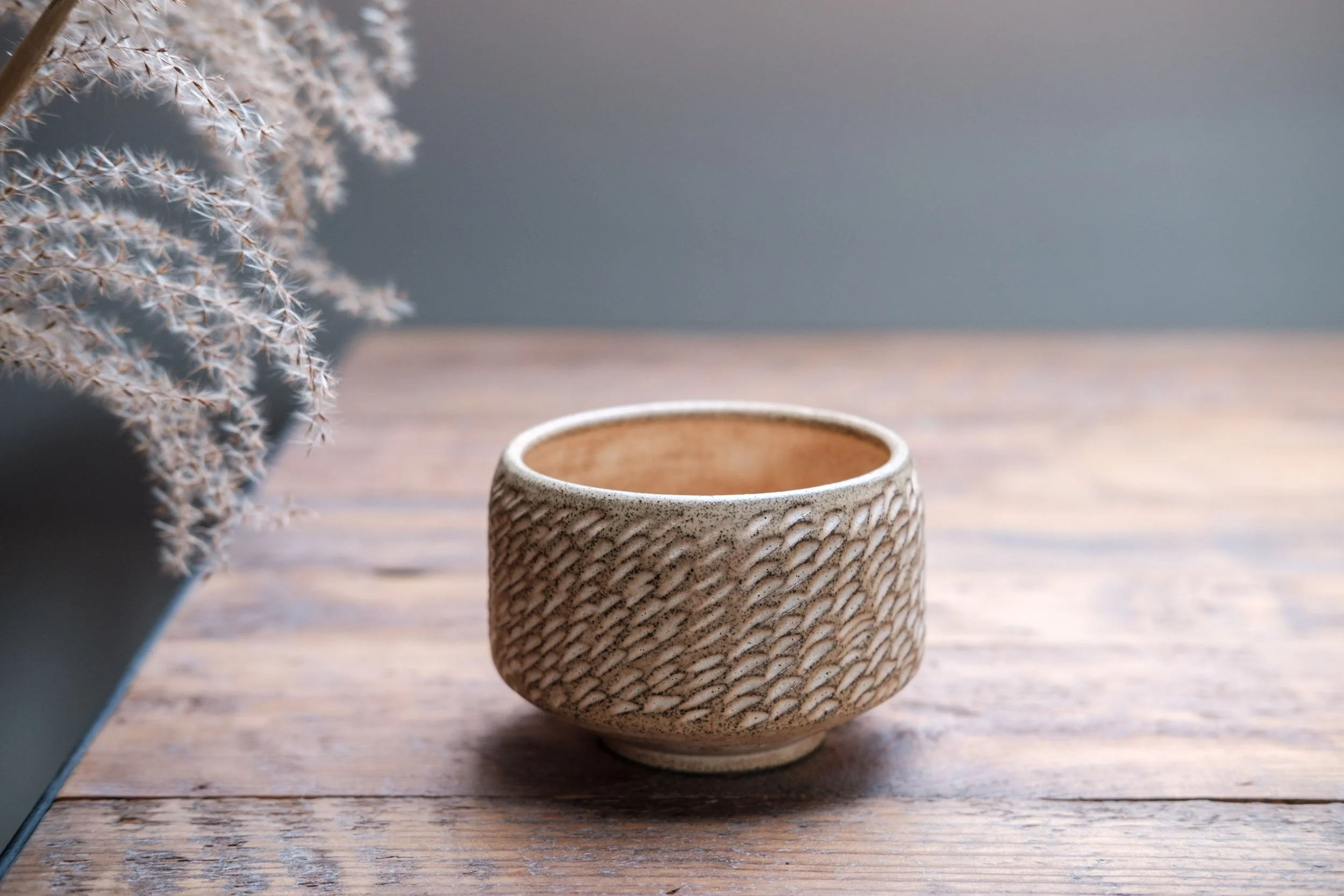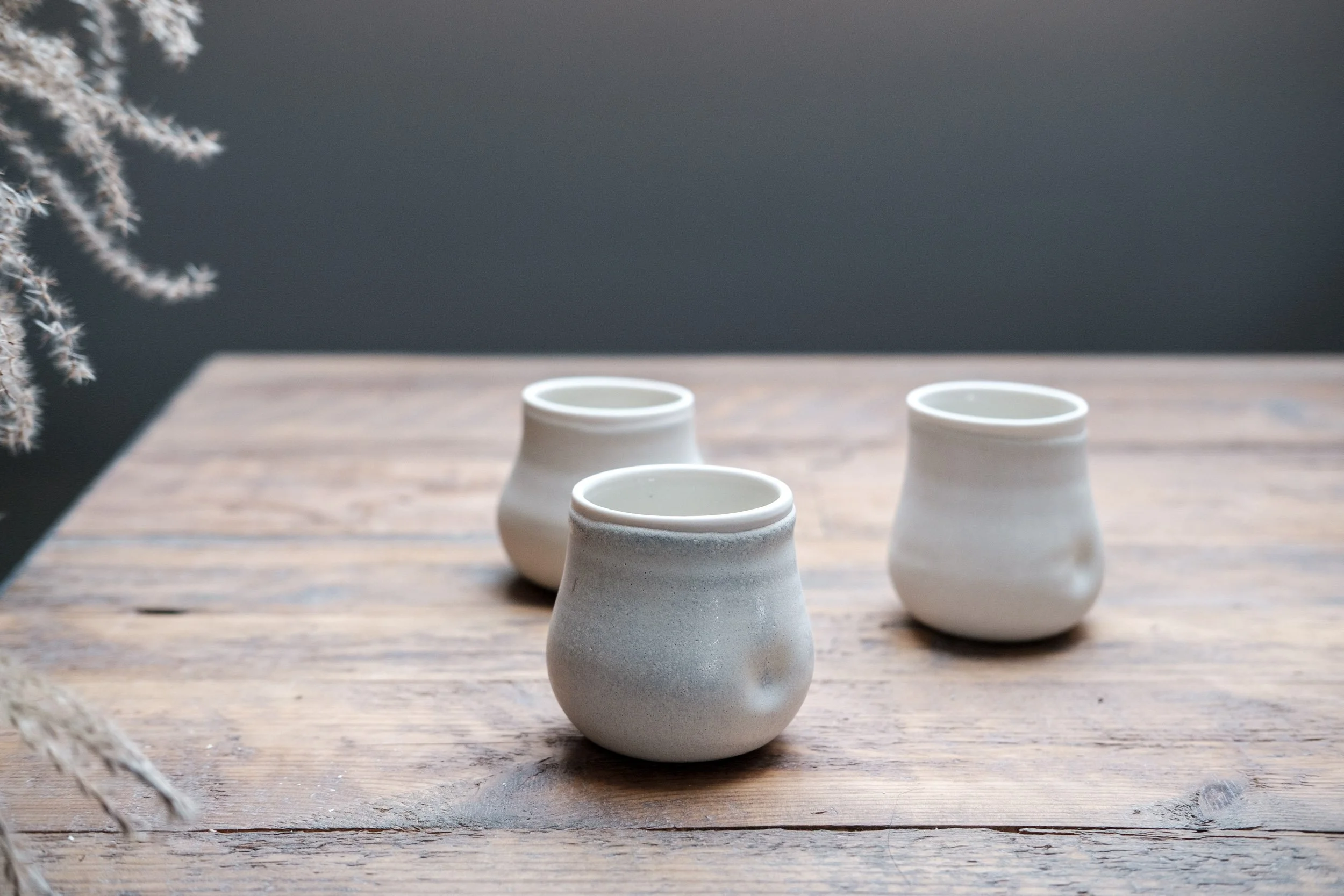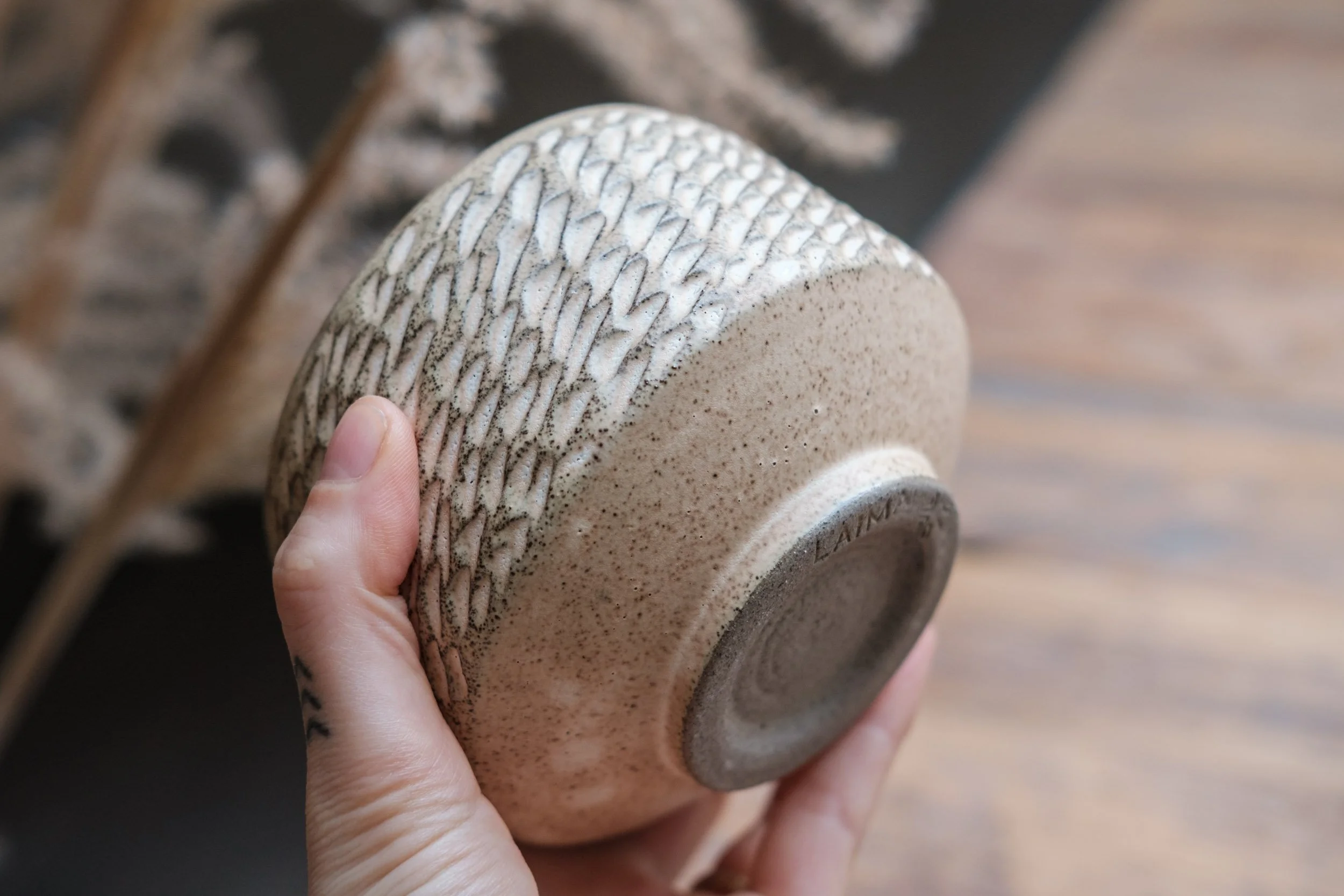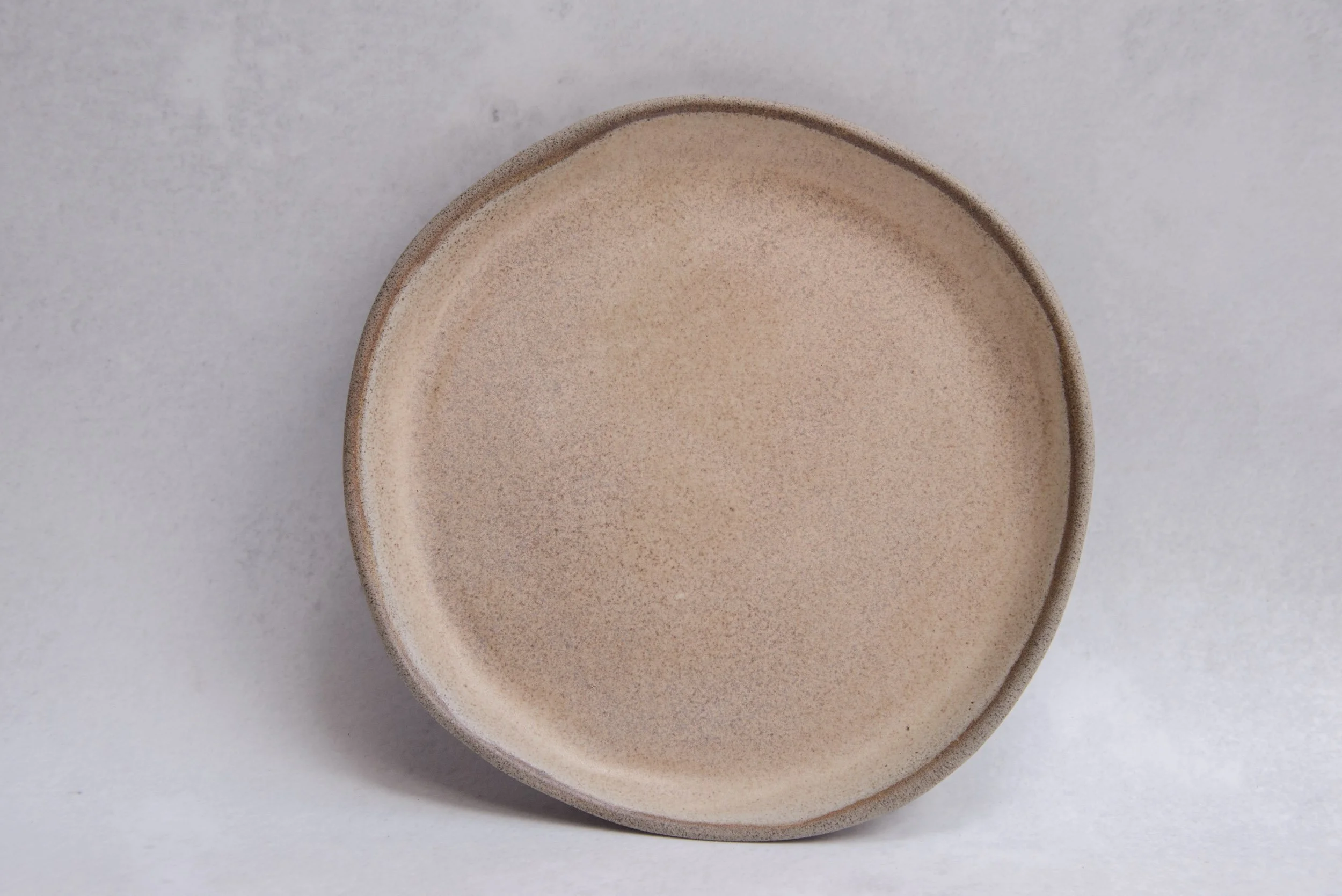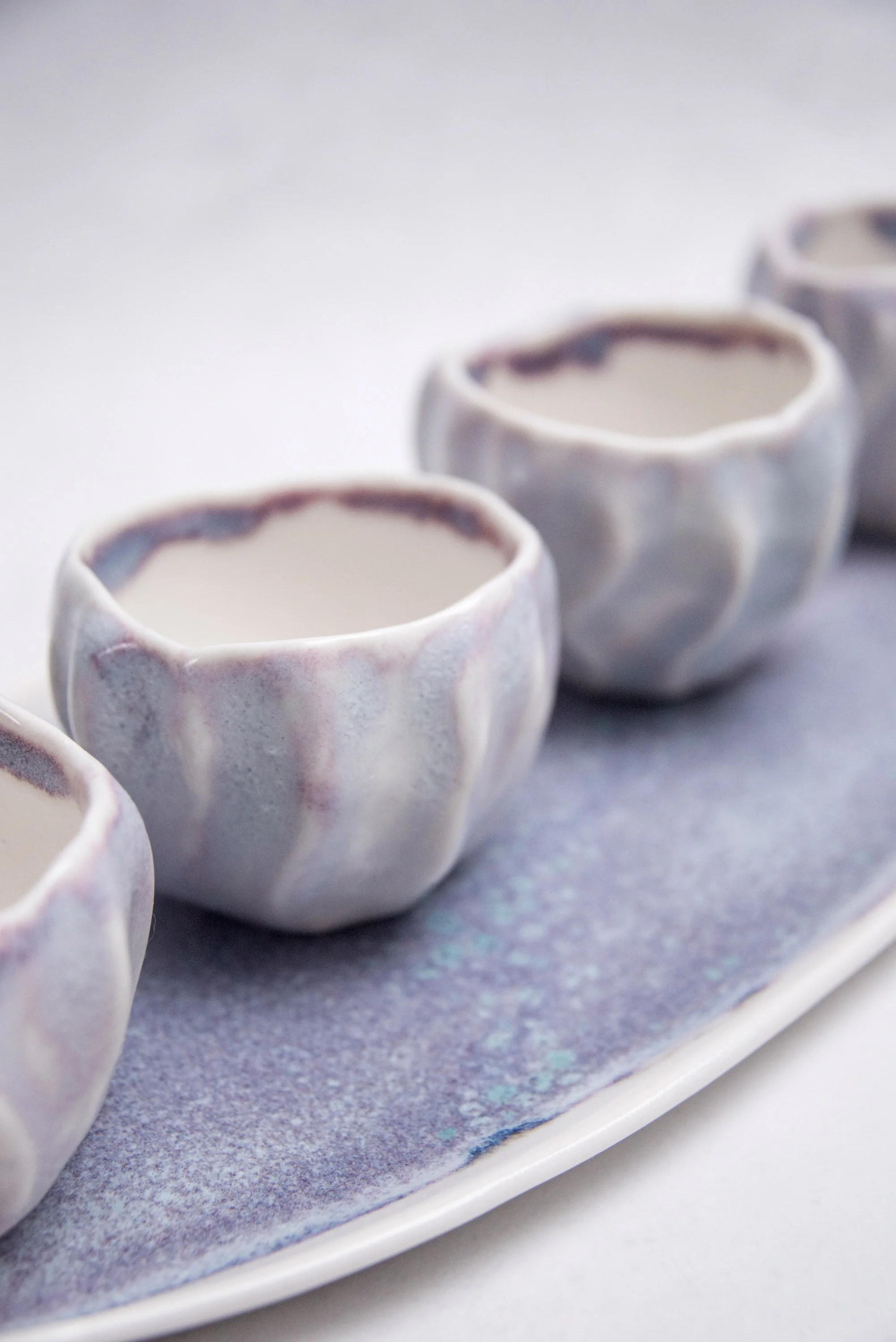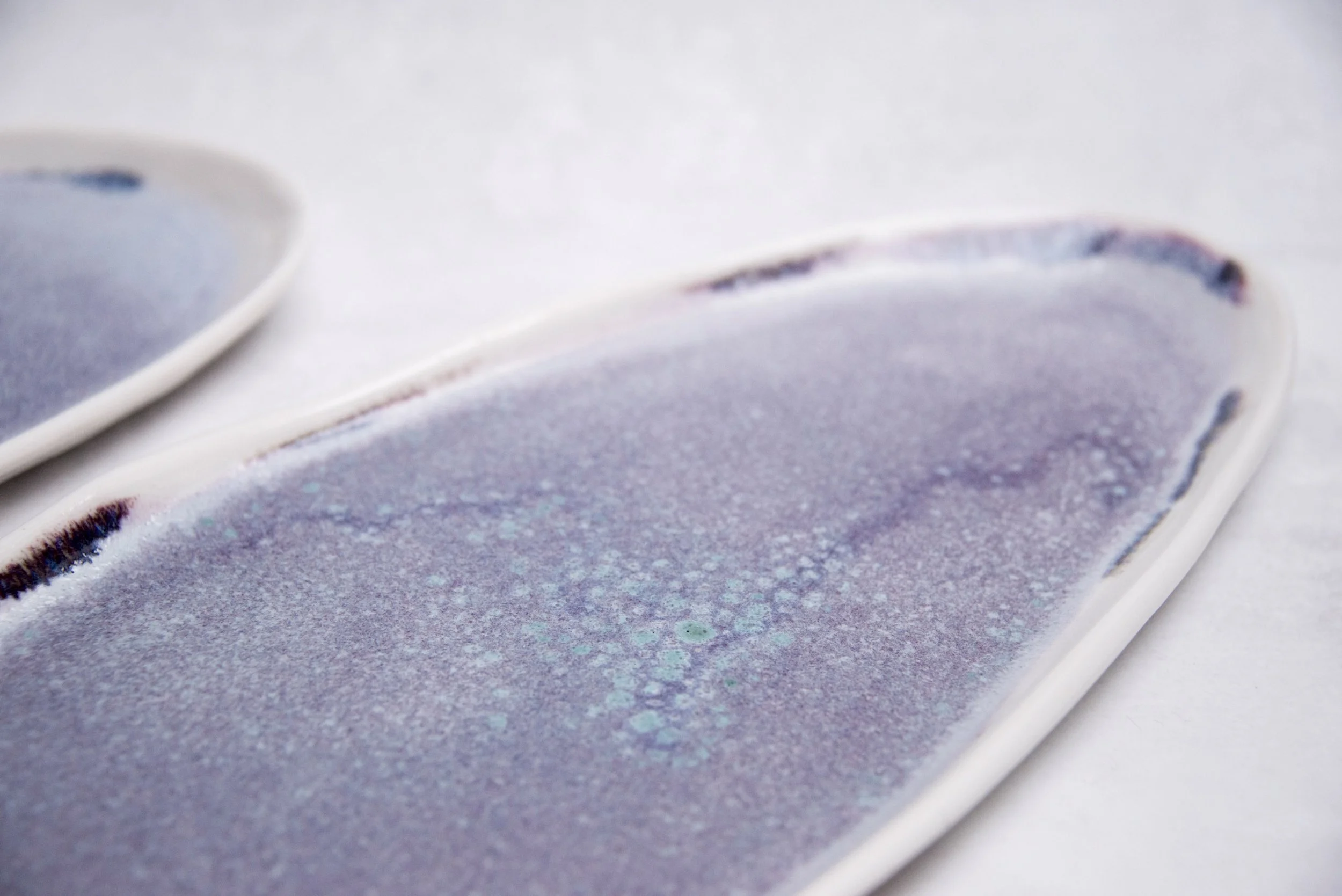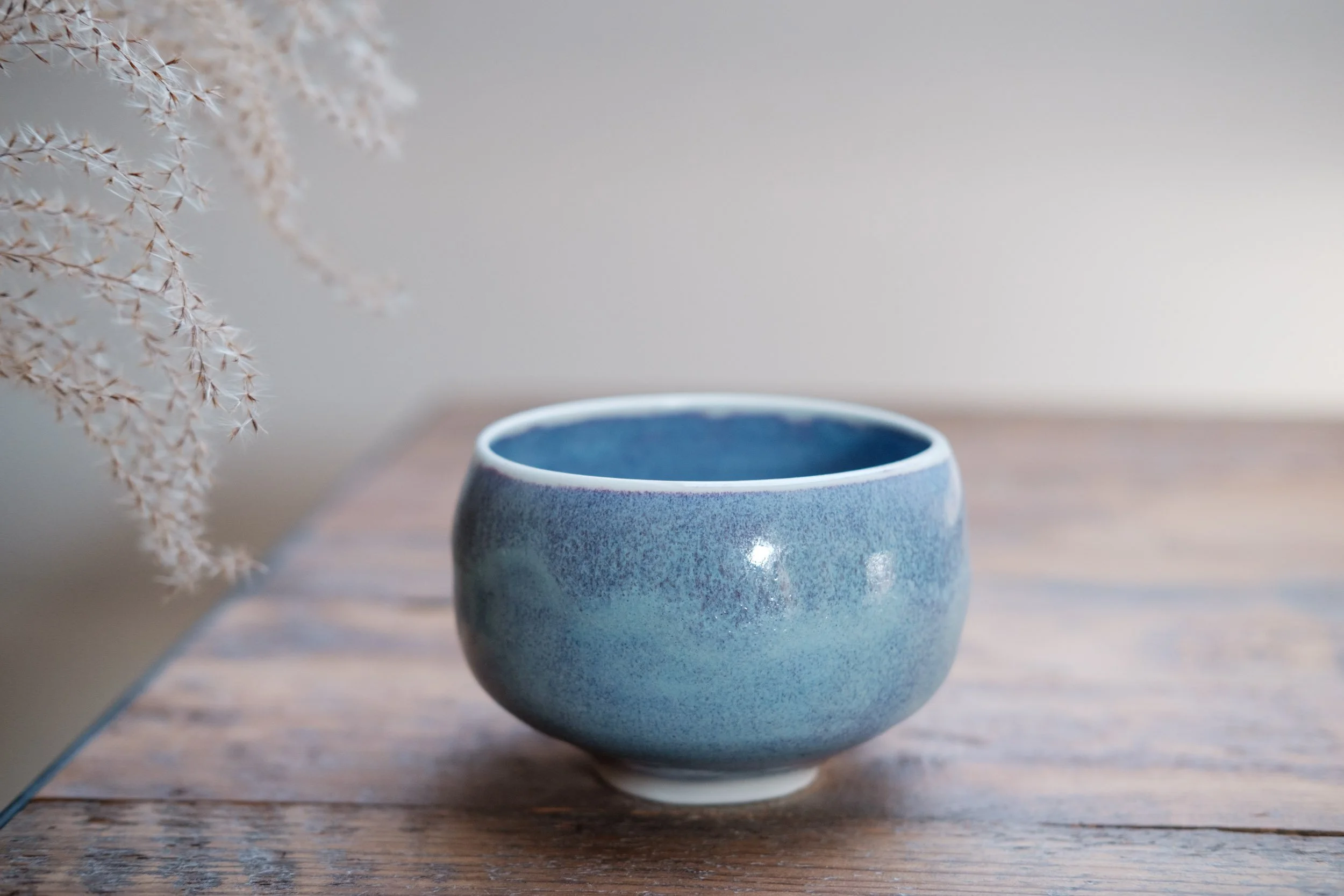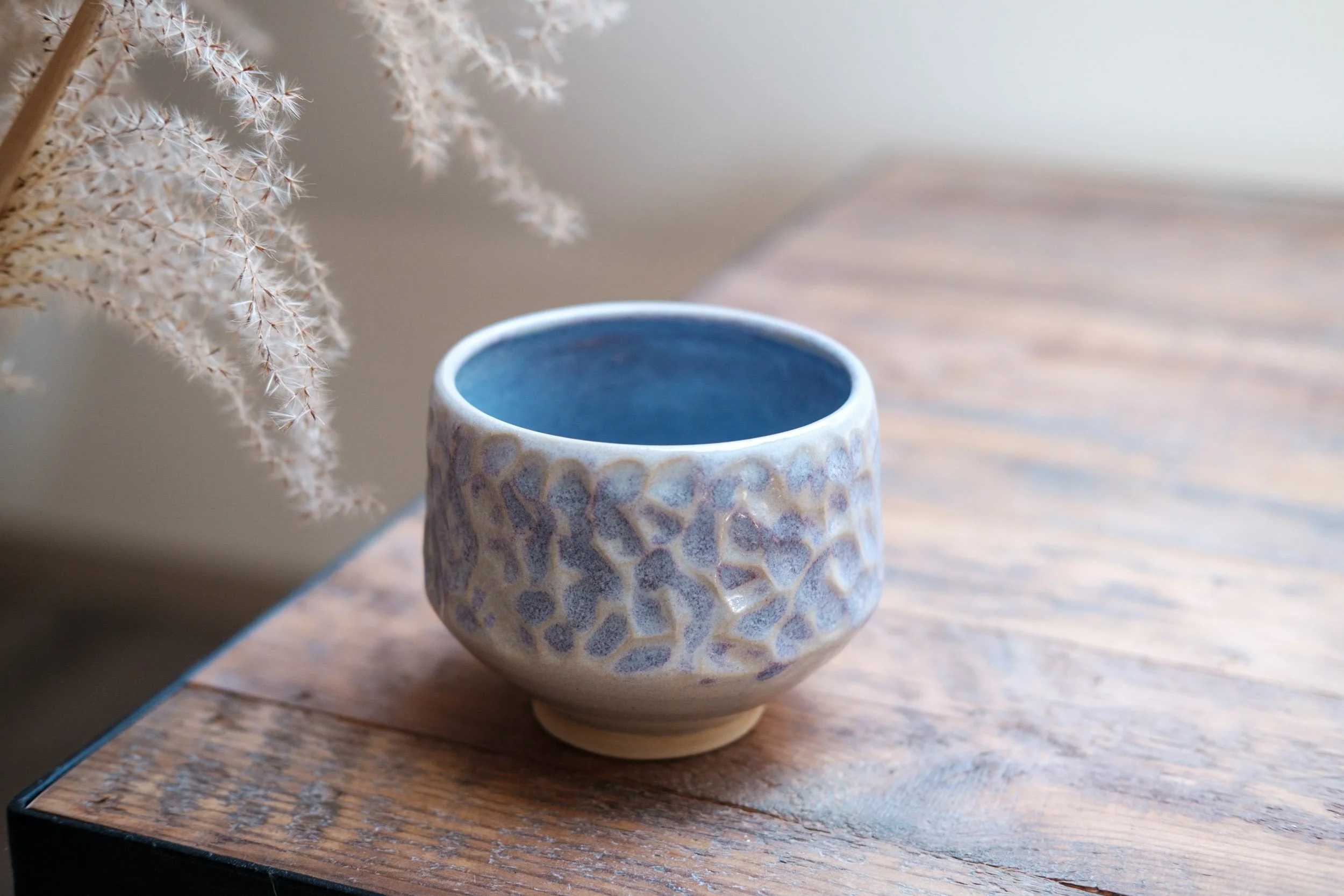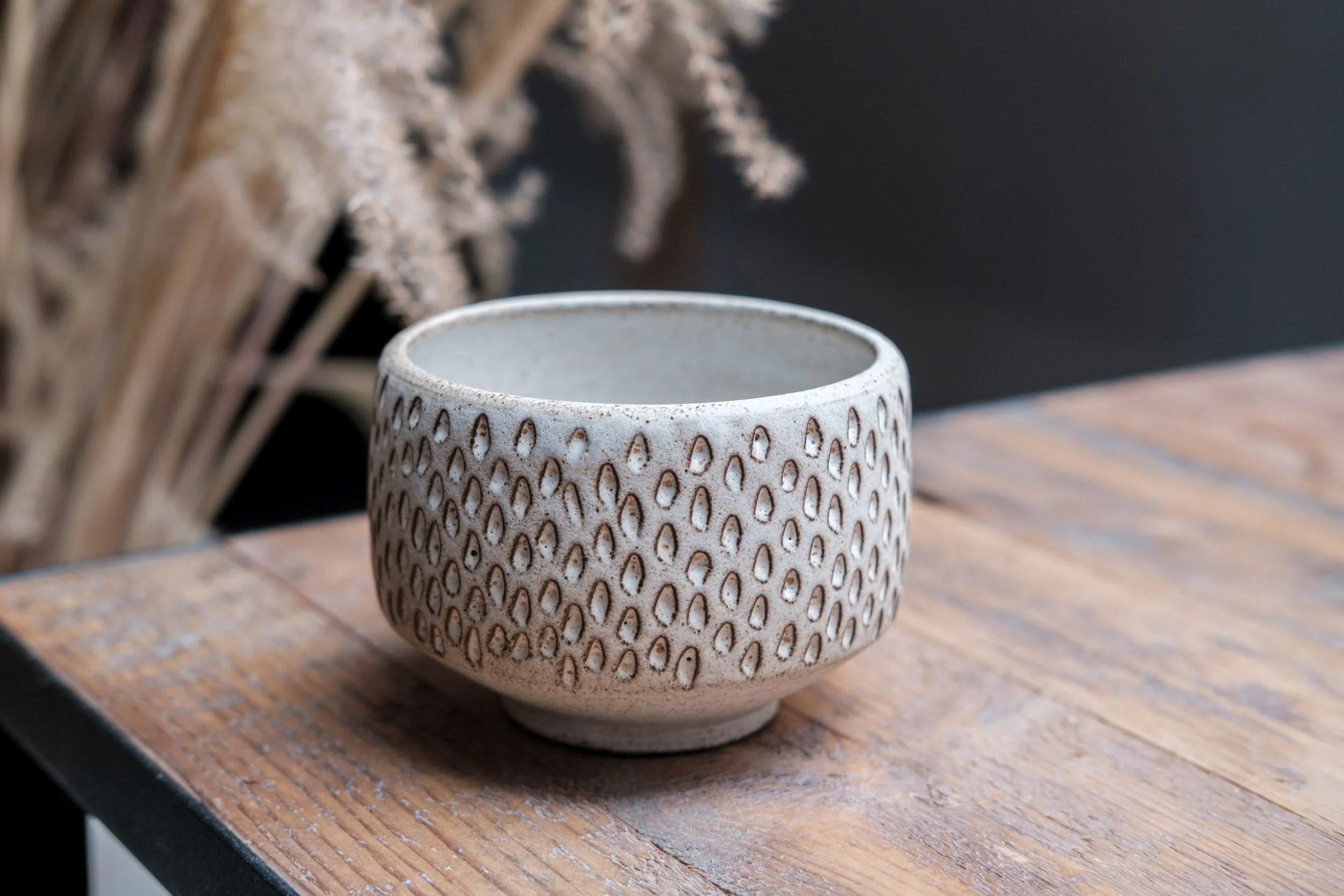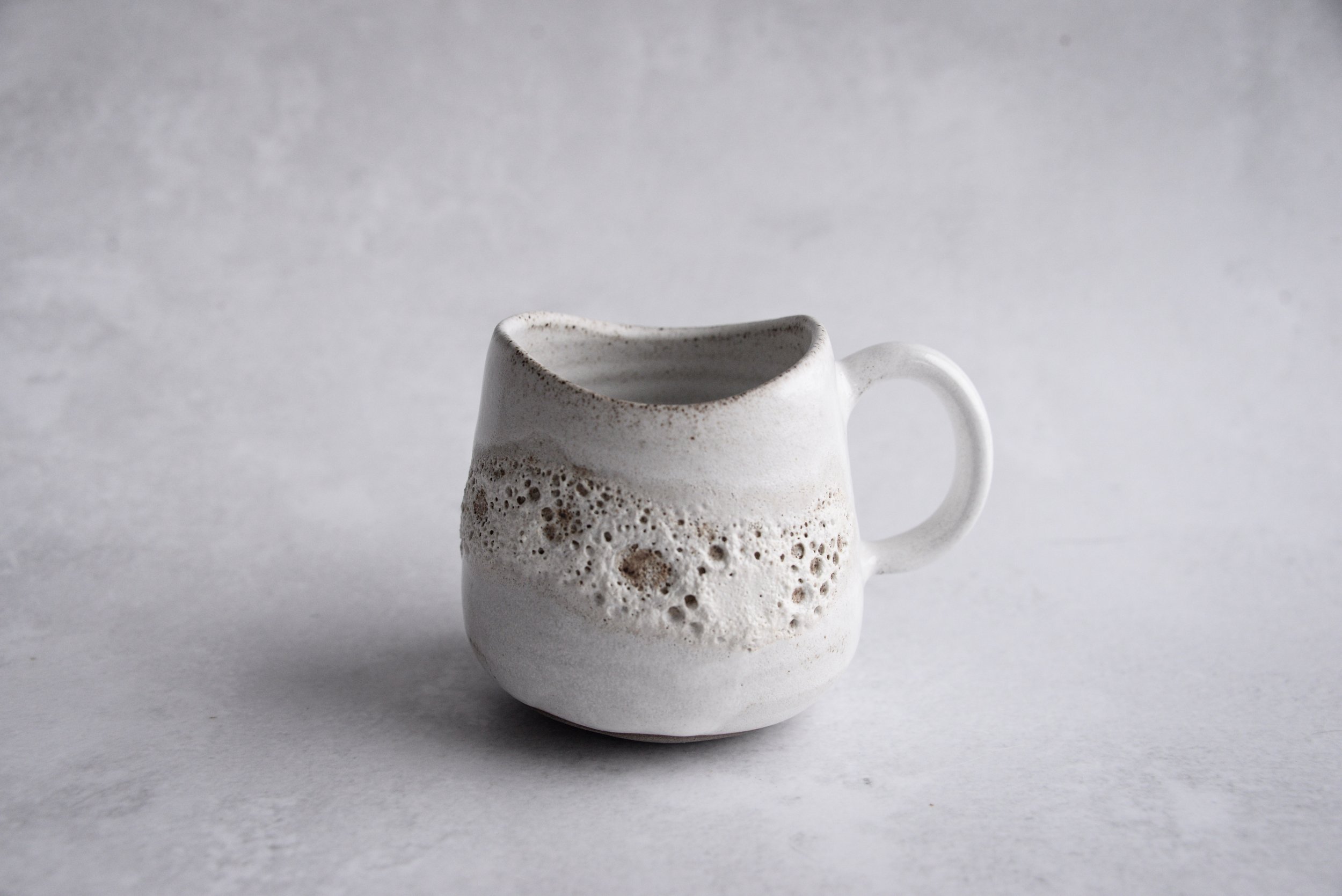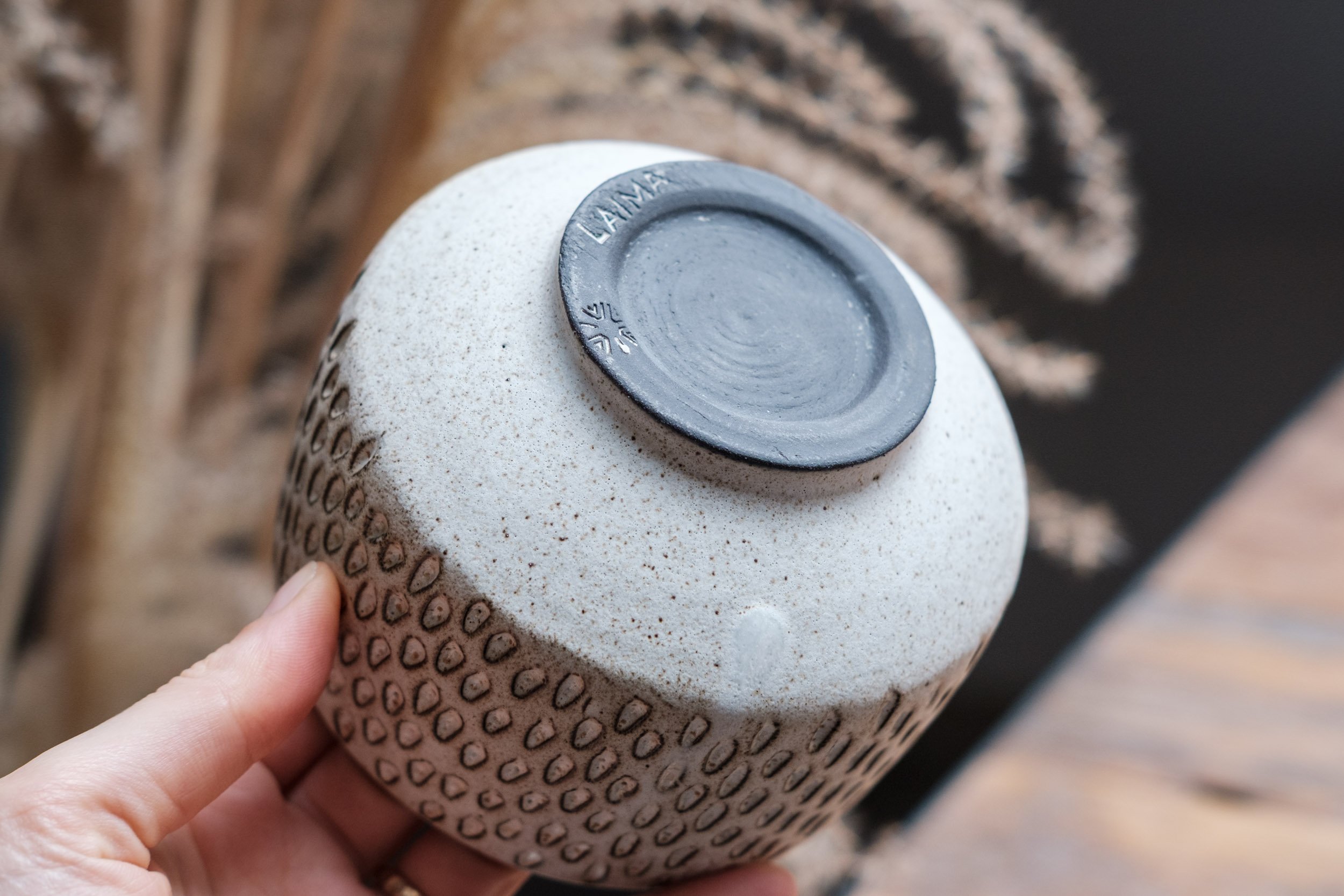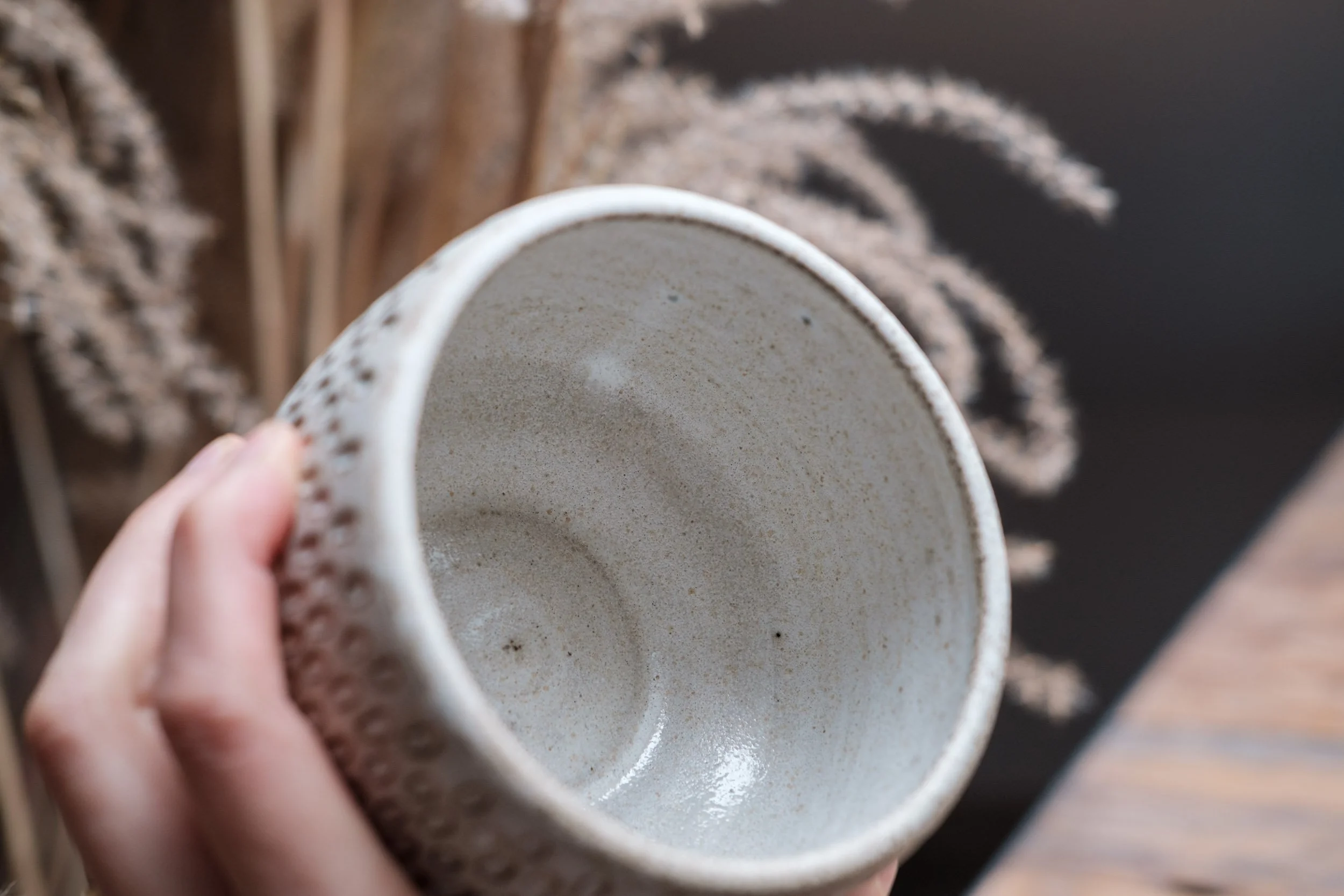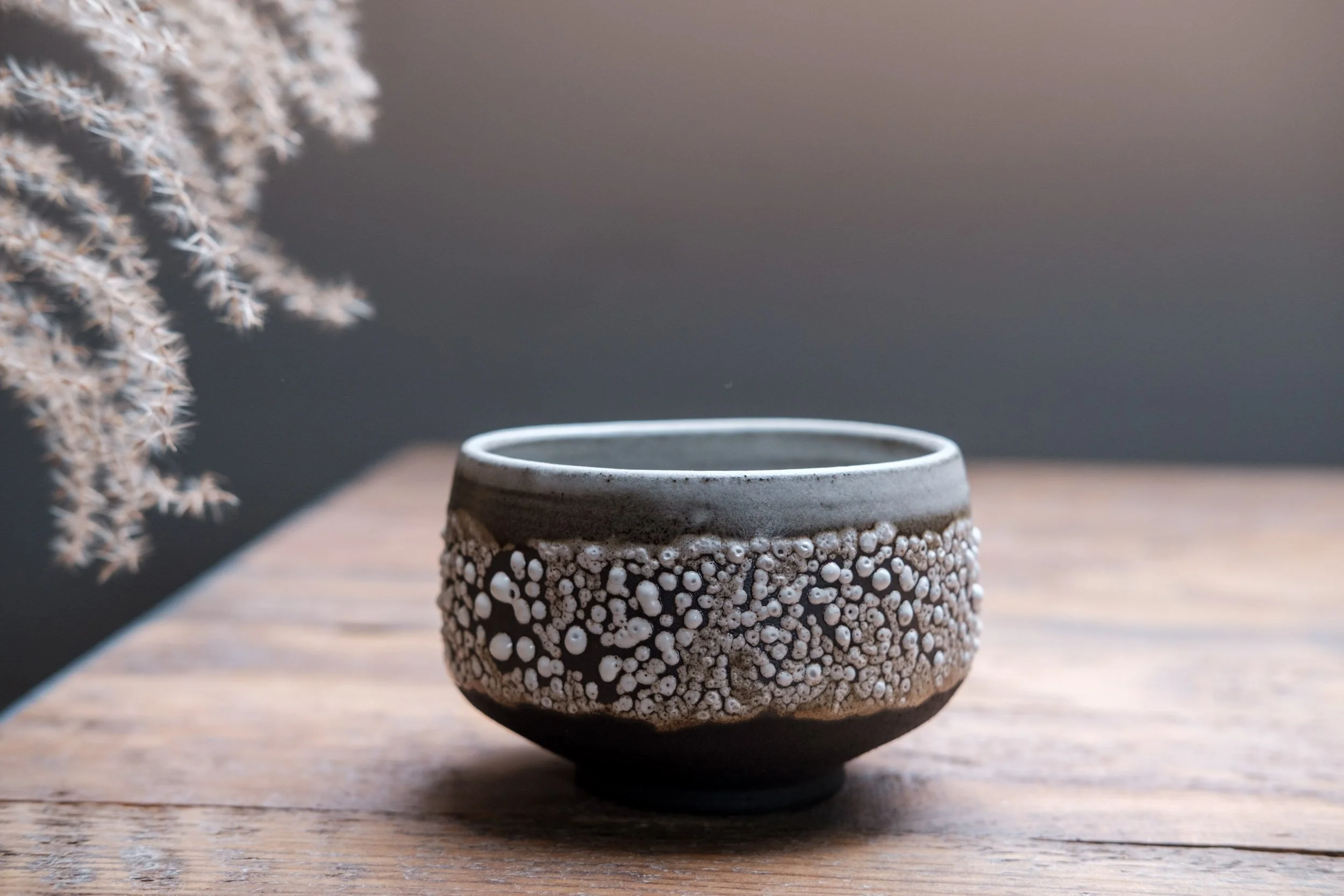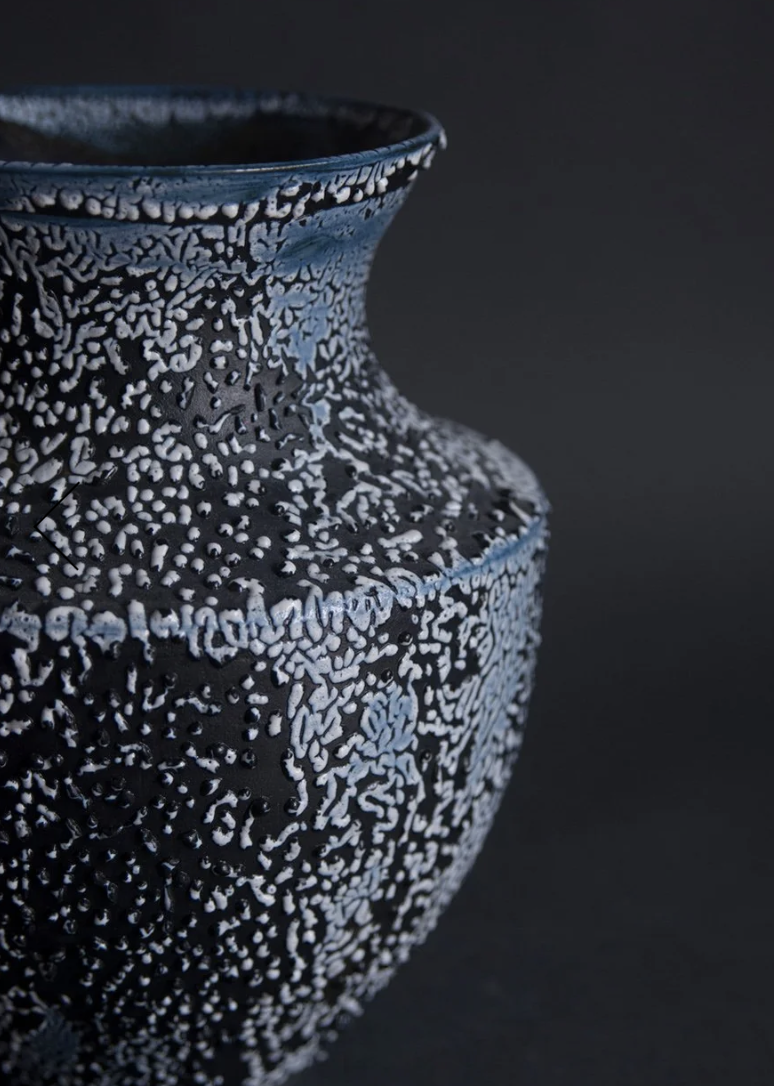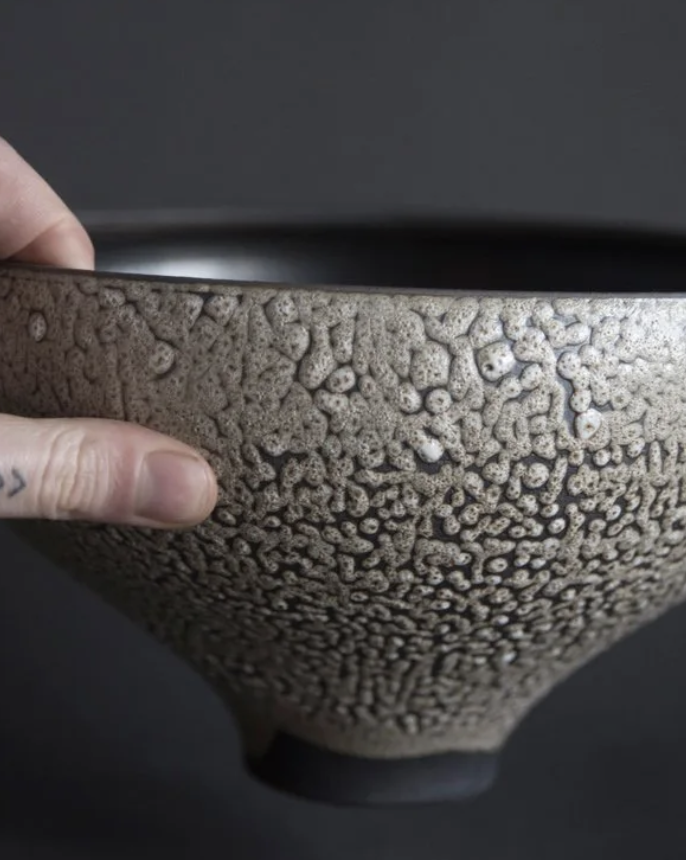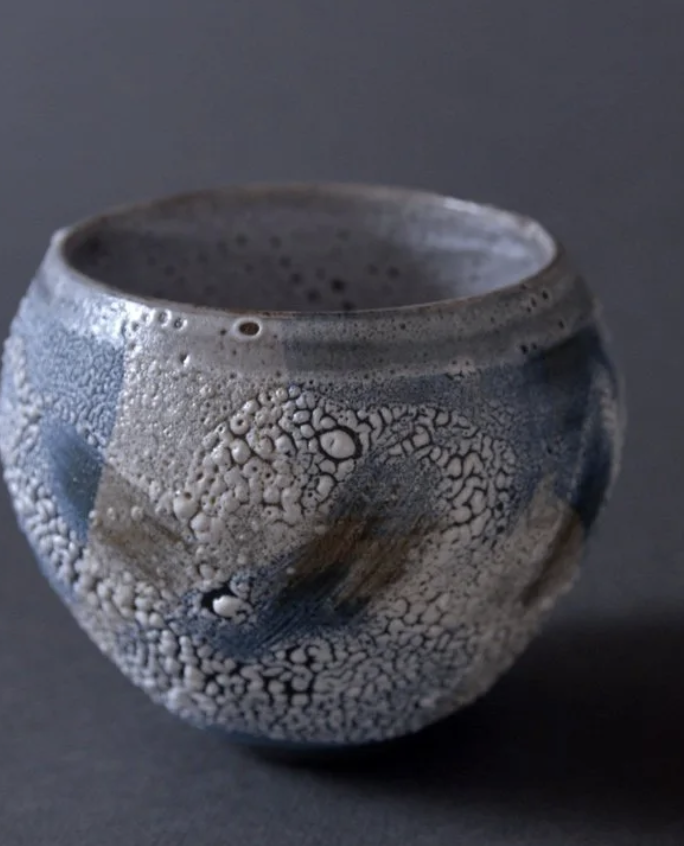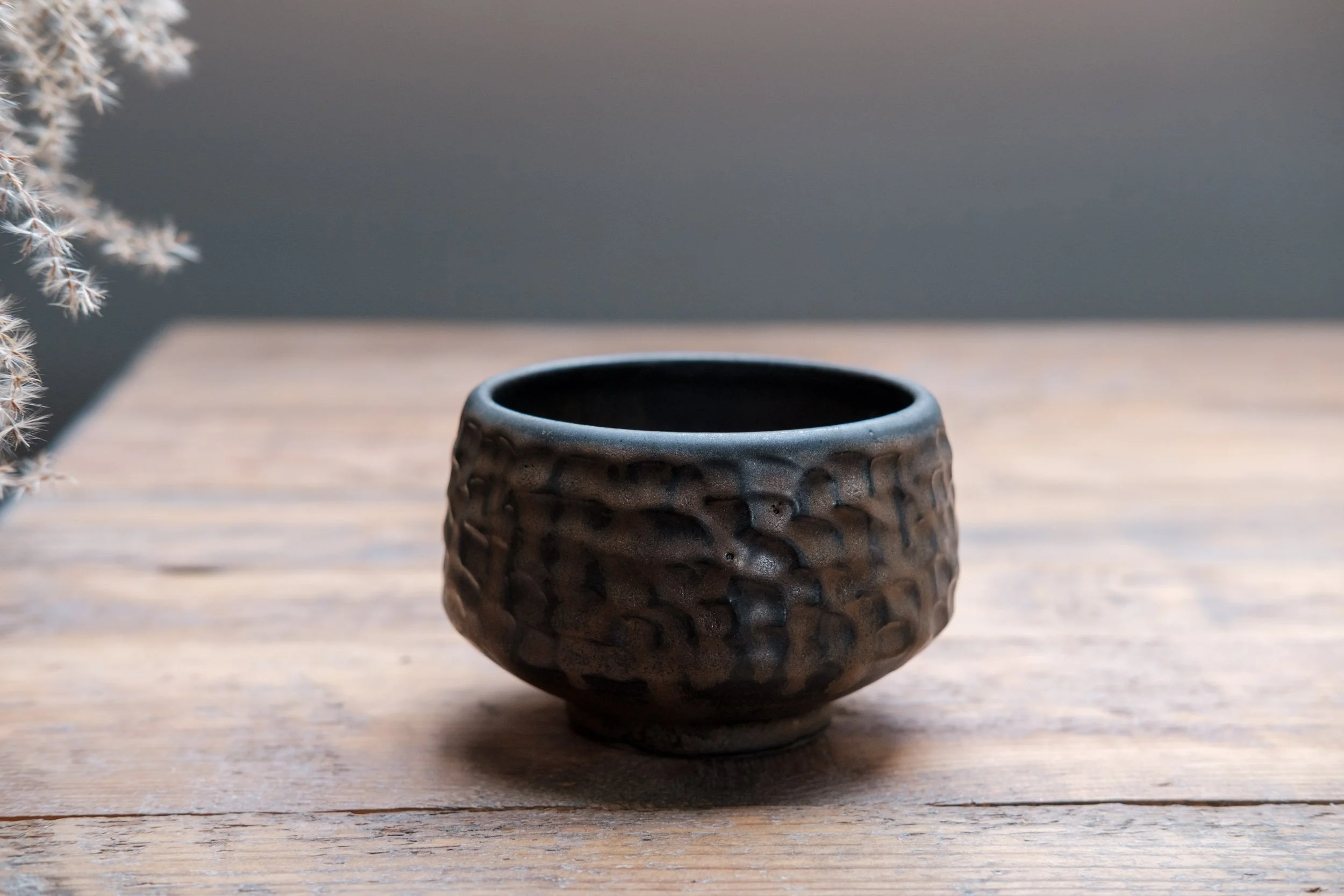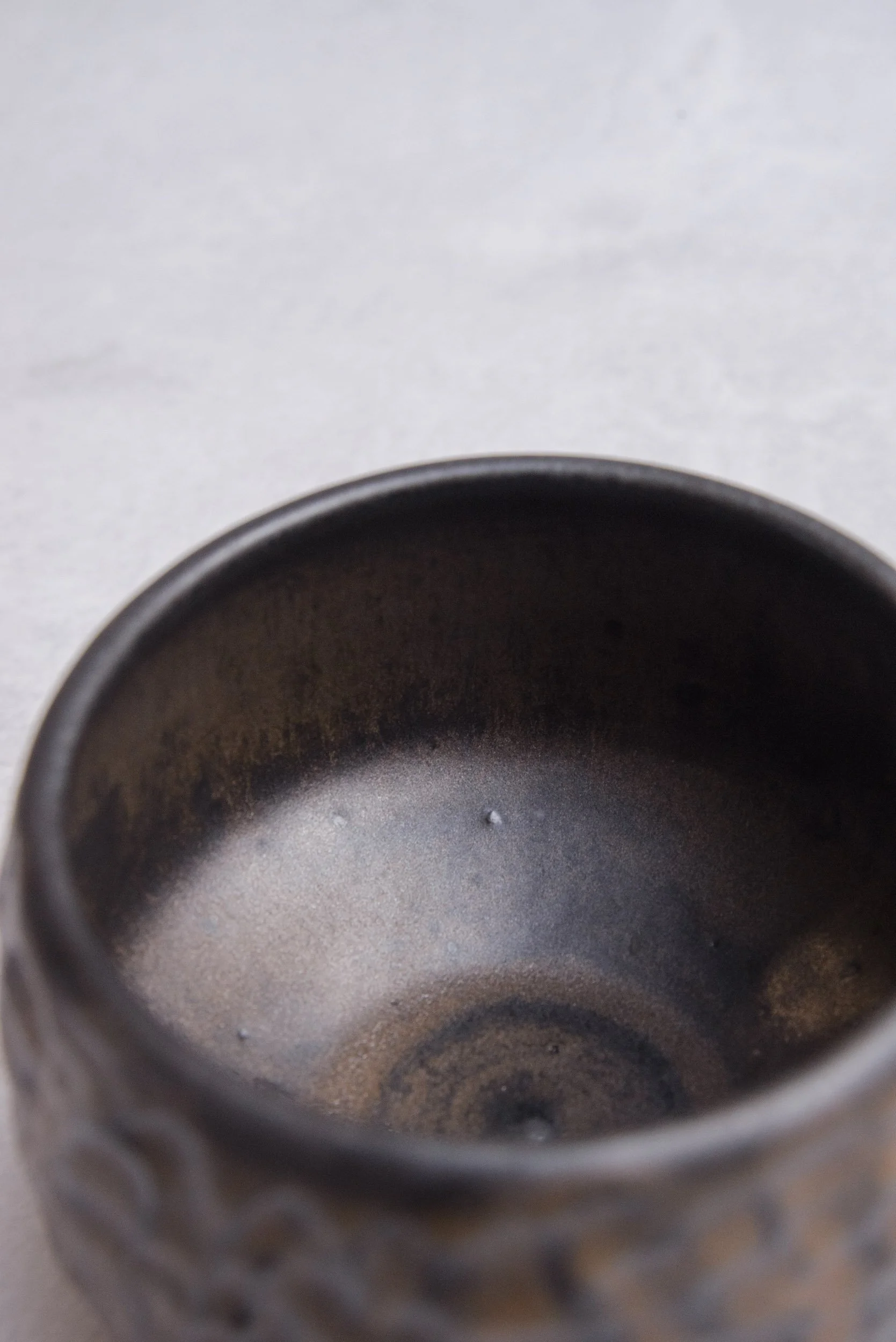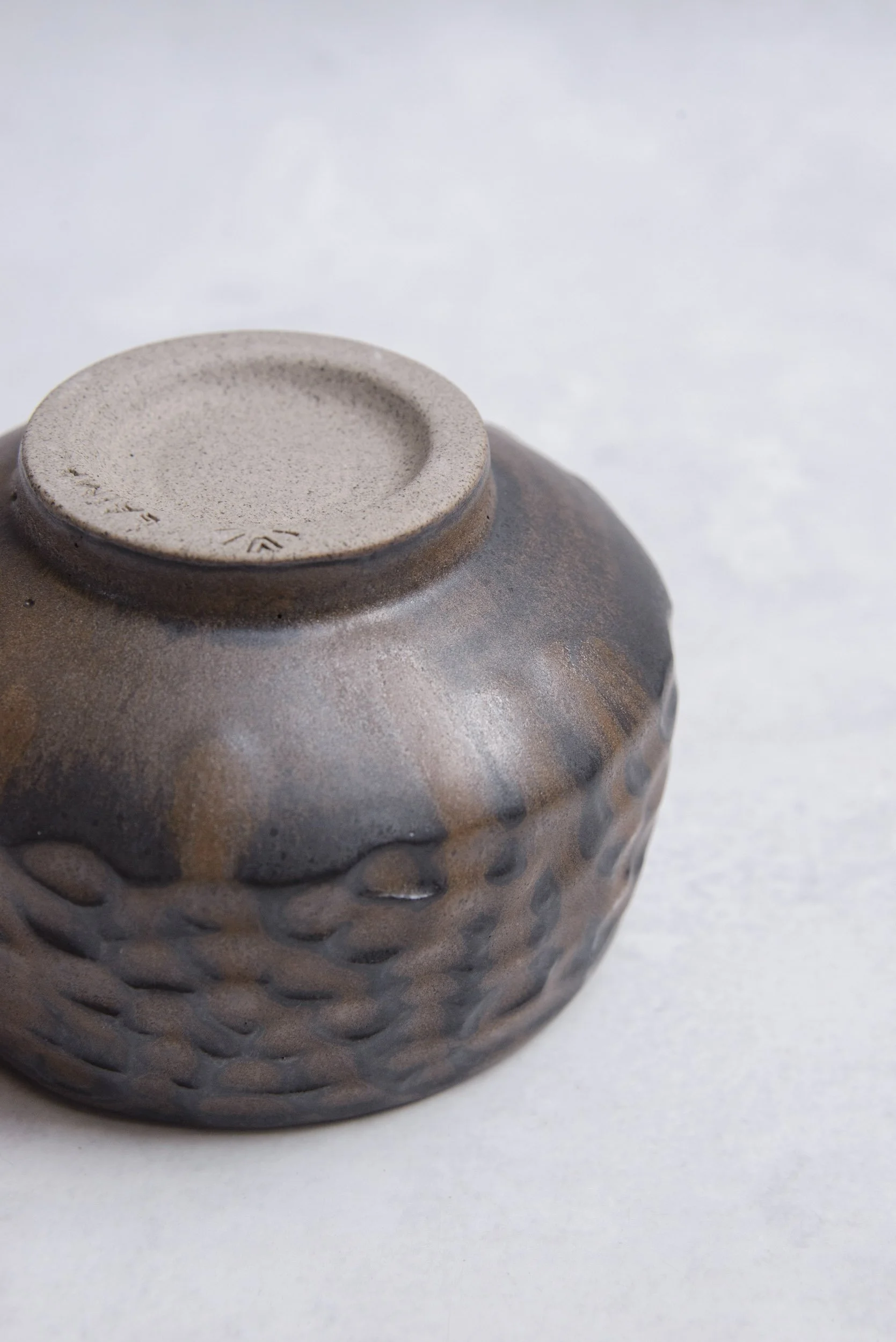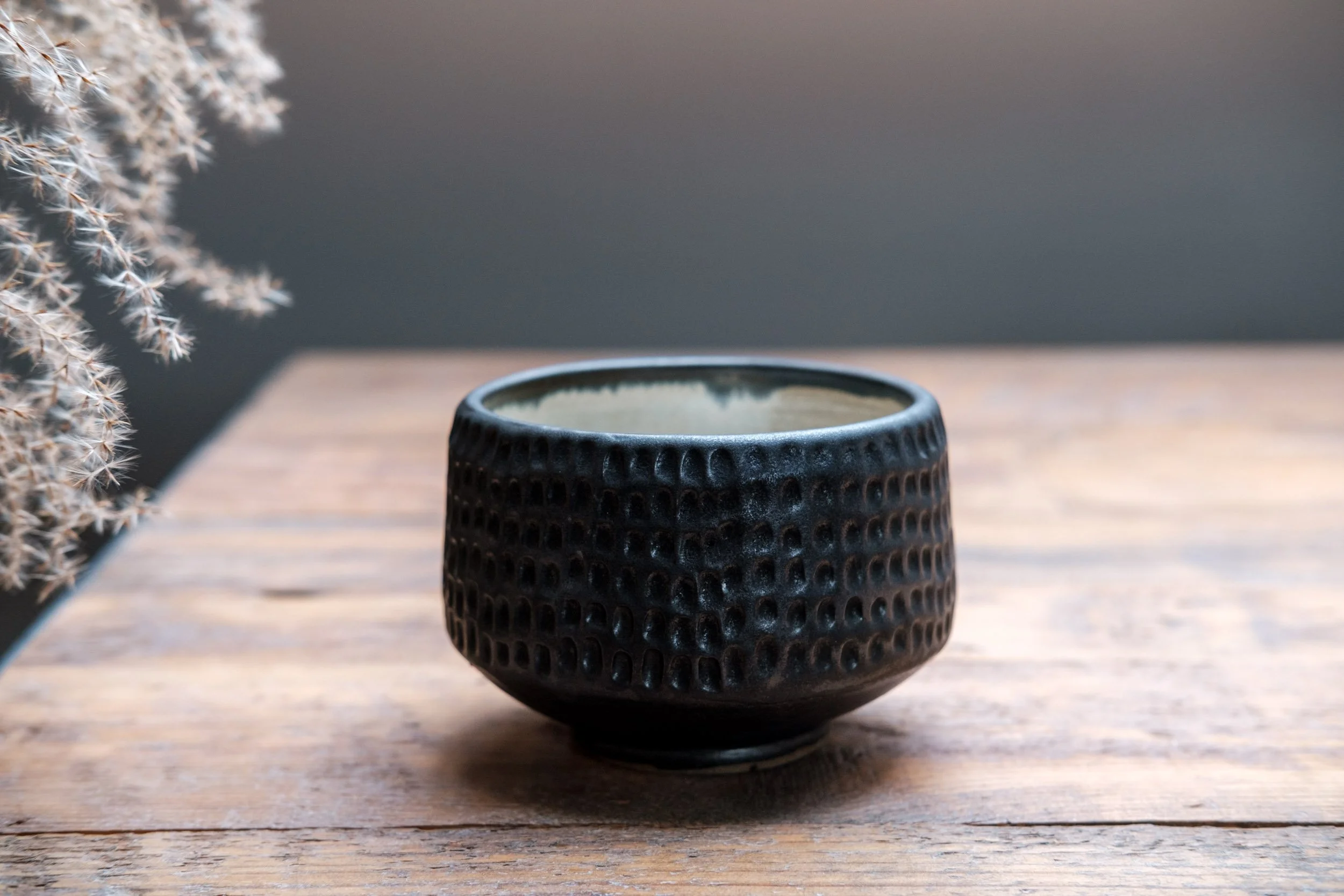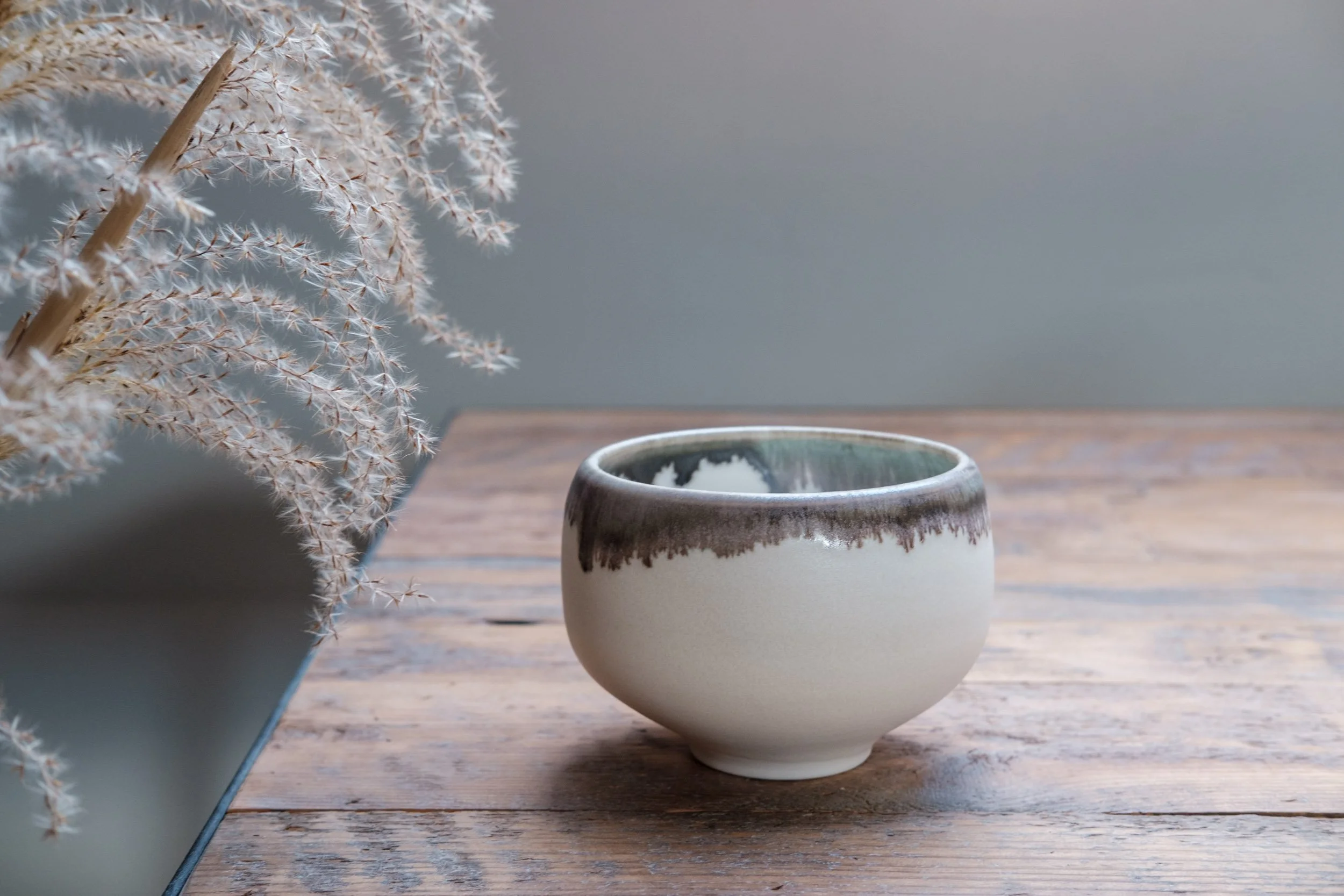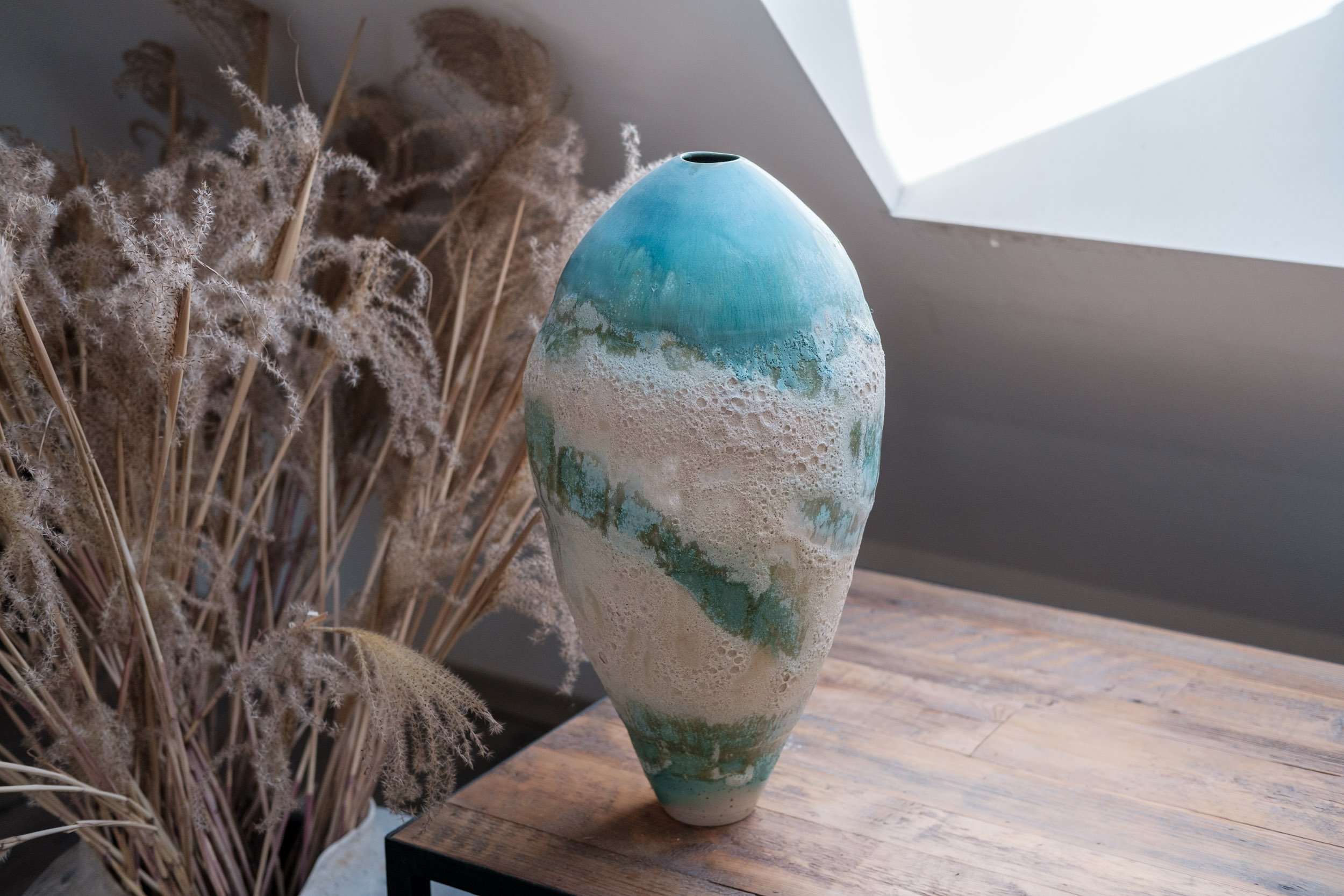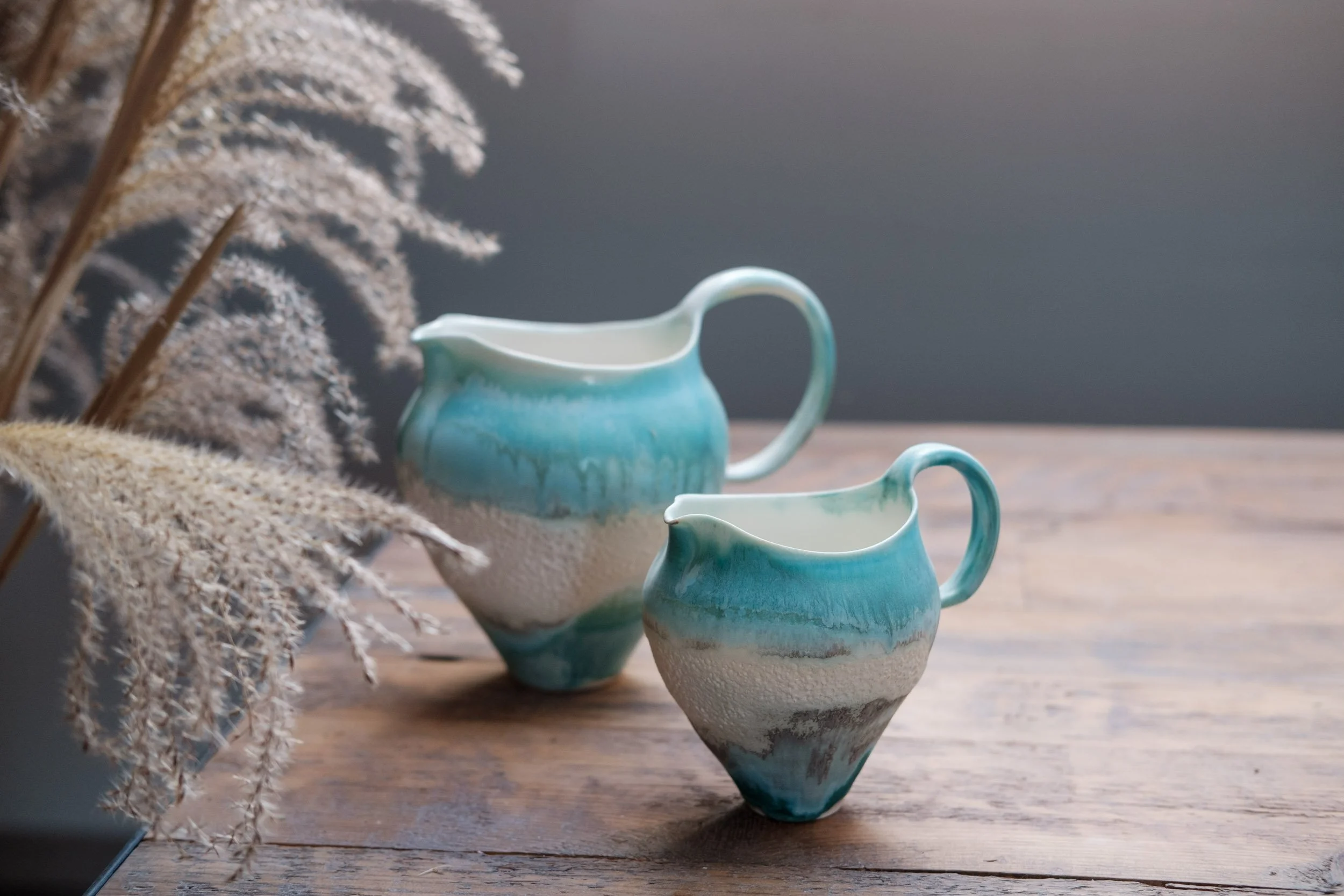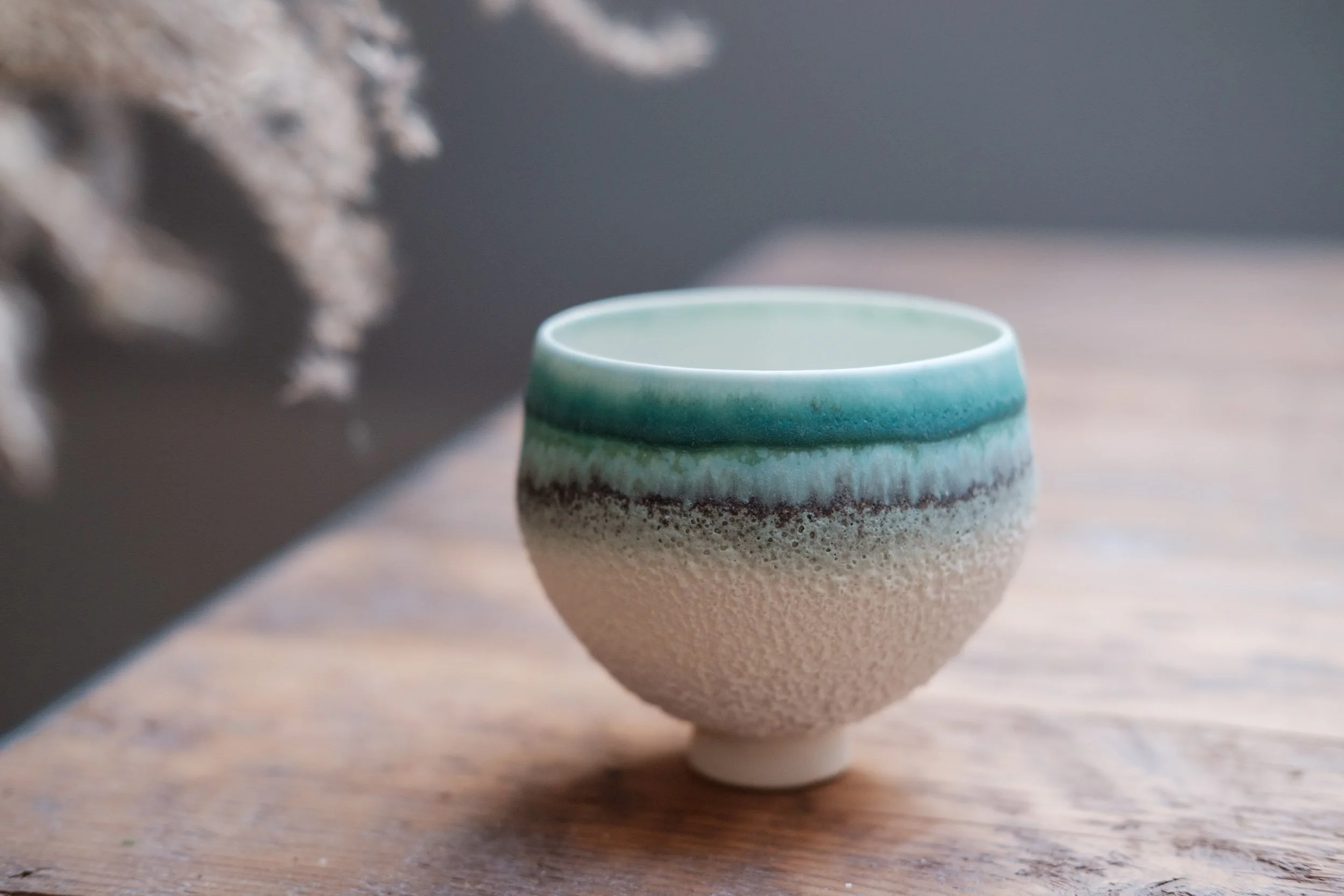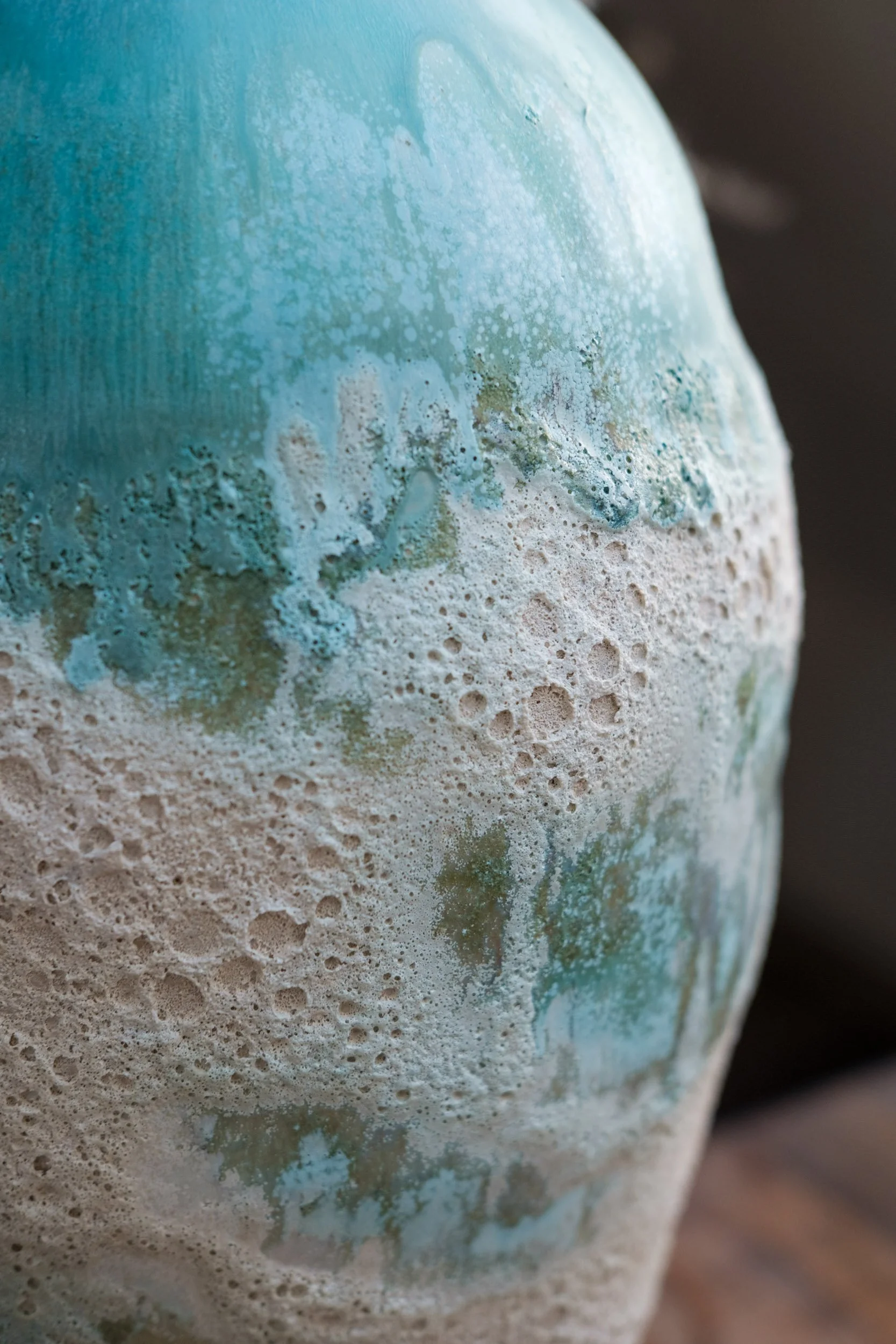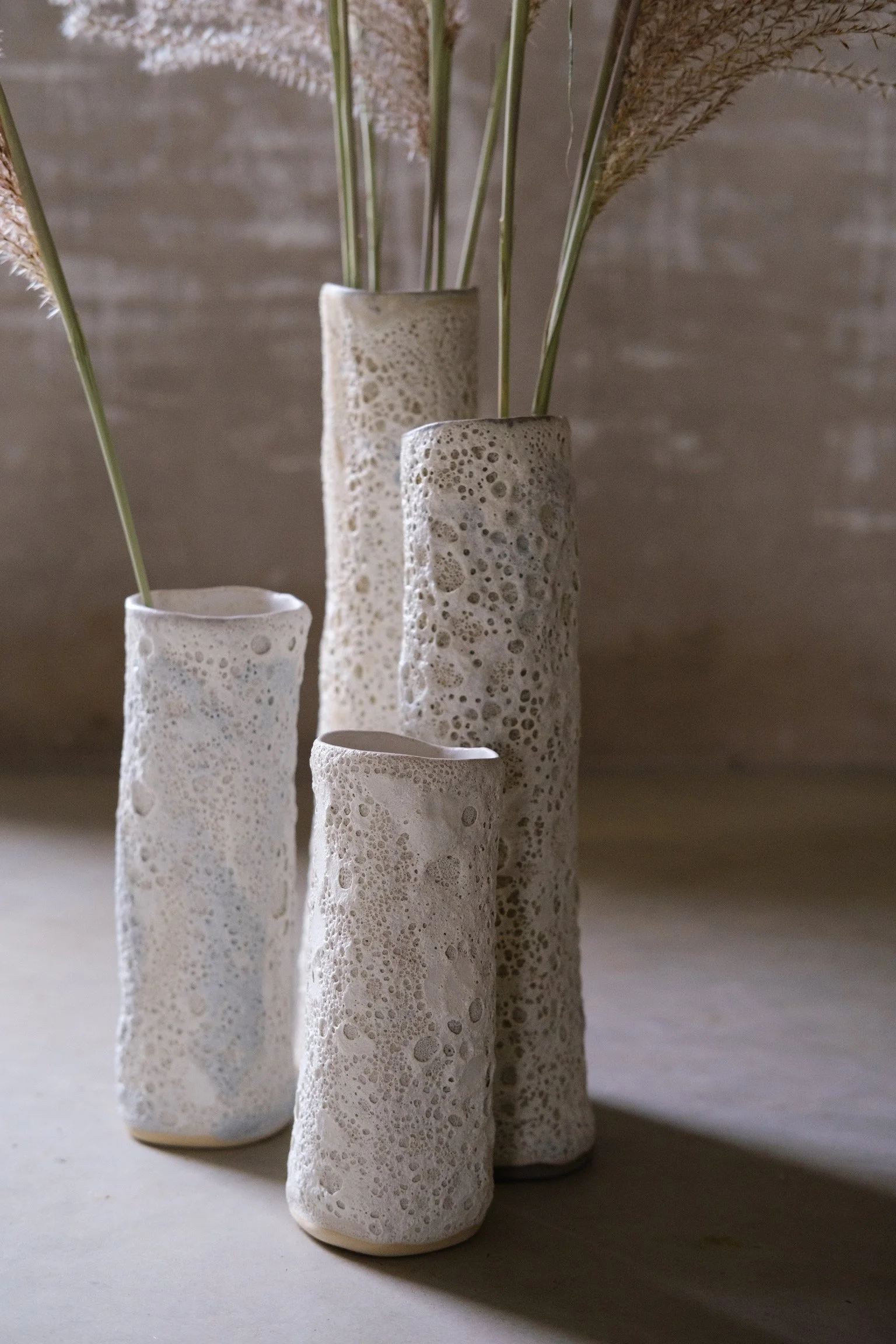
Beautiful, decorative, and functional handmade glazes
SPECIAL-EFFECT GLAZES, TOOLS and APRONS foR POTTERY MAKING
GLAZE CAN RUIN A PERFECT POT…BUT IT CAN ALSO TRANSFORM AN AVERAGE MUG INTO A FINE ART PIECE
We have destroyed ohhh so many pots. Most of it was due to glazing — badly applied glaze, the wrong firing schedule, or simply an unfortunate glaze choice. All that effort, time, and material… straight into the bin, joining the rest of the steep “learning curve.”
Glazing is often the scariest part when you're starting out — that mysterious stage where so much can go wrong.
So here, We share the fruit of 12 years of glaze research:
more than 45 tried-and-true glaze recipes — our studio favourites.
Watch FREE GLAZE MIXING VIDEO
Join our LAVA MINI COURSE or GLAZE INTRO COURSE
Courses are self-paced, and guidance is available through online lessons and in-person events.
Navigate between firing ranges:
lower range (Cone 6–8) and higher range (Cone 7–9) glazes.
All glazes are tested at our studio at 1260°C (≈2300°F).
-
Shipping costs are weight-based, so the estimate you see at checkout is very precise.
Order processing time: 3–7 business days. This includes carefully packing your order and arranging pickup from our rural studio in Latvia, EU.
Estimated delivery times:
EUROPE: 5 – 10 business days
AMERICAS: 10 – 16 business days
ASIA-PACIFIC: 10 – 20 business days
-
There are no hidden duty fees with our deliveries to USA when ordering glazes.
Everything is taken care of by us!This means no additional customs charges will be requested upon delivery.
Frequently Asked Questions
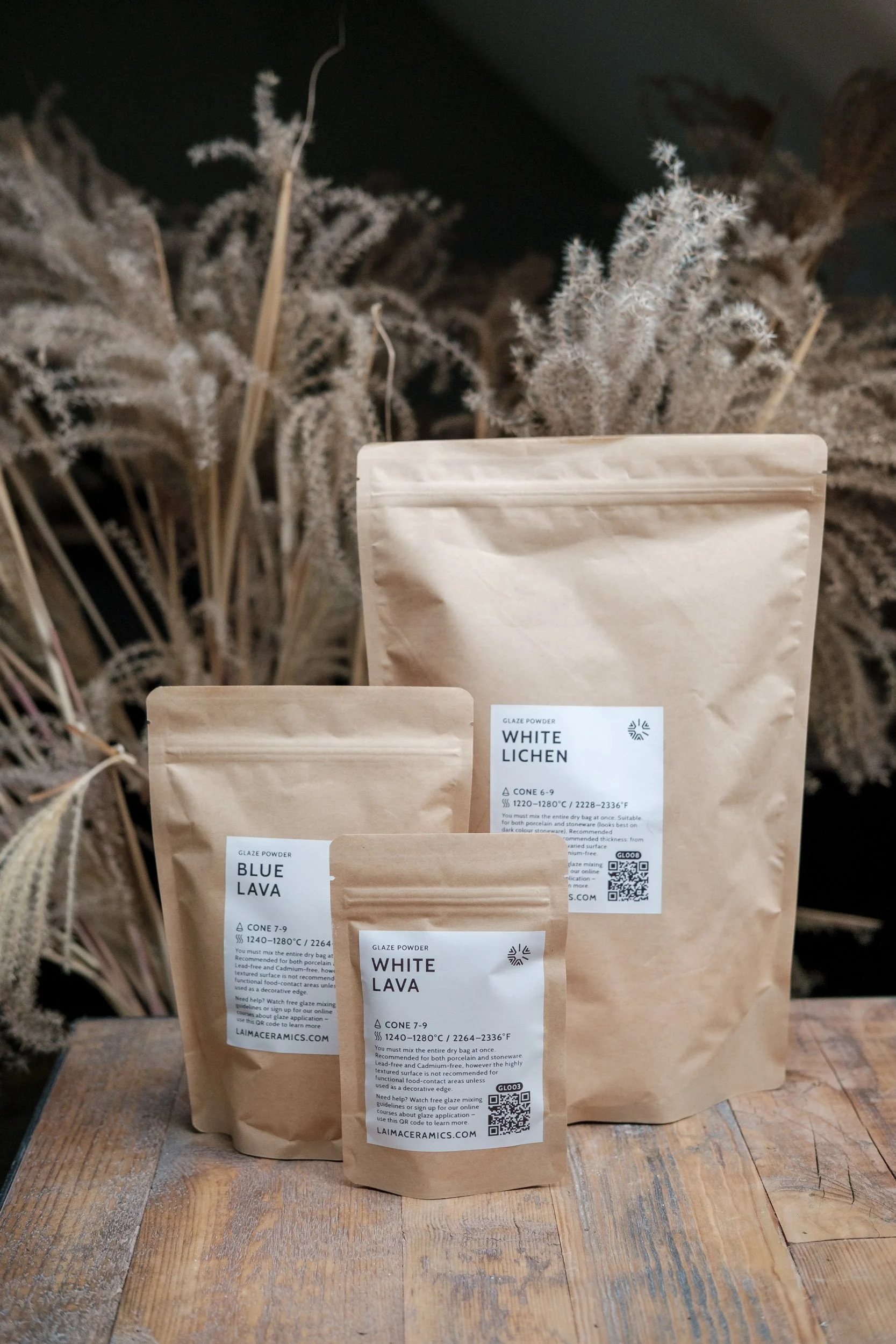
Glazes come in packages of 100 g (3.5 oz), 500 g (17.6 oz), or 2500 g (5.5 lb), sealed in recyclable packaging. Mix approximately 1:1 with water, sieve, and you're ready to glaze.
-
Our glazes are formulated without lead, cadmium and we are confident stating that our glazes are lead- and cadmium-free.
For standard food-contact safety testing, laboratories typically test the finished ceramic piece for the migration of: lead, cadmium, arsenic, barium and zinc. Testing a finished piece currently costs around €300 per glaze/product, depending on the laboratory and testing requirements.
It is important to note that food-contact compliance applies to the finished ceramic article, taking into account the clay body, glaze, application thickness, firing temperature and intended use. It is therefore not a certification that can be applied to a glaze powder or recipe independently of the finished product.
Based on our glaze formulations, raw materials and many years of experience using them, we expect our glazes to perform well in standard food-contact testing when they are correctly applied and fired.
Glazes containing barium are clearly marked in our collection. For example, Madly Bright contains barium and those are intended as decorative surfaces suitable for the outside of functional or decorative pieces.
Glazes containing zinc are typically our crystalline glazes, where zinc plays an important role in crystal formation.
Metallic and other highly reactive glazes may also require particular attention depending on their intended use.
-
This is where ceramics becomes a little more nuanced.
A glaze can be lead- and cadmium-free and pass the standart testing while still not being the surface we would choose for every type of food or drink contact.
For example, some of our bright matte glazes contain metal oxides (cobalt, copper). A very matte or textured surface can behave differently from a smooth, glossy, well-matured surface, particularly when exposed repeatedly to acidic liquids. Standard ceramic food-contact testing focuses on specified migration limits of lead & cadmium, we prefer to take a conservative approach.
For this reason:
Serving ware:
We are comfortable using our matte and special-effect glazes on serving pieces and on areas that do not have prolonged contact with acidic foods or liquids.The outside of functional ware:
Special-effect, matte, crystal and similar glazes can be used on the exterior of functional pieces.The inside of drinking vessels:
For wine glasses, cups, mugs and similar vessels, we recommend using a stable glossy liner glaze such as IVORY, ALWAYS PERFECT or SATIN WHITE on the interior where possible though a number of light colored glazes work as liner even SATIN PINK LYO, RON CREAM etc.A smooth, glossy liner provides easy-to-clean and generally more chemically resistant surface for direct contact with drinks, particularly acidic beverages such as wine, coffee, tea and fruit-based drinks.
While we are confident using a cobalt-containing matte glaze such as Indigo Blue Matte on serving ware or the exterior of a vessel, we would personally choose a clear or coloured glossy liner for the inside of a wine goblet rather than relying on the matte surface for prolonged contact with acidic wine.
This is not because the glaze contains lead or cadmium — it does not — but because lead/cadmium-free and suitable for every possible type of food contact are not necessarily the same statement.
When in doubt, we recommend a glossy liner glaze for the food- or drink-contact surface.
Want to understand the testing and durability side in more detail?
For a deeper guide to special-effect glazes, including durability, acids, staining, long-term use and how ceramic food-contact testing actually works, see our full guide:
-
We fire in ROHDE TE 200S BH TOPLOADER.
Our BISQUE is to 980C with 30min soak and our high-fire is:
60°C / hr » 300°C.
80°C / hr » 1230°C (≈1260°C actual
heat work confirmed by cones).
30 min soak, natural cool down.
We use this schedule for all the glazes shown, including LAVA and CRYSTALLINE glazes.
-
Our webshop invoices are automatically issued based on the details entered at checkout.
VAT-free (intra-EU, reverse charge) orders for companies are available, but must be arranged manually in advance. These are offered for bulk purchases (2.5 kg glaze packages only) and orders above €500, and are processed via bank transfer.
If you would like to place a VAT-free order as a company, please contact us before purchasing with your company name, VAT number, and order details — we’ll then prepare a custom invoice for you.
-
The honest answer is — it depends.
But there is a reliable starting point.STARTING RATIO
A good baseline is 0.7:1 (water : glaze powder) by weight.
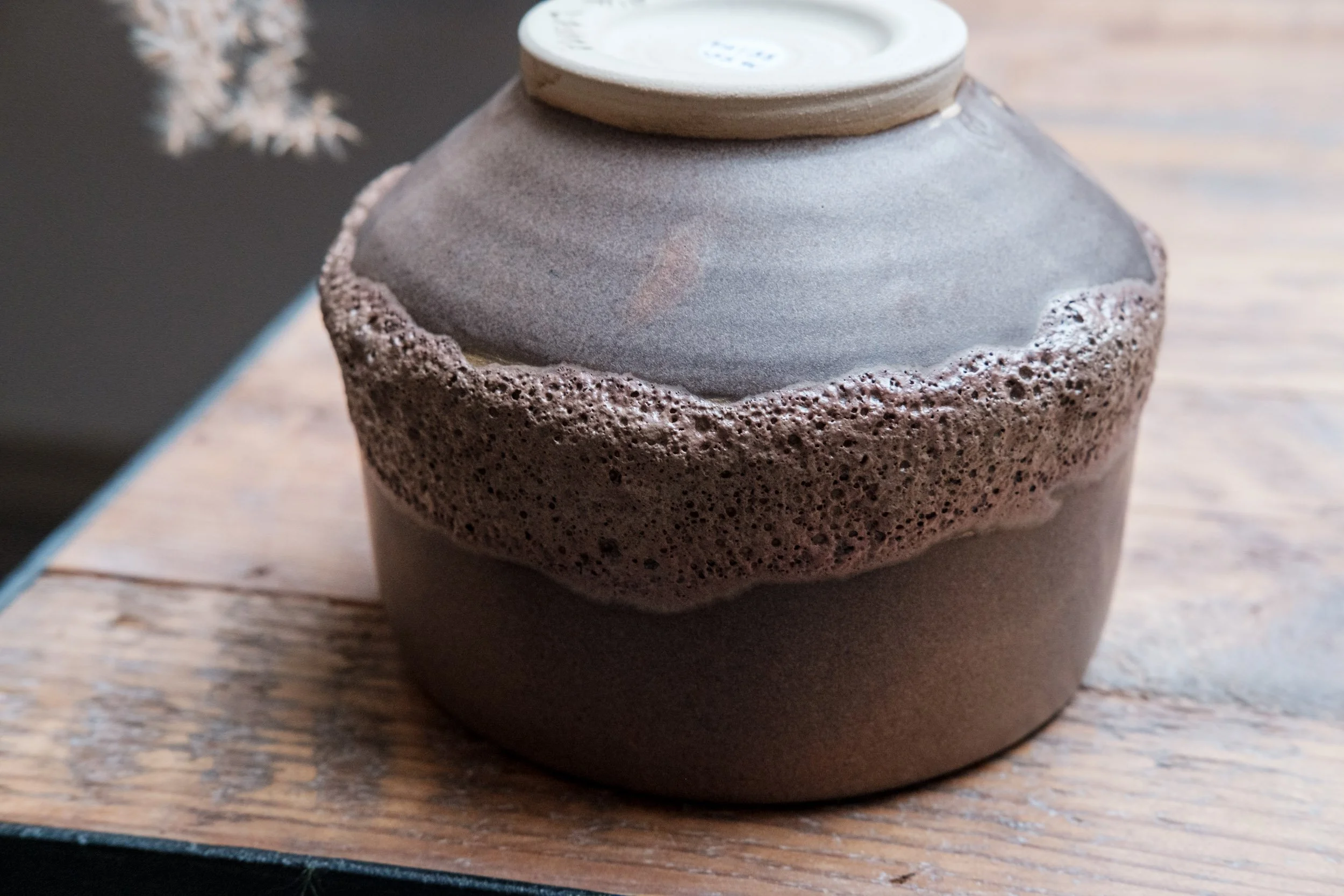
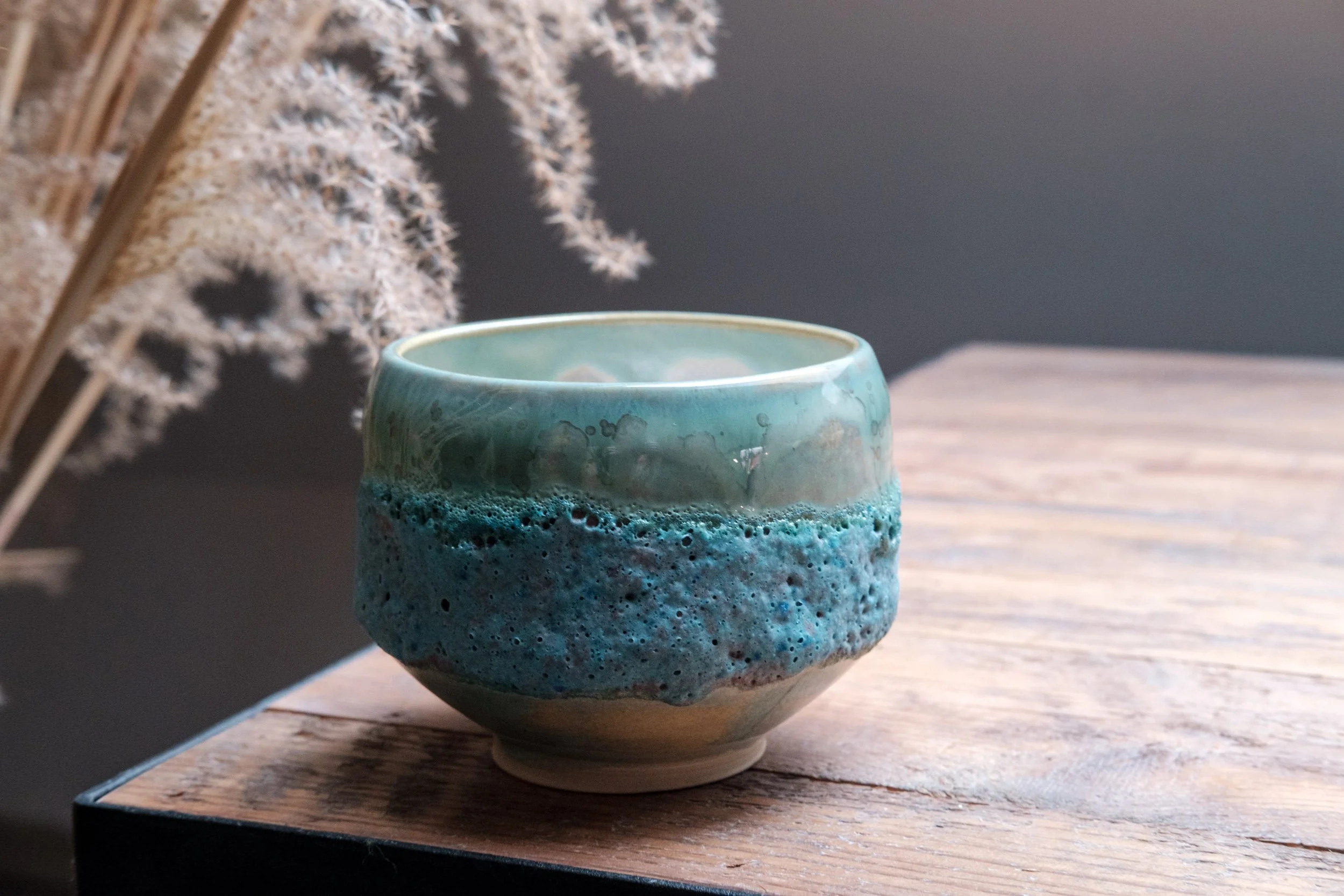
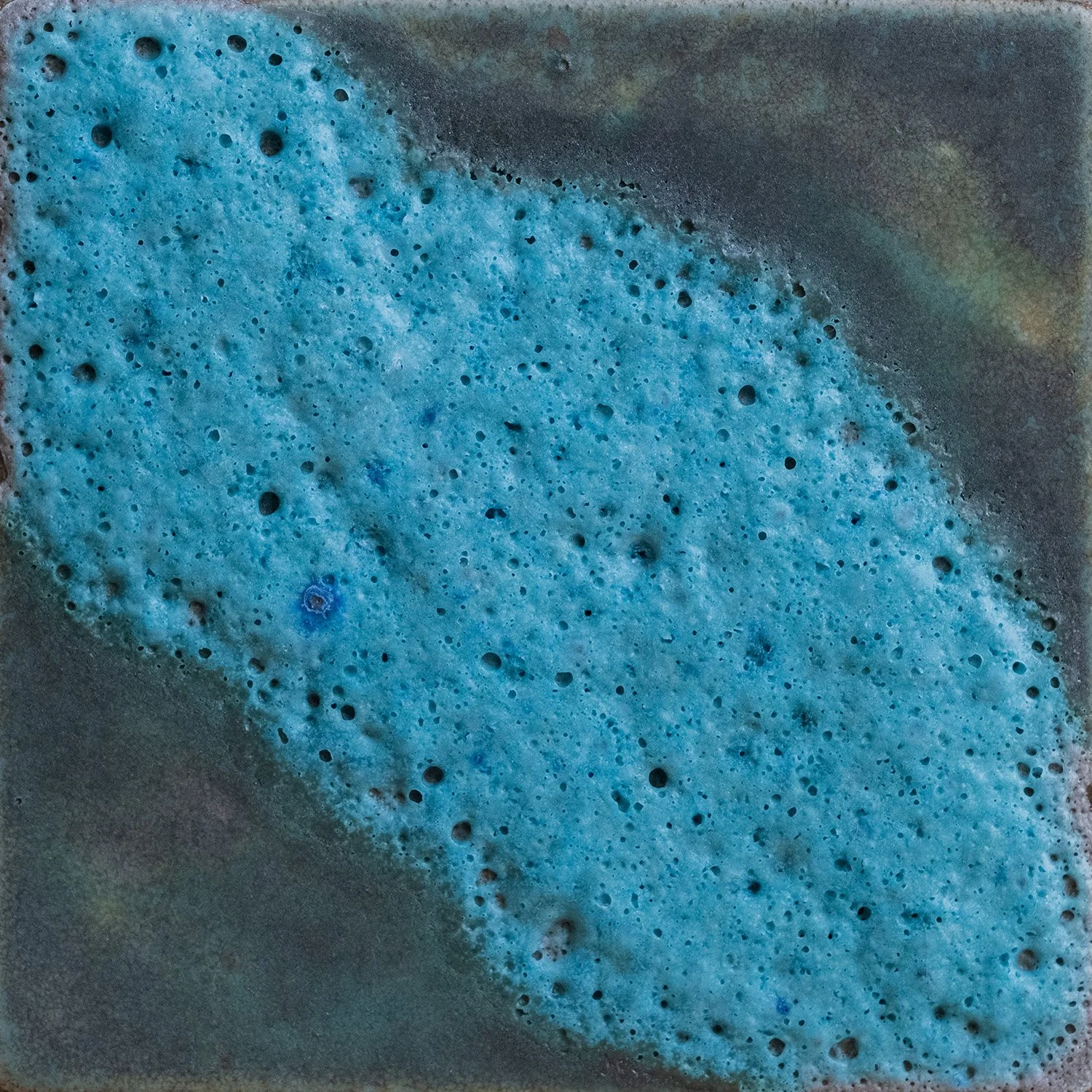
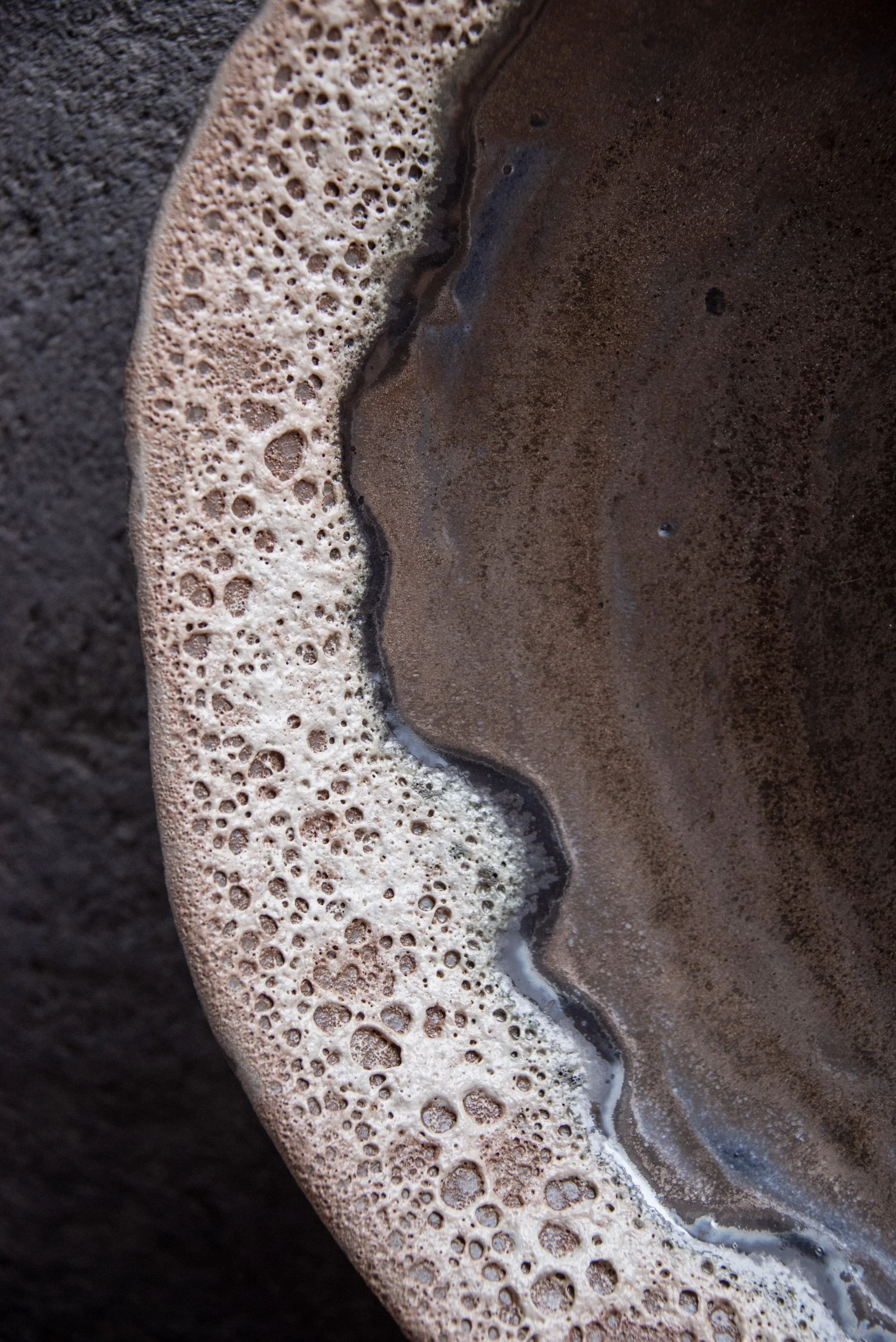
For LAVA, CRATER & VOLCANIC glazes to achieve more pronounced texture we recommend using less water — the ration of 0.7:1 (70ml:100g) is ideal for thick creamy consistency).
We always recommend starting slightly thicker, then gradually adding water as you go. It’s far easier to thin a glaze than to fix one that has become too runny. Most regular glazes will require 1:1 water to powder, though some may require 1.3 : 1 water to powder ratio.
Get detailed GLAZE MIXING GUIDELINES AND WATER: POWDER RATIO in my blog
-
For consistency and repeatable results, working with Specific Gravity (SG) is essential.
As a general guide:
Spraying: ~1.40 (thinner)
Dipping: ~1.45 (medium)
Brushing: ~1.50 (thicker)
This means:
100 ml of glaze should weigh between 140–150 g, depending on your application method.Special-effect glazes — such as lava or crawl glazes — often benefit from being thicker, but this still depends on how you apply them (dipping, brushing, layering).
-
Always begin thicker and slowly add water.
If your glaze becomes too thin:
Let it settle for a few hours
Carefully pour off excess water from the top
This is a simple but very effective way to correct consistency.
-
You don’t need any special equipment to measure Specific Gravity accurately.
The simplest and most reliable method is weighing.
WHAT YOU NEED:
a digital scale
a container or cup
water
your glaze
STEP-BY-STEP:
Place your empty container on the scale and tare it to zero
Fill it with exactly 100 ml of water → this should weigh 100 g
(this helps you confirm your measurement reference)Empty the container
Fill it with 100 ml of your glaze
Weigh it
HOW TO READ THE RESULT:
140 g = SG 1.40 (good for spraying)
145 g = SG 1.45 (good for dipping)
150 g = SG 1.50 (good for brushing)
This method is:
fast
accurate
repeatable
…and once you start using it, it becomes an essential part of your glaze routine.
A SMALL BUT IMPORTANT HABIT
Always record:
the SG
your application method
and the firing result
Over time, this becomes your personal glaze map — and this is where real control begins.
-
Exact water amounts cannot be prescribed universally, as they depend on:
application method (brushing, dipping, spraying, layering)
clay body absorption
desired thickness and effect
Some glazes prefer thick application, others need to be built in layers.
We personally adjust glaze consistency also when switching from glazing small vs big pieces and thin vs thick pieces. Since glazing a small piece is fast, glazing a big piece takes longer time- so it absorbs more water while being glazed. ‘at the end of the day - it is developing knowledge of the particular glaze to achieve the best results.
-
All of our glaze recipes are developed and tested in high-fired oxidation, specifically at cone 7/8 (around 1260 °C), and generally perform within the cone 6–9 range.
You will see CONE 6-8 glaze section and cone 7-9.
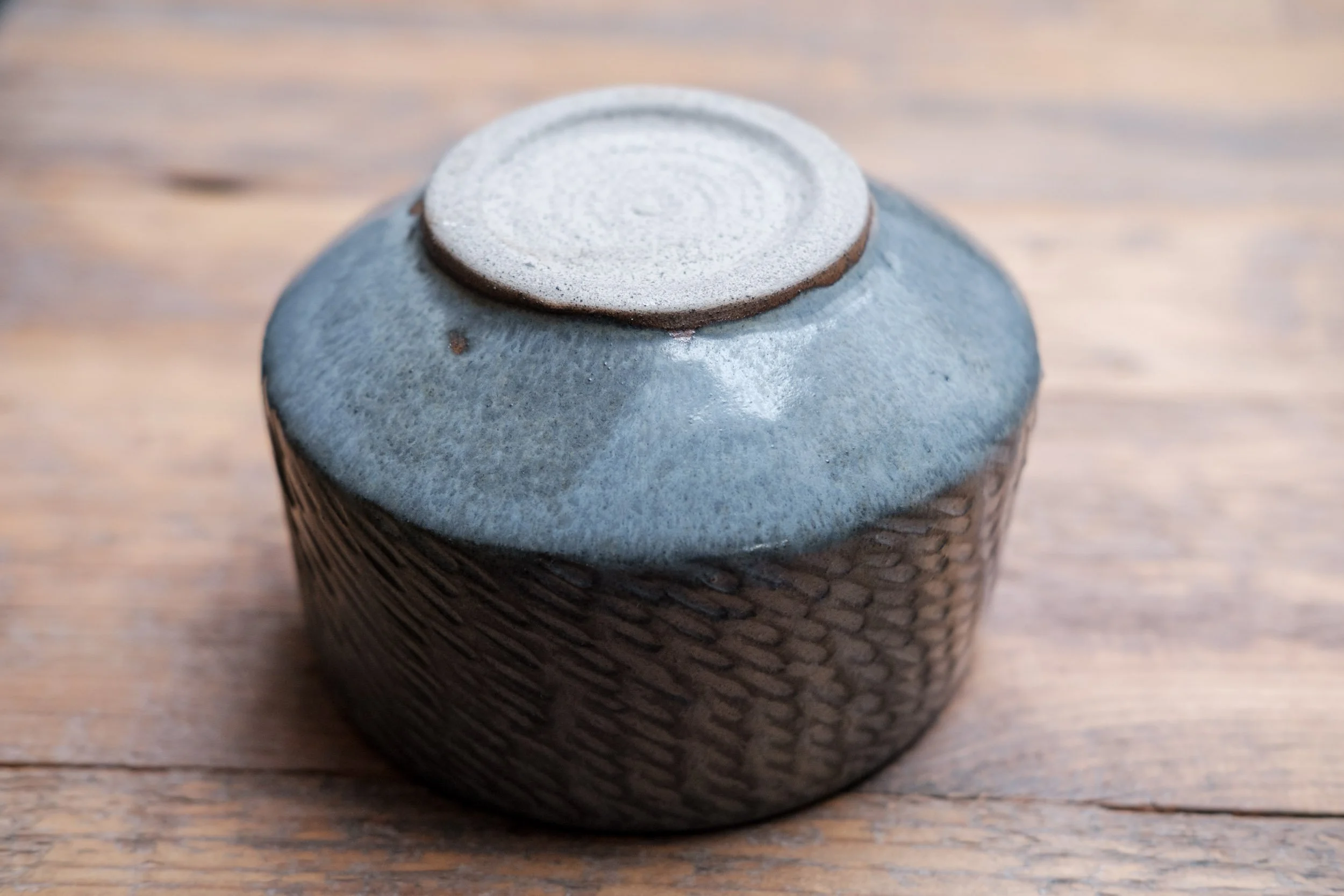
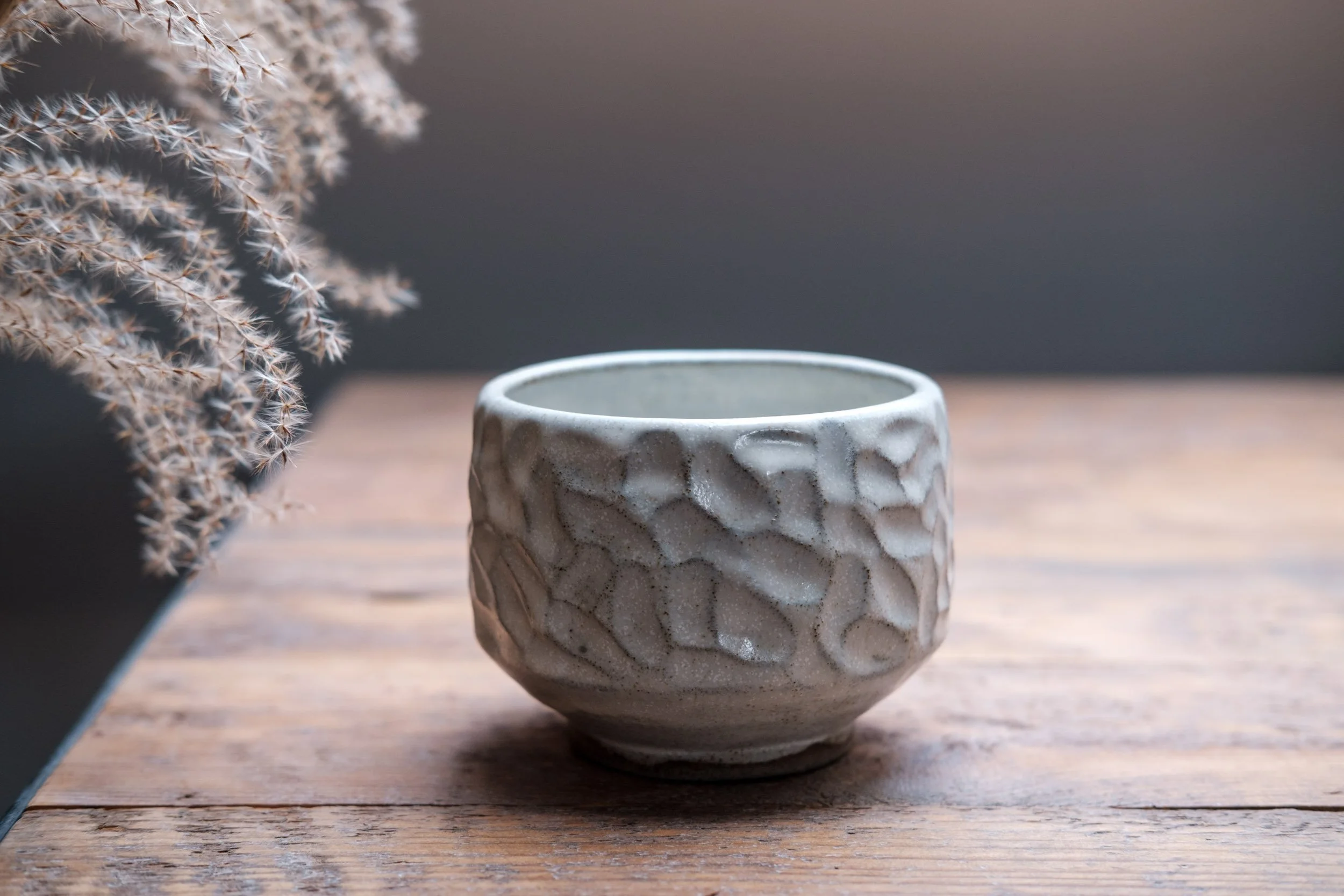
If choosing the higher range (cone 7-9) for cone 6 firing- the surfaces you see in the photos — the way the glaze pools, breaks, flows, or develops texture — rely on the glaze reaching at least the lower end of this maturity range.
WHAT HAPPENS AT CONE 6?
When fired lower, such as cone 6 (around 1220 °C), the glaze may not fully develop the same effect.
You may observe:
a more matte or drier surface
less movement or pooling
slightly different color development
IS IT STILL POSSIBLE?
Yes — many potters do experiment with these glazes at cone 6 and achieve good results.
However, because we have not tested them at this temperature, we cannot guarantee:
the final surface
or the effects shown in our examples
HOW TO GET CLOSER RESULTS AT LOWER TEMPERATURES
If your kiln reaches around 1220 °C, you are already quite close to the intended glaze behavior.
You can also increase heatwork by:
slowing down the firing
adding a soak/hold at peak temperature
This can help the glaze mature more fully, even if the peak temperature is slightly lower.
-
When a cone 6-8 glaze is fired hotter (cone 9–10), it simply melts more than intended — and that changes everything:
More fluid / can run → edges soften, risk of dripping
Glossier surface → matte/satin can turn glossy
Crystals → may either develop more or fully melt out (losing texture)
Lava glazes → bubbles can collapse and smooth out, glaze may become runny
We always recommend testing — especially when pushing temperatures. Our 100g sample packs are perfect for this, so you can explore how a glaze behaves in your own kiln before committing.
-
With glazes — especially special-effect surfaces — the following factors all play a role:
glaze thickness
application method (dipping, brushing, spraying, layering)
firing temperature
firing curve (speed, holds, cooling)
kiln position (top, middle, bottom shelf)
clay body
Many of the glazes listed are shown on number of bodies to show just how versatile these surfaces can be depending on the background - many of them work across porcelain, white stoneware, speckled stoneware, light and dark grey stoneware, black and brown stoneware.
-
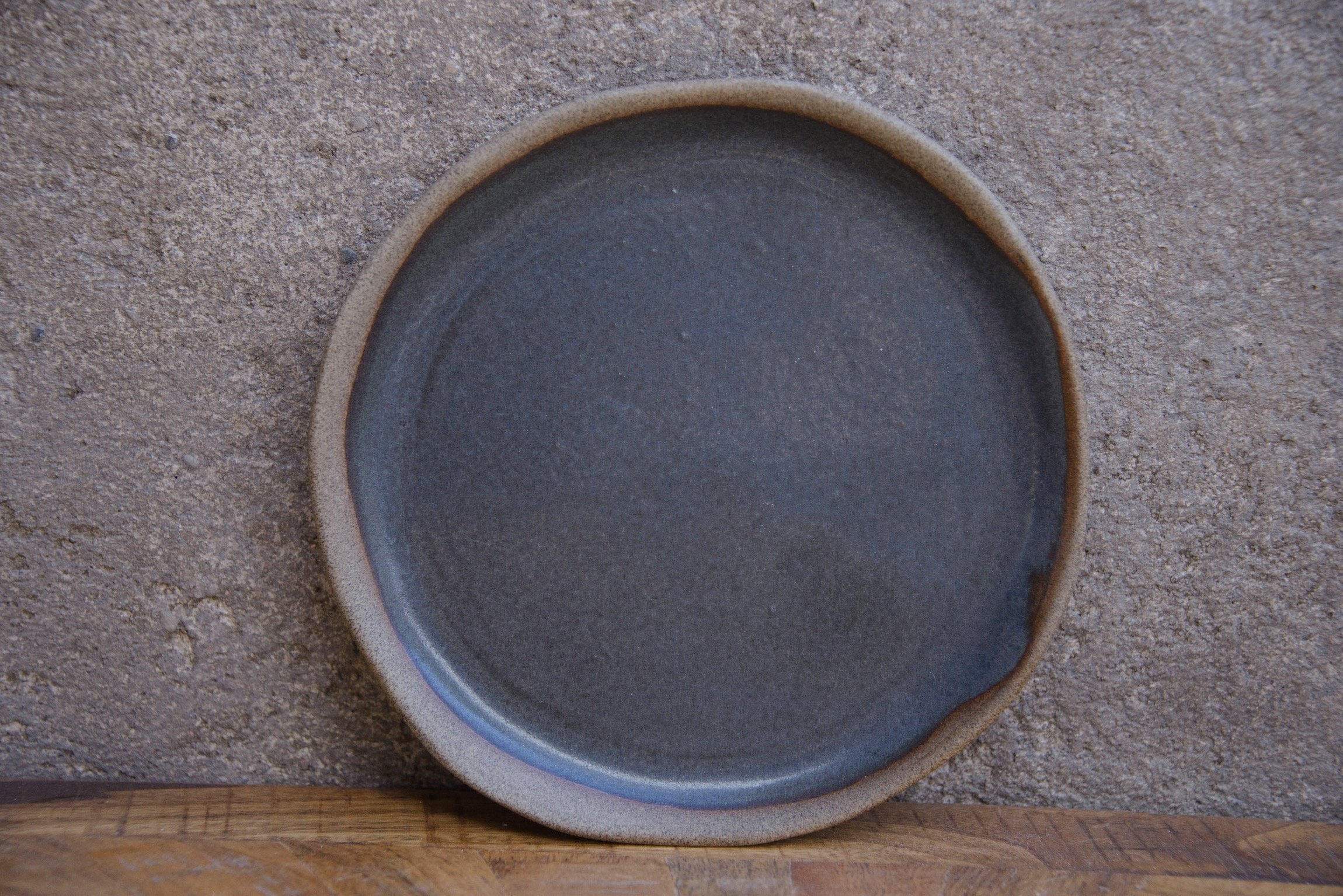
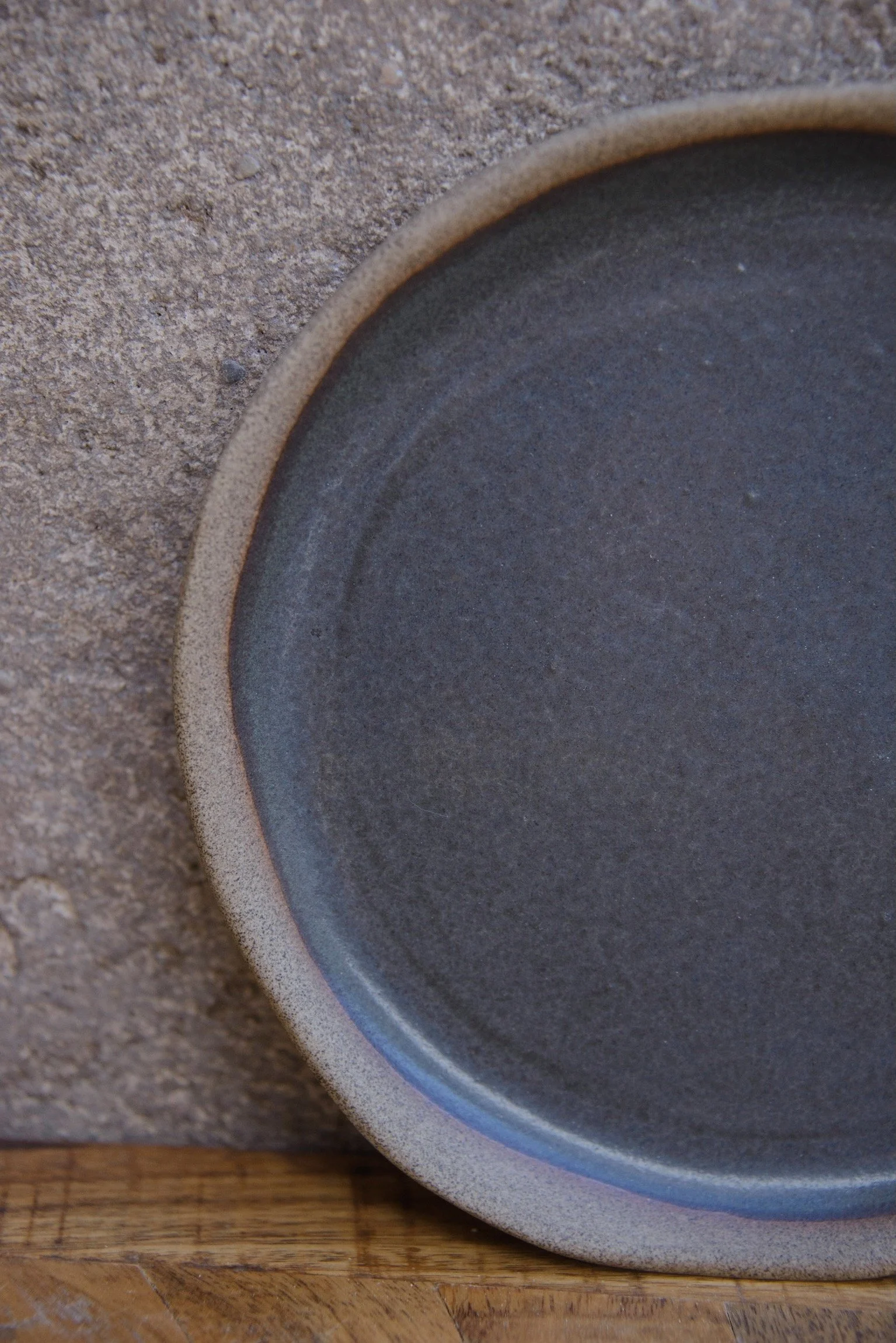
Matte and satin‑matte glazes are beloved for their soft, stone‑like surfaces, subtle light absorption, and quiet, earthy presence on the table.
One common questions we receive from clients — concerns cutlery marks on matte glazes.
For a deeper guide explore our blog: https://www.laimaceramics.com/blog/2025/12/19/cutlery-marks-on-matte-glazes-what-they-are-and-why-they-happen