The Search for a Transparent Matte Glaze
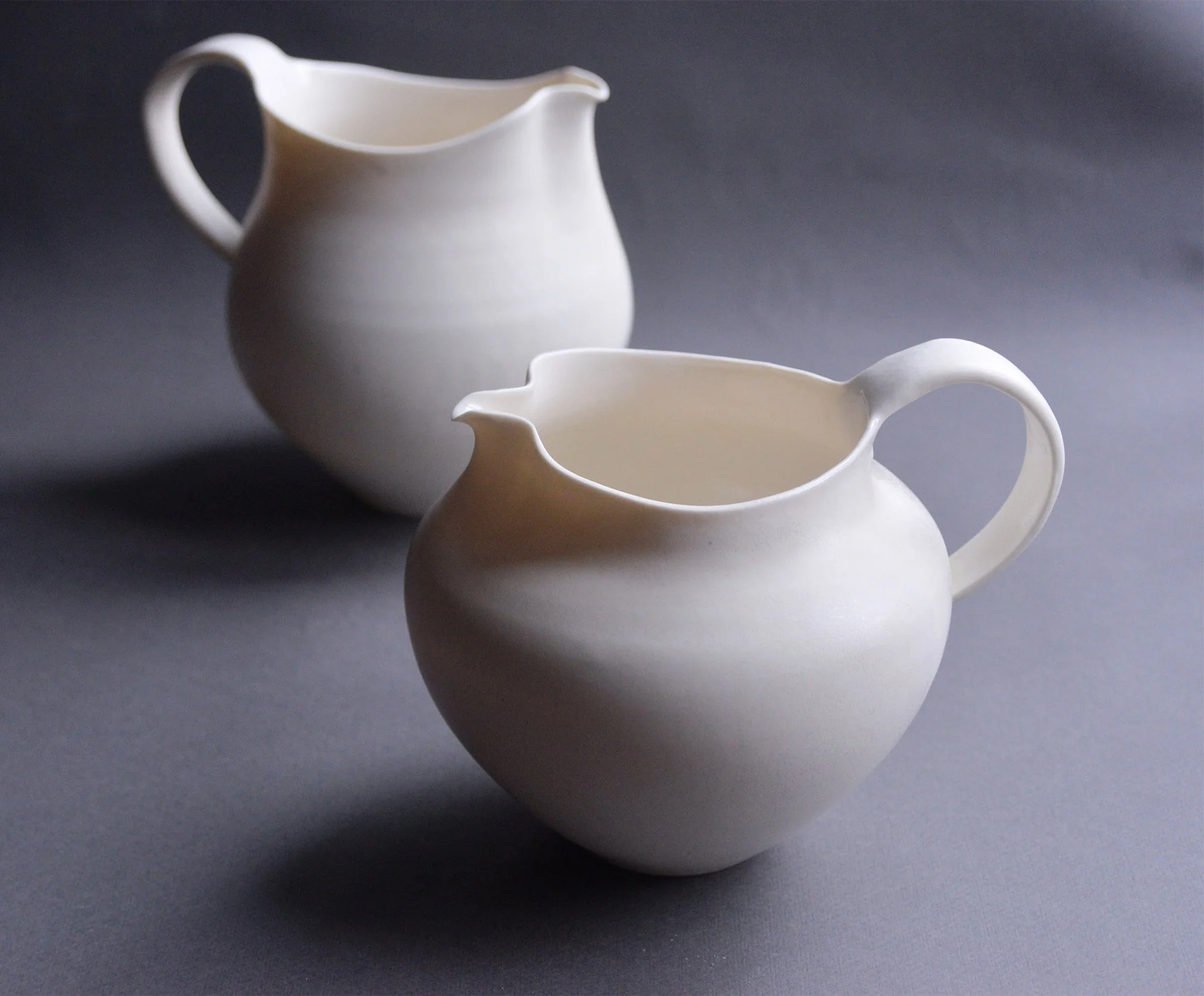
the ceramic version of the Holy Grail
If you’ve ever worked with engobes or underglaze decoration, you’ve likely had this thought:
“I just want a transparent matte glaze… something soft, non-shiny, that lets my decoration show through.”
Simple request.
Except — after years of searching, testing, asking around…
You start to suspect:
Does it even exist?
Short answer?
Not really.
Long answer — let’s walk through it.
First, let’s clarify the language
When we talk about glazes, there are two separate qualities that often get mixed together:
1. Surface quality (how light reflects)
Dry matte — very little melt, often chalky or raw
Matte — soft, non-reflective surface
Satin / semi-matte — somewhere in between, soft sheen
Glossy — fully melted, glass-like, reflective
2. Visual clarity (how much you can see through it)
Transparent — you can clearly see decoration underneath
Translucent — partially diffused
Opaque — blocks what’s underneath
So yes — your instinct is right:
“Matte vs glossy” and “transparent vs opaque” are two different axes.
In theory, you’d think you can mix and match freely.
In practice… this is where things get interesting.
Why matte and transparent don’t like each other
To understand this, we need to look at what a glaze actually is:
At high temperature, a glaze becomes liquid glass.
When it cools, it solidifies into a surface.
A glossy glaze = smooth glass
Fully melted
Smooth surface
Light passes through clearly
→ This is why glossy = transparent
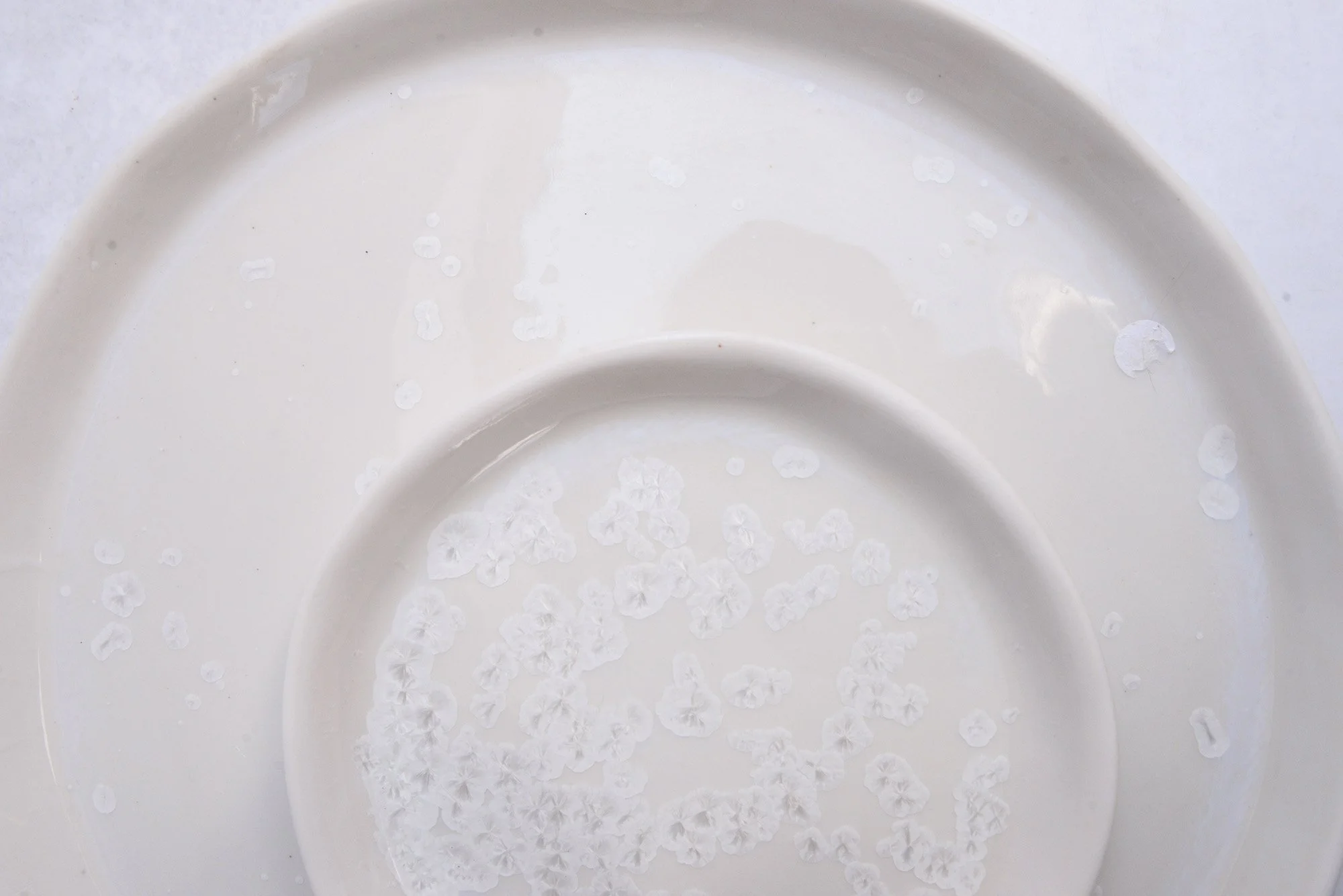
Crystalline glaze over porcelain shows this perfectly: where the glaze is glossy, it appears transparent — and where crystals form, the surface turns opaque and no longer lets you see through.
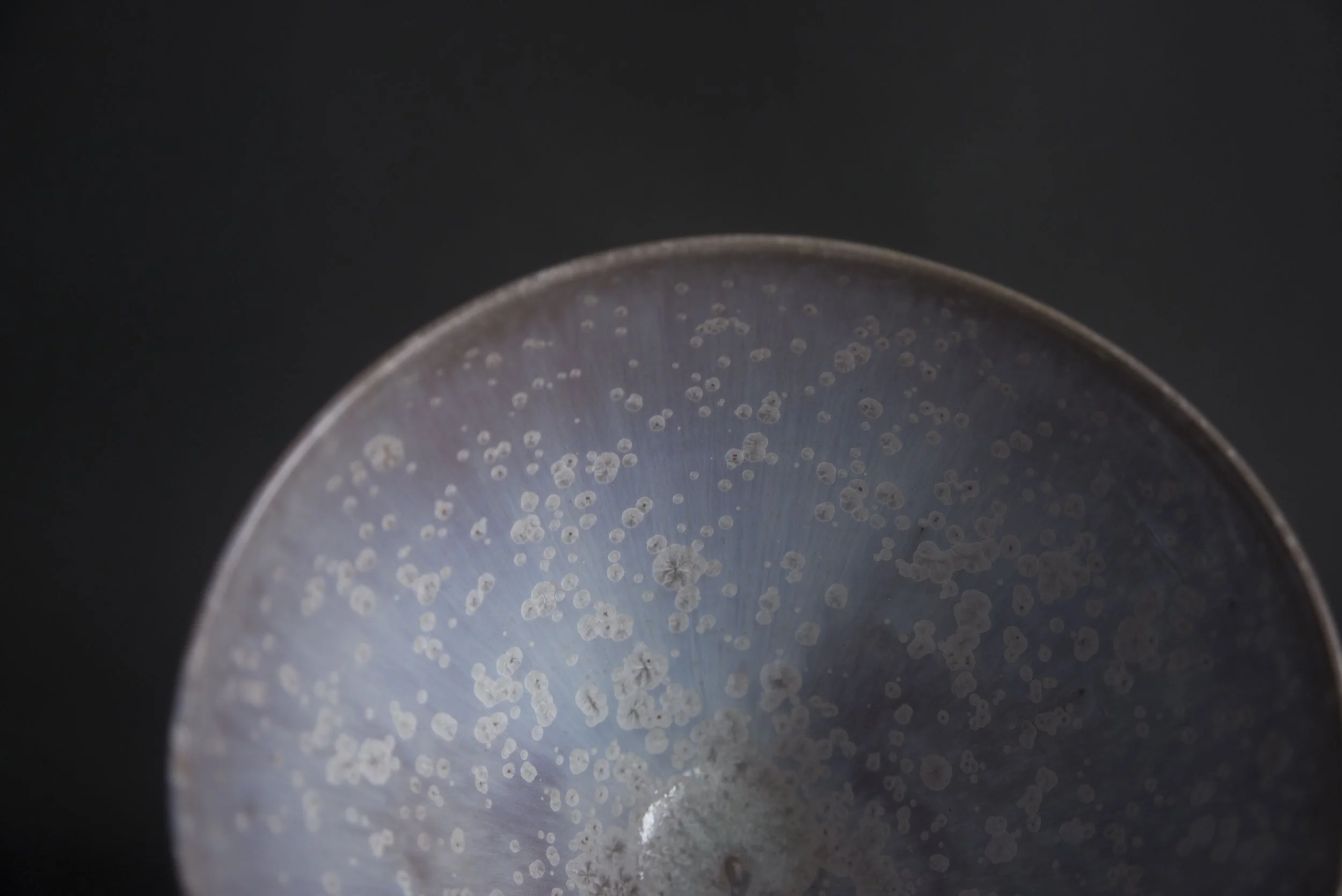
The same crystalline glazes over dark stoneware reveals the truth however: what seemed “transparent” over white porcelain isn’t truly see-through so should be called translucent — meaning it carries a slight opacity that becomes visible against a darker body.
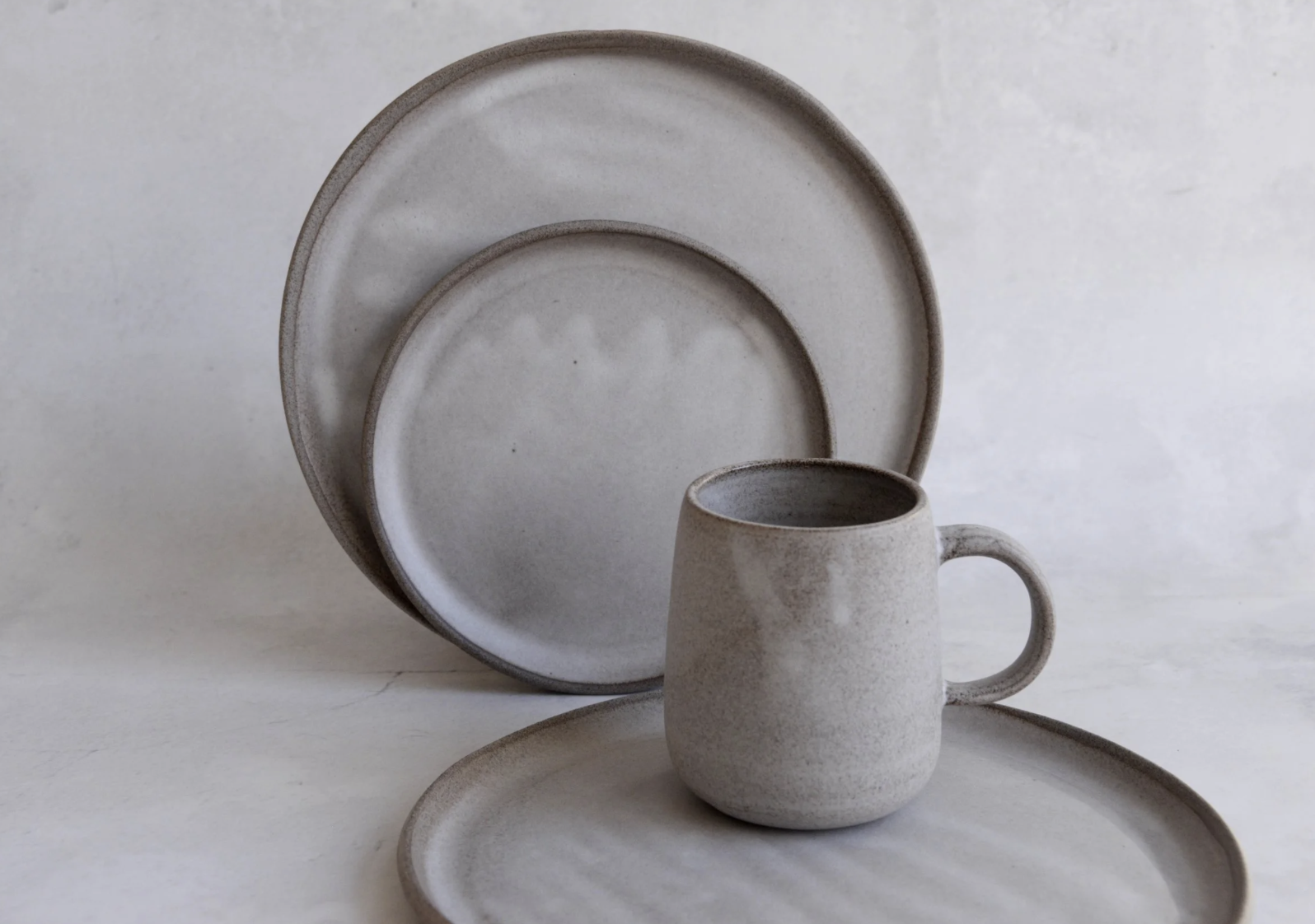
Matte surfaces happen because oF:
Micro-crystals forming during cooling, or
Incomplete melt
Both of these create tiny irregularities in the glaze structure
And what do those irregularities do? They scatter light
And once light scatters… transparency is gone
Think of it like this:
A clean window → transparent
Frosted glass → matte
Same material. Different structure.
That “soft matte look” is literally the result of light being diffused instead of passing straight through.
So… what is the closest thing?
While a true transparent matte glaze isn’t really achievable in high-fire ceramics, you can get close:
1. Satin / semi-matte transparent glazes
Slight sheen
Still allow decoration to show through
The most practical compromise
2. Very fine matte (low crystal development)
Slightly more blur than gloss
Still readable surface underneath
3. Gloss glaze + firing adjustment
Sometimes lowering temperature slightly can soften gloss
But results vary a lot
why does this matter for underglaze & engobe work?
Because what you’re really looking for is:
A glaze that protects the surface without visually interfering with it
And in high-fire ceramics, the physics of glass simply says:
The more matte it becomes, the more it will soften, blur, or mute what’s underneath.
The honest conclusion
The “transparent matte glaze” sits somewhere between:
A technical contradiction
And a potter’s dream
A bit like the Holy Grail of glazing.
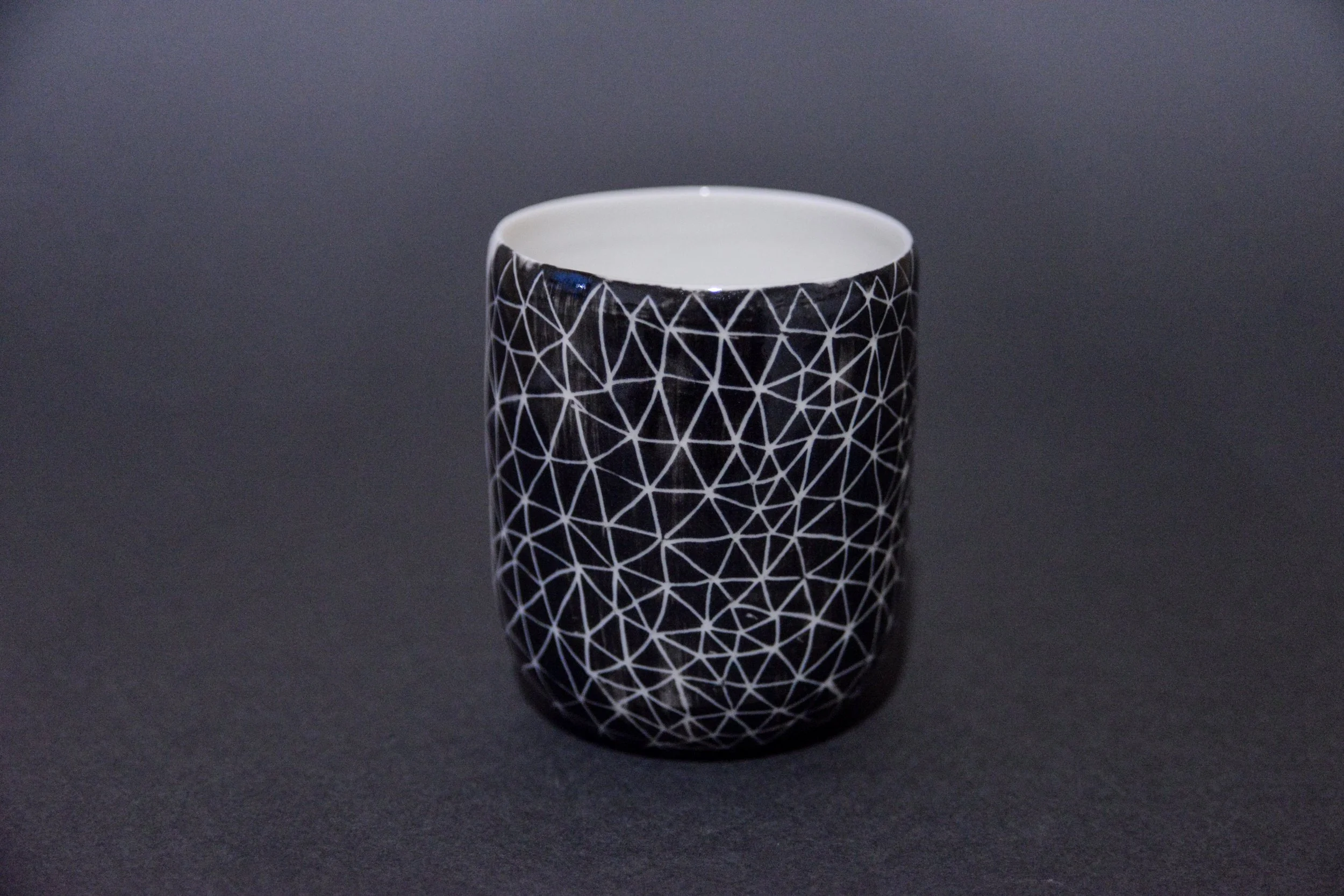
(Pictured glossy transparent glaze over black engobe decoration).
Our approach in the studio
After years of testing, we’ve come to a simple place:
For clarity → we use gloss
For softness → we use satin
For surface character → we embrace matte (knowing it will shift the look)
Instead of forcing one glaze to do everything, we choose based on what matters most for that piece.
If you’re searching too…
You’re not missing something.
You’re not overlooking a secret recipe.
You’ve simply arrived at one of those edges in ceramics where material reality sets the boundary.
And within that boundary — there is still so much beauty to explore.