 Image 1 of 3
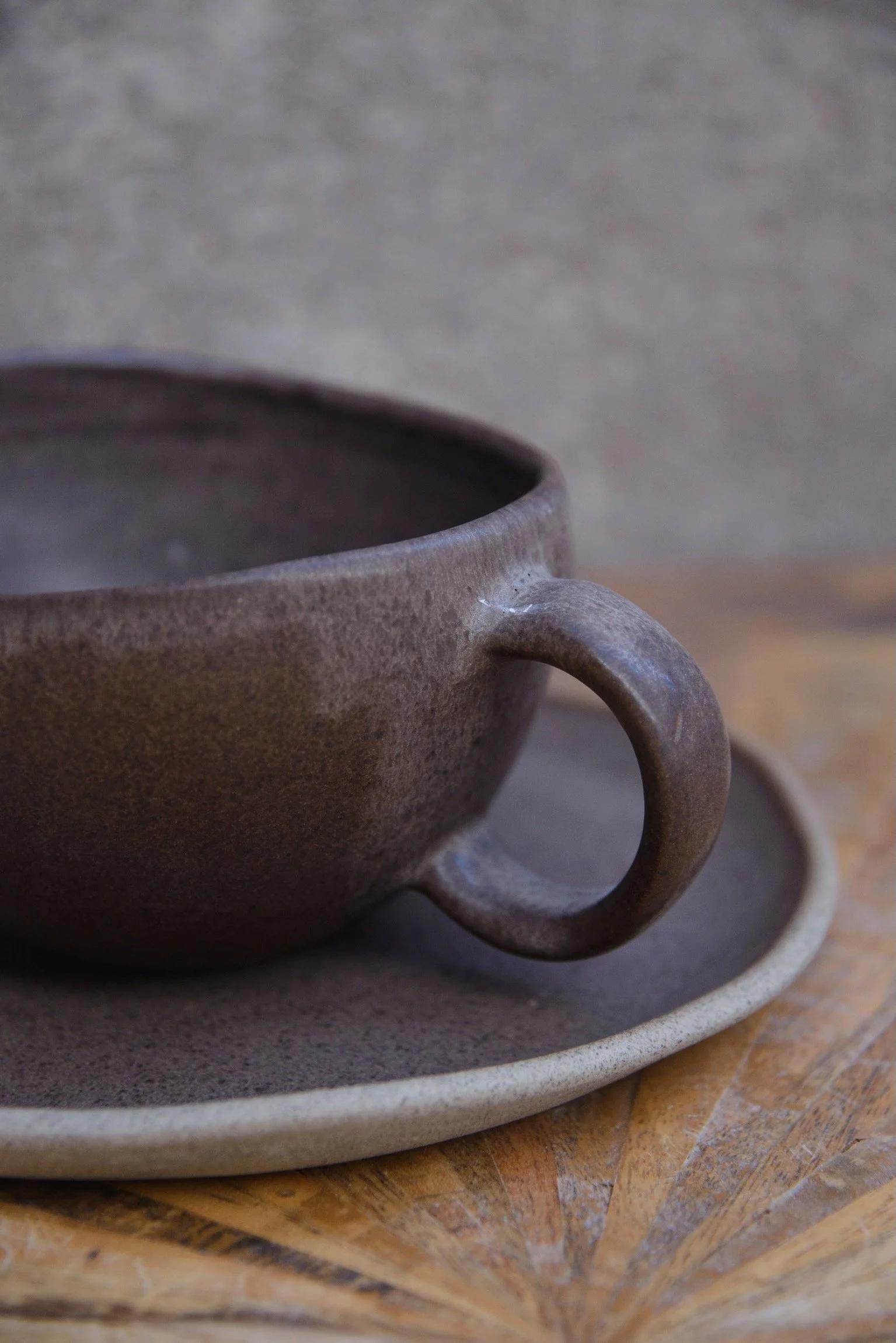 Image 2 of 3
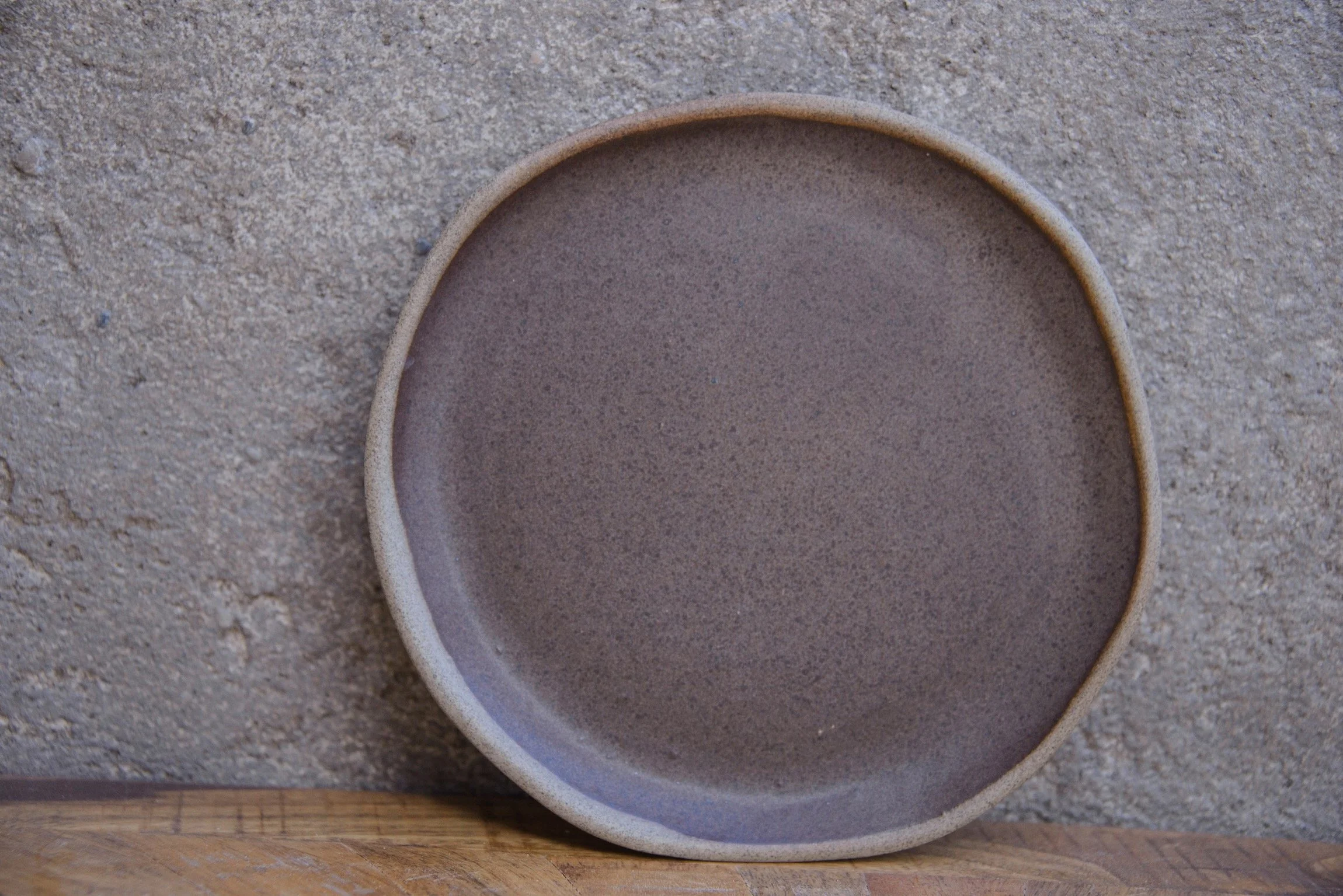 Image 3 of 3
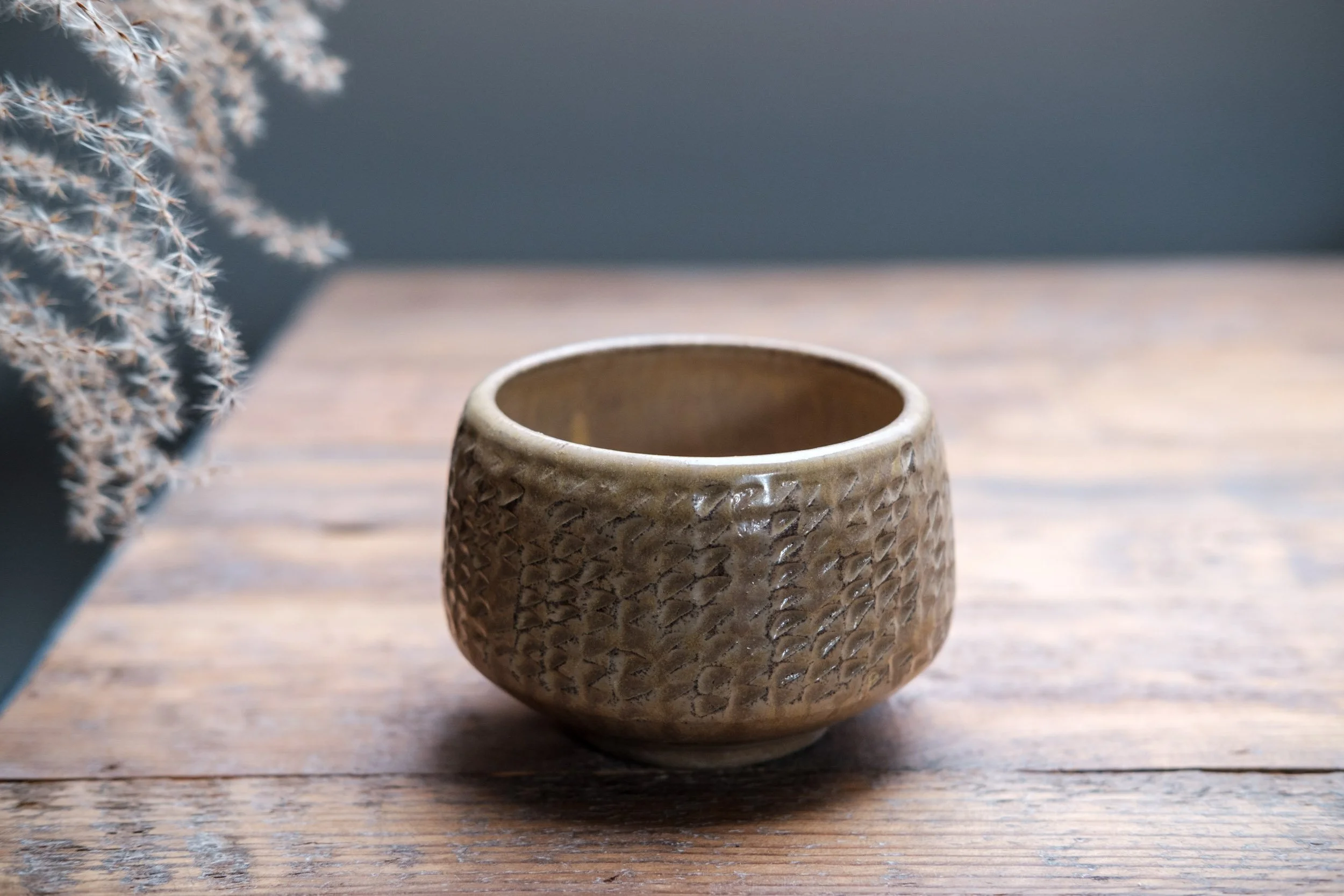
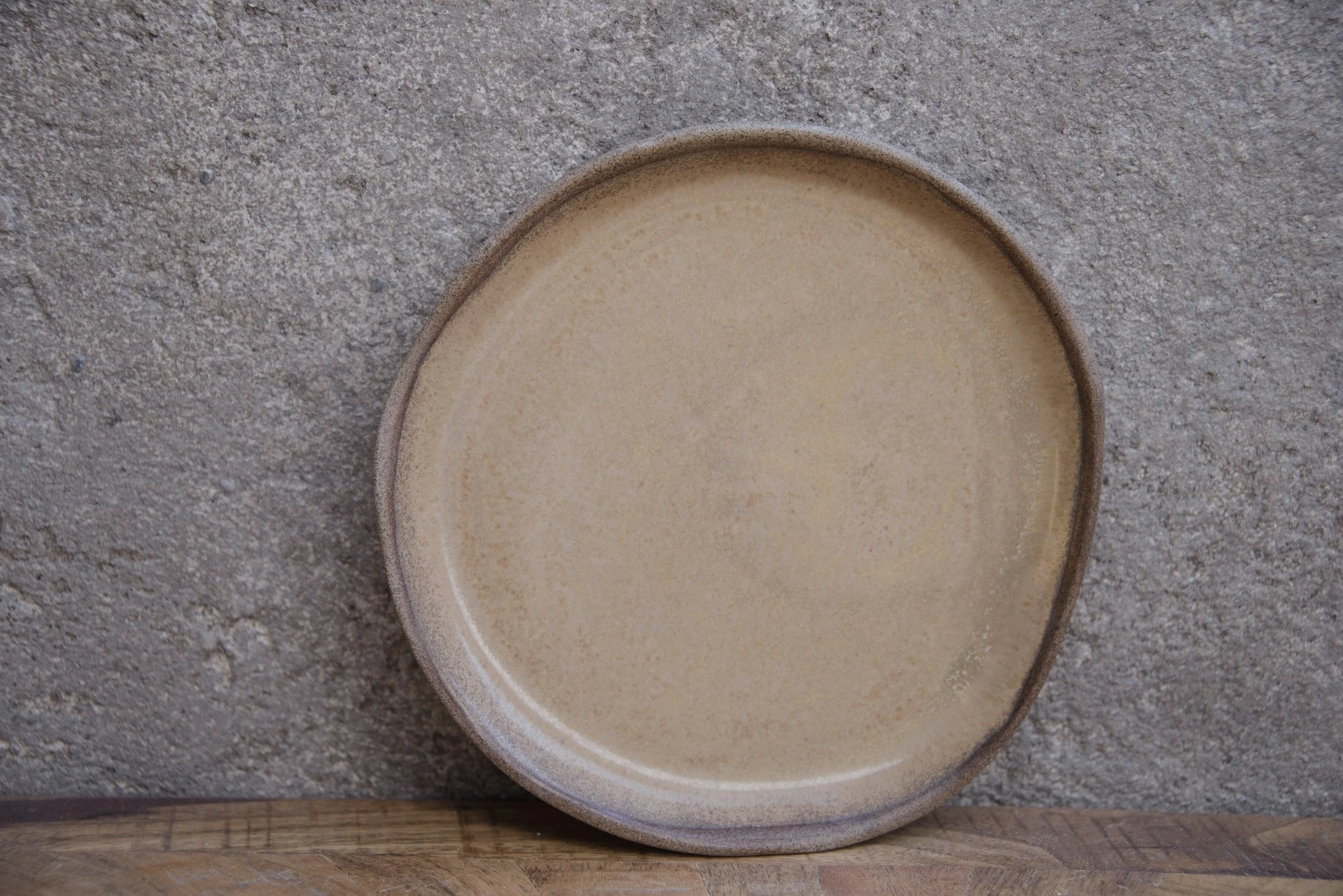
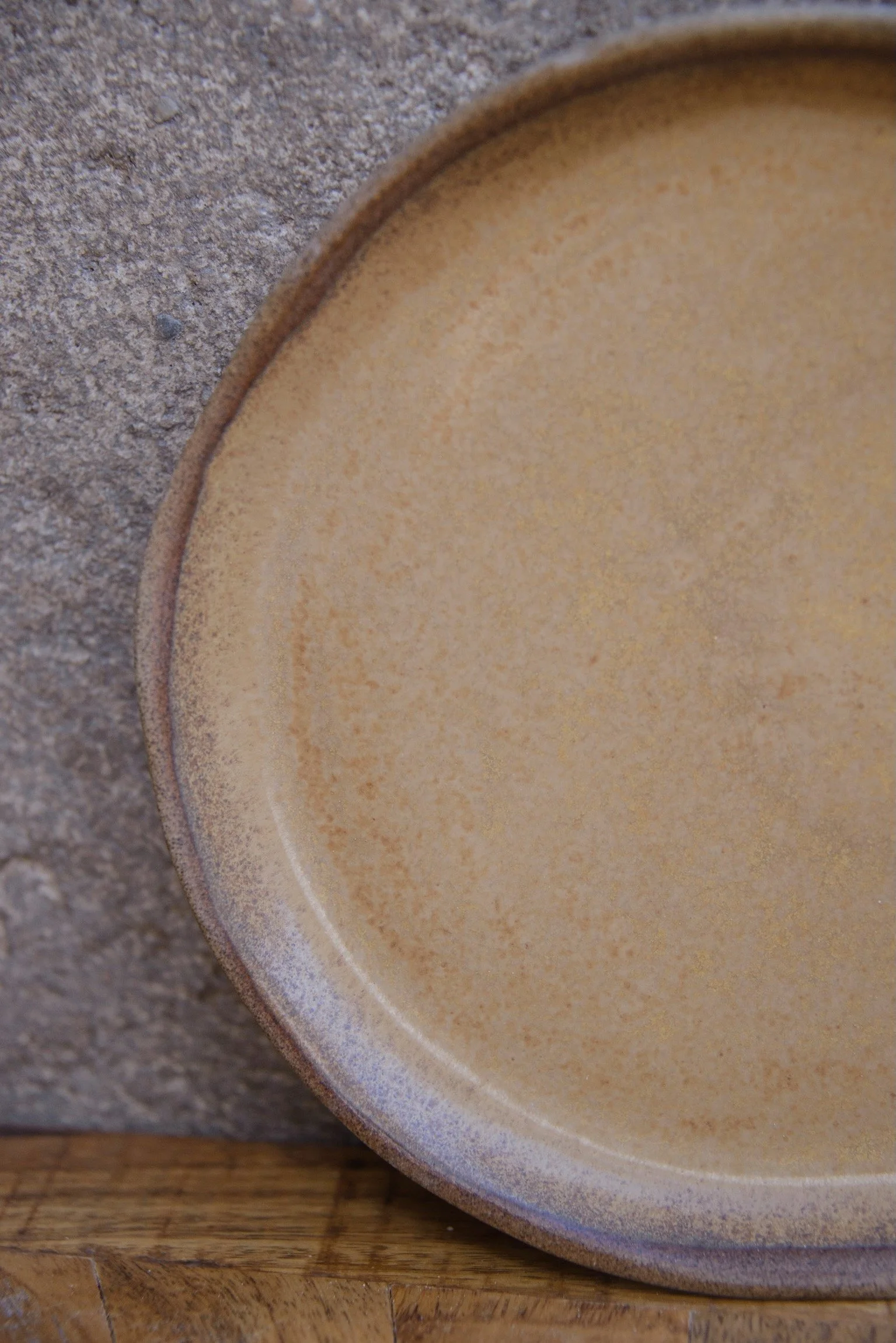
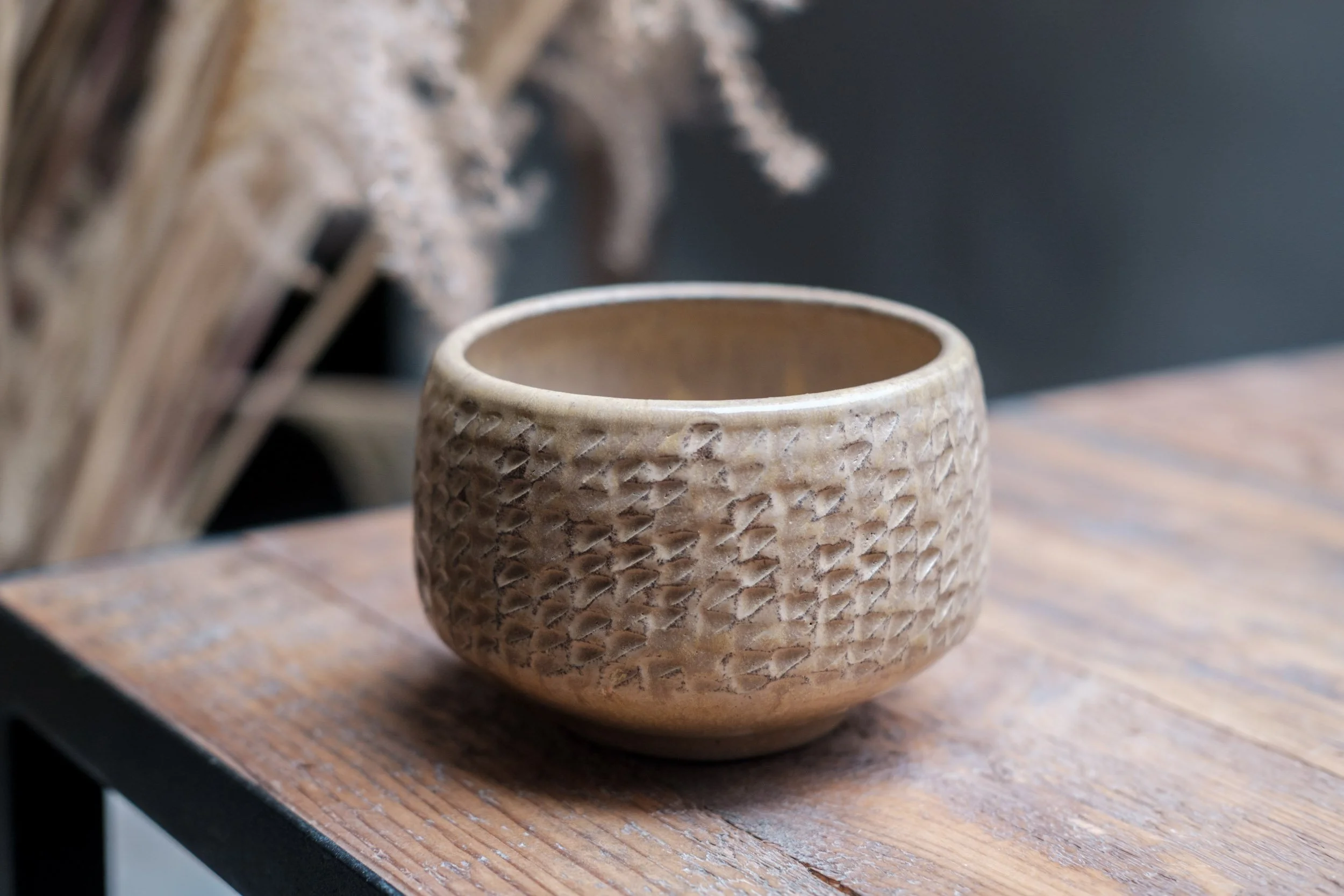
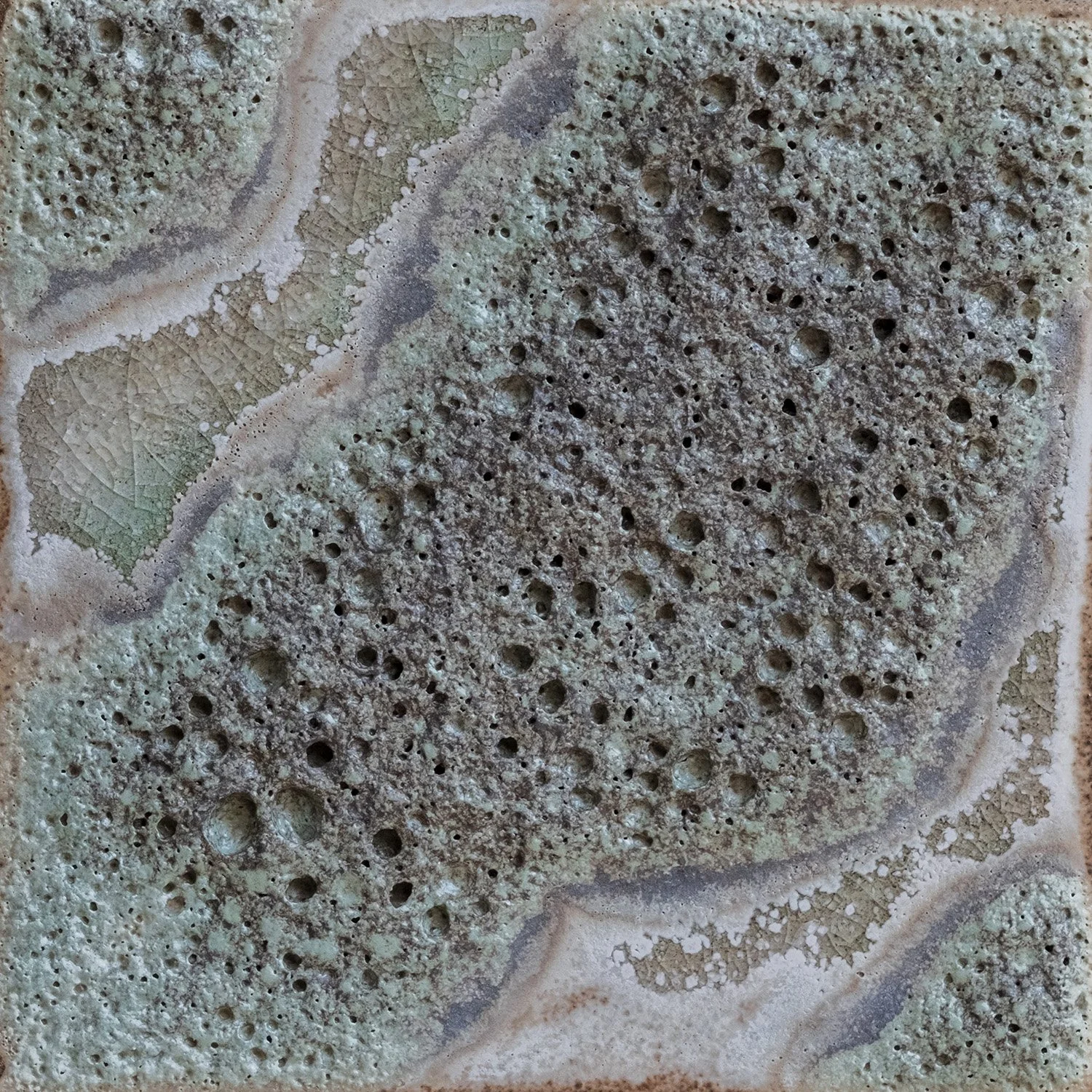
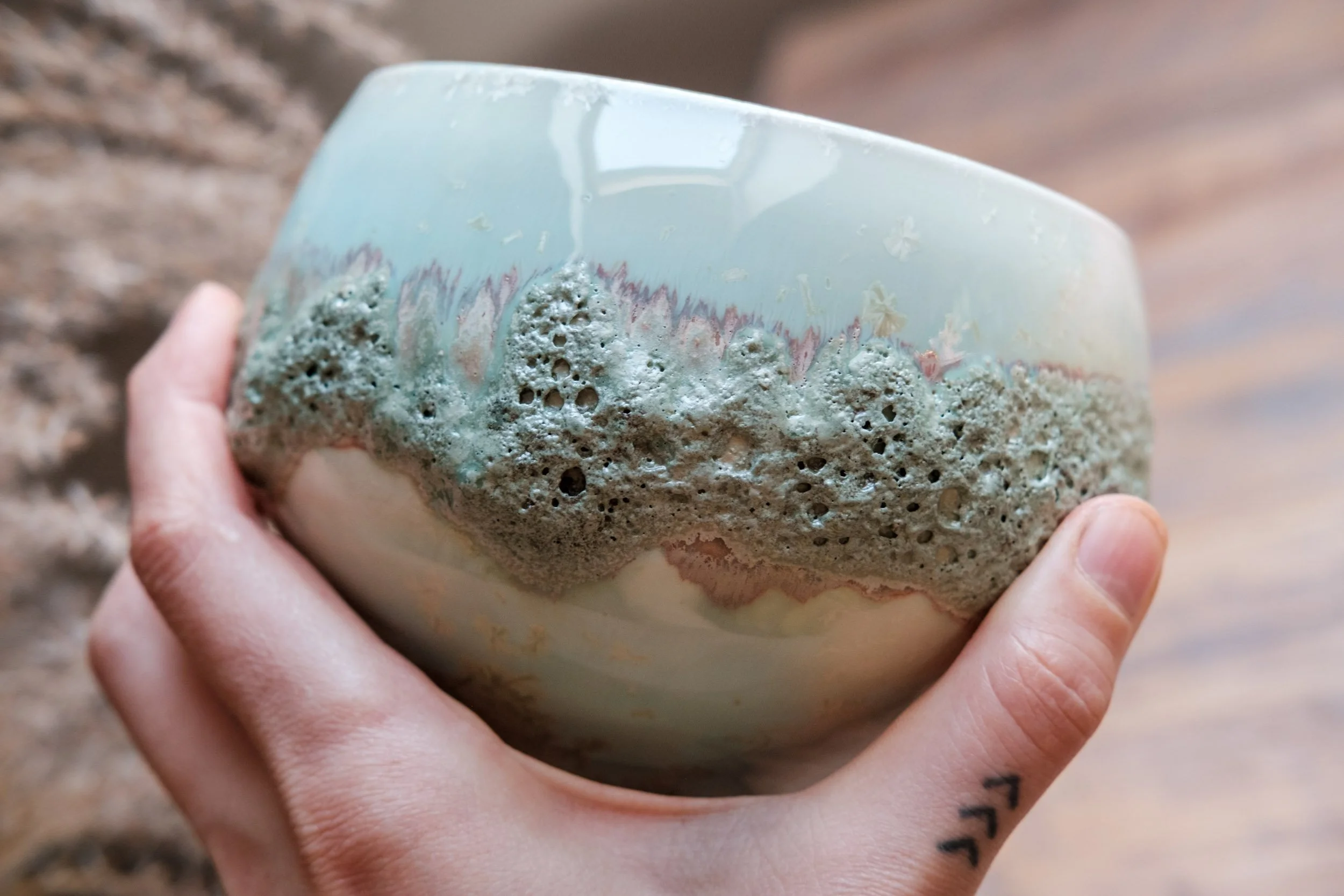
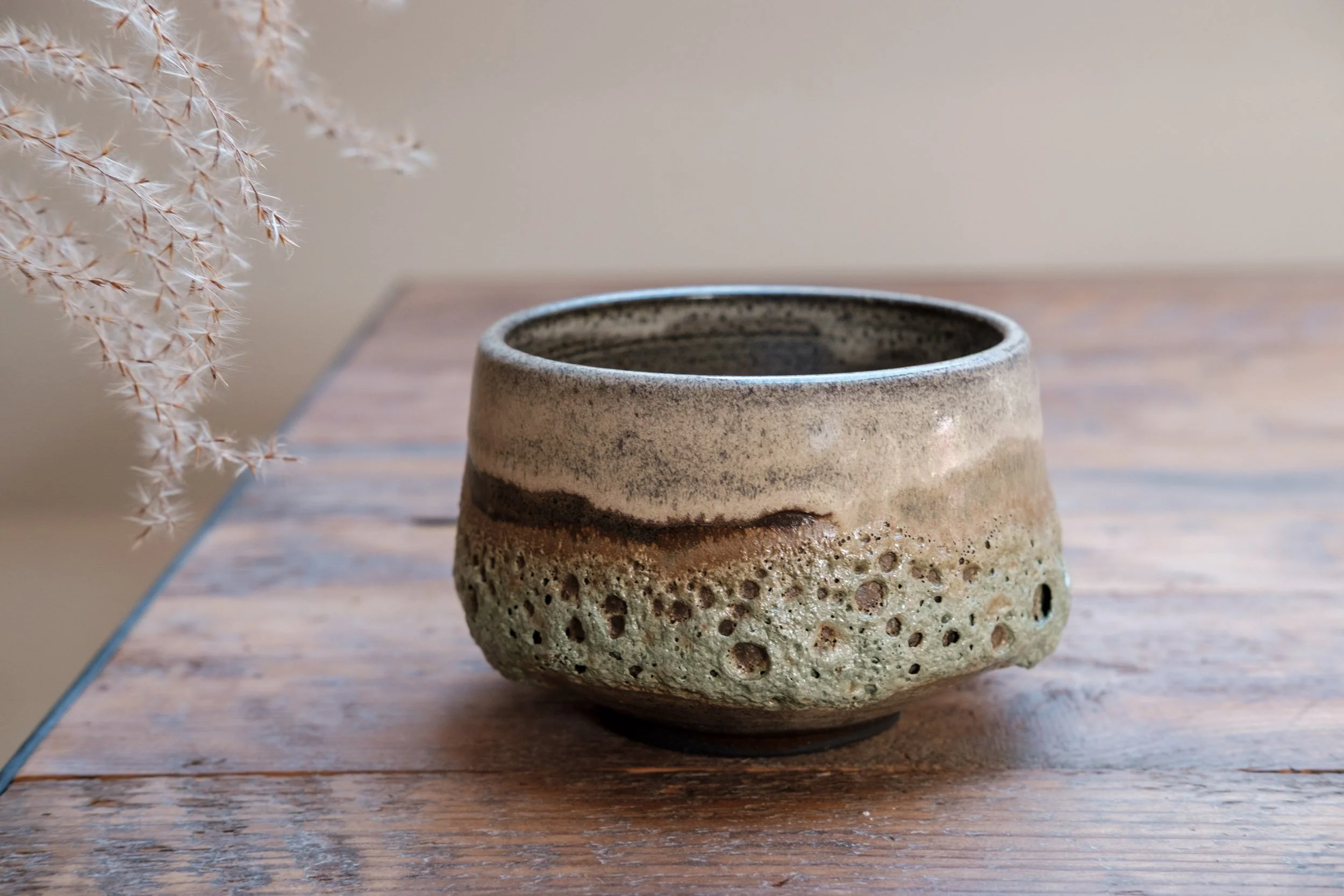
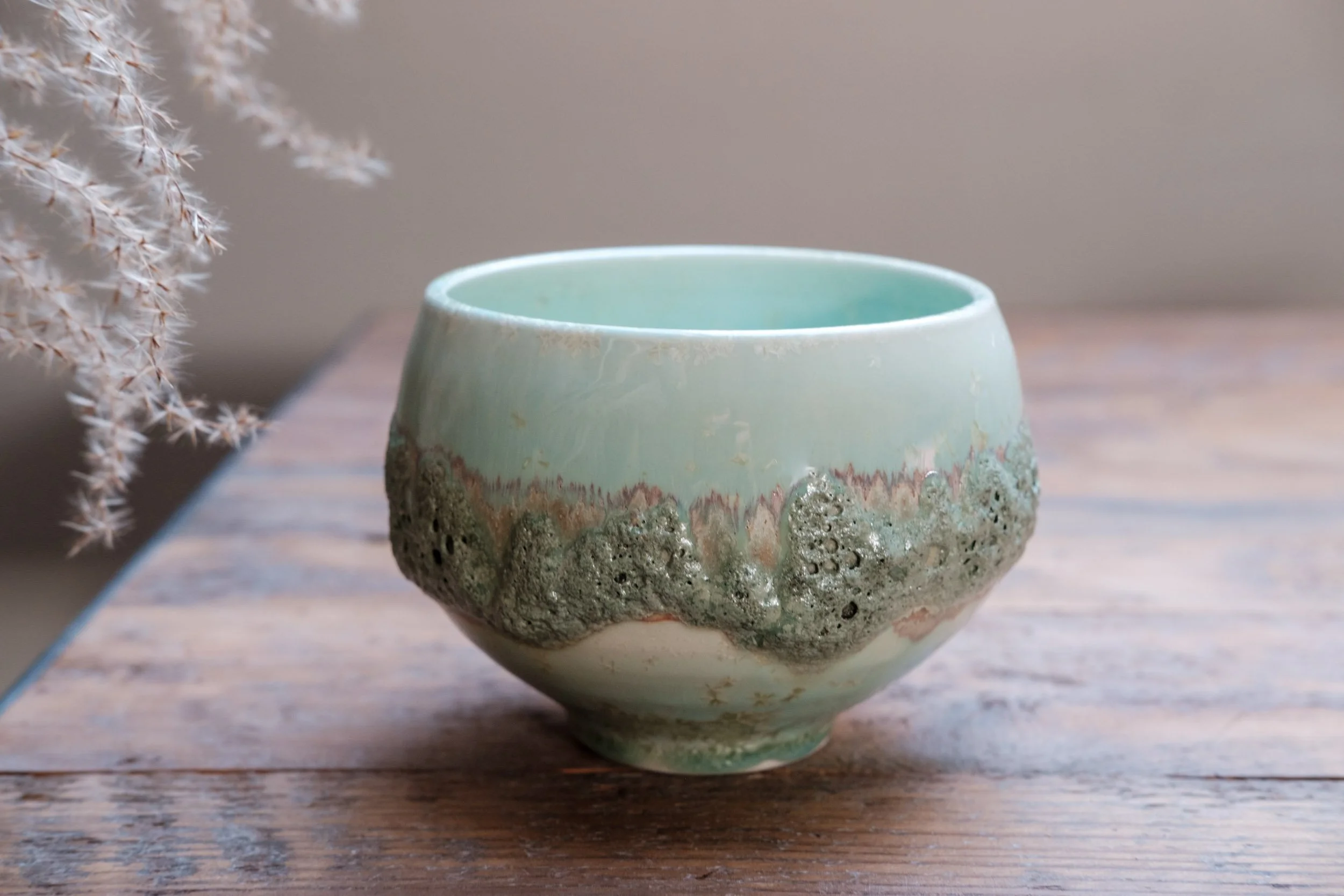
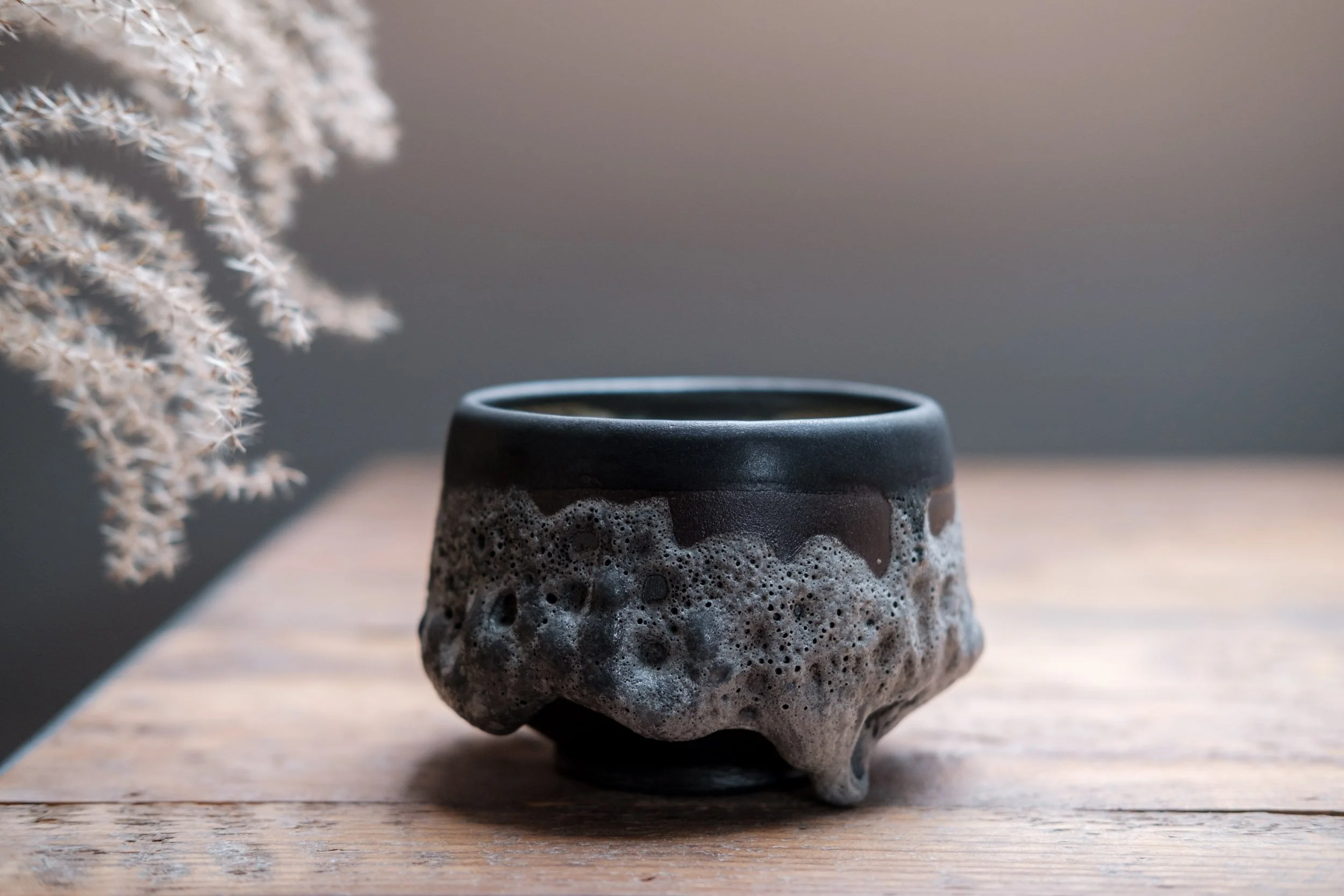
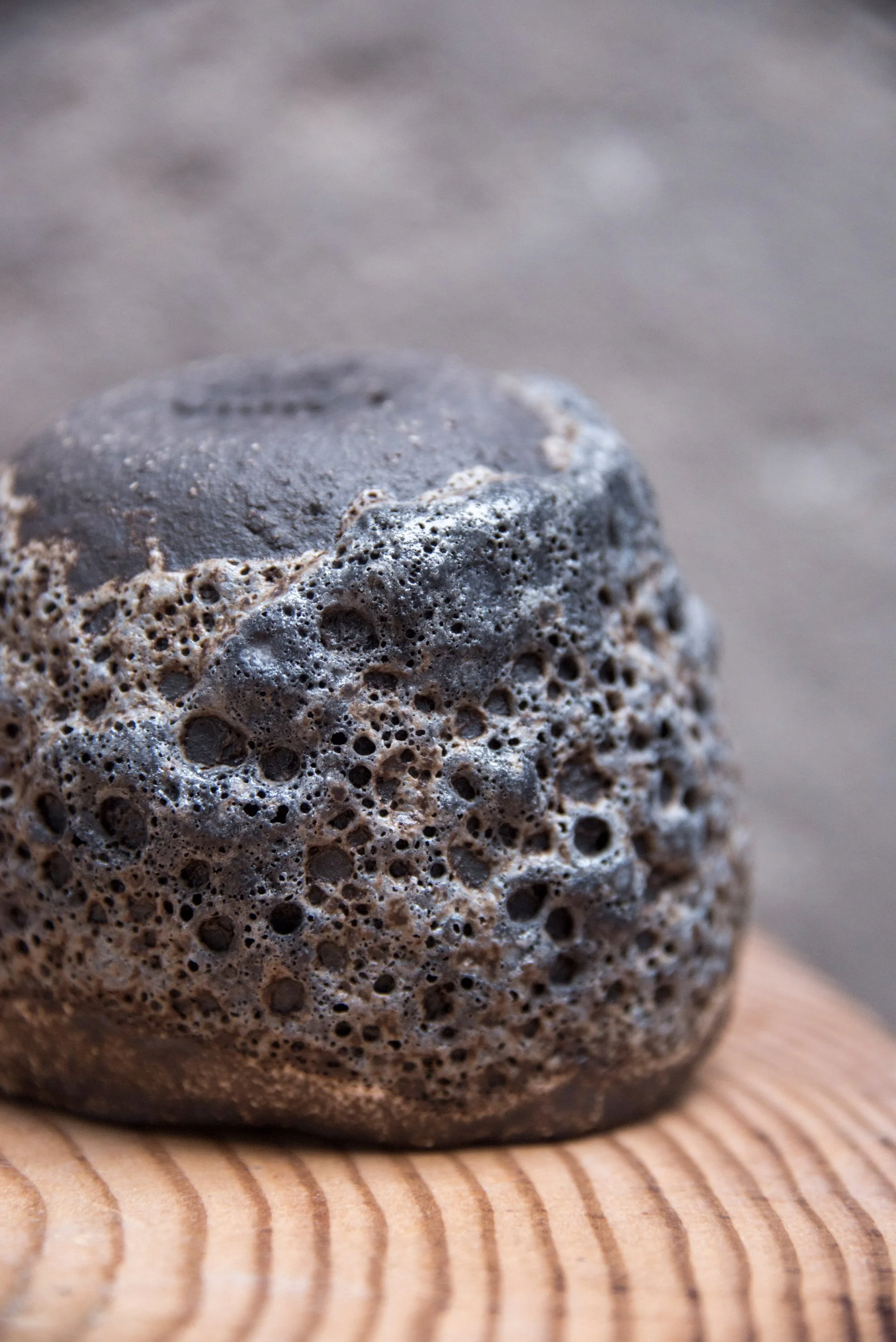
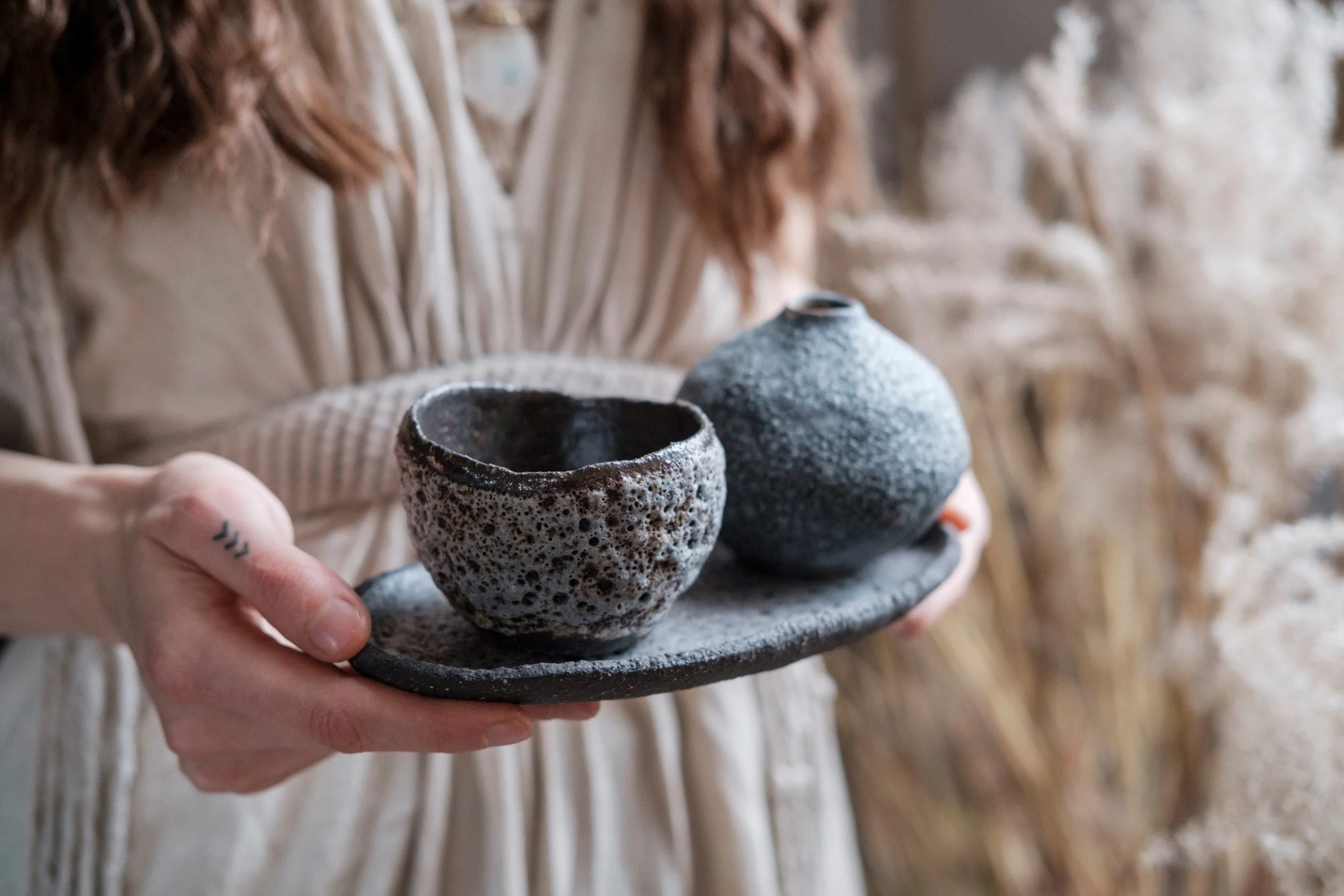
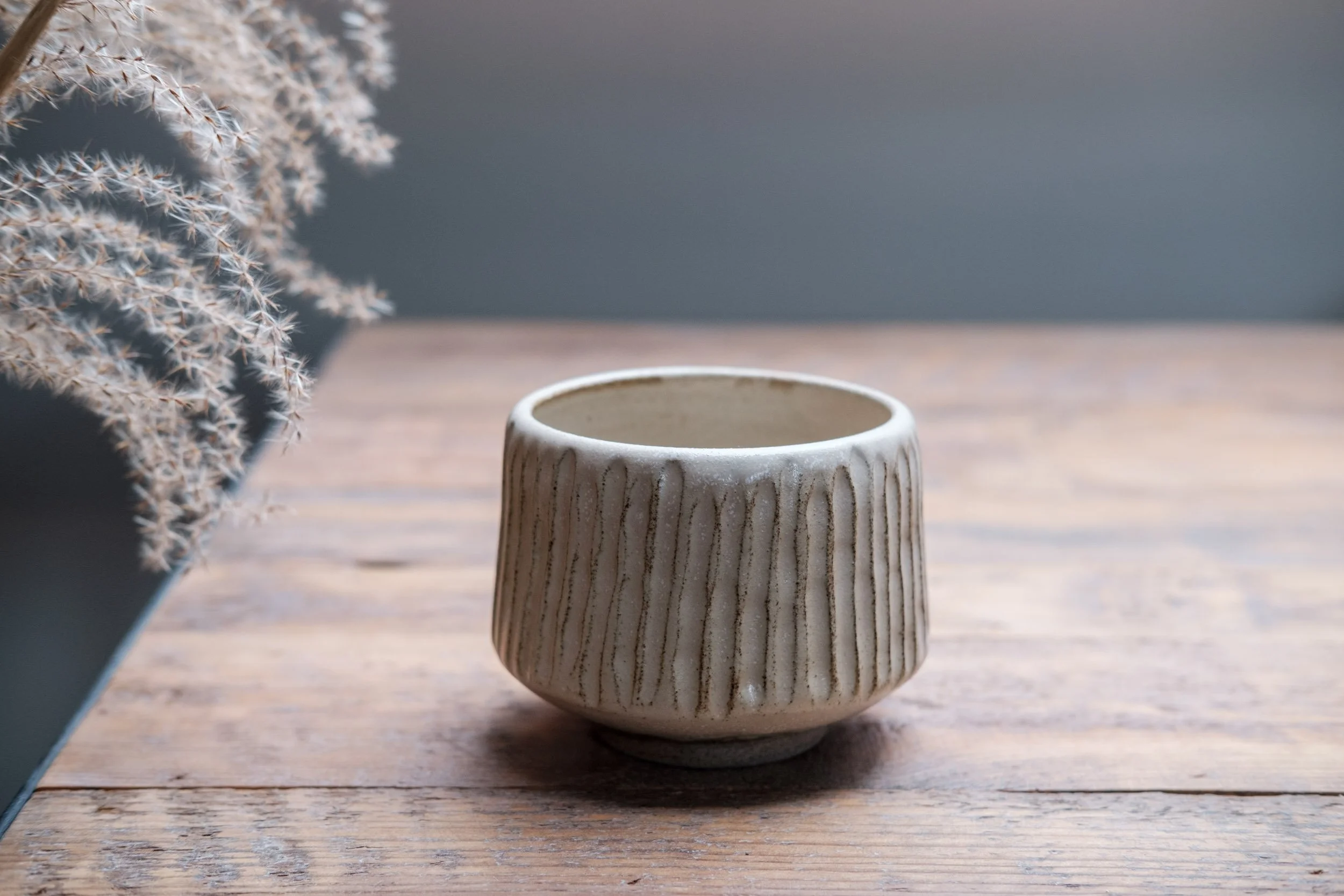
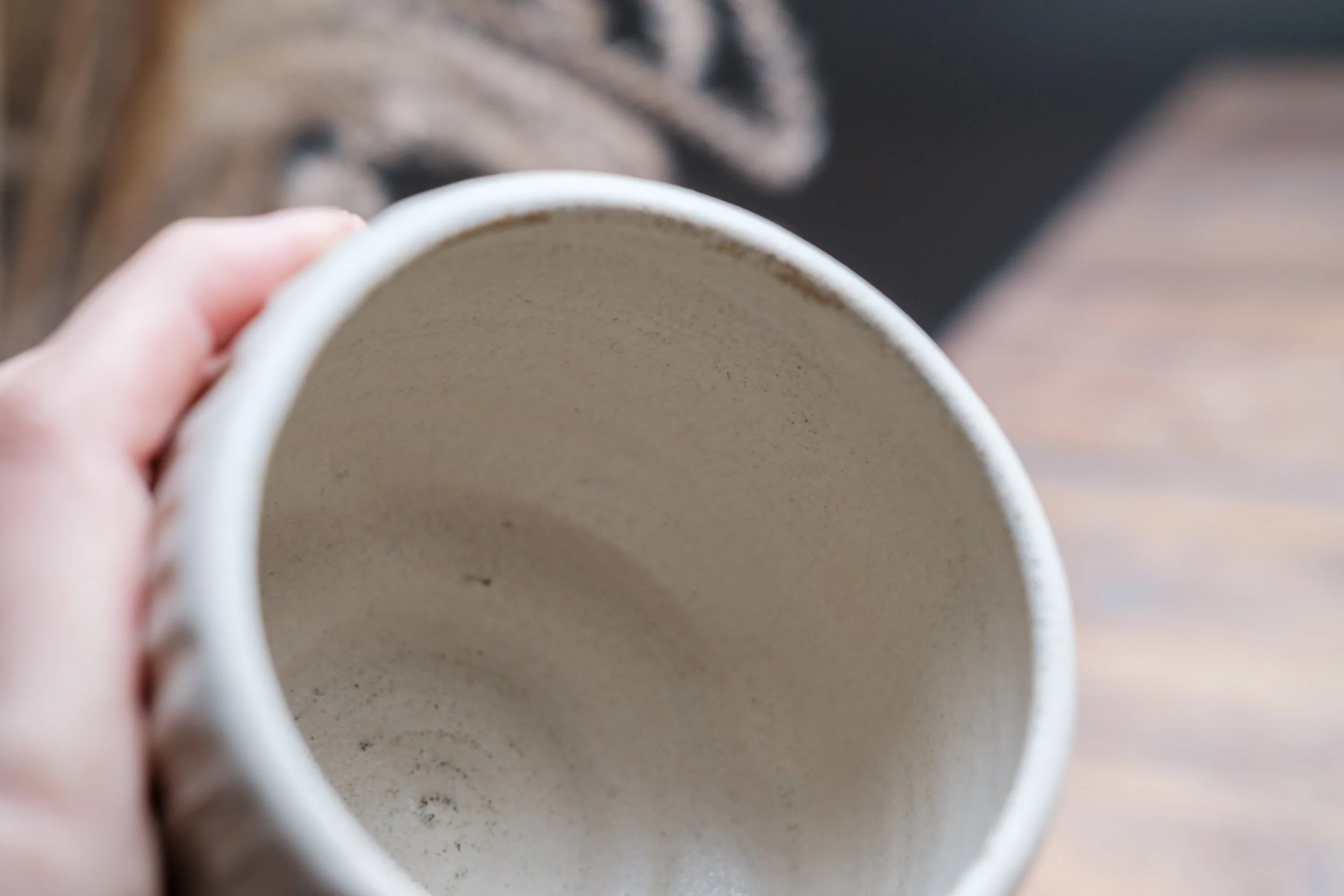
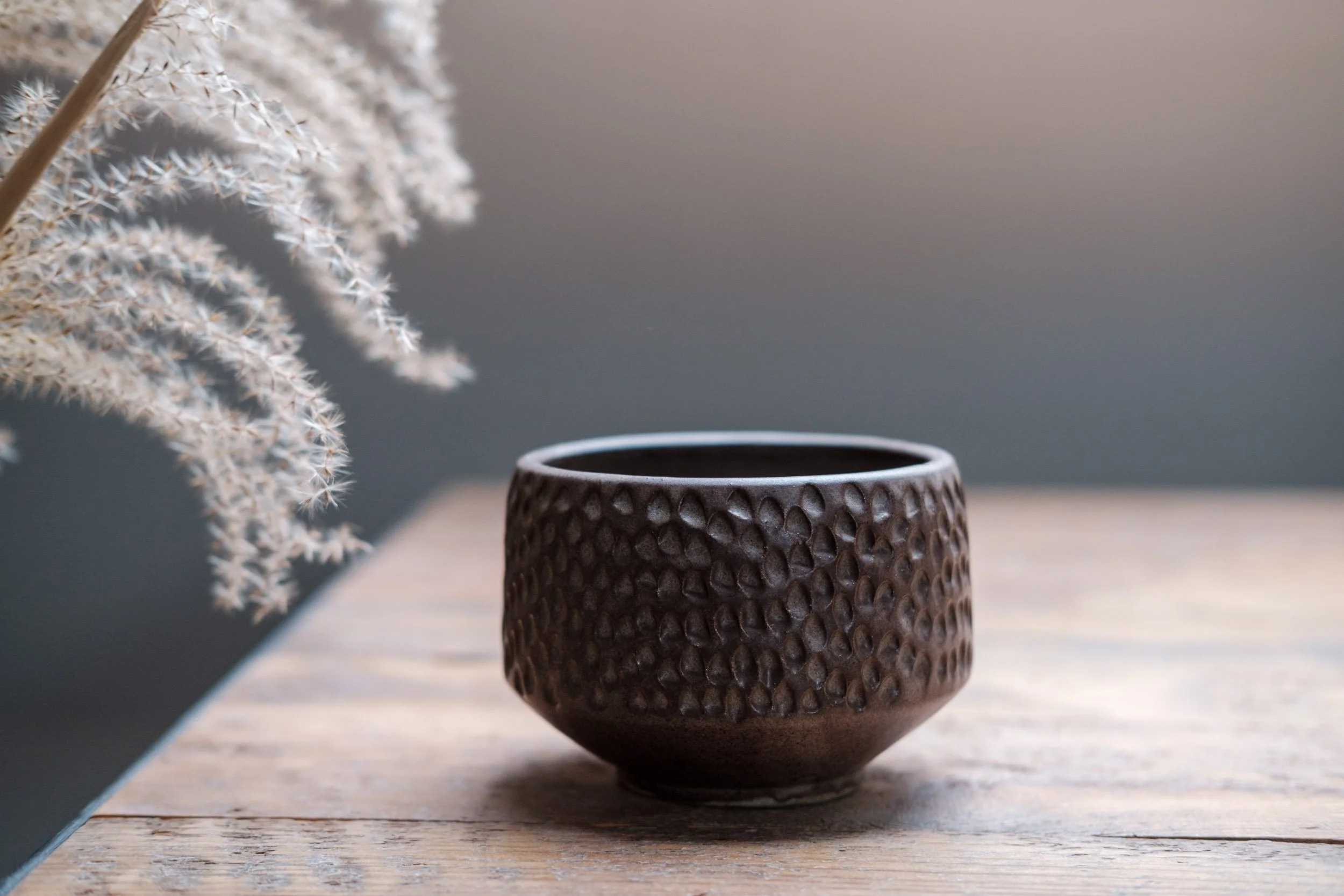
It offers a pleasant functional finish — not too dry — and shows excellent stability, making it a reliable choice for functional ware and repeatable production firings.
A dependable surface you can return to again and again as your work evolves.
1200–1280°C (Cone 6–9)
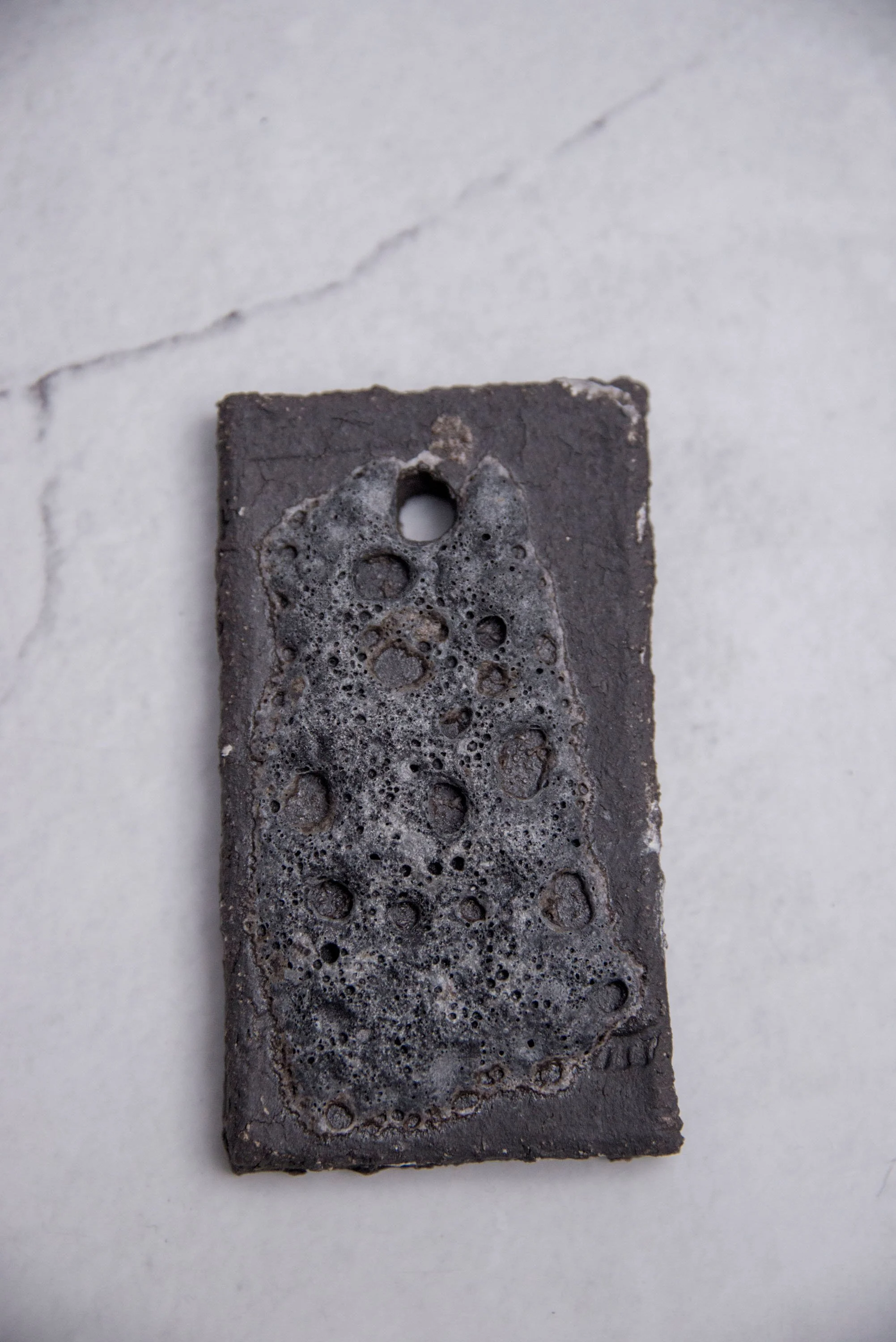
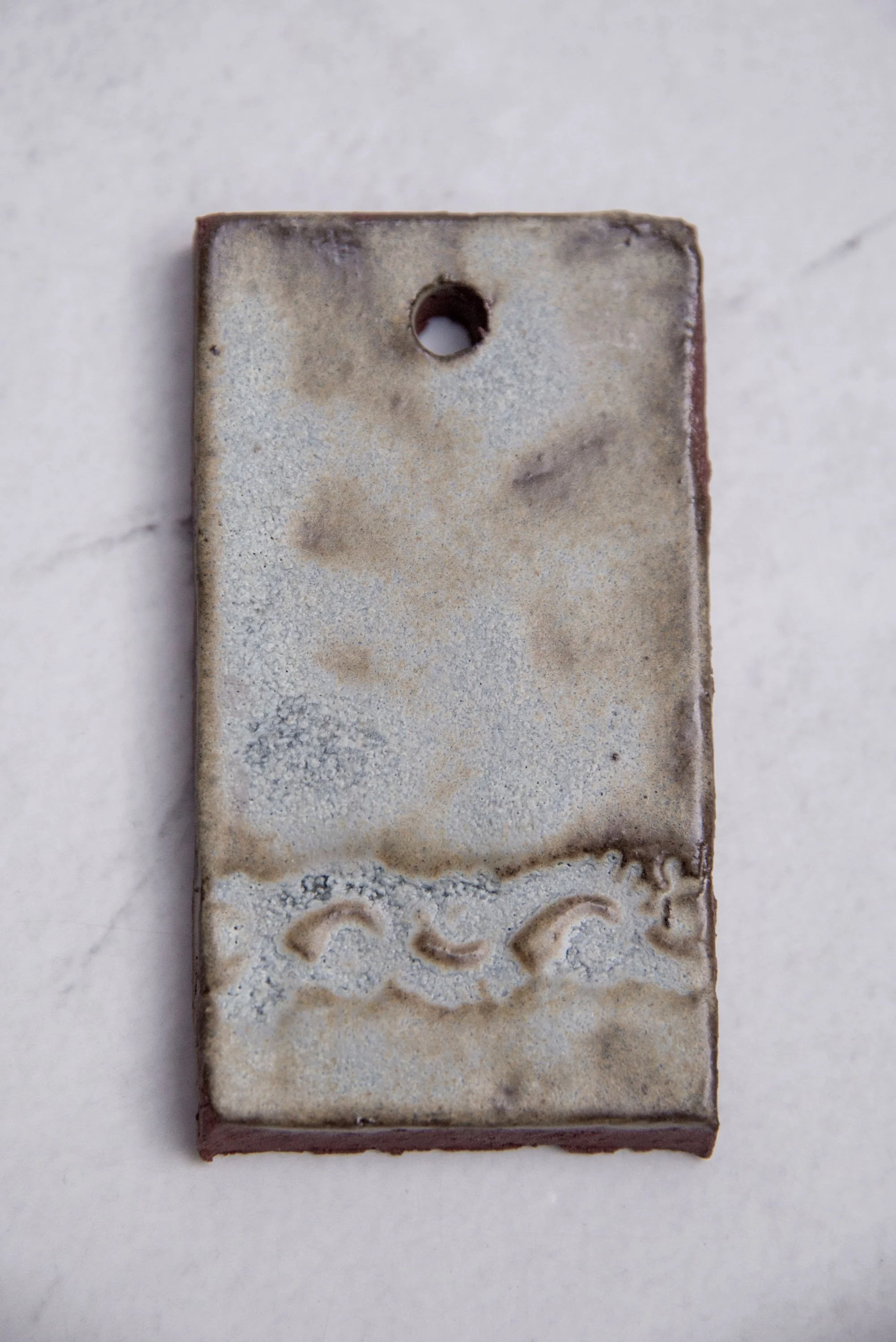
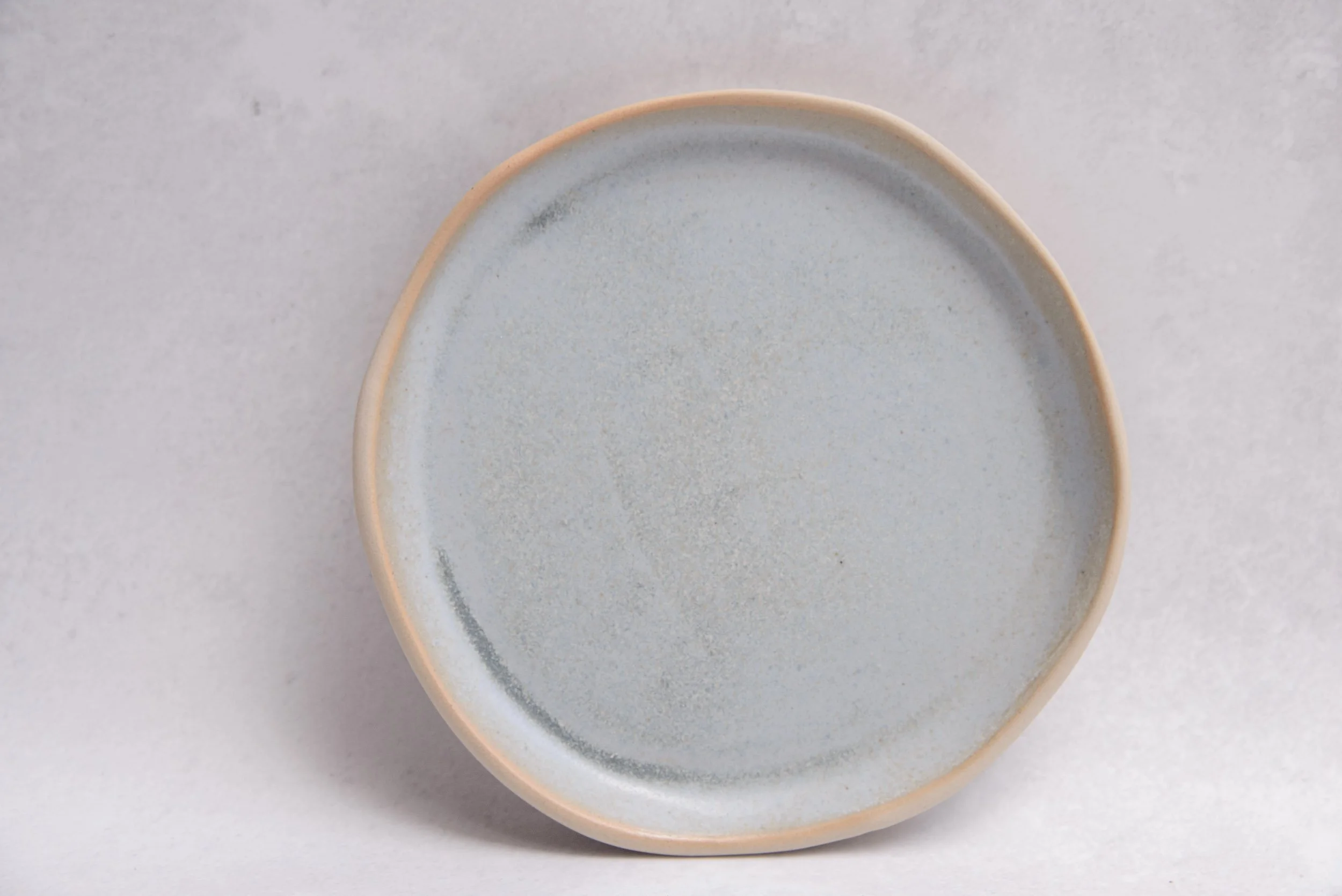
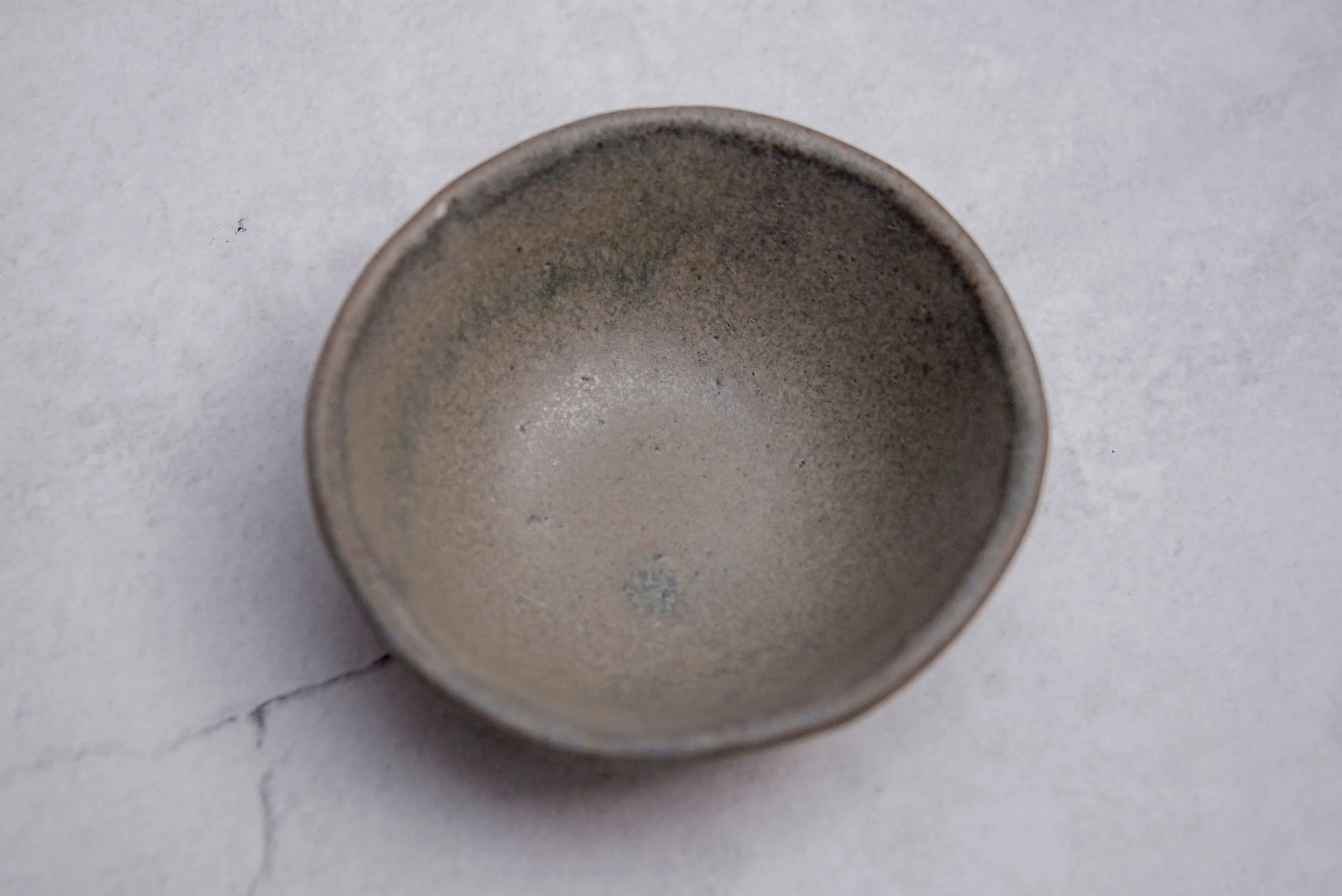
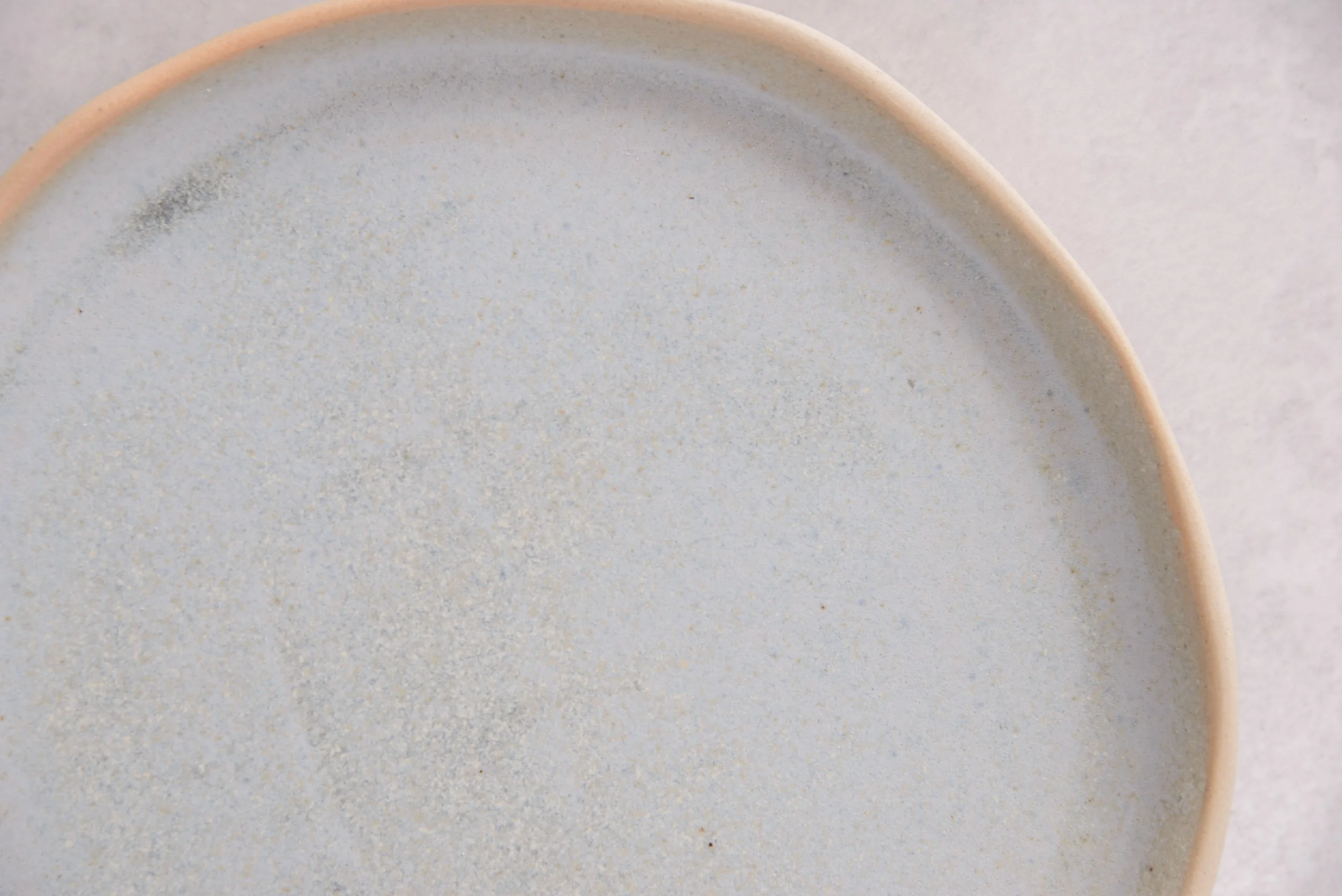
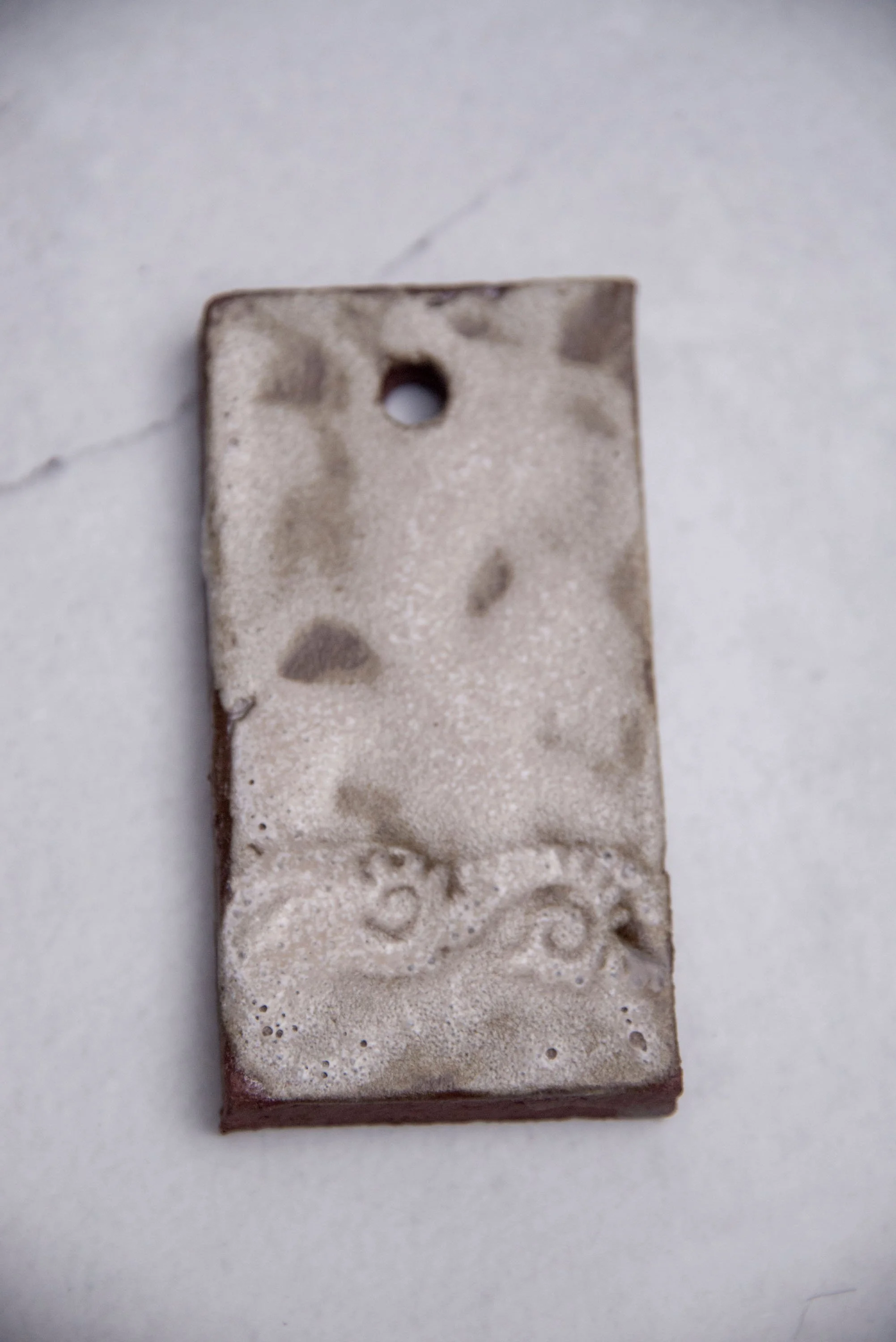
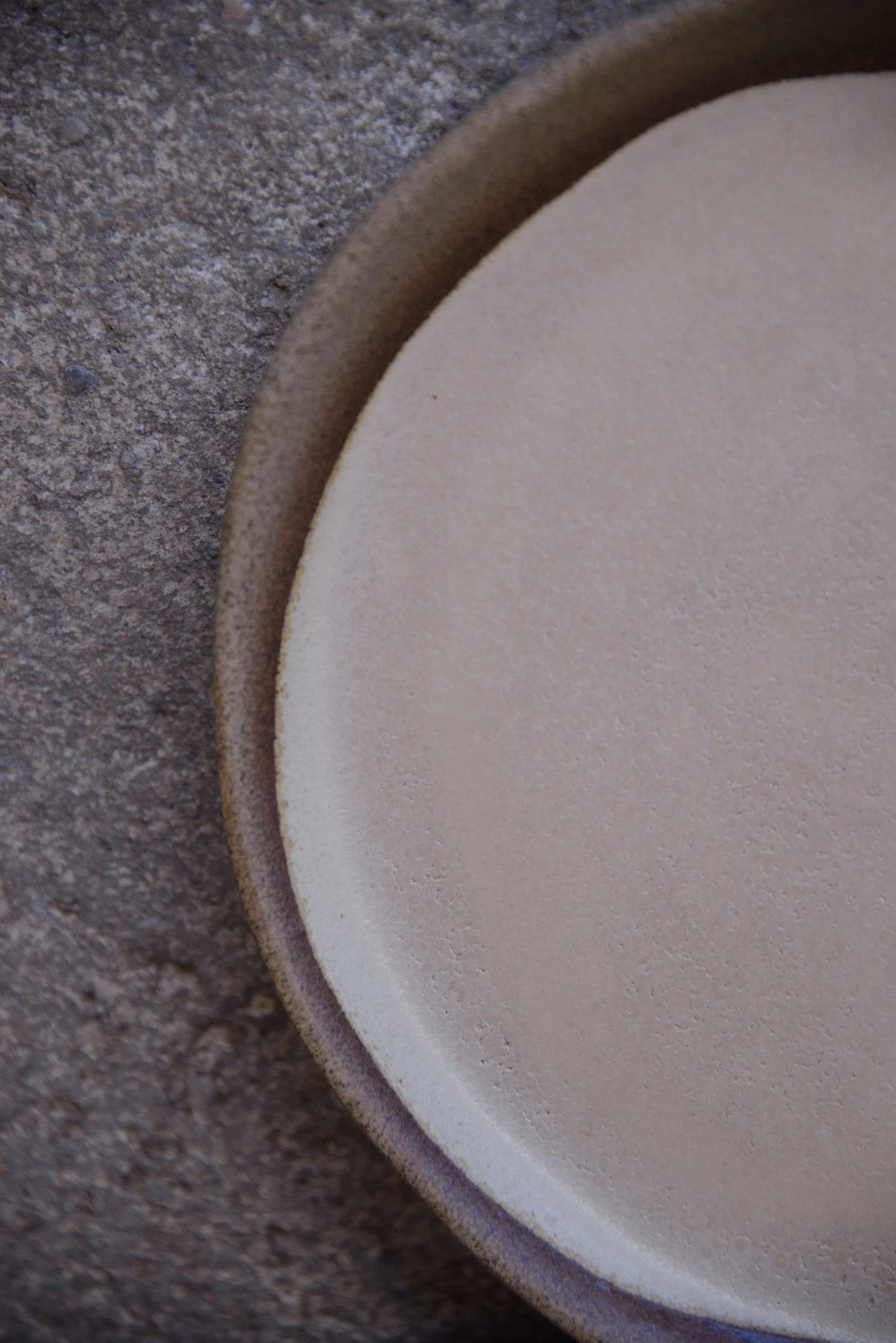
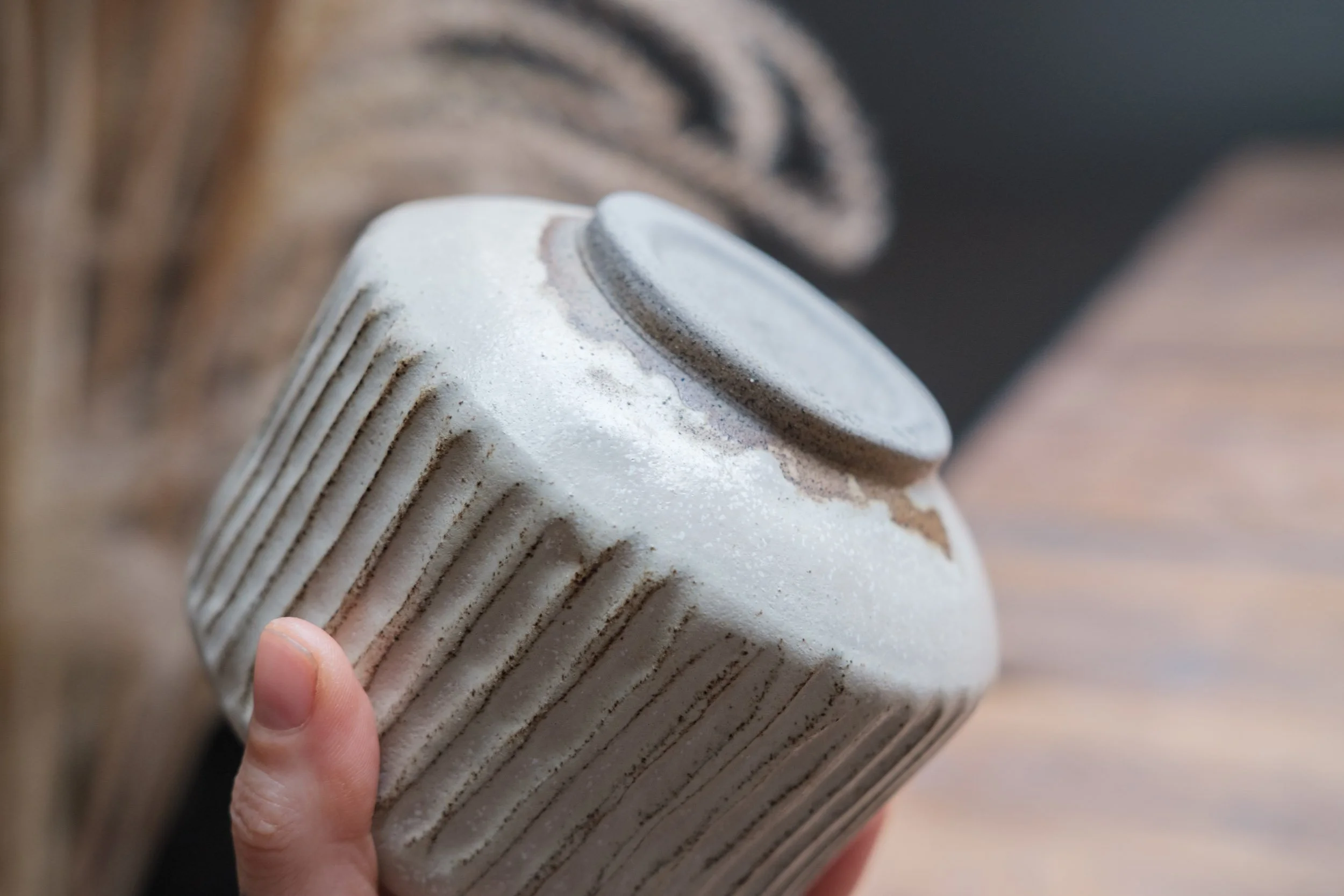
Pictured samples are fired to 1260°C (Cone 8, ≈ 2300°F).
Suitable for high-fired stoneware and porcelain.
Lead-free • Cadmium-free
SAMPLE glaze package — 100 g (≈ 3.5 oz / 0.22 lb)
To prepare, add water at approximately a 1:1 ratio.
This sample size is enough for testing on one test tile and a few small pieces.
Start with 1:1 water-to-powder ratio.
Sieve thoroughly.
Add small amounts of water to refine thickness as needed.
Important:
Mix the entire dry bag at once — because the glaze is blended by hand, ingredients are not fully uniform until the full mix is slurried.
Yield example:
500 g (≈ 1.1 lb) of dry glaze = approx. 800 ml (≈ 27 fl oz) liquid glaze.
It offers a pleasant functional finish — not too dry — and shows excellent stability, making it a reliable choice for functional ware and repeatable production firings.
A dependable surface you can return to again and again as your work evolves.
1200–1280°C (Cone 6–9)
Pictured samples are fired to 1260°C (Cone 8, ≈ 2300°F).
Suitable for high-fired stoneware and porcelain.
Lead-free • Cadmium-free
SAMPLE glaze package — 100 g (≈ 3.5 oz / 0.22 lb)
To prepare, add water at approximately a 1:1 ratio.
This sample size is enough for testing on one test tile and a few small pieces.
Start with 1:1 water-to-powder ratio.
Sieve thoroughly.
Add small amounts of water to refine thickness as needed.
Important:
Mix the entire dry bag at once — because the glaze is blended by hand, ingredients are not fully uniform until the full mix is slurried.
Yield example:
500 g (≈ 1.1 lb) of dry glaze = approx. 800 ml (≈ 27 fl oz) liquid glaze.