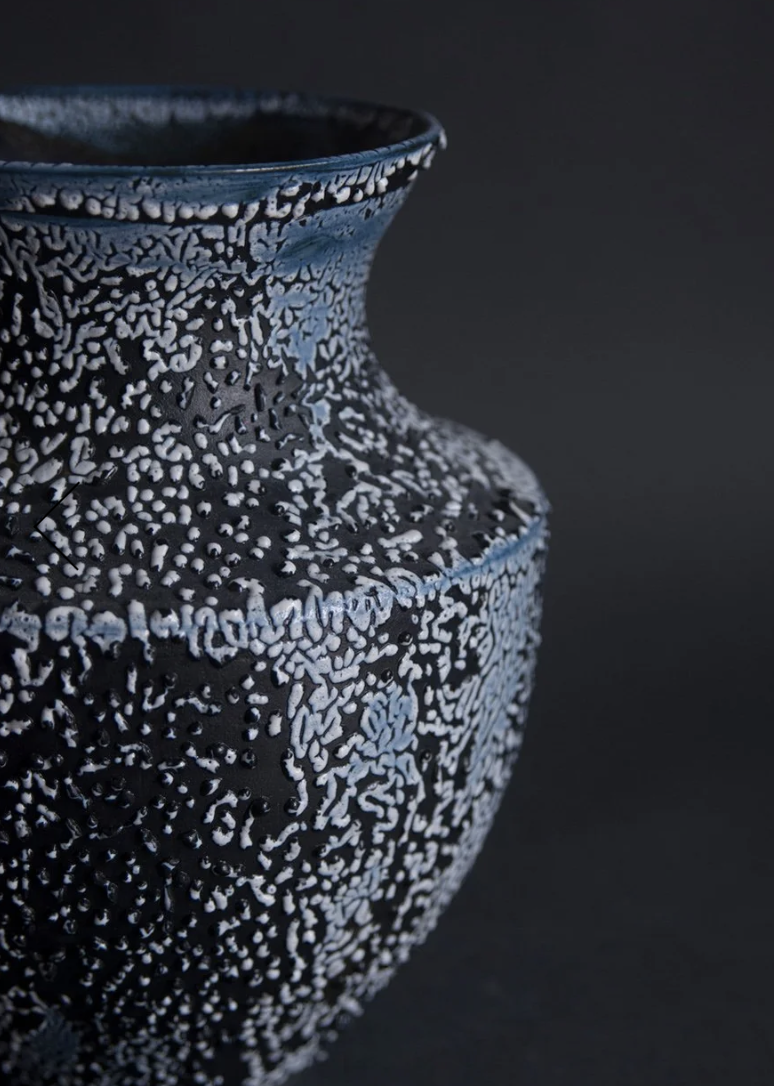
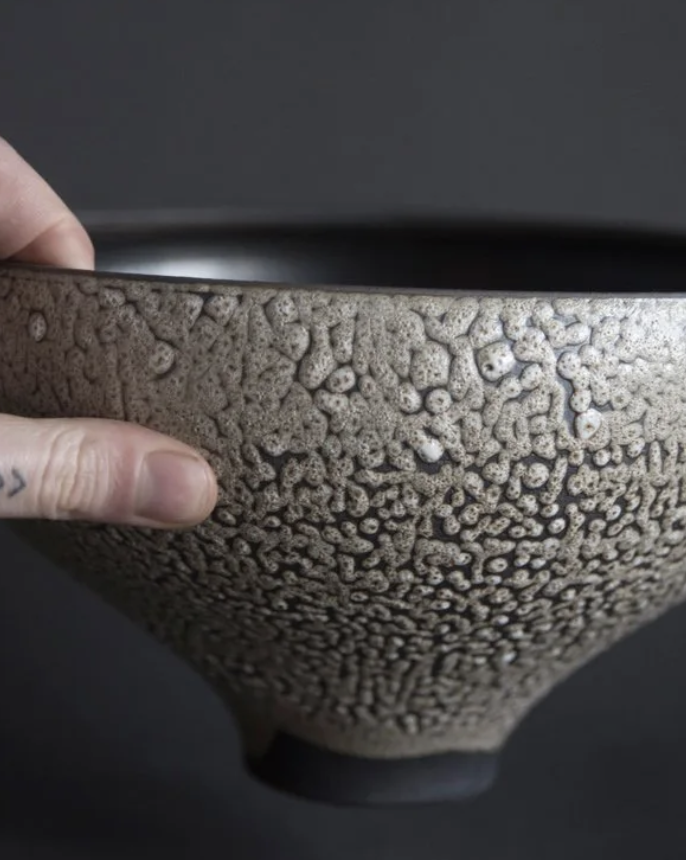
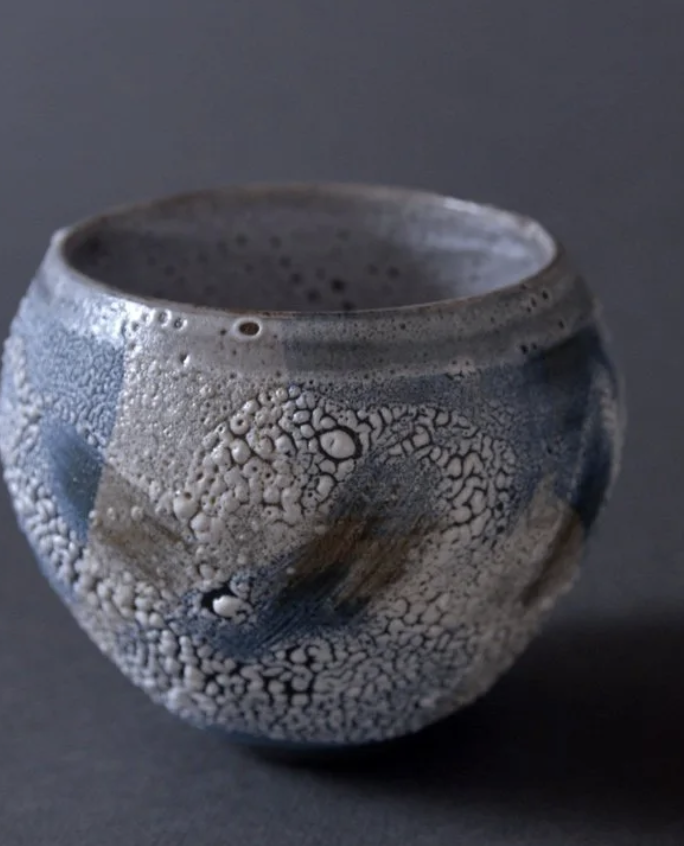
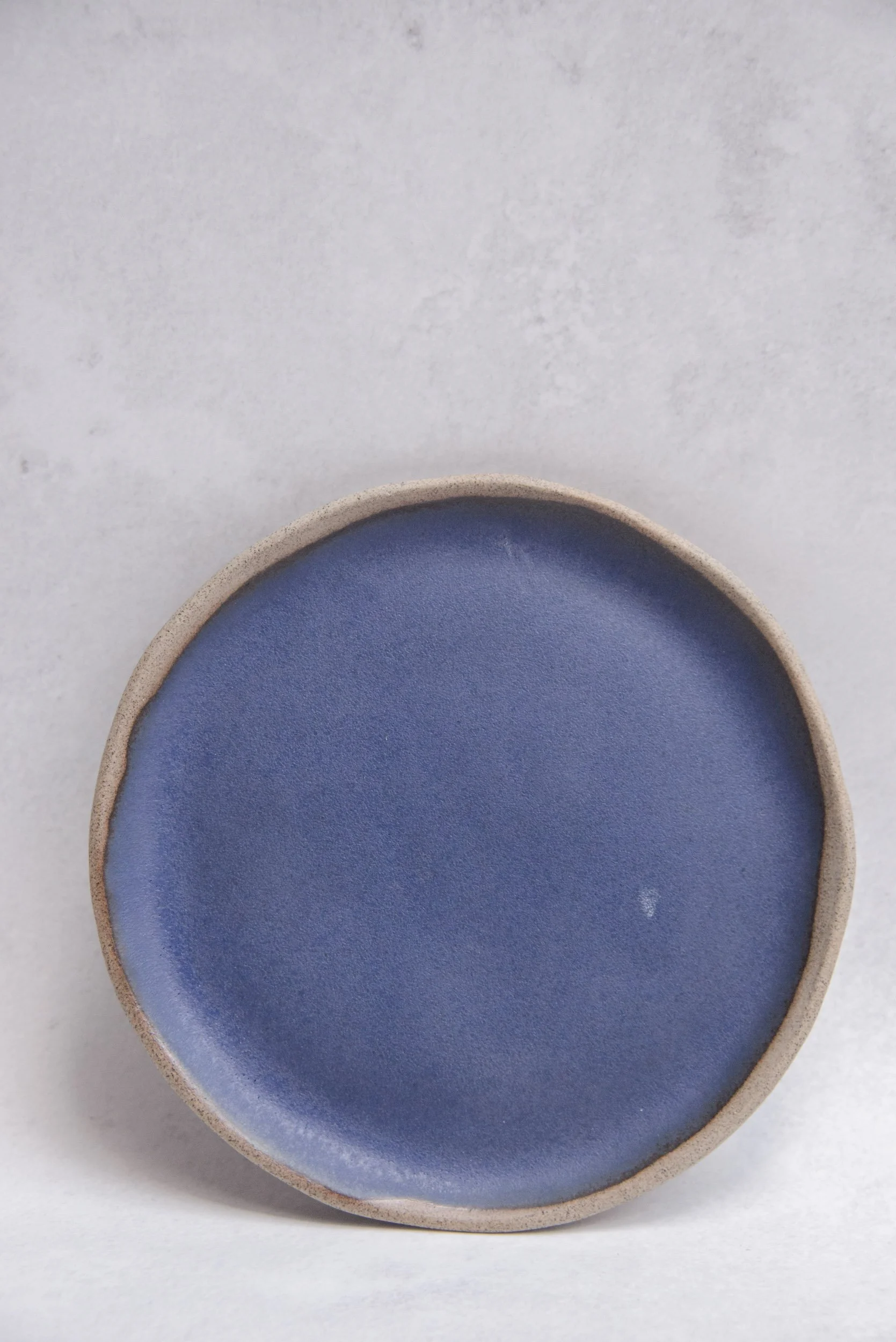
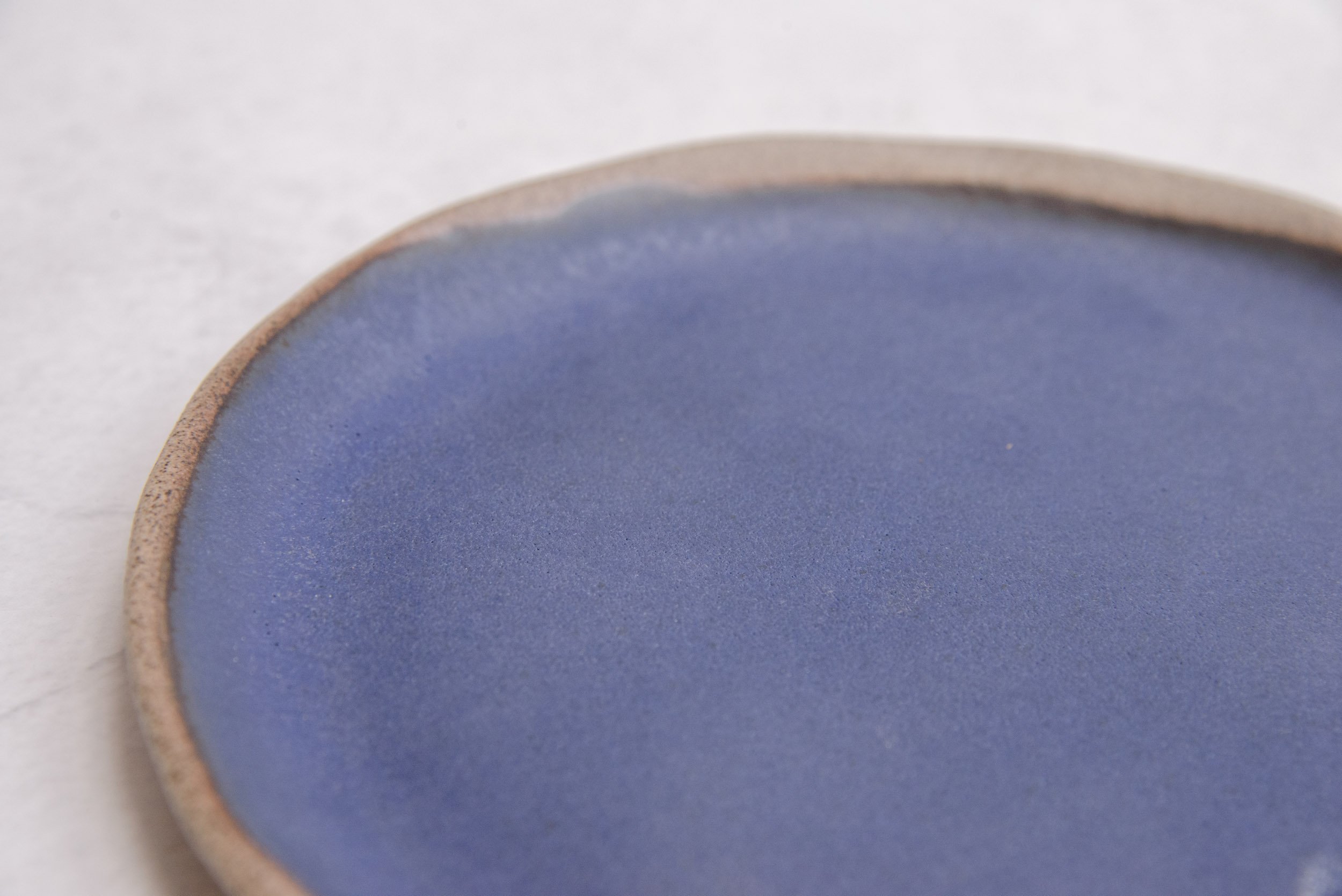
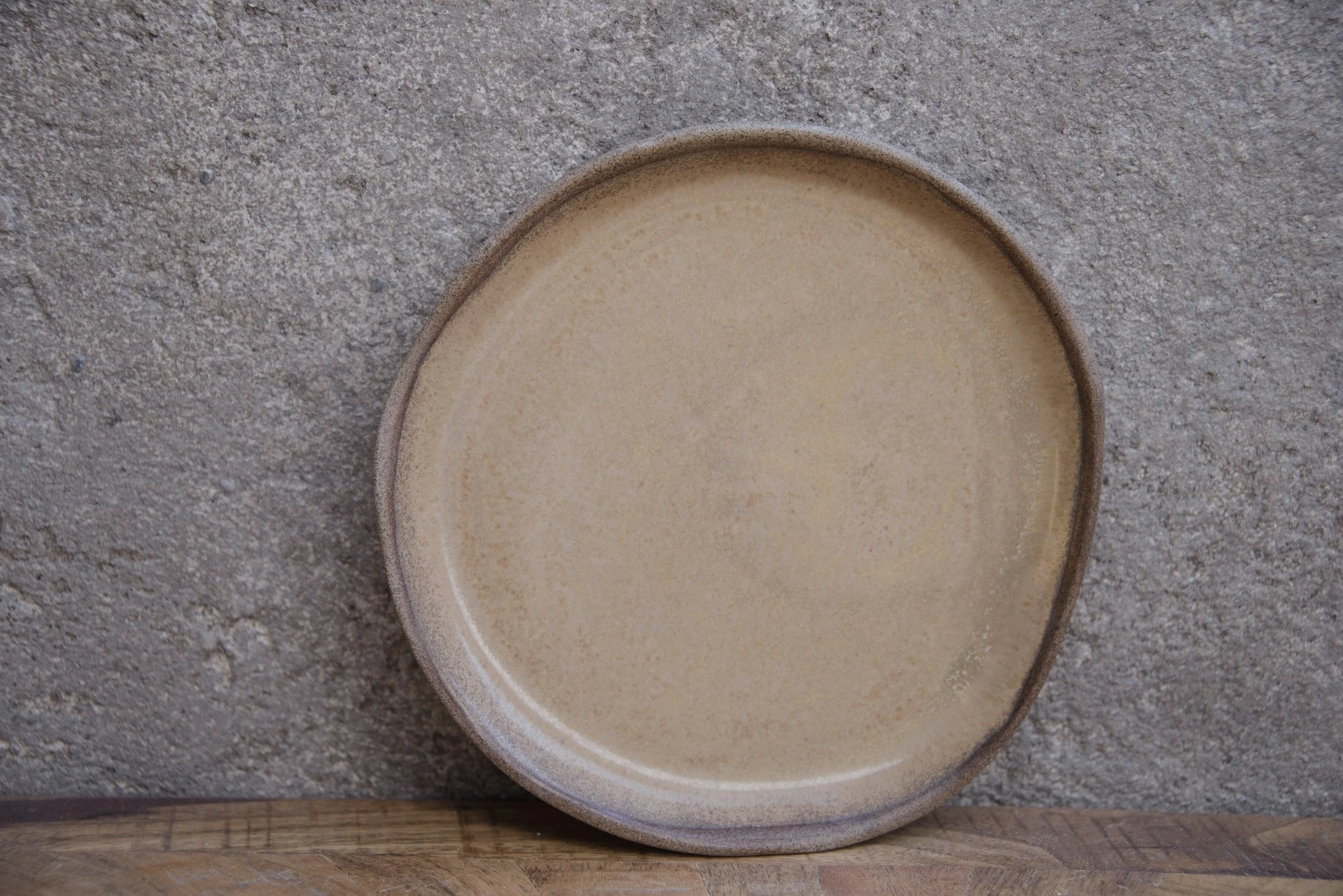
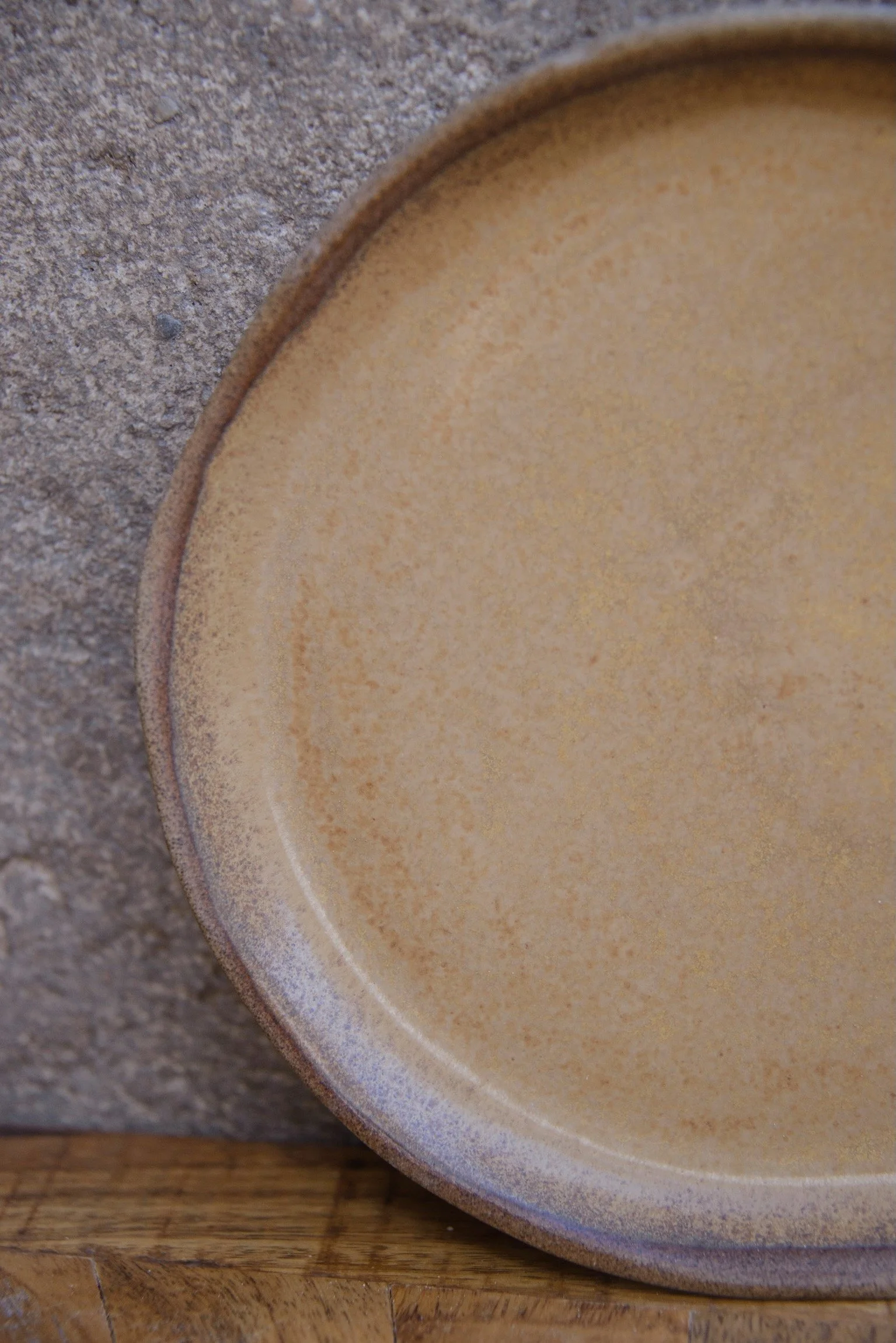
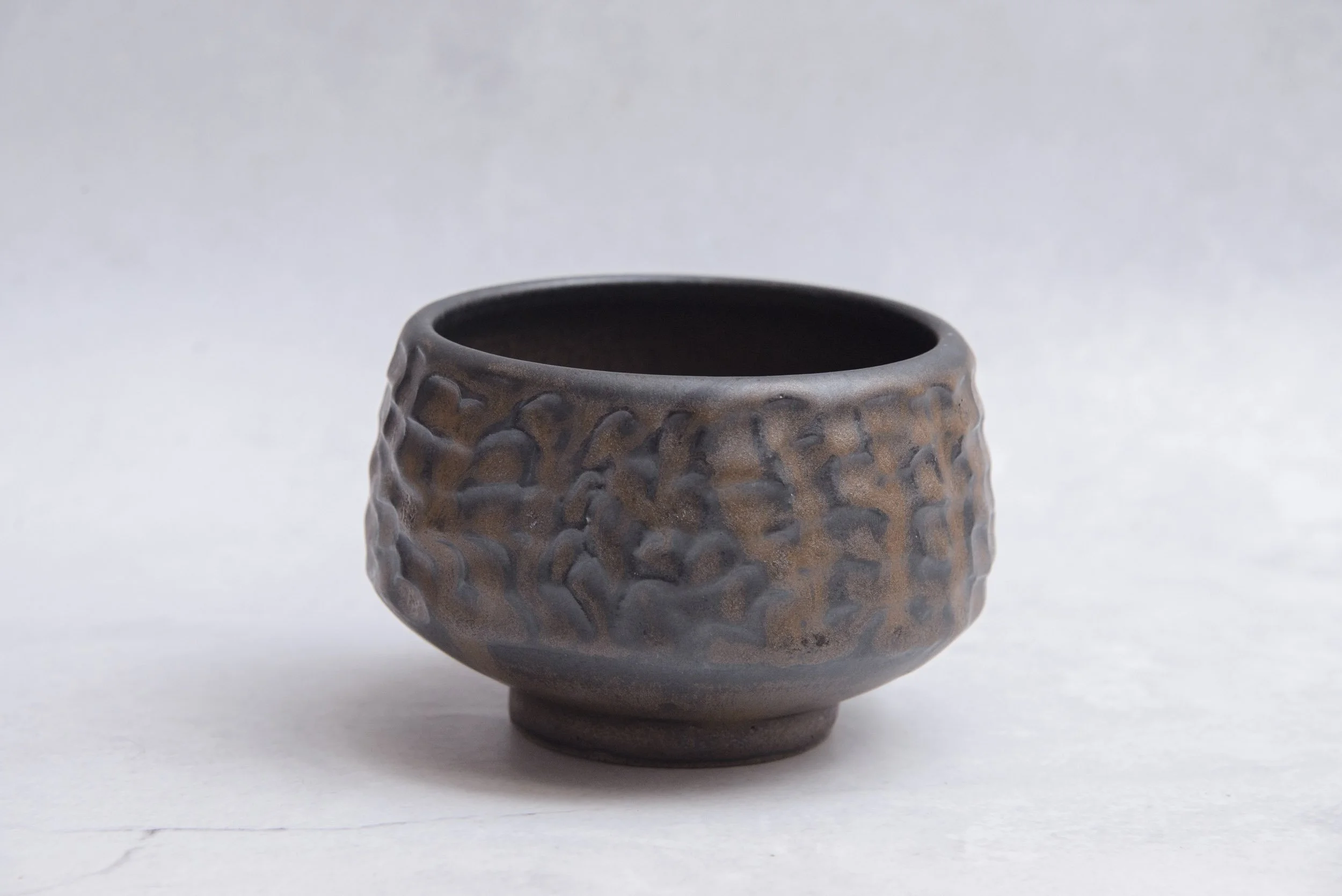
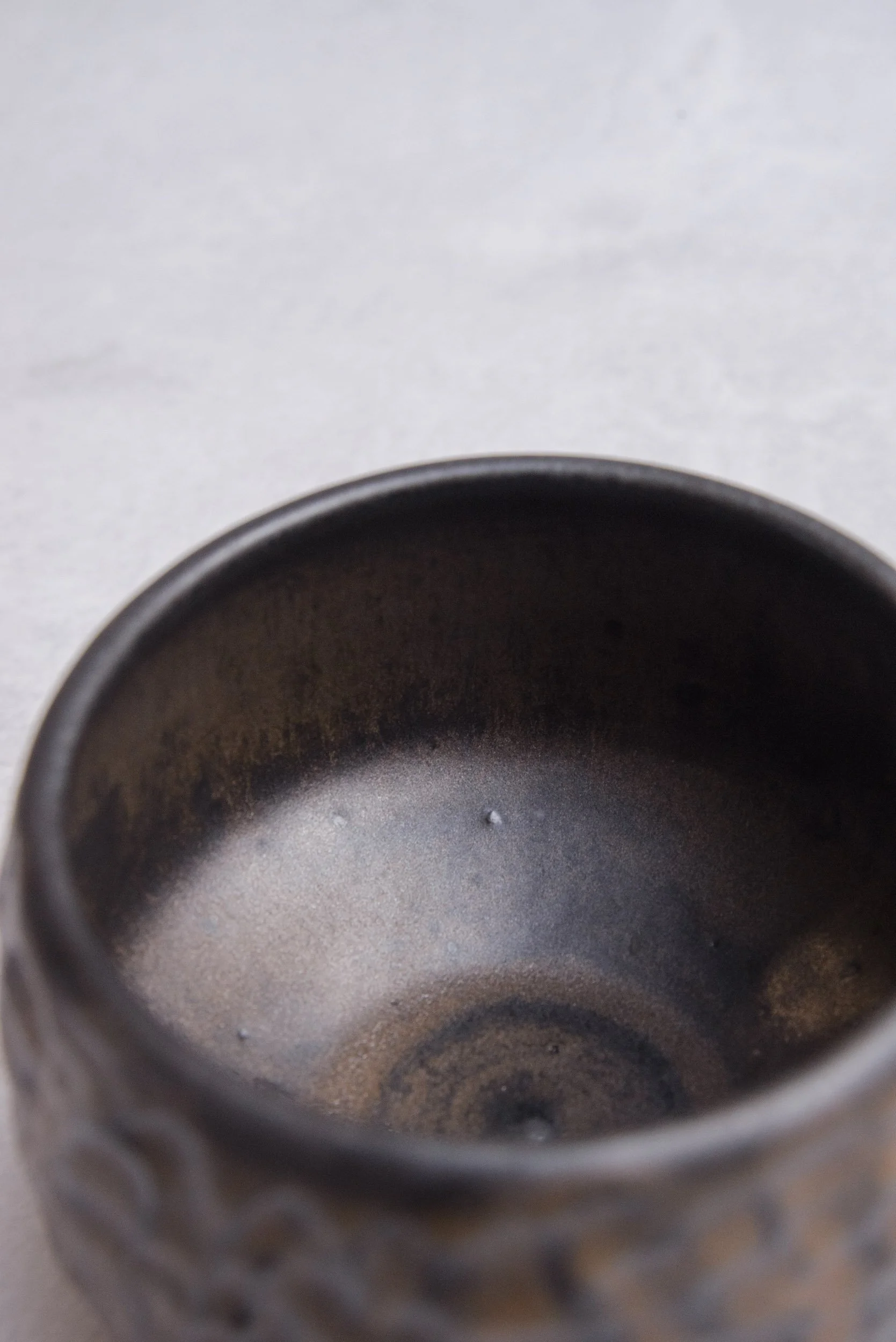
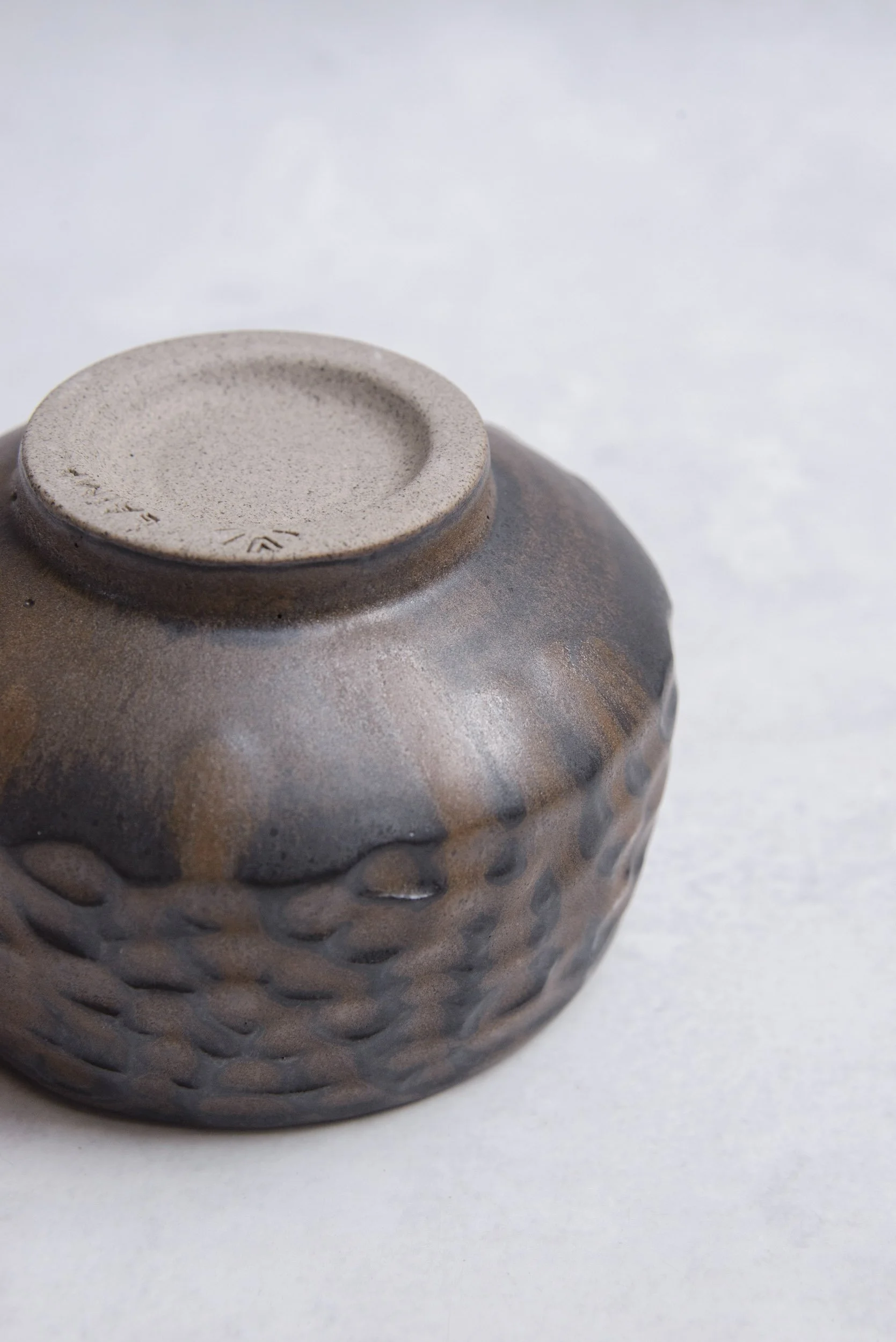
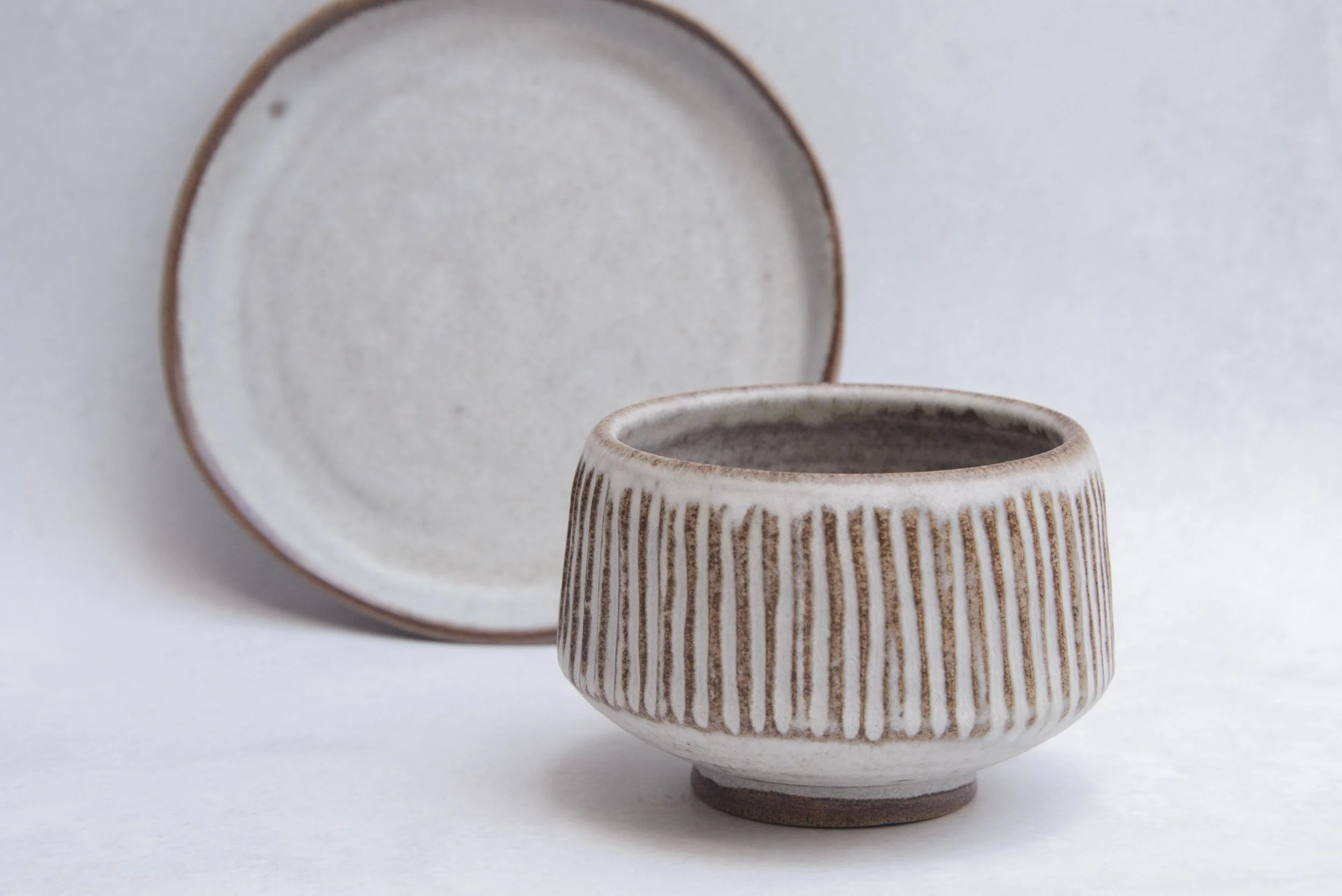
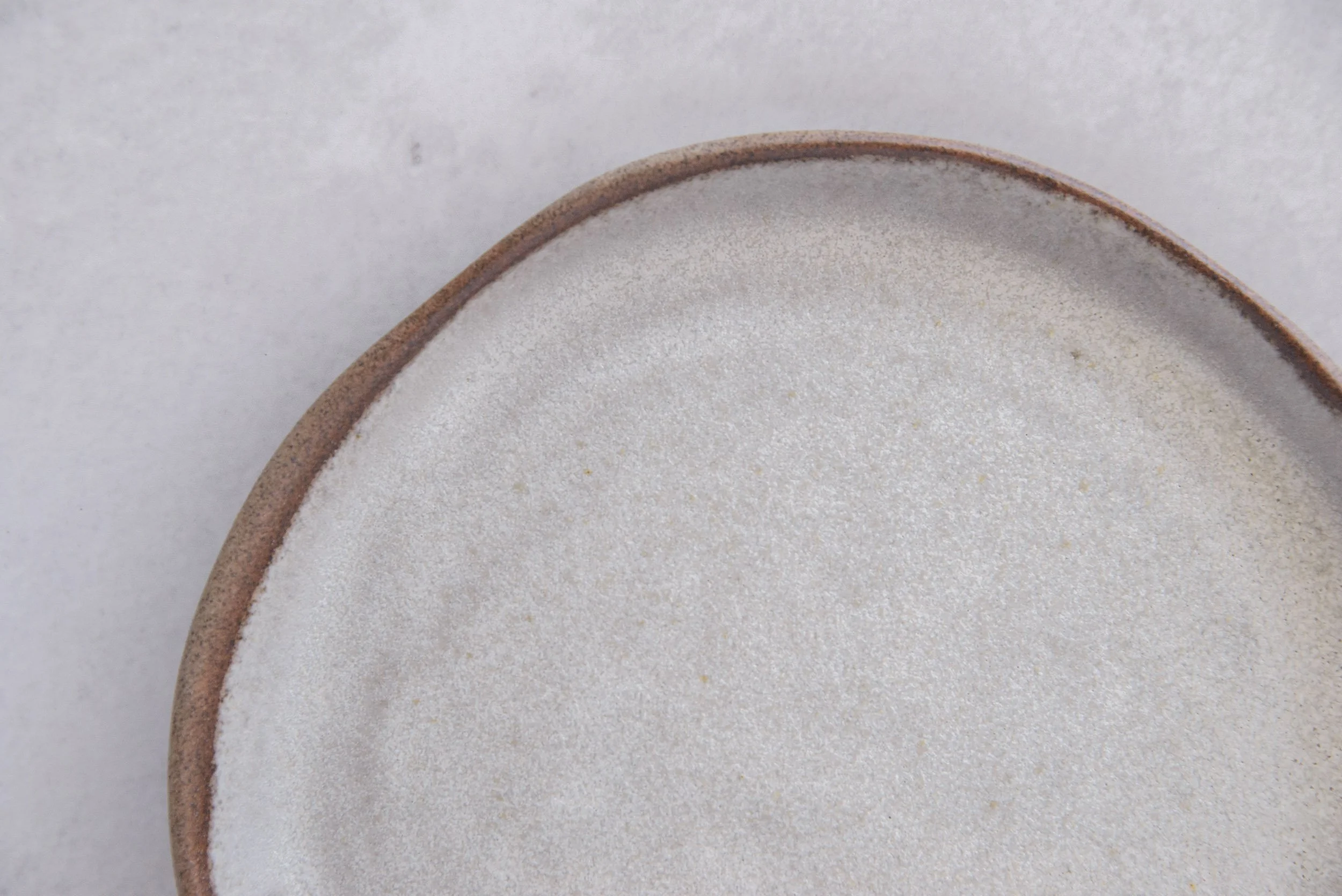
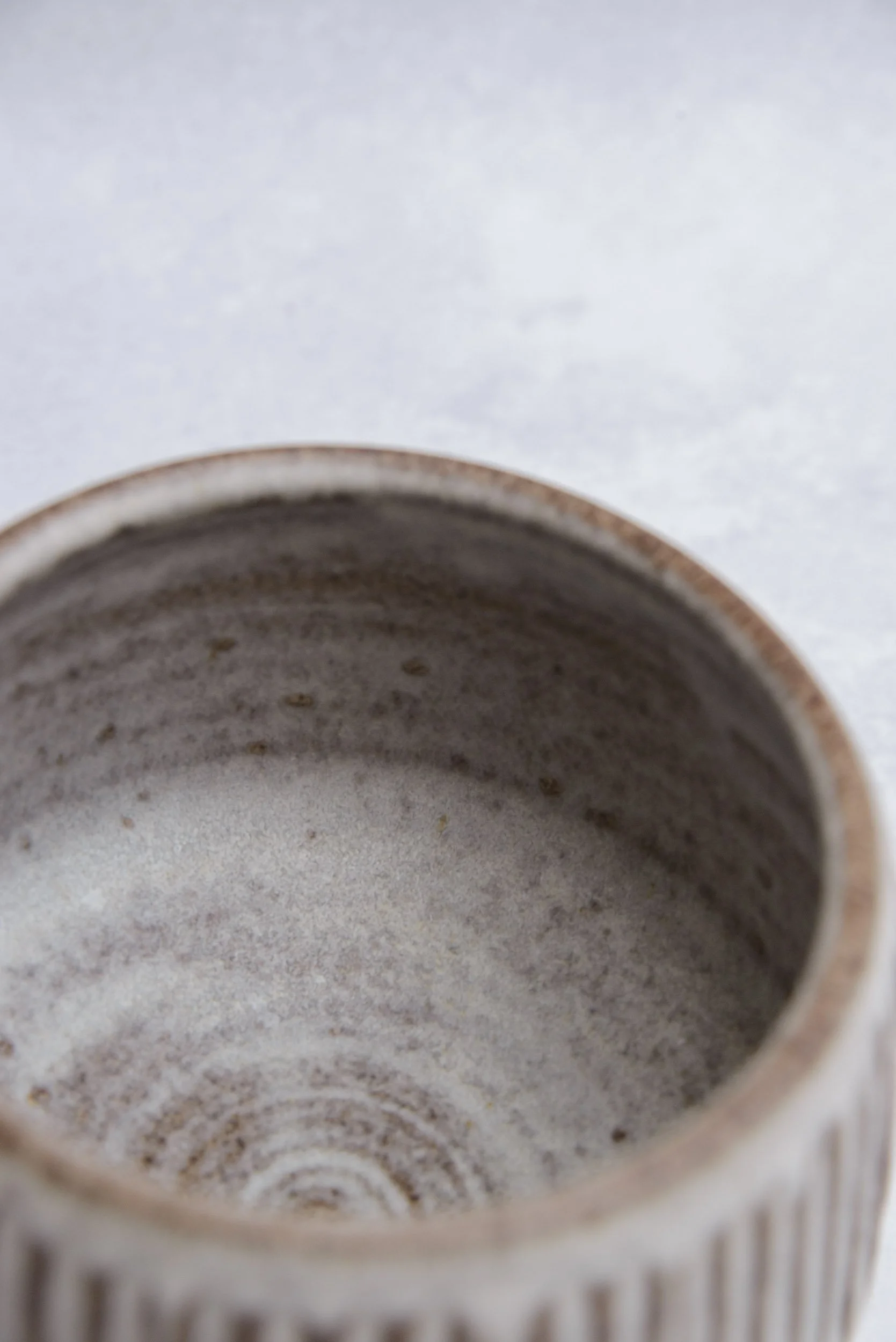
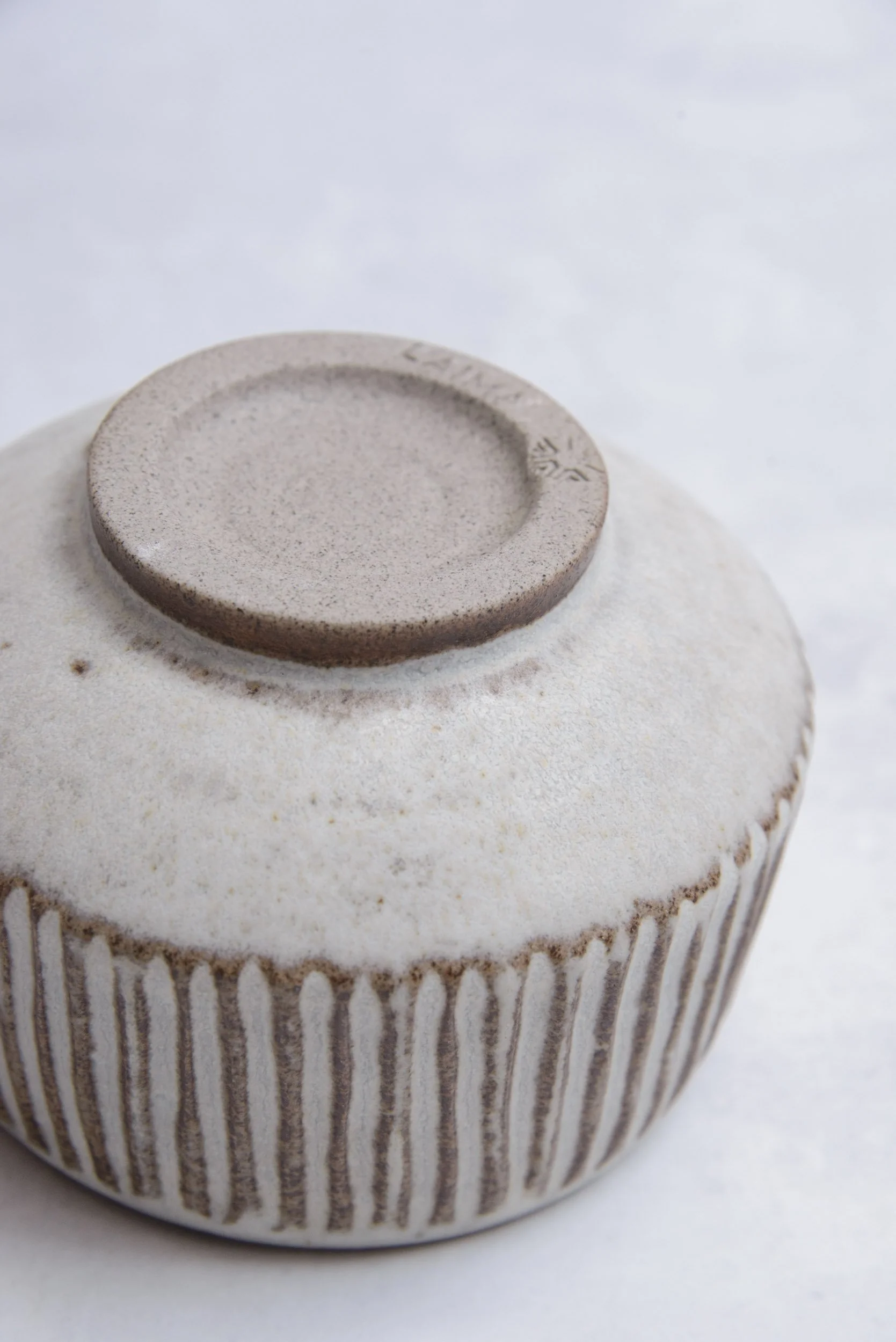
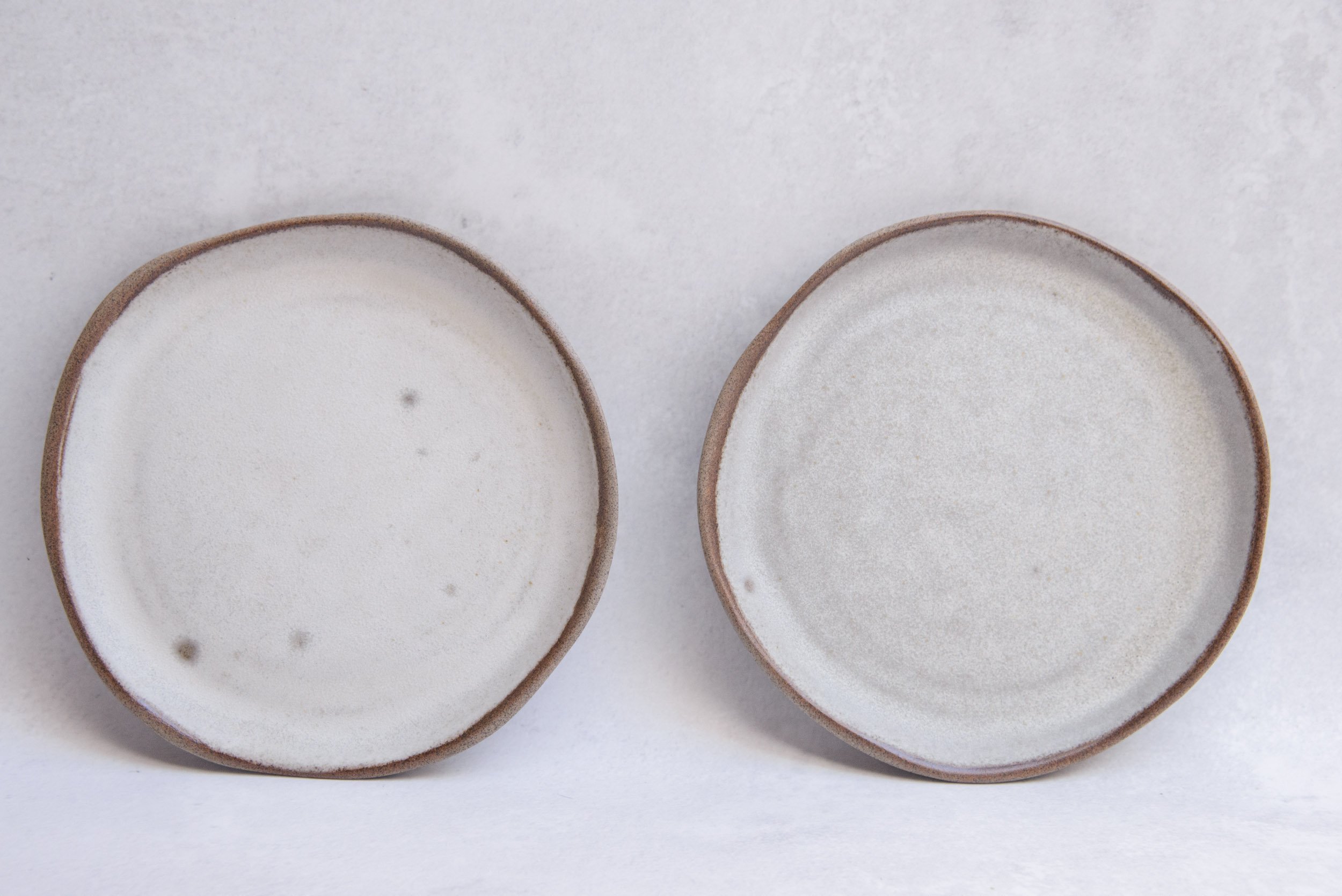
A richly textured, decorative glaze designed for high-fired stoneware and porcelain. This glaze develops unique surface movement in the kiln, creating layered, organic patterns that respond beautifully to varying thickness and firing cycles.
Recommended Firing Range
1220–1260°C (≈ 2228–2300°F)
Cone 6–8 equivalent
Suitable for high-fired stoneware and porcelain.
SAMPLE glaze package — 100 g (≈ 3.5 oz / 0.22 lb)
To prepare, add water at approximately a 1:1 ratio.
This sample size is enough for testing on one test tile and a few small pieces.
How to Mix
Just add water, sieve well, and the glaze is ready to use.
Application Methods
All common methods work:
• dipping
• pouring
• spraying
• brushing
Apply an even coat.
This glaze tends to be slightly runny, so take care on vertical or heavily curved surfaces.
Tips for Best Results
This glaze rewards experimentation.
• Protect kiln shelves carefully — this glaze may move at higher thicknesses.
• Expect natural variation depending on:
– thickness
– temperature
– firing schedule
Safety Information (Important!)
• Do not ingest.
• Wear gloves when mixing or applying.
• Avoid inhaling glaze dust; do not sweep dry material.
• Clean spills or dried residue with a wet cloth only.
• Keep away from eyes; if contact occurs, rinse with plenty of water.
• Ensure good ventilation during firing.
H412: Harmful to aquatic life with long lasting effects.
P273: Avoid release to the environment.
P391: Collect spillage.
P501: Dispose of contents/container to a disposal facility in accordance with local regulations.
Lead & Cadmium Release
This glaze is lead- and cadmium-free according to EU / FDA standards for ceramic ware.
Acid Resistance: Low–Medium
In normal everyday use, we have used this glaze for many years in our own home without noticeable discoloration or surface degradation. However, low acid resiatnce means that prolonged exposure to strong acids (such as lemon juice or vinegar left for 24+ hours) may gradually affect the surface over time. We therefore do not recommend long-term storage of highly acidic foods or liquids in this finish.
Dishwasher Resistance: Medium
Suitable for normal household dishwasher use. In our experience, the glaze performs well in everyday domestic conditions. However, as with many special-effect ceramic glazes, repeated exposure to aggressive commercial dishwashing cycles or harsh detergents may gradually alter the surface appearance over extended periods.
See info about acid resistance here.
A richly textured, decorative glaze designed for high-fired stoneware and porcelain. This glaze develops unique surface movement in the kiln, creating layered, organic patterns that respond beautifully to varying thickness and firing cycles.
Recommended Firing Range
1220–1260°C (≈ 2228–2300°F)
Cone 6–8 equivalent
Suitable for high-fired stoneware and porcelain.
SAMPLE glaze package — 100 g (≈ 3.5 oz / 0.22 lb)
To prepare, add water at approximately a 1:1 ratio.
This sample size is enough for testing on one test tile and a few small pieces.
How to Mix
Just add water, sieve well, and the glaze is ready to use.
Application Methods
All common methods work:
• dipping
• pouring
• spraying
• brushing
Apply an even coat.
This glaze tends to be slightly runny, so take care on vertical or heavily curved surfaces.
Tips for Best Results
This glaze rewards experimentation.
• Protect kiln shelves carefully — this glaze may move at higher thicknesses.
• Expect natural variation depending on:
– thickness
– temperature
– firing schedule
Safety Information (Important!)
• Do not ingest.
• Wear gloves when mixing or applying.
• Avoid inhaling glaze dust; do not sweep dry material.
• Clean spills or dried residue with a wet cloth only.
• Keep away from eyes; if contact occurs, rinse with plenty of water.
• Ensure good ventilation during firing.
H412: Harmful to aquatic life with long lasting effects.
P273: Avoid release to the environment.
P391: Collect spillage.
P501: Dispose of contents/container to a disposal facility in accordance with local regulations.
Lead & Cadmium Release
This glaze is lead- and cadmium-free according to EU / FDA standards for ceramic ware.
Acid Resistance: Low–Medium
In normal everyday use, we have used this glaze for many years in our own home without noticeable discoloration or surface degradation. However, low acid resiatnce means that prolonged exposure to strong acids (such as lemon juice or vinegar left for 24+ hours) may gradually affect the surface over time. We therefore do not recommend long-term storage of highly acidic foods or liquids in this finish.
Dishwasher Resistance: Medium
Suitable for normal household dishwasher use. In our experience, the glaze performs well in everyday domestic conditions. However, as with many special-effect ceramic glazes, repeated exposure to aggressive commercial dishwashing cycles or harsh detergents may gradually alter the surface appearance over extended periods.
See info about acid resistance here.

 Image 1 of 6
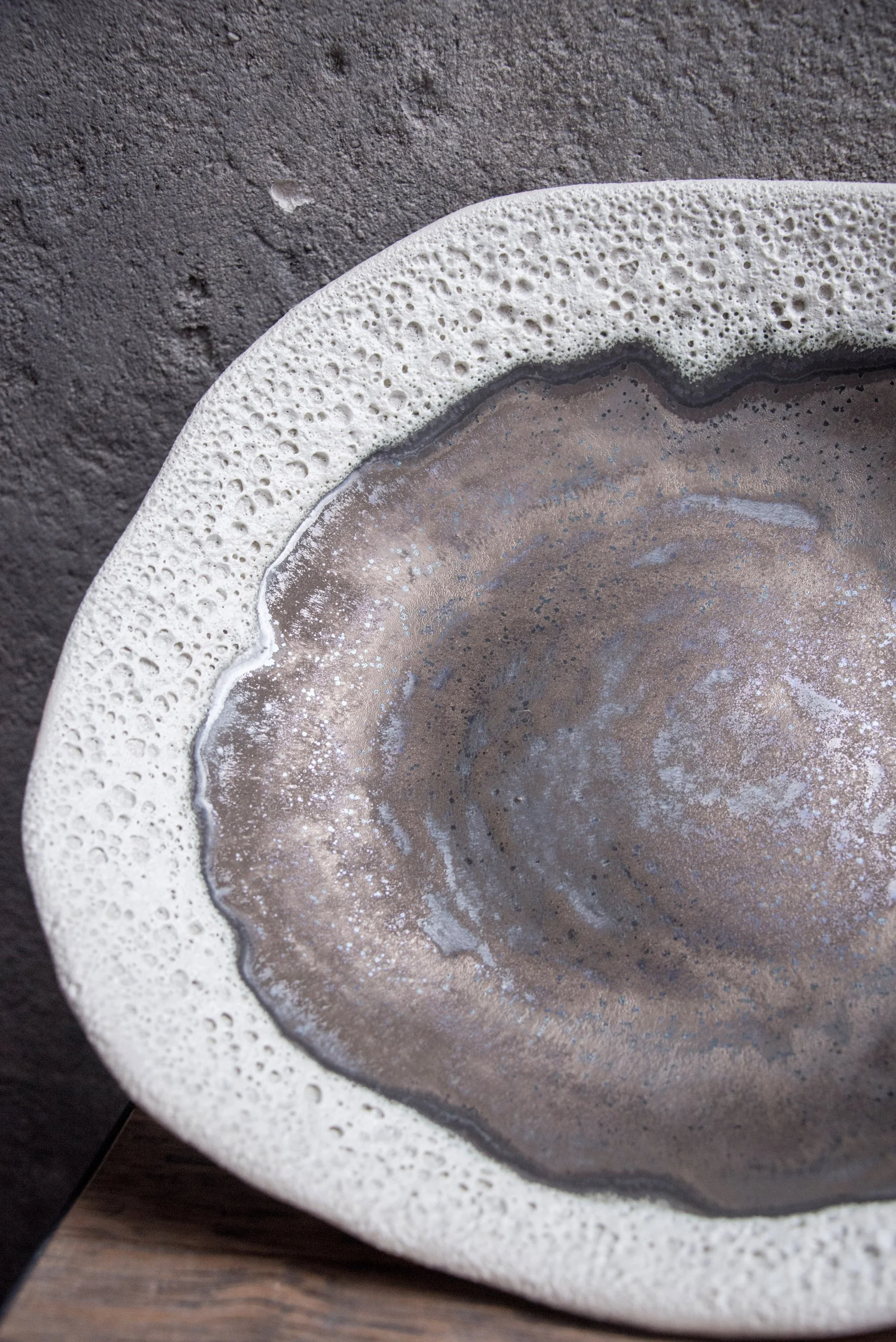 Image 2 of 6
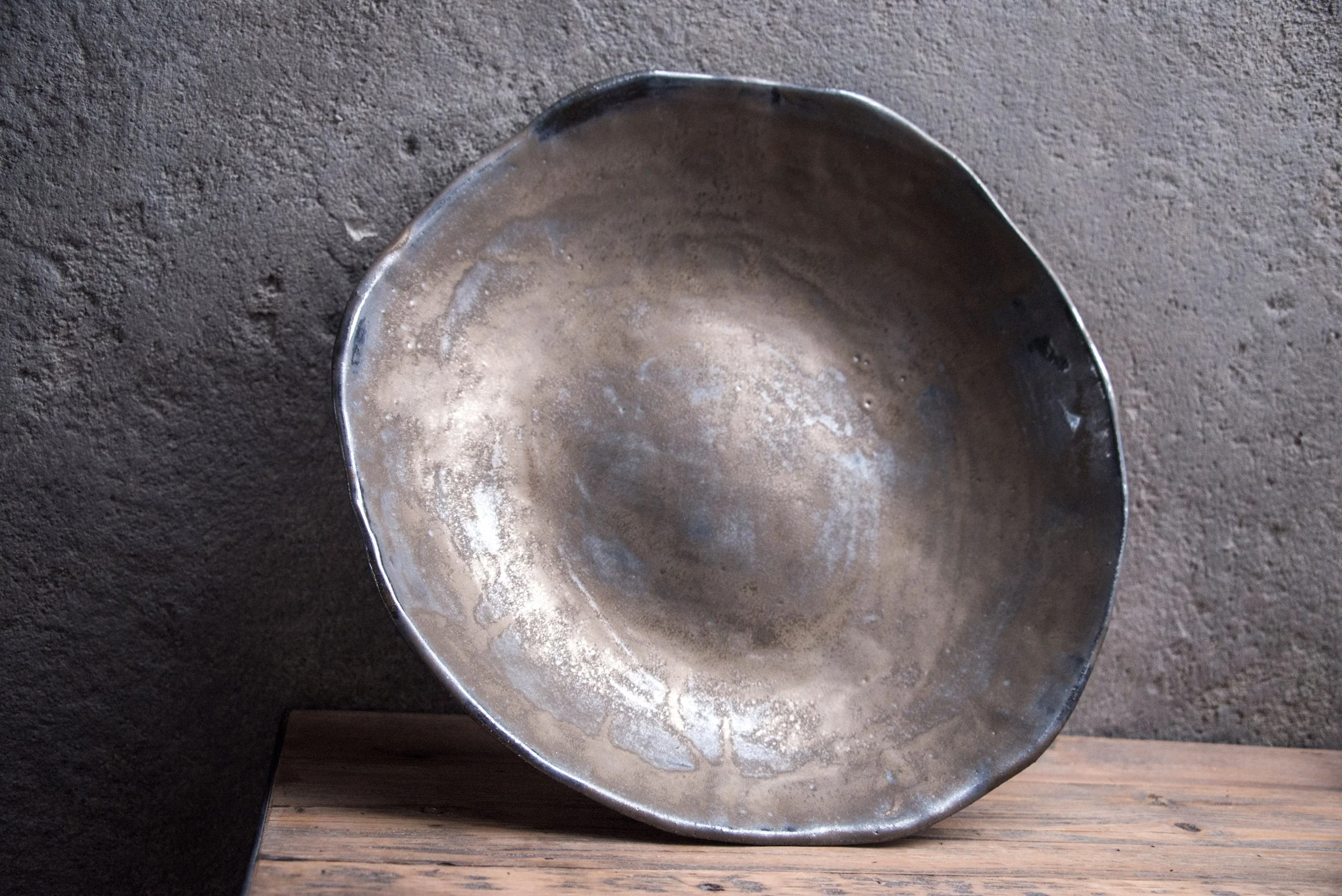 Image 3 of 6
 Image 4 of 6
 Image 5 of 6
 Image 6 of 6