Image 1 of 4
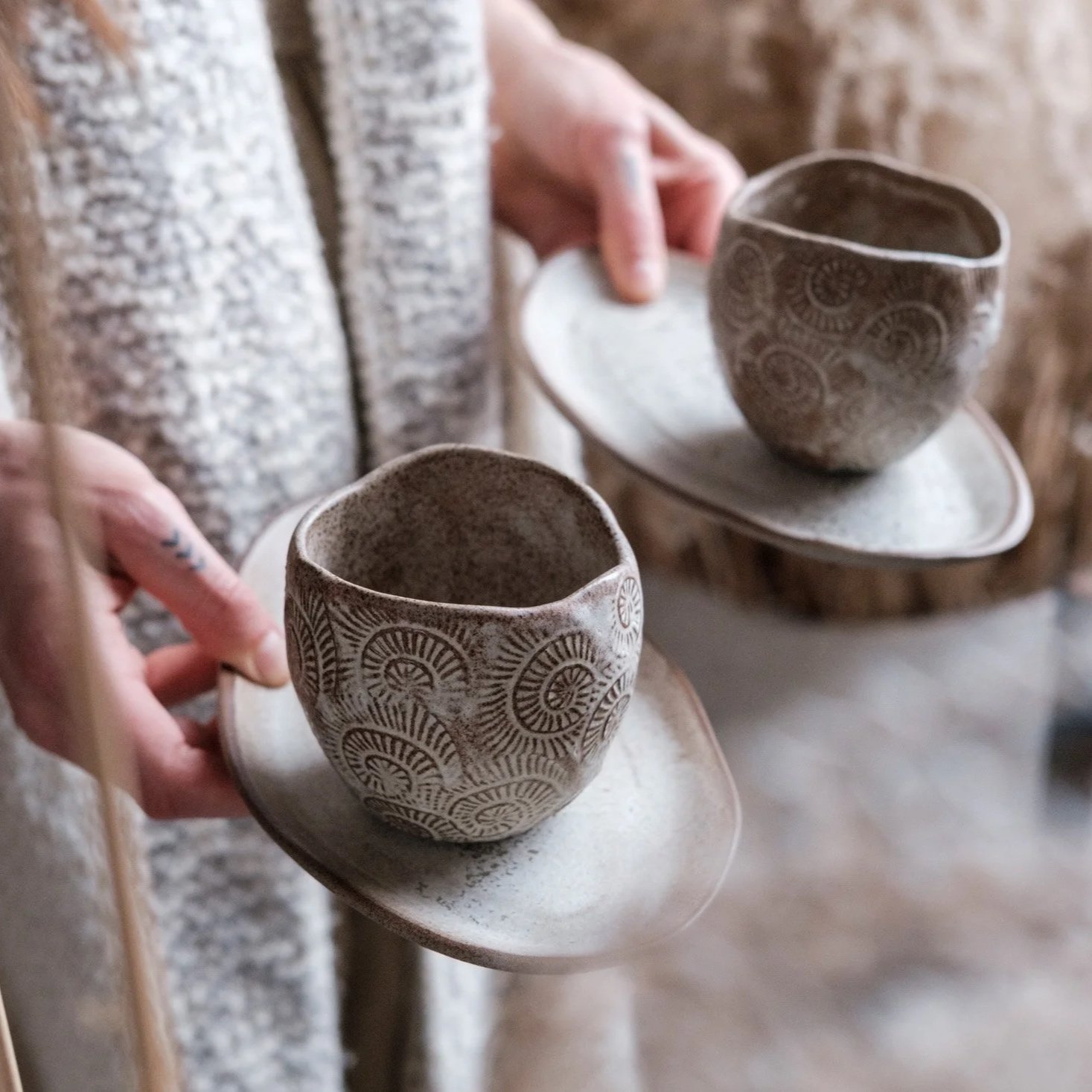 Image 2 of 4
 Image 3 of 4
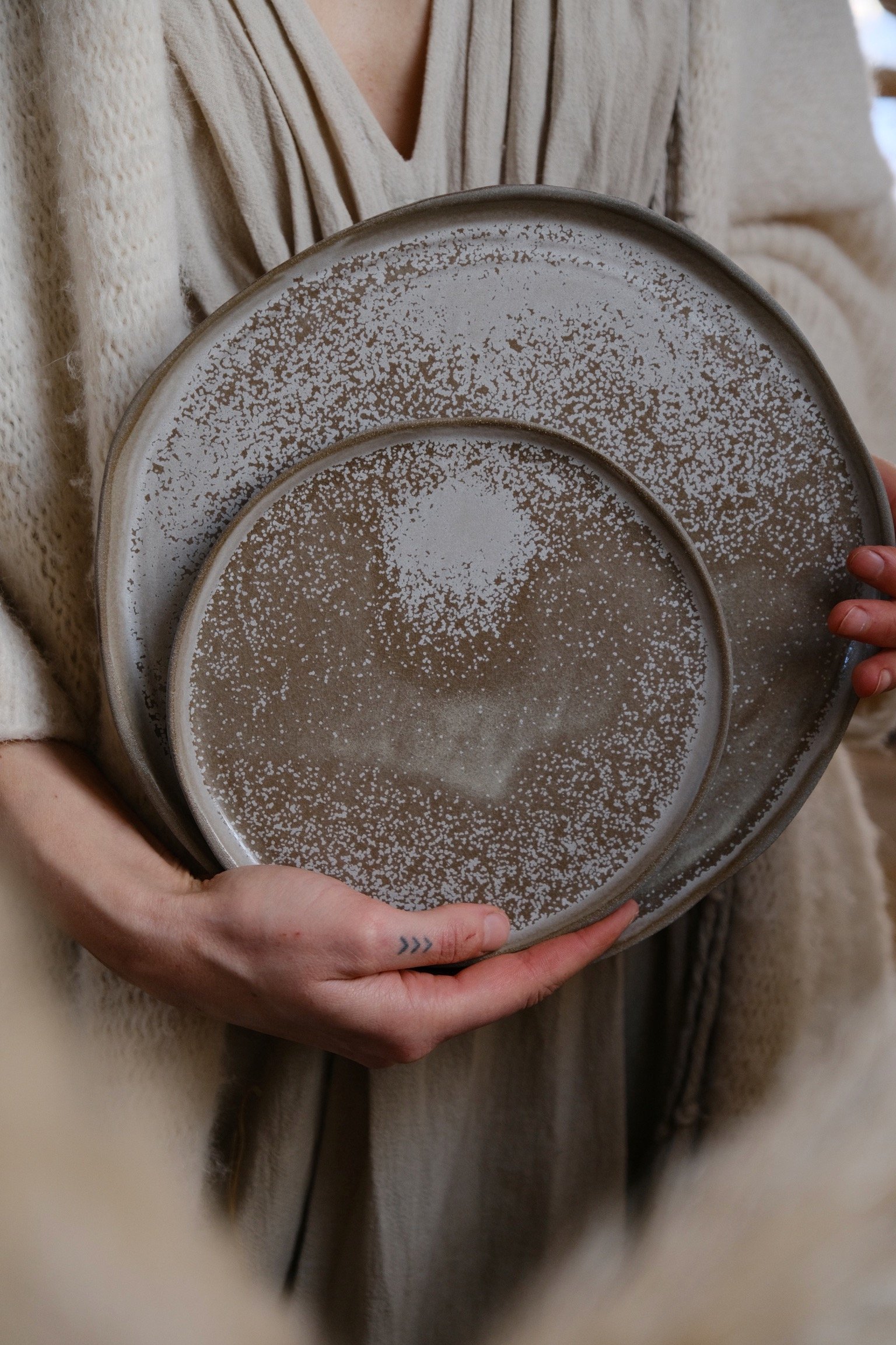 Image 4 of 4
A studio favorite with endlessly beautiful variations
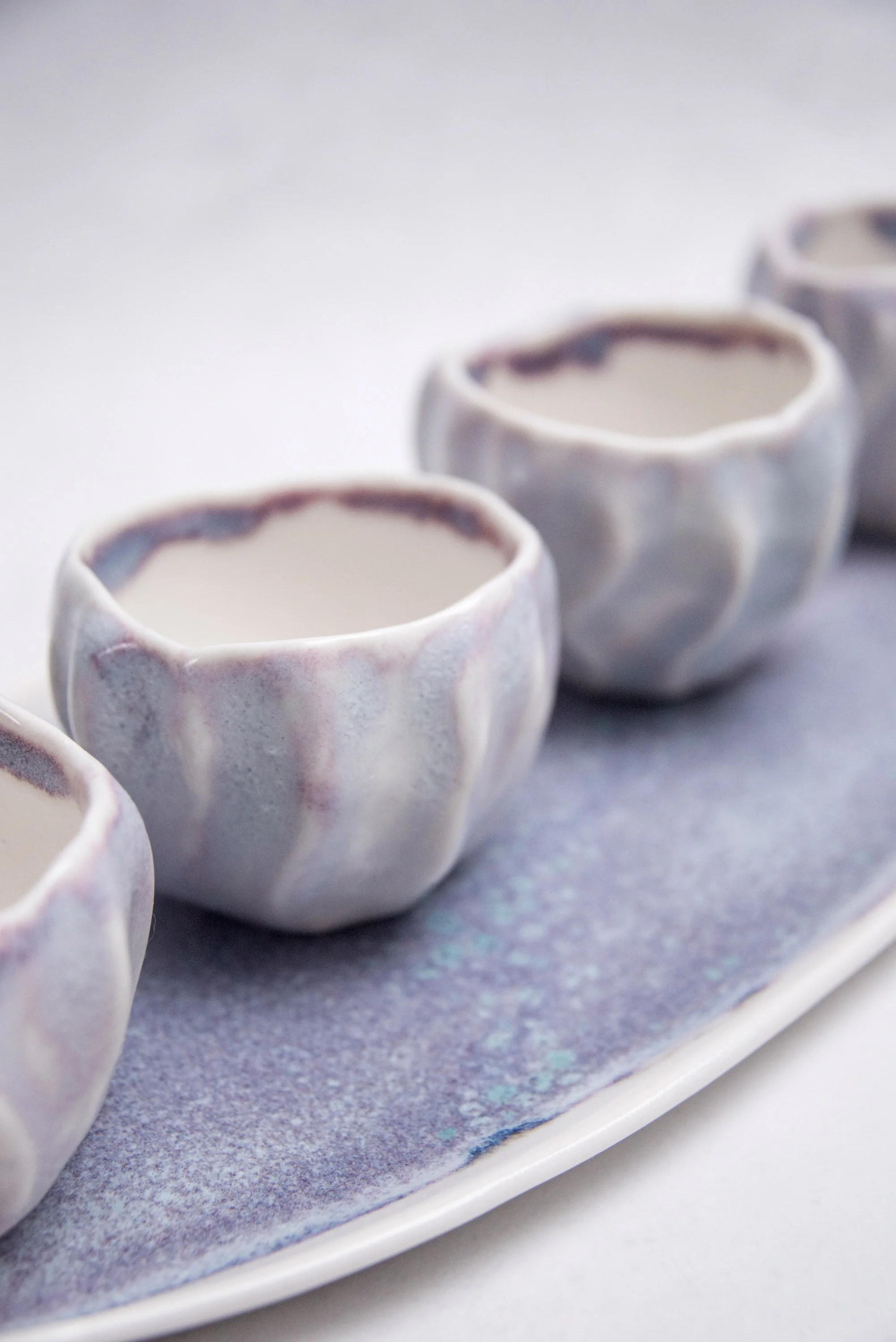
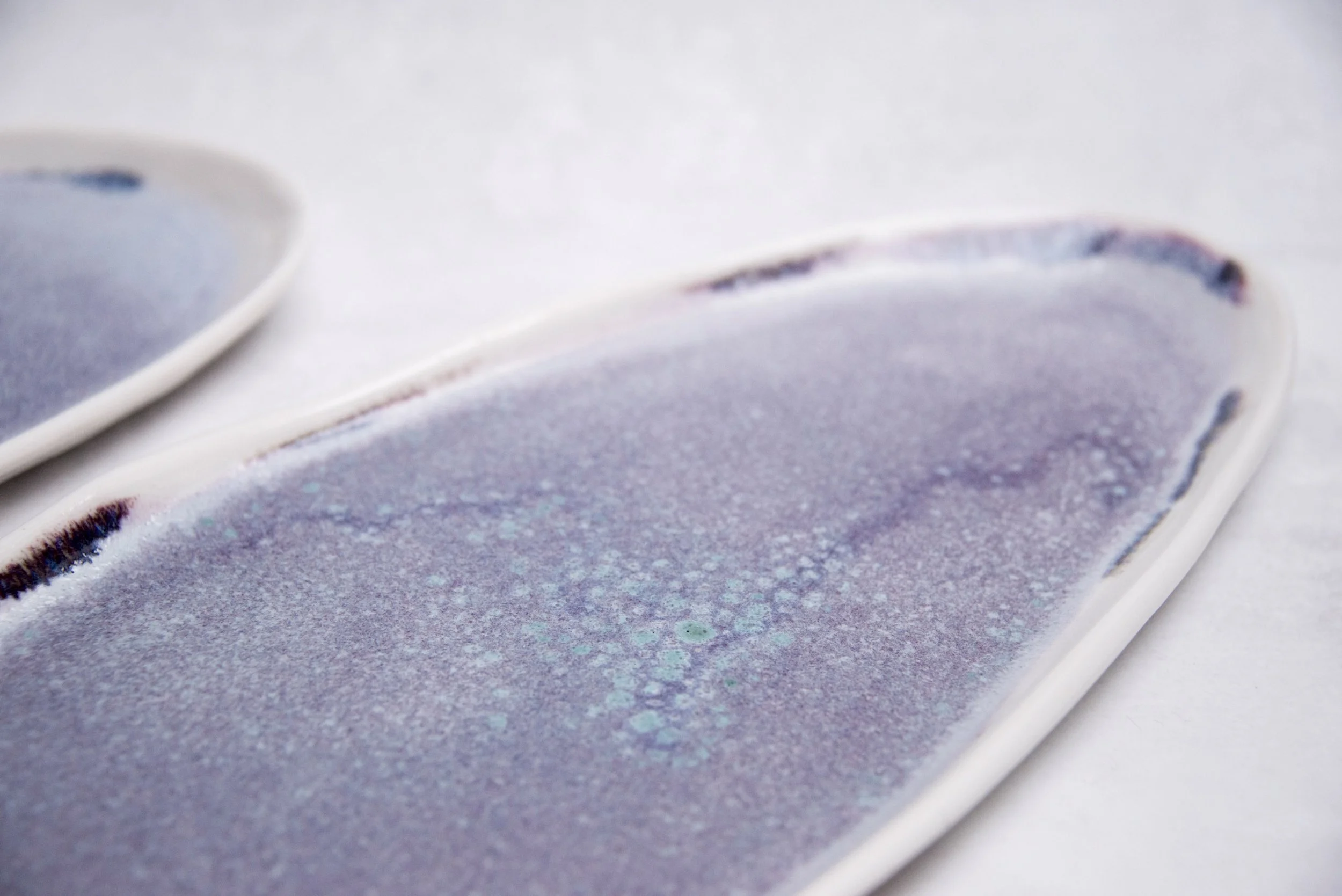
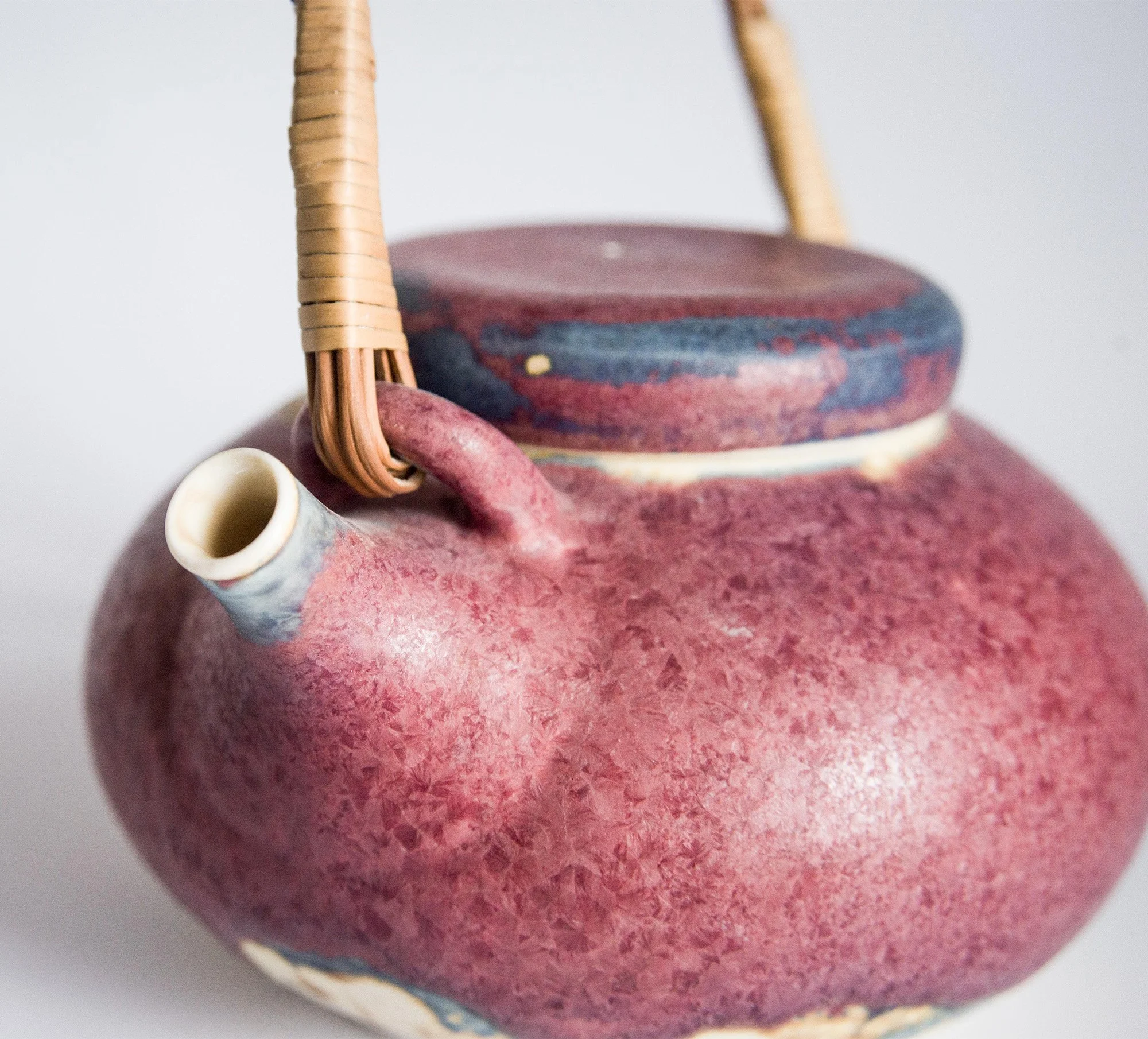
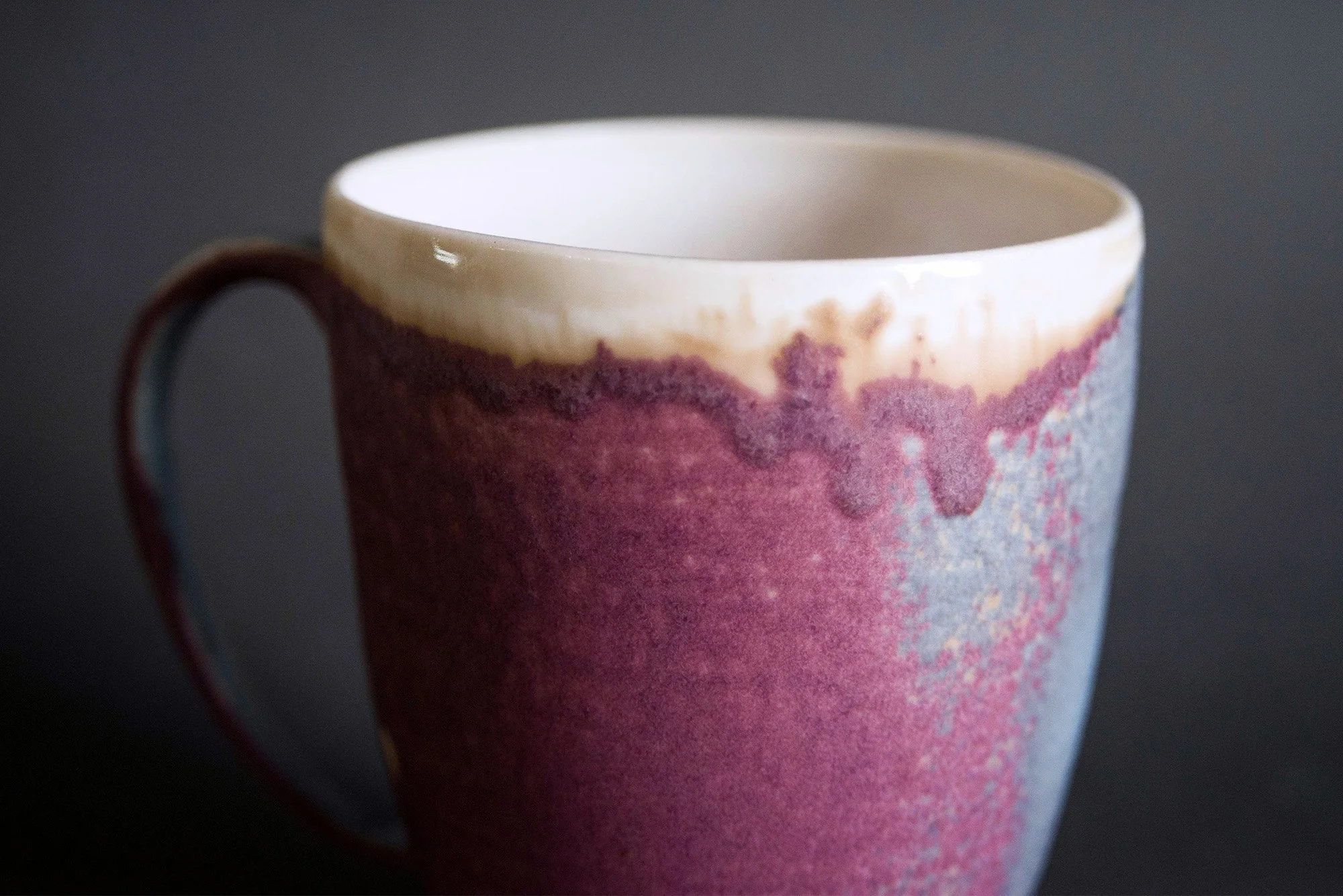
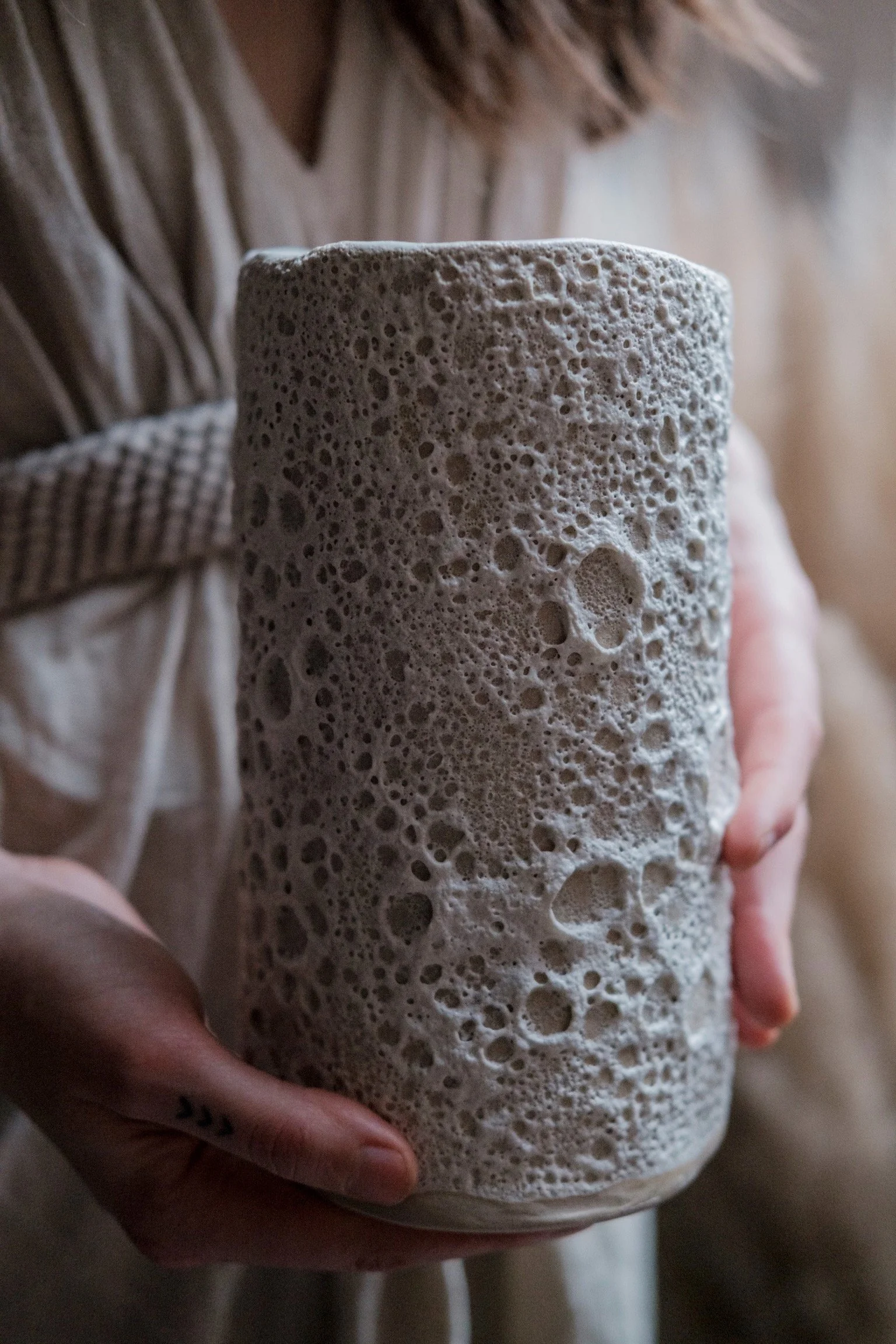
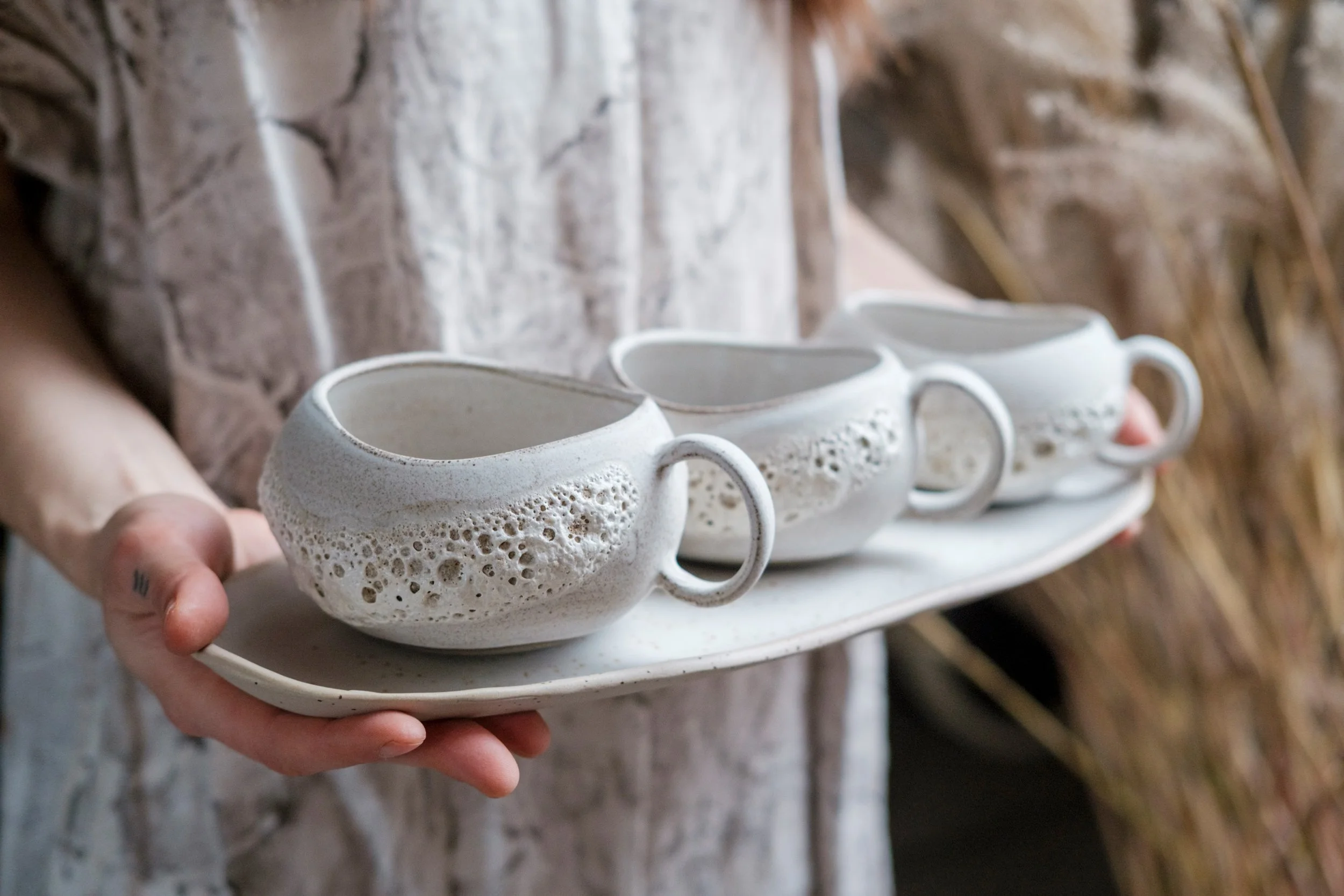
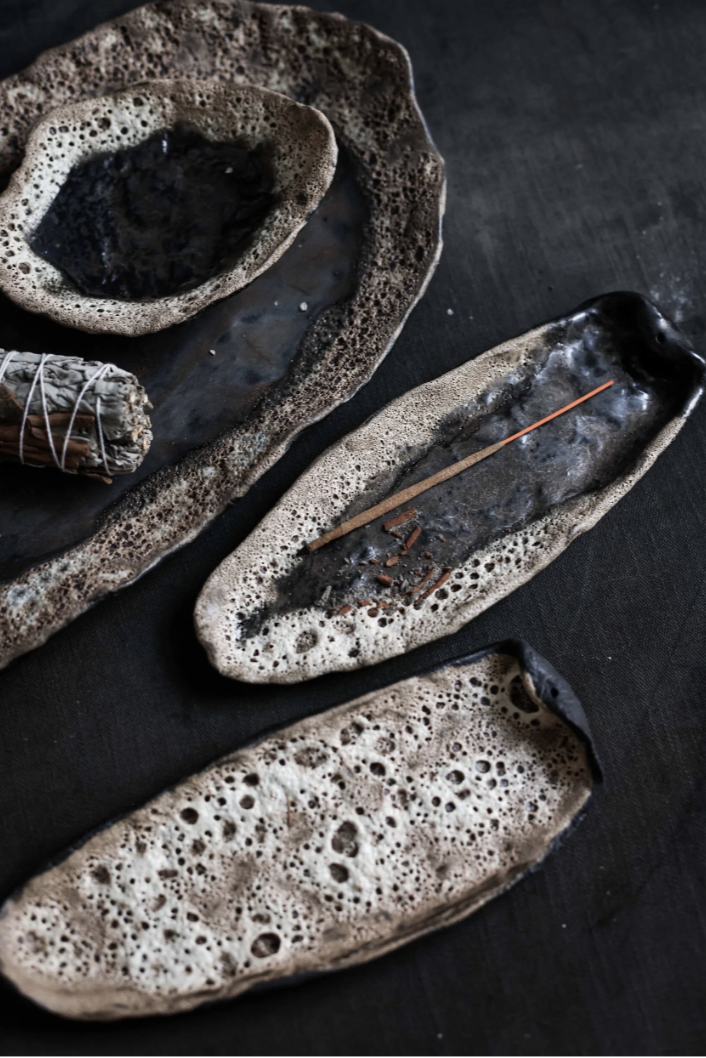
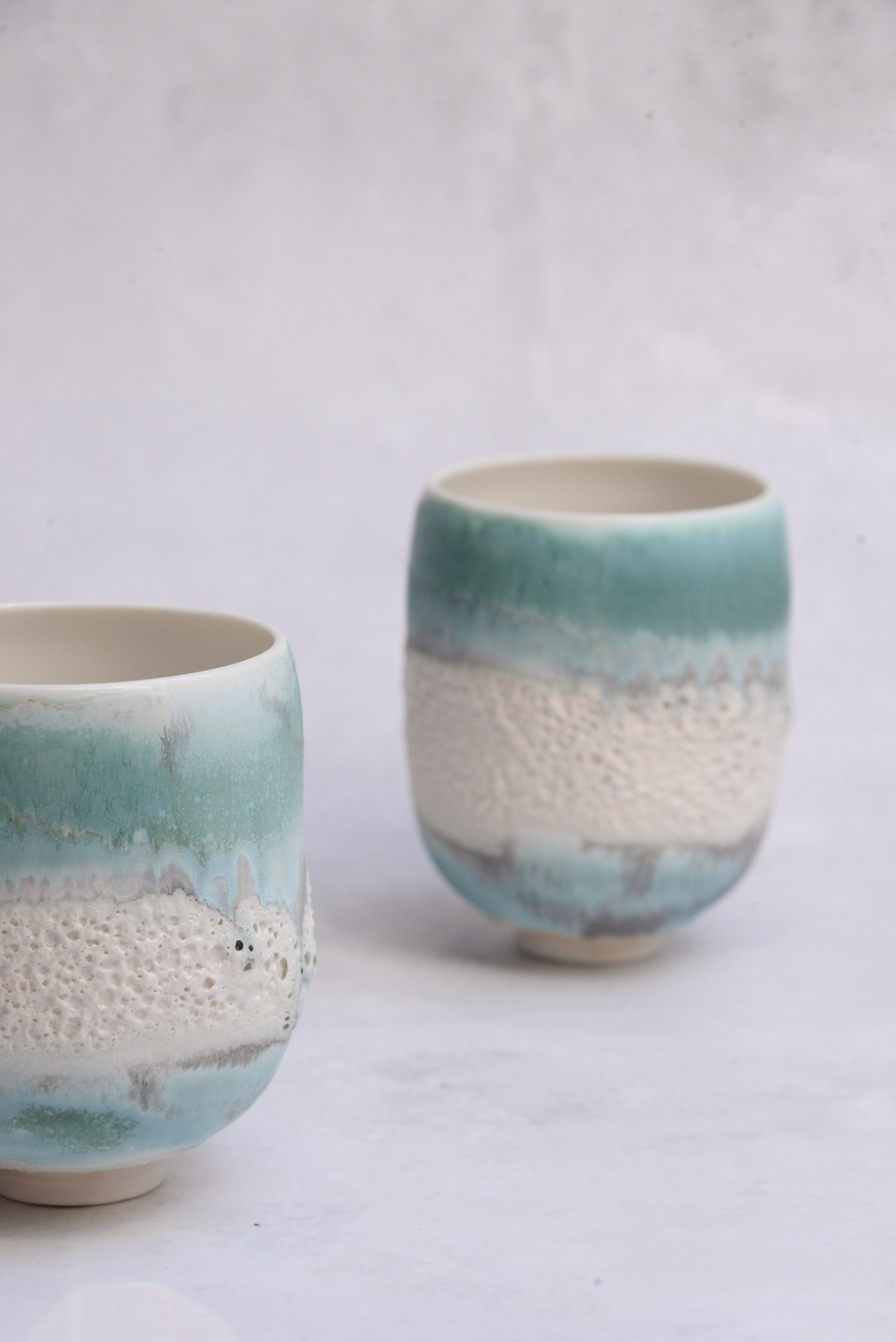
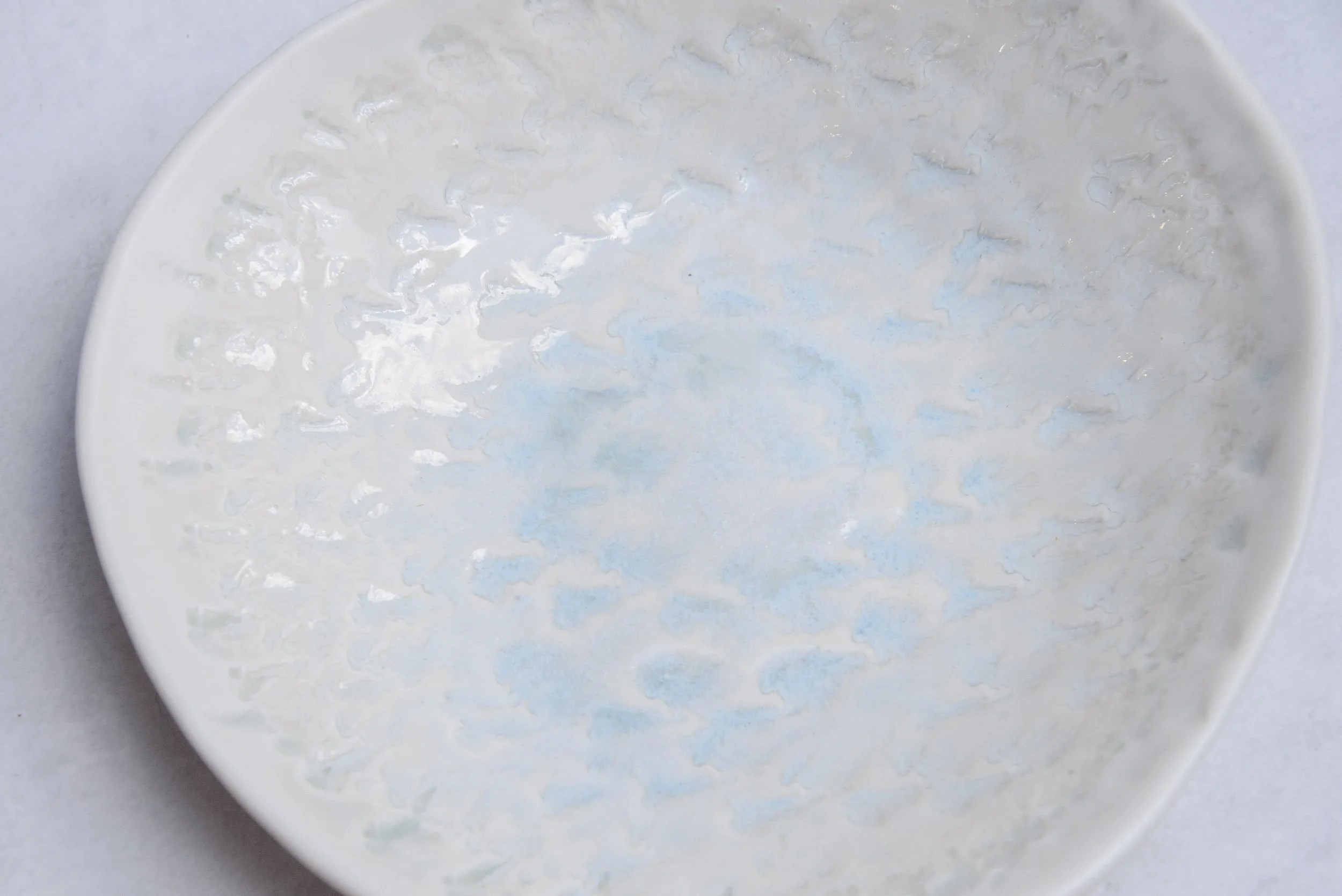
Our signature STONE glaze is a soft, earthy beige when applied thinly, shifting into a glossy, ash-like surface where the glaze pools thicker. At the transition between matte and gloss, delicate crystalline blooms appear — subtle, light-catching patterns that evoke natural ash glazes. Where the glaze is thick - glossy transparent crackle glaze reveals itself.
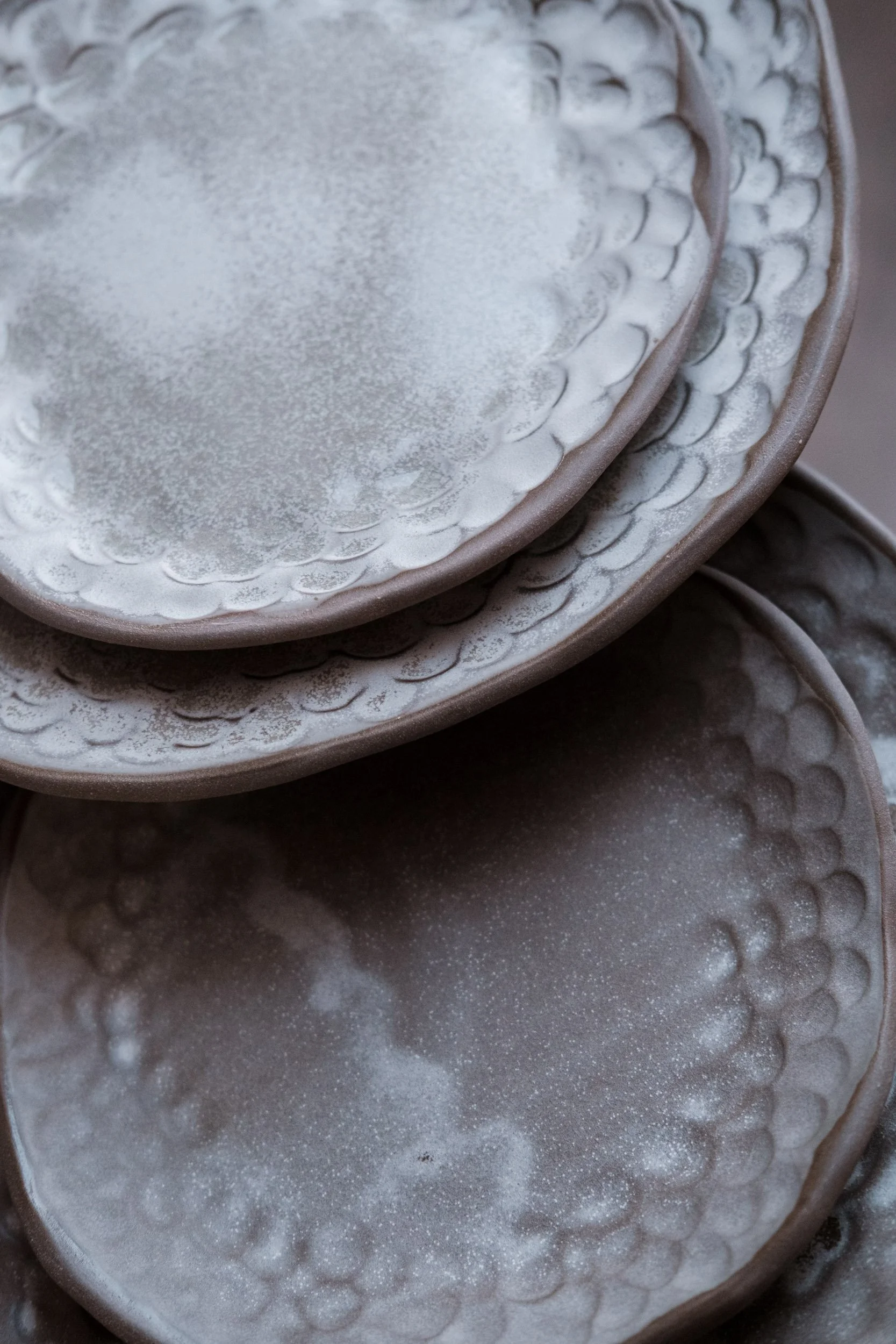
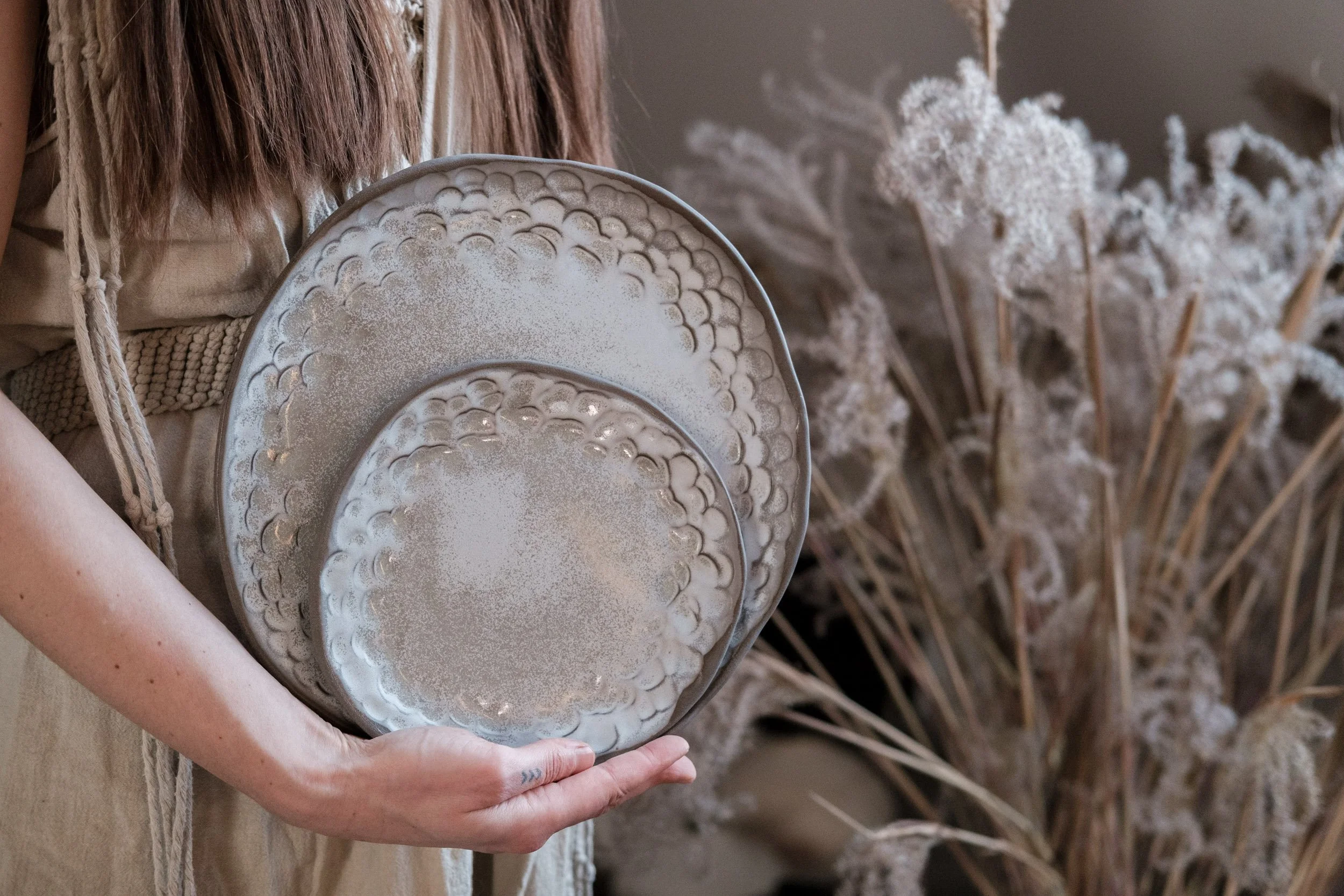
On darker stoneware bodies such as Anthrazit, the glaze reveals even more depth: pale, shimmering crystalline movement reminiscent of northern lights drifting across the surface. The final shade and character vary beautifully between clay bodies — see the last images showing Anthrazit (Witgert).
This glaze is highly thickness-sensitive, rewarding potters who enjoy variation and kiln alchemy:
• Thin application → matte beige
• Thick application → glossy ash-like surface
• Transition areas → fine crystalline development
No two firings ever look exactly the same — that’s the magic of STONE.
1240–1280°C (≈2264–2336°F)
Cone 7–9 equivalent
Suitable for high-fired stoneware and porcelain.
Lead-free • Cadmium-free
This is my staple studio glaze, used across many collections.
Start with 1:1 water-to-powder ratio.
Sieve thoroughly.
Add small amounts of water to refine thickness as needed.
Important:
Mix the entire dry bag at once — because the glaze is blended by hand, ingredients are not fully uniform until the full mix is slurried.
Yield example:
500 g (≈ 1.1 lb) of dry glaze = approx. 800 ml (≈ 27 fl oz) liquid glaze.
SAMPLE glaze package — 100 g (≈ 3.5 oz / 0.22 lb) dry weight
This sample size is enough for testing on one test tile and a few small pieces.
Apply an even layer. Suitable for:
• dipping
• brushing
• spraying
• pouring
Results will vary depending on:
• glaze thickness
• clay body
• firing curve
• placement in kiln
Testing is highly recommended to discover your favorite variation.
• Do not ingest.
• Wear gloves when mixing or applying.
• Keep away from eyes; rinse thoroughly if contact occurs.
• Avoid breathing glaze dust; never sweep dry powder.
• Clean dried glaze with a wet cloth only.
• Ensure good ventilation during firing.
A studio favorite with endlessly beautiful variations
Our signature STONE glaze is a soft, earthy beige when applied thinly, shifting into a glossy, ash-like surface where the glaze pools thicker. At the transition between matte and gloss, delicate crystalline blooms appear — subtle, light-catching patterns that evoke natural ash glazes. Where the glaze is thick - glossy transparent crackle glaze reveals itself.
On darker stoneware bodies such as Anthrazit, the glaze reveals even more depth: pale, shimmering crystalline movement reminiscent of northern lights drifting across the surface. The final shade and character vary beautifully between clay bodies — see the last images showing Anthrazit (Witgert).
This glaze is highly thickness-sensitive, rewarding potters who enjoy variation and kiln alchemy:
• Thin application → matte beige
• Thick application → glossy ash-like surface
• Transition areas → fine crystalline development
No two firings ever look exactly the same — that’s the magic of STONE.
1240–1280°C (≈2264–2336°F)
Cone 7–9 equivalent
Suitable for high-fired stoneware and porcelain.
Lead-free • Cadmium-free
This is my staple studio glaze, used across many collections.
Start with 1:1 water-to-powder ratio.
Sieve thoroughly.
Add small amounts of water to refine thickness as needed.
Important:
Mix the entire dry bag at once — because the glaze is blended by hand, ingredients are not fully uniform until the full mix is slurried.
Yield example:
500 g (≈ 1.1 lb) of dry glaze = approx. 800 ml (≈ 27 fl oz) liquid glaze.
SAMPLE glaze package — 100 g (≈ 3.5 oz / 0.22 lb) dry weight
This sample size is enough for testing on one test tile and a few small pieces.
Apply an even layer. Suitable for:
• dipping
• brushing
• spraying
• pouring
Results will vary depending on:
• glaze thickness
• clay body
• firing curve
• placement in kiln
Testing is highly recommended to discover your favorite variation.
• Do not ingest.
• Wear gloves when mixing or applying.
• Keep away from eyes; rinse thoroughly if contact occurs.
• Avoid breathing glaze dust; never sweep dry powder.
• Clean dried glaze with a wet cloth only.
• Ensure good ventilation during firing.