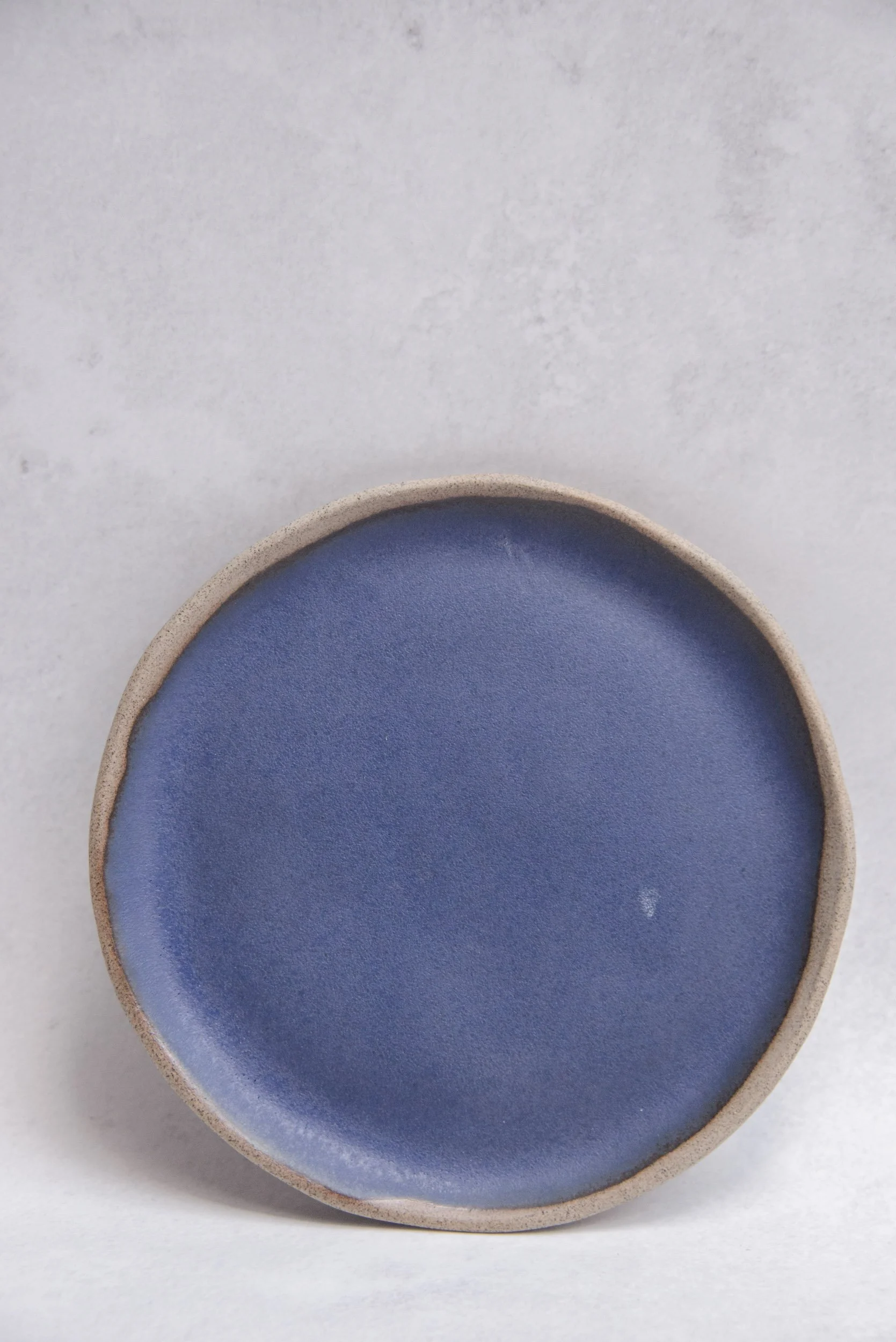
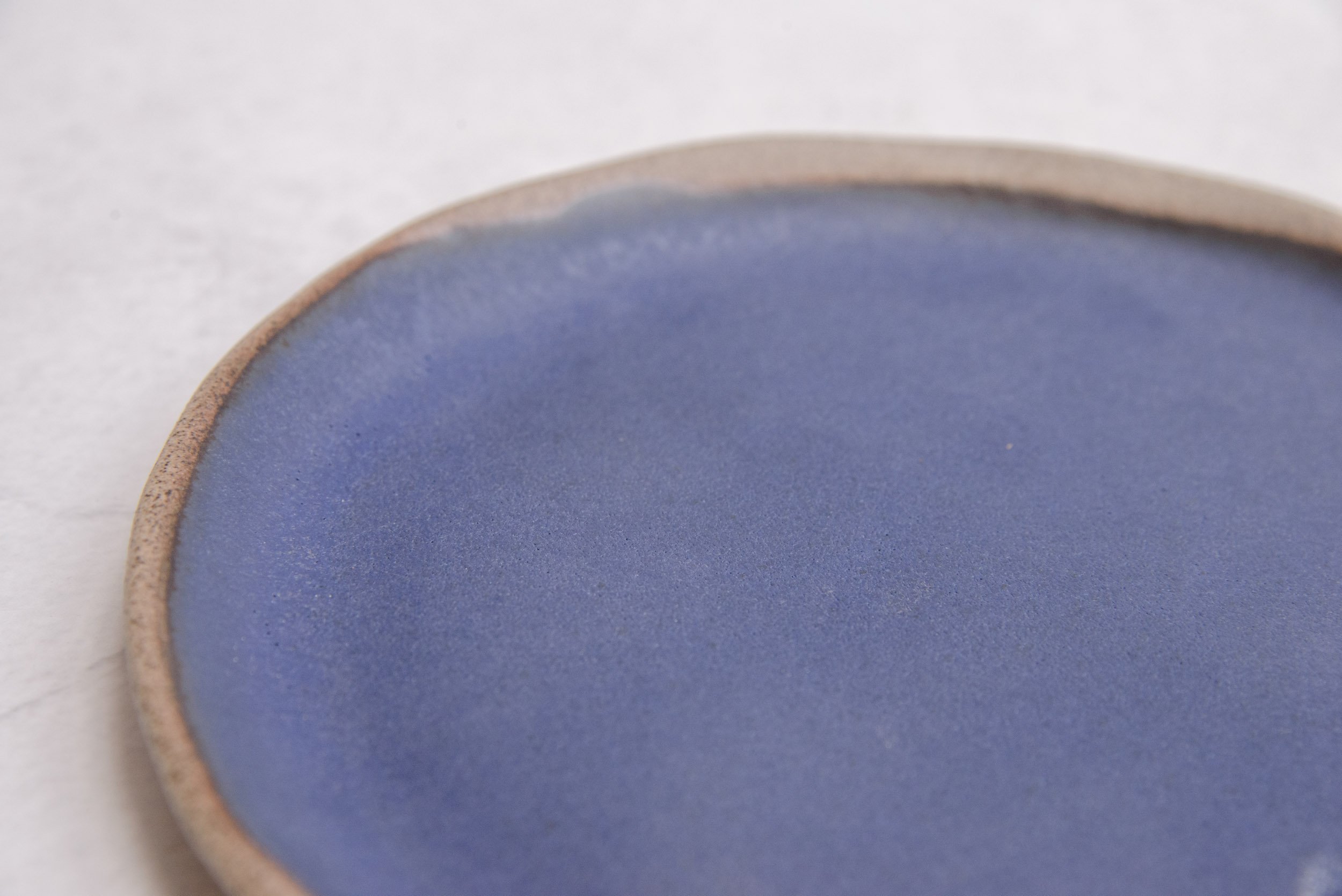
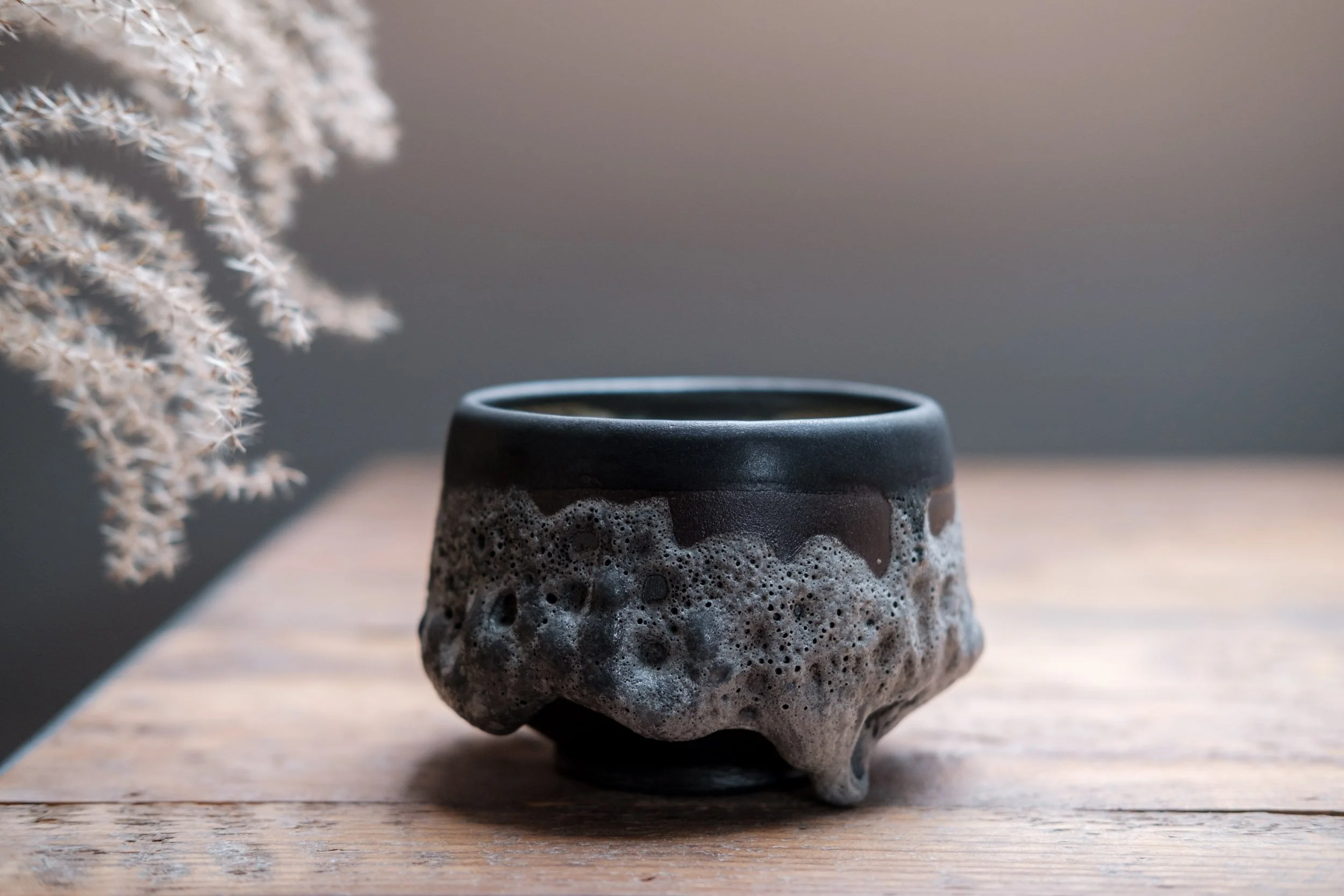
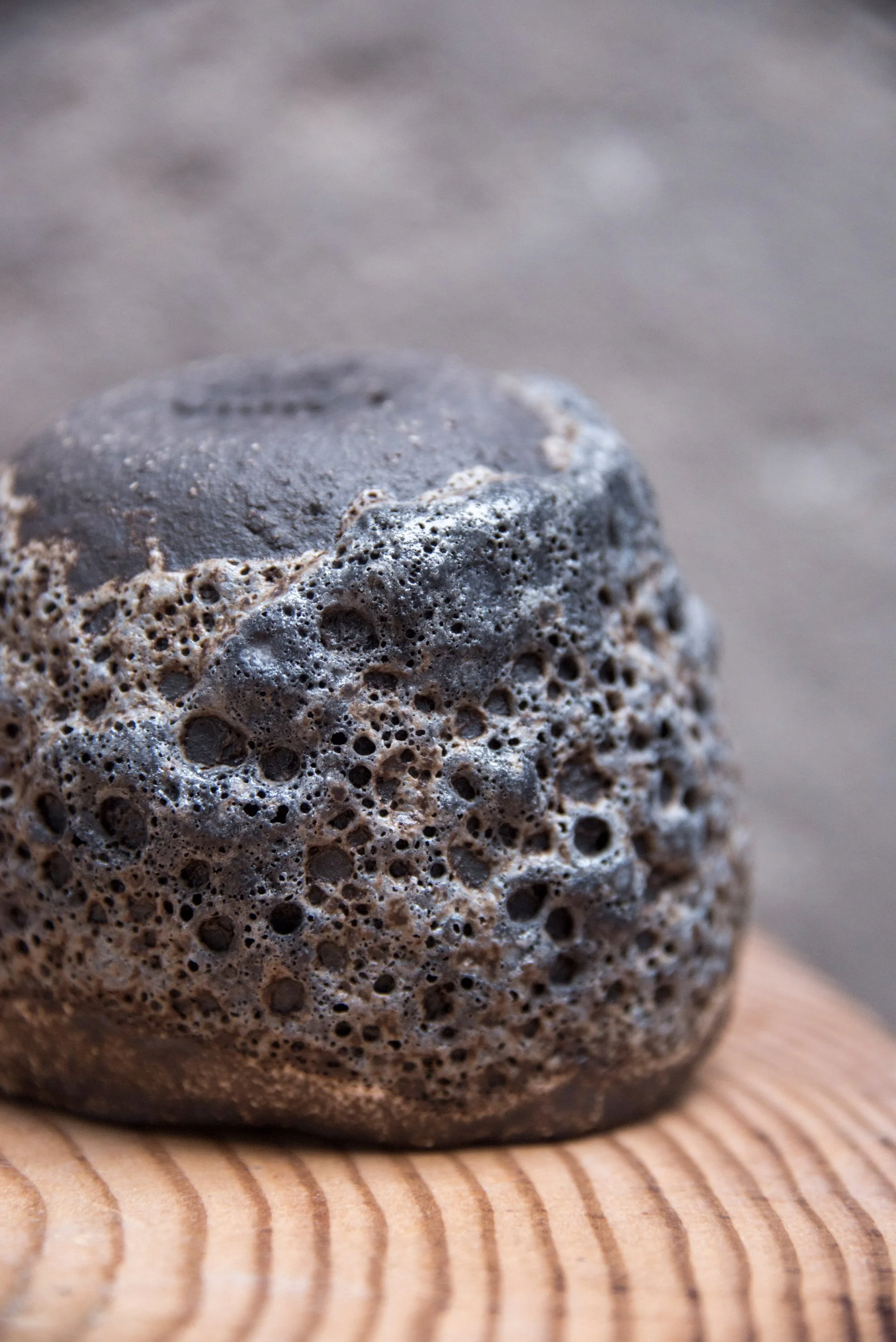
 Image 1 of 3
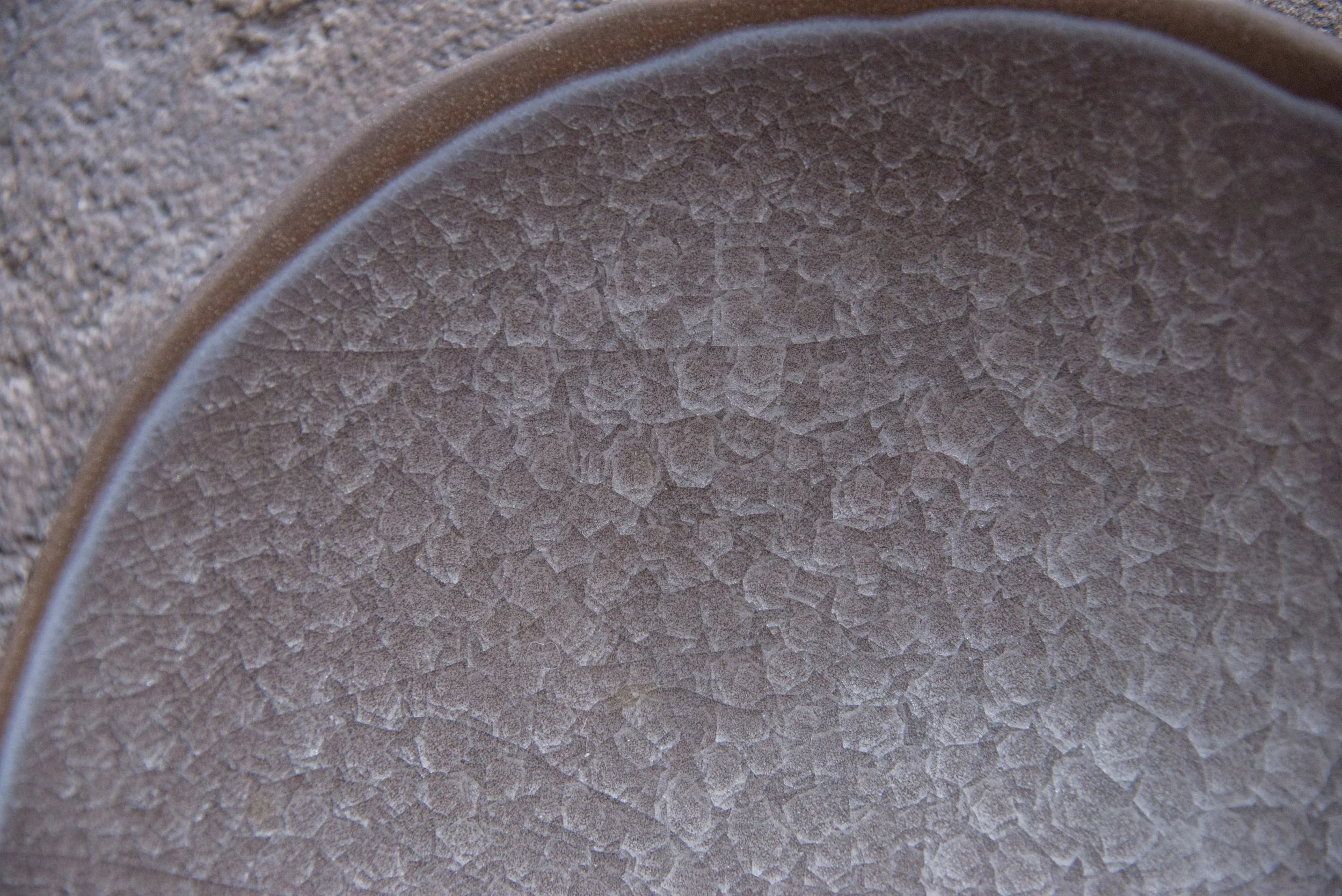 Image 2 of 3
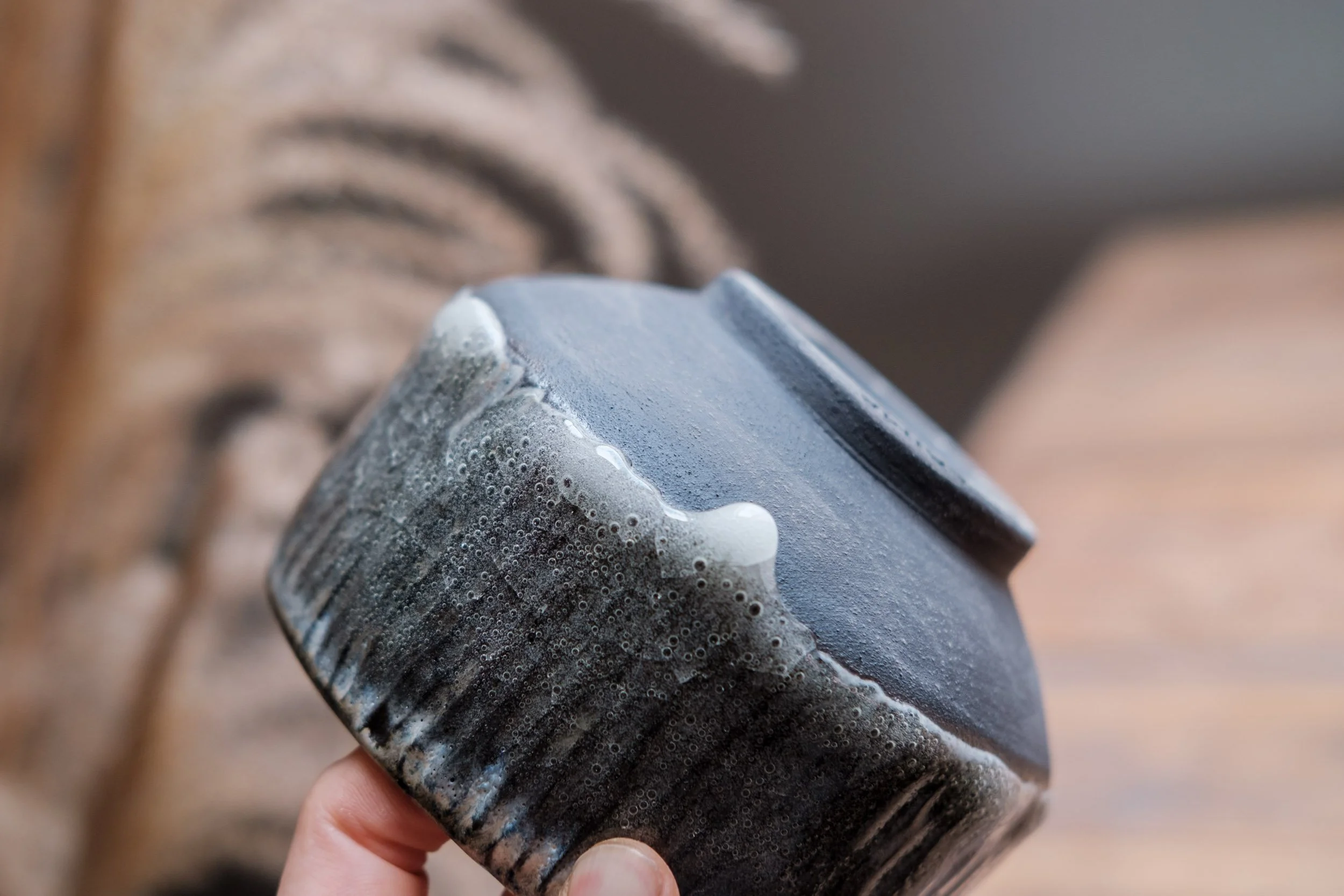 Image 3 of 3
Lead-free • Cadmium-free
1240–1280°C (2264–2336°F)
Cone 7–9
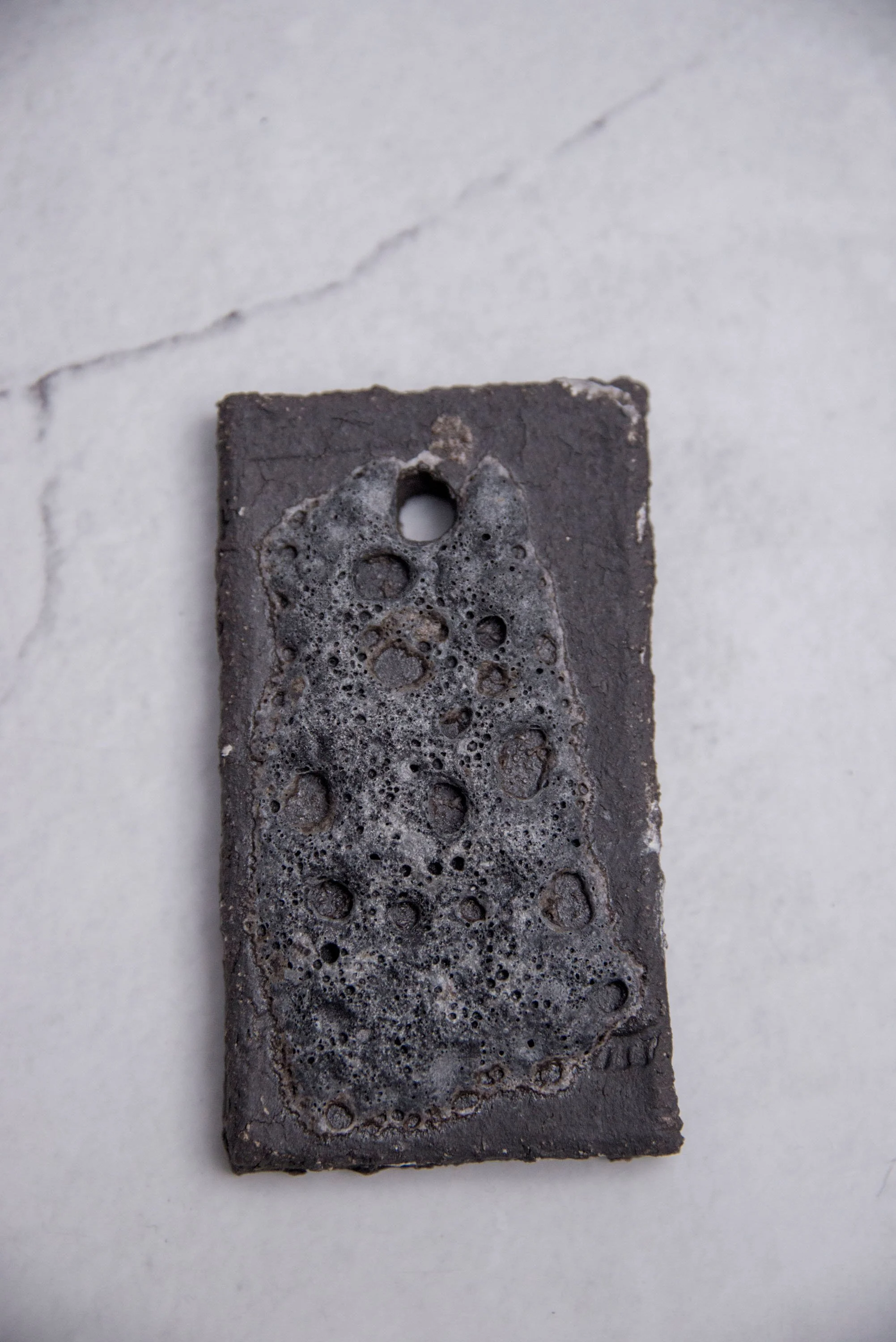
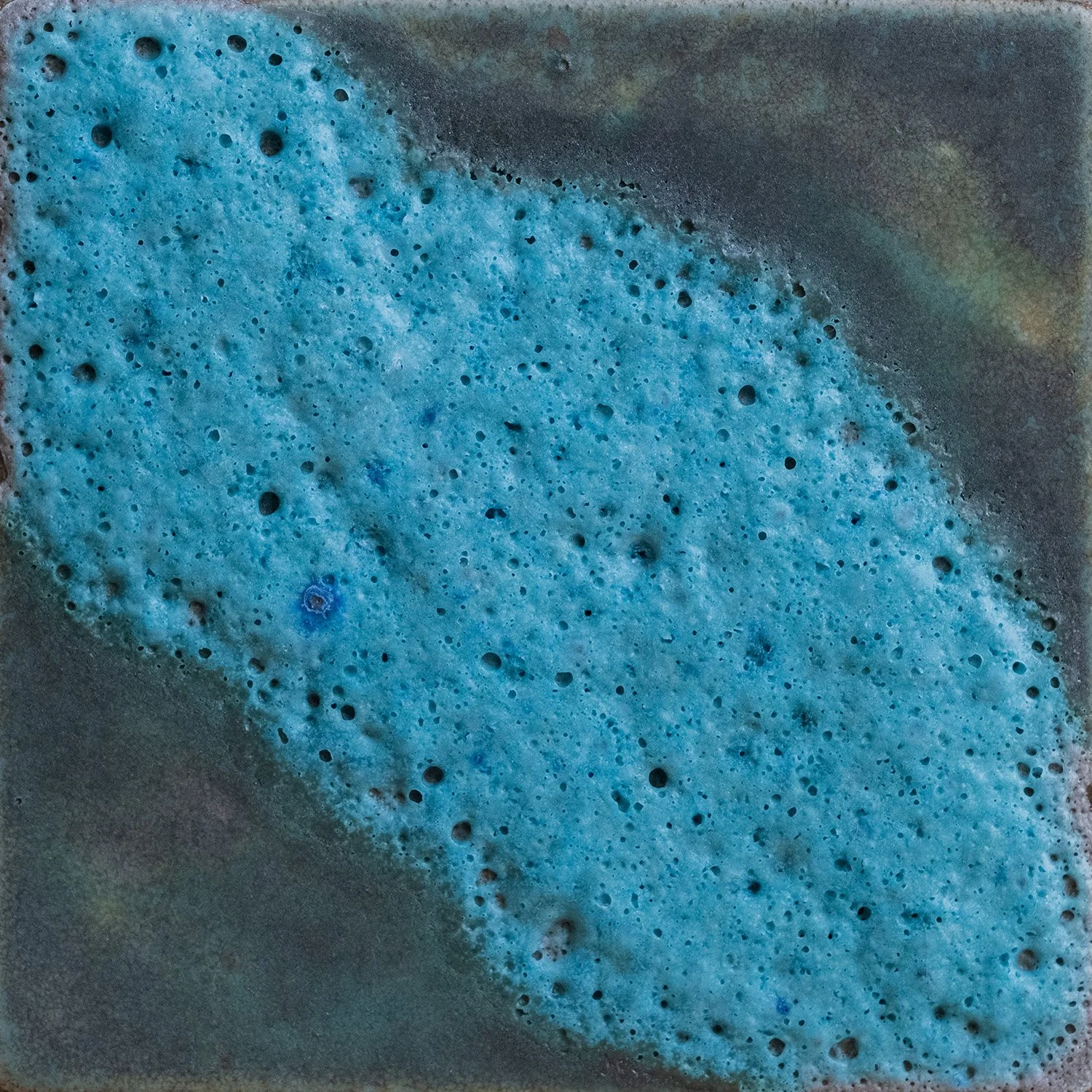
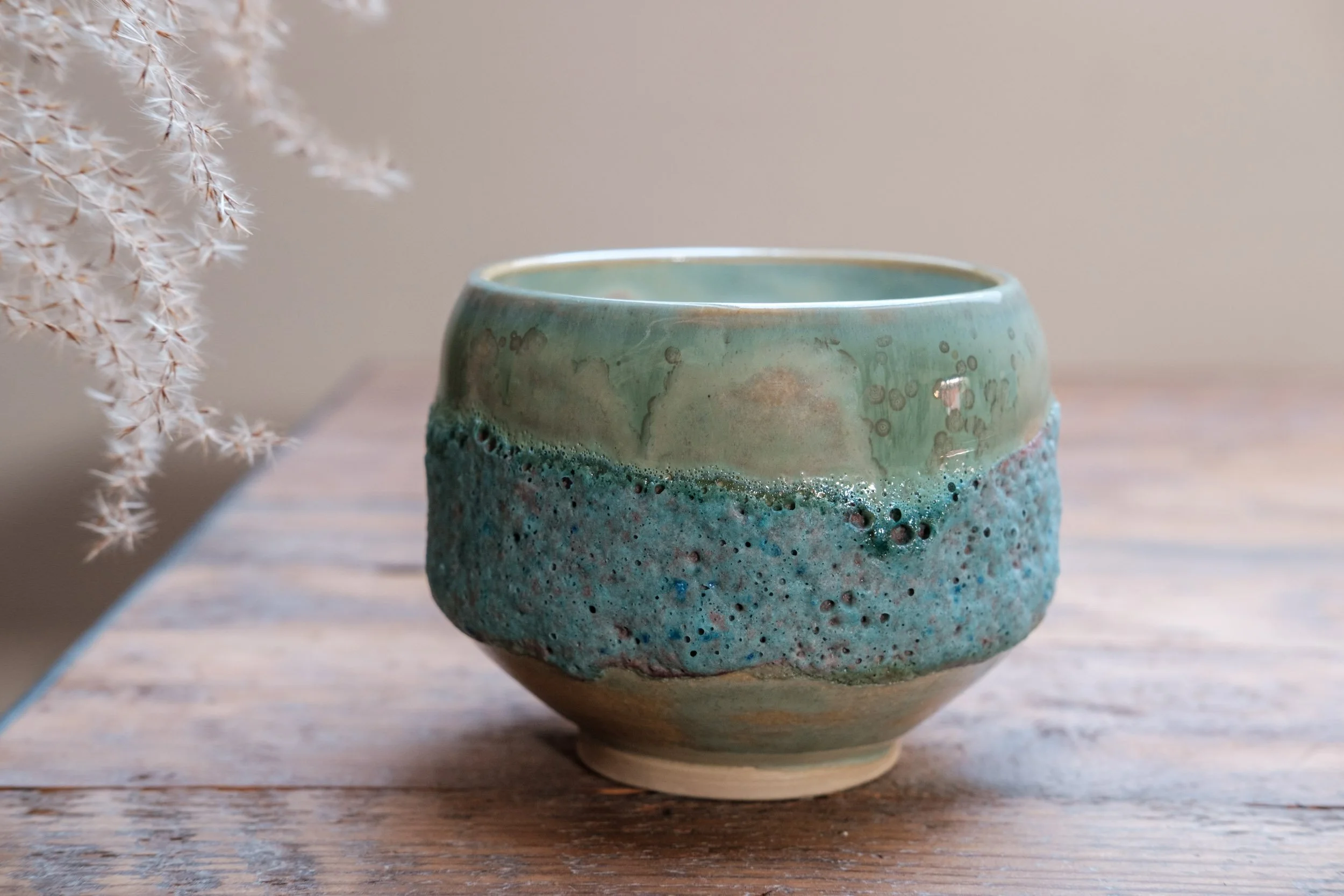
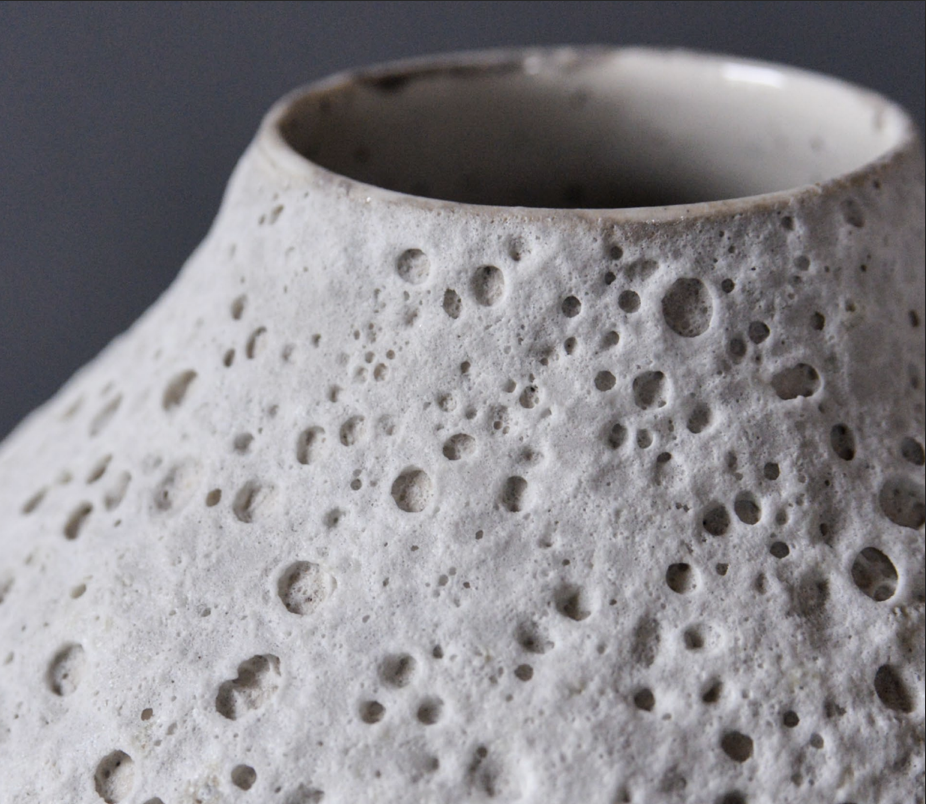
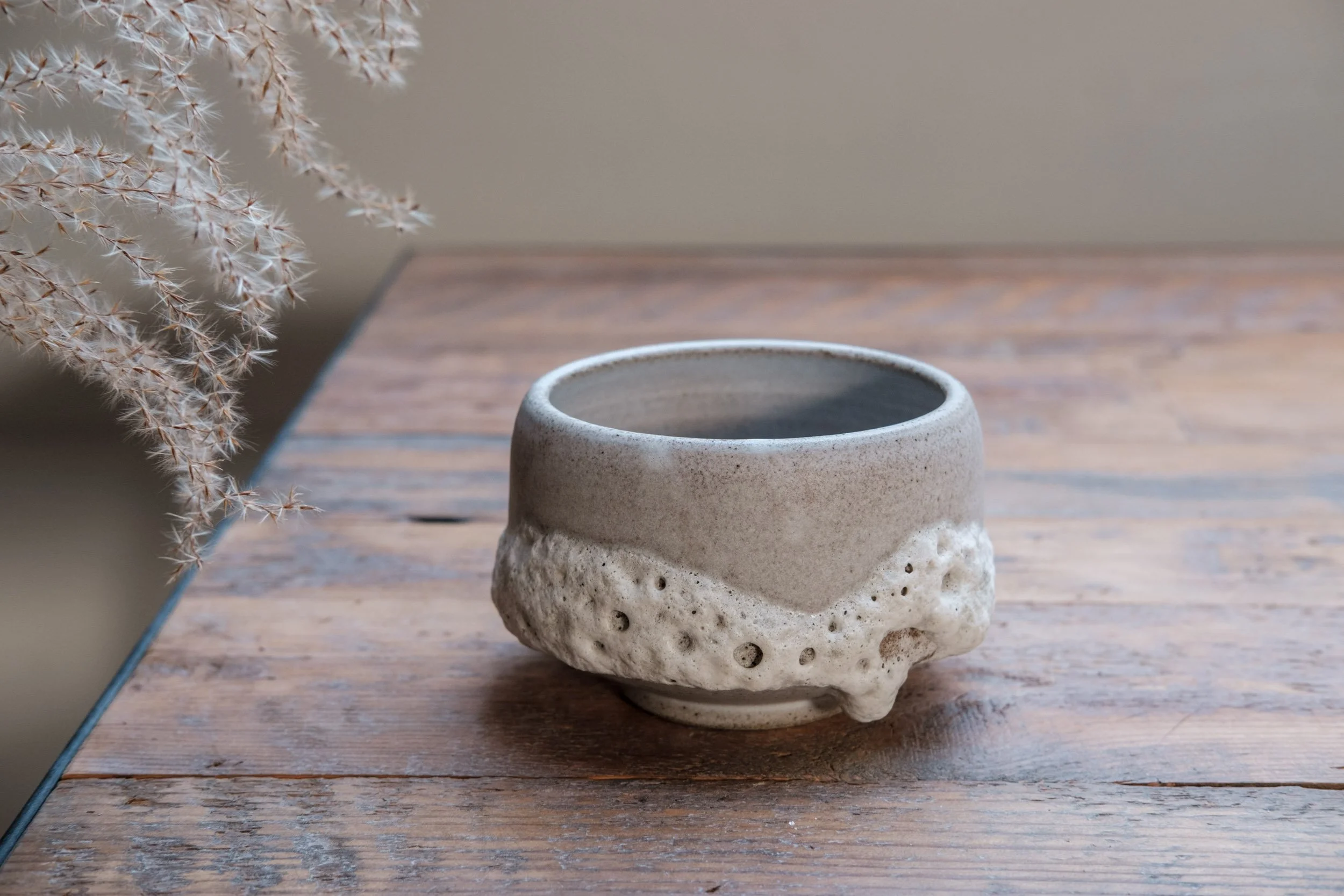
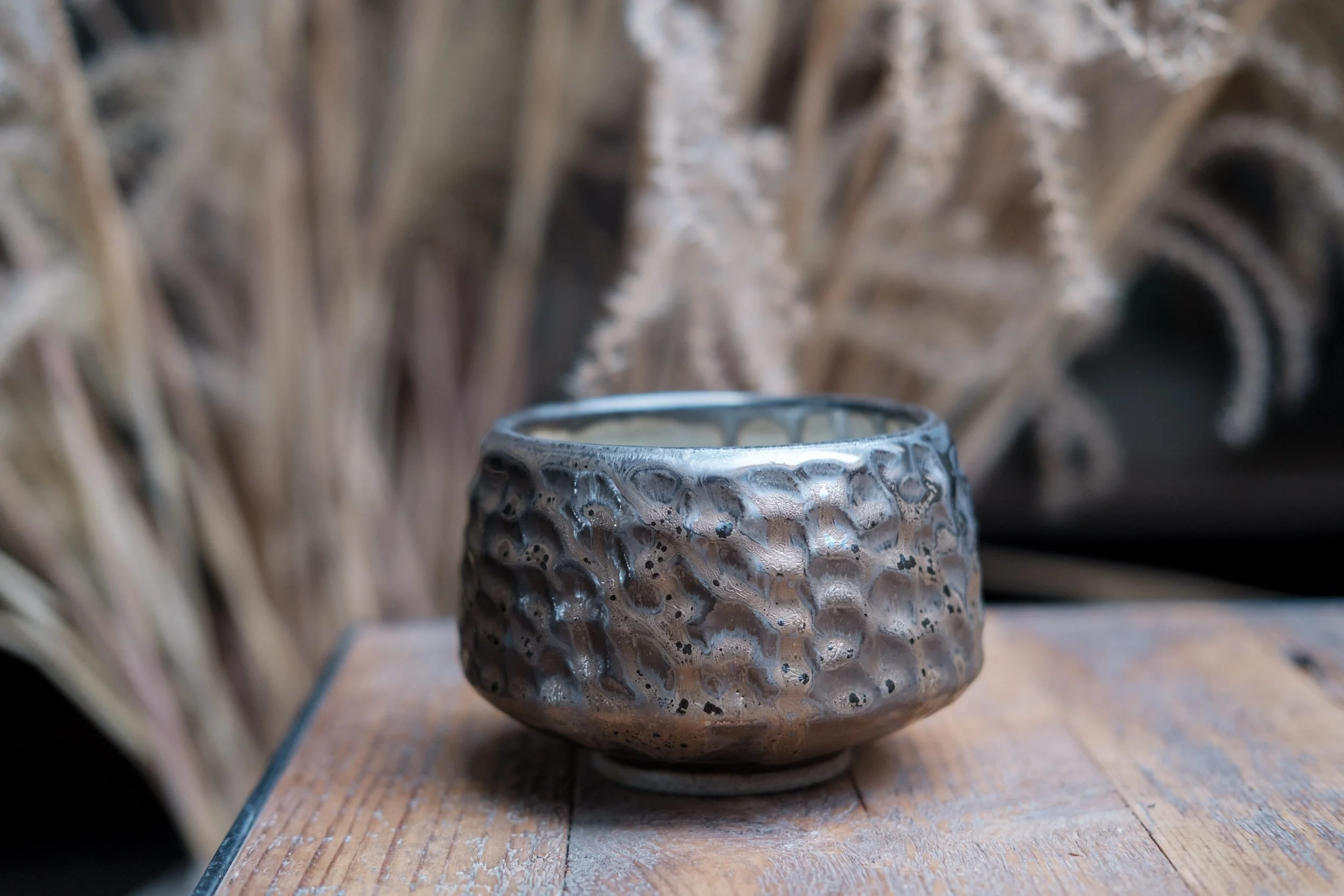
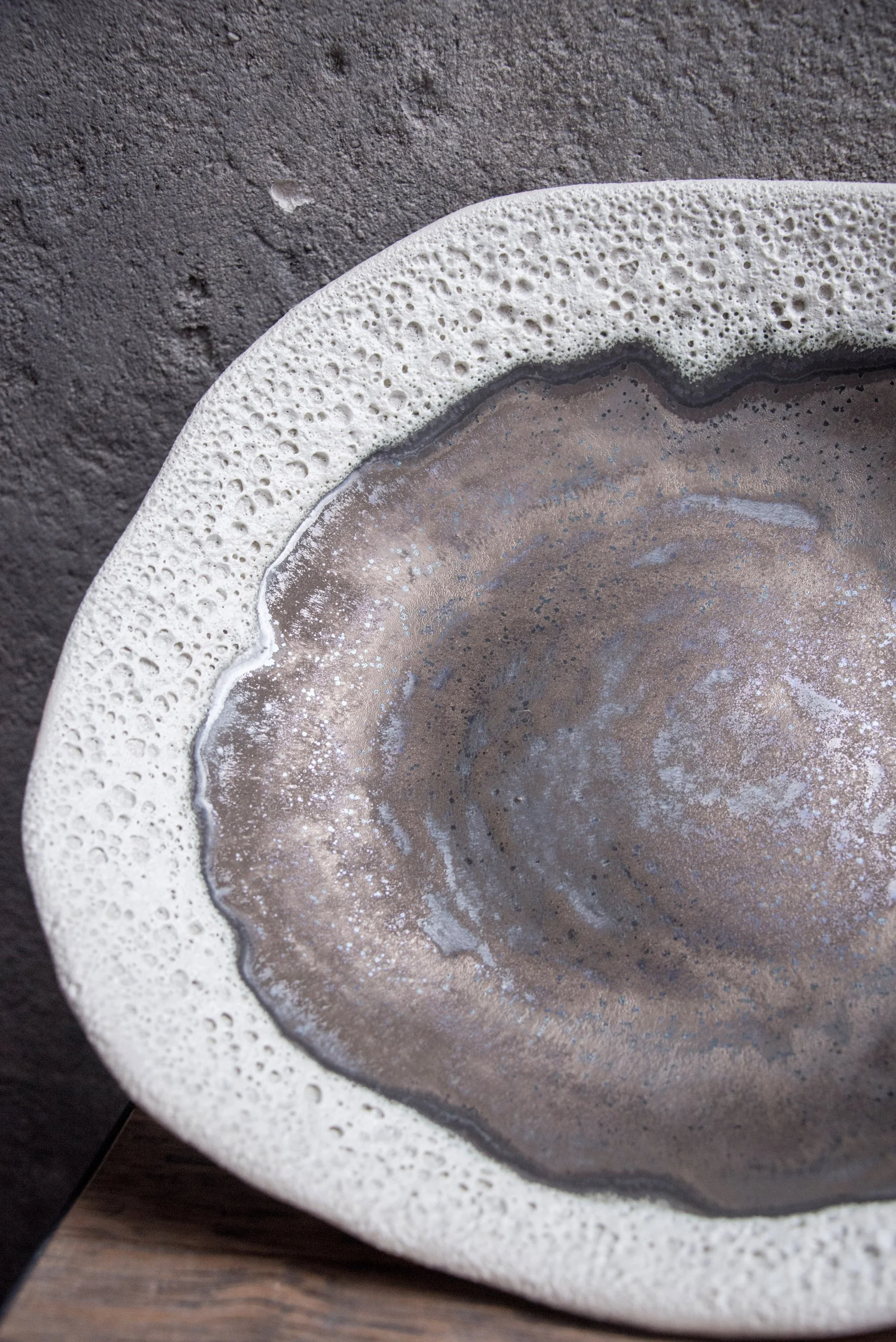
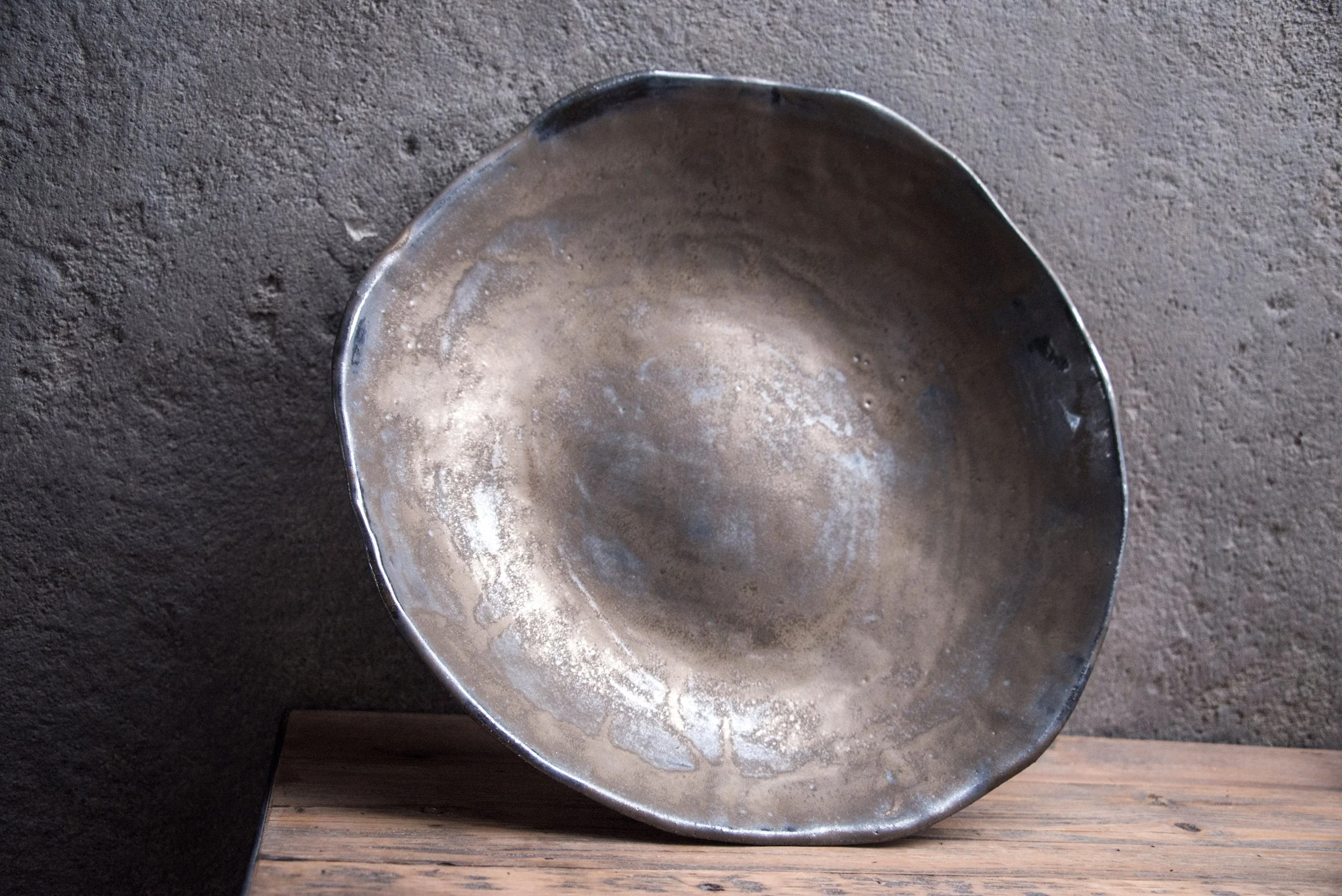
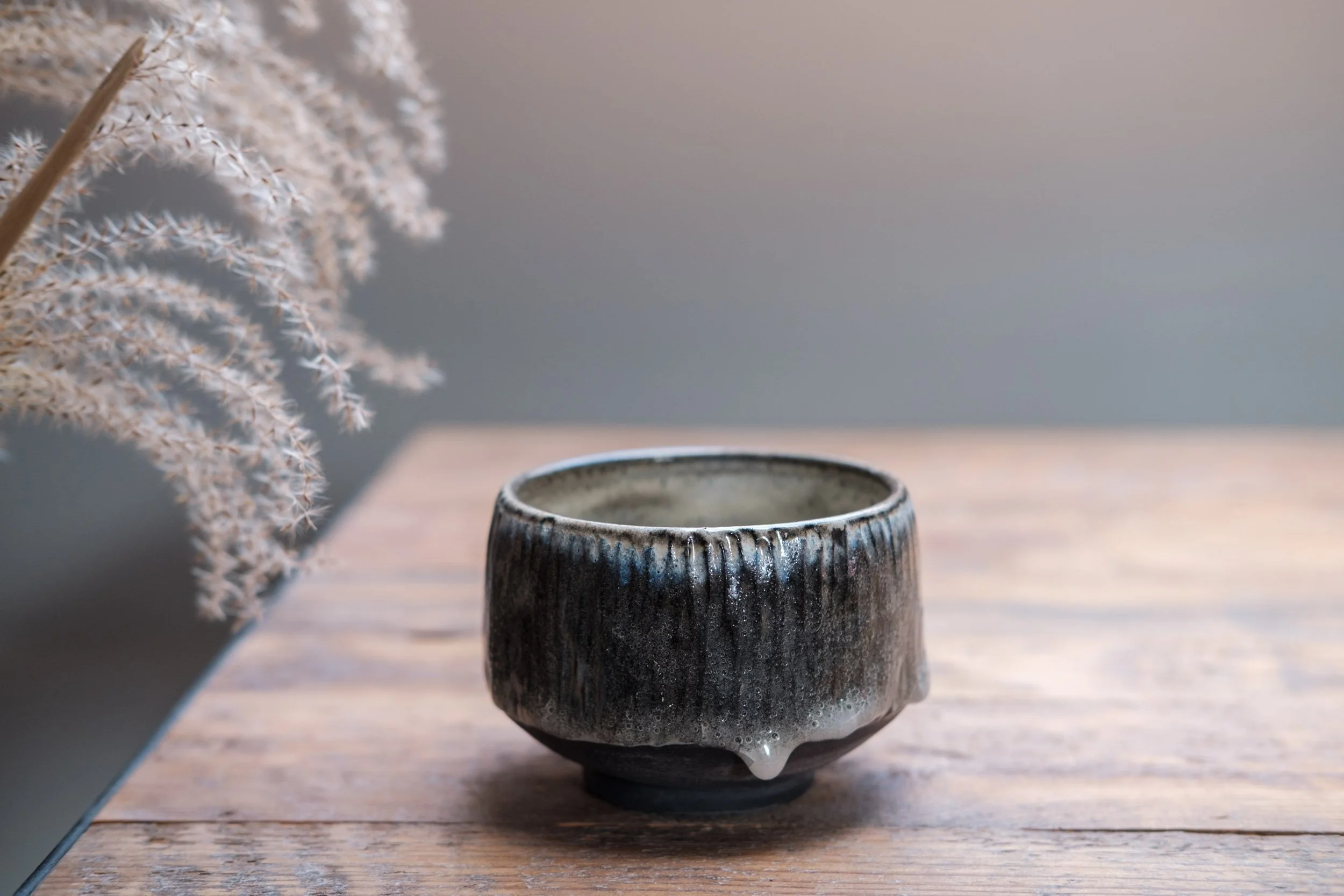
Snowflake crackle — also known as ice crackle, fish scale, or tortoise shell crackle — creates dramatic, lace-like networks of fine lines across the glaze surface. In traditional East Asian ceramics, particularly during China’s Song dynasty (10th–13th centuries), this effect was embraced as intentional beauty rather than flaw, celebrating time, tension, and natural change.
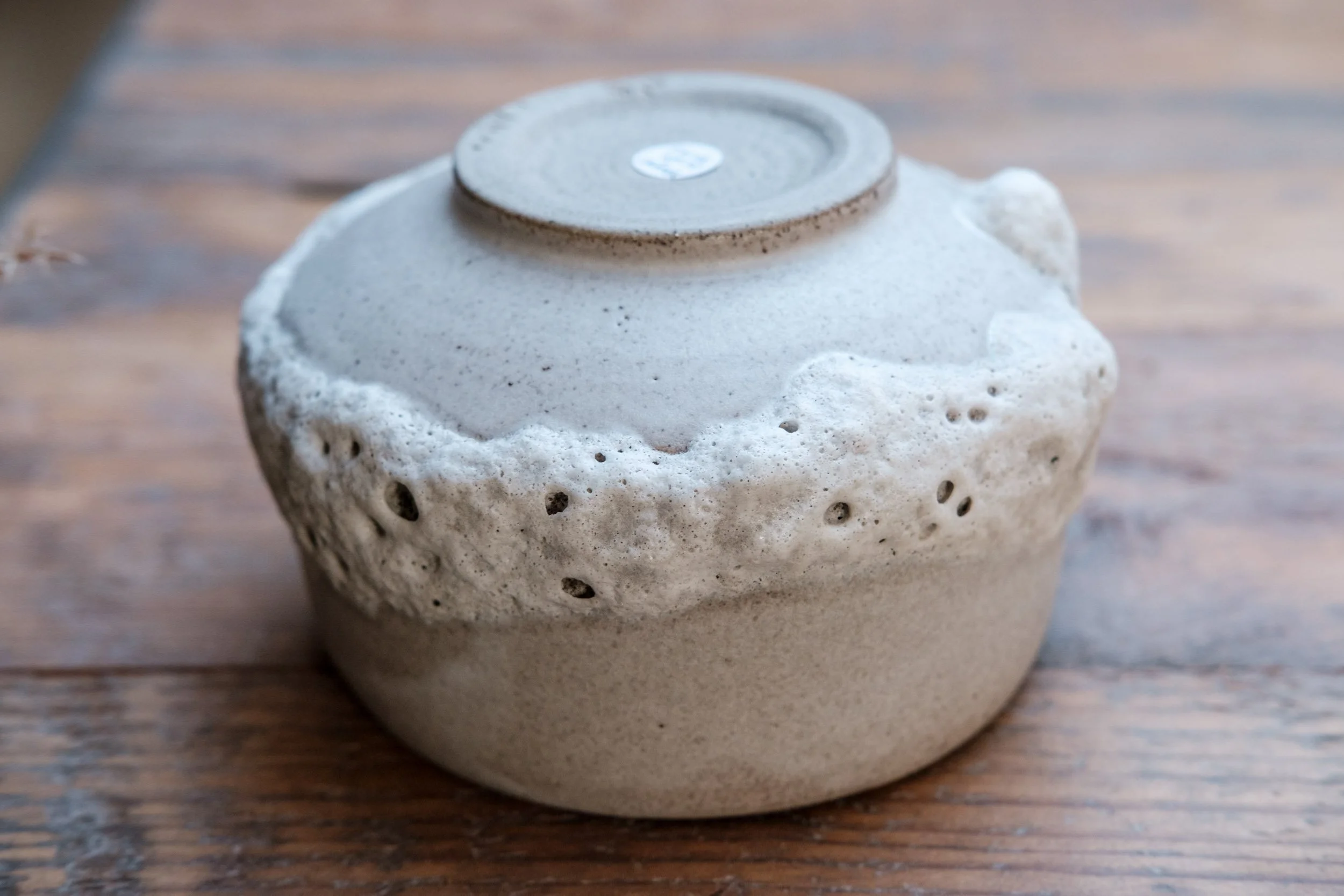
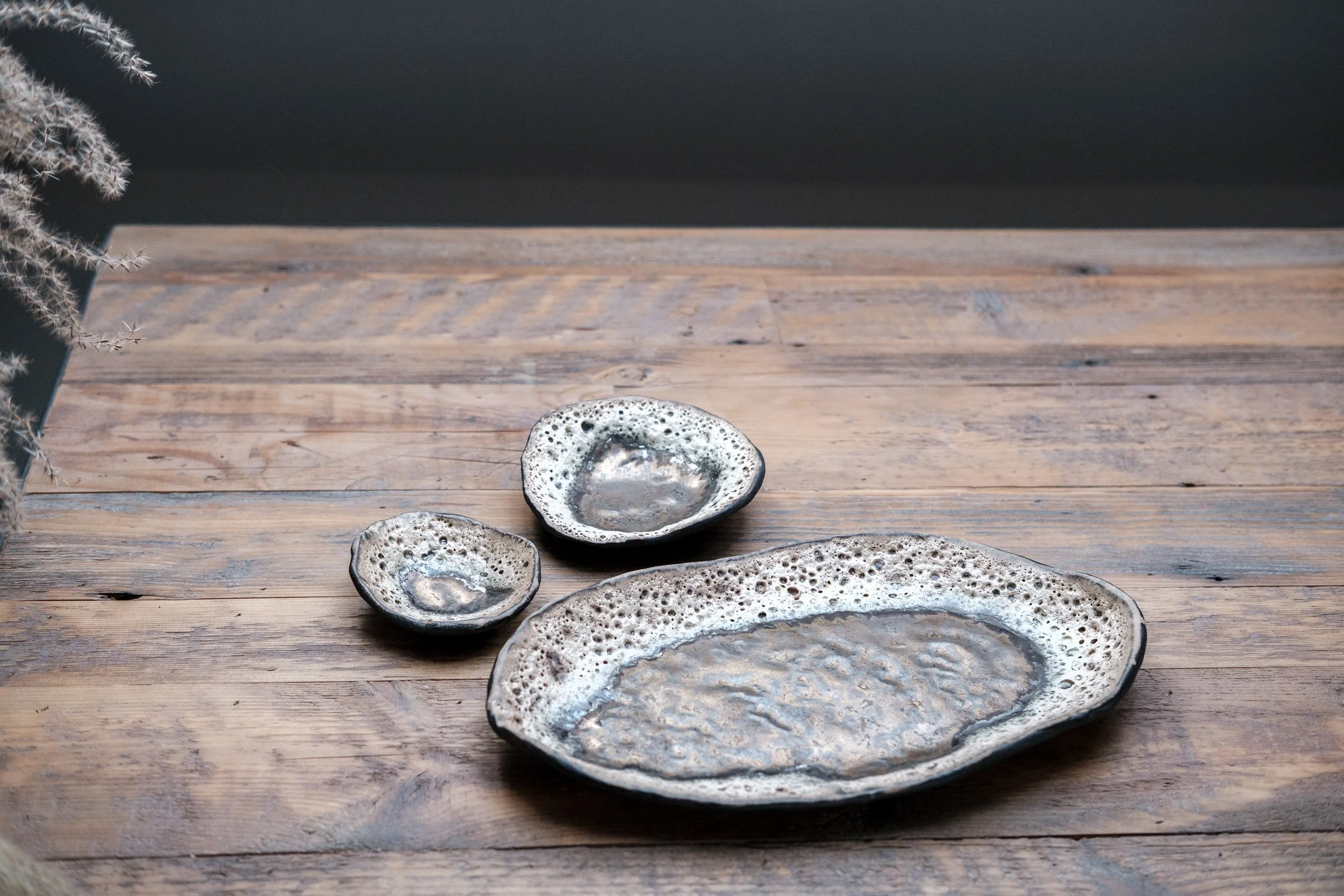
What sets snowflake crackle apart is its very thick application, often far heavier than a standard functional glaze. This depth allows layered crackle patterns to form, creating hexagonal, snowflake-like structures that feel almost geological and invite close observation.
Because this beauty comes from tension, a few considerations are important: glazing only one side of a piece can create uneven stress and may lead to warping or cracking as the piece cools. Crazed surfaces can also be harder to keep perfectly clean over long-term use, which is why many potters avoid them for everyday eating and drinking ware.
This glaze is lead- and cadmium-free and would pass standard food-safety tests. The question is less about chemistry and more about intended use and care.
Important:
You must mix the entire dry bag at once.
Because the glaze is mixed by hand, the ingredients are not uniform in small scoops. Mixing only part of the bag will produce uneven results.
• Do not ingest.
• Wear gloves when mixing and applying.
• Avoid glaze dust — never sweep dry material.
• Clean spills or dried residue with a wet cloth only.
• Keep away from eyes; if contact occurs, rinse thoroughly with water.
• Ensure good ventilation during firing.
Lead-free • Cadmium-free
1240–1280°C (2264–2336°F)
Cone 7–9
Snowflake crackle — also known as ice crackle, fish scale, or tortoise shell crackle — creates dramatic, lace-like networks of fine lines across the glaze surface. In traditional East Asian ceramics, particularly during China’s Song dynasty (10th–13th centuries), this effect was embraced as intentional beauty rather than flaw, celebrating time, tension, and natural change.
What sets snowflake crackle apart is its very thick application, often far heavier than a standard functional glaze. This depth allows layered crackle patterns to form, creating hexagonal, snowflake-like structures that feel almost geological and invite close observation.
Because this beauty comes from tension, a few considerations are important: glazing only one side of a piece can create uneven stress and may lead to warping or cracking as the piece cools. Crazed surfaces can also be harder to keep perfectly clean over long-term use, which is why many potters avoid them for everyday eating and drinking ware.
This glaze is lead- and cadmium-free and would pass standard food-safety tests. The question is less about chemistry and more about intended use and care.
Important:
You must mix the entire dry bag at once.
Because the glaze is mixed by hand, the ingredients are not uniform in small scoops. Mixing only part of the bag will produce uneven results.
• Do not ingest.
• Wear gloves when mixing and applying.
• Avoid glaze dust — never sweep dry material.
• Clean spills or dried residue with a wet cloth only.
• Keep away from eyes; if contact occurs, rinse thoroughly with water.
• Ensure good ventilation during firing.