Volcanic Glazes: Pushing the Edge of Form, Fire, and Geological Memory
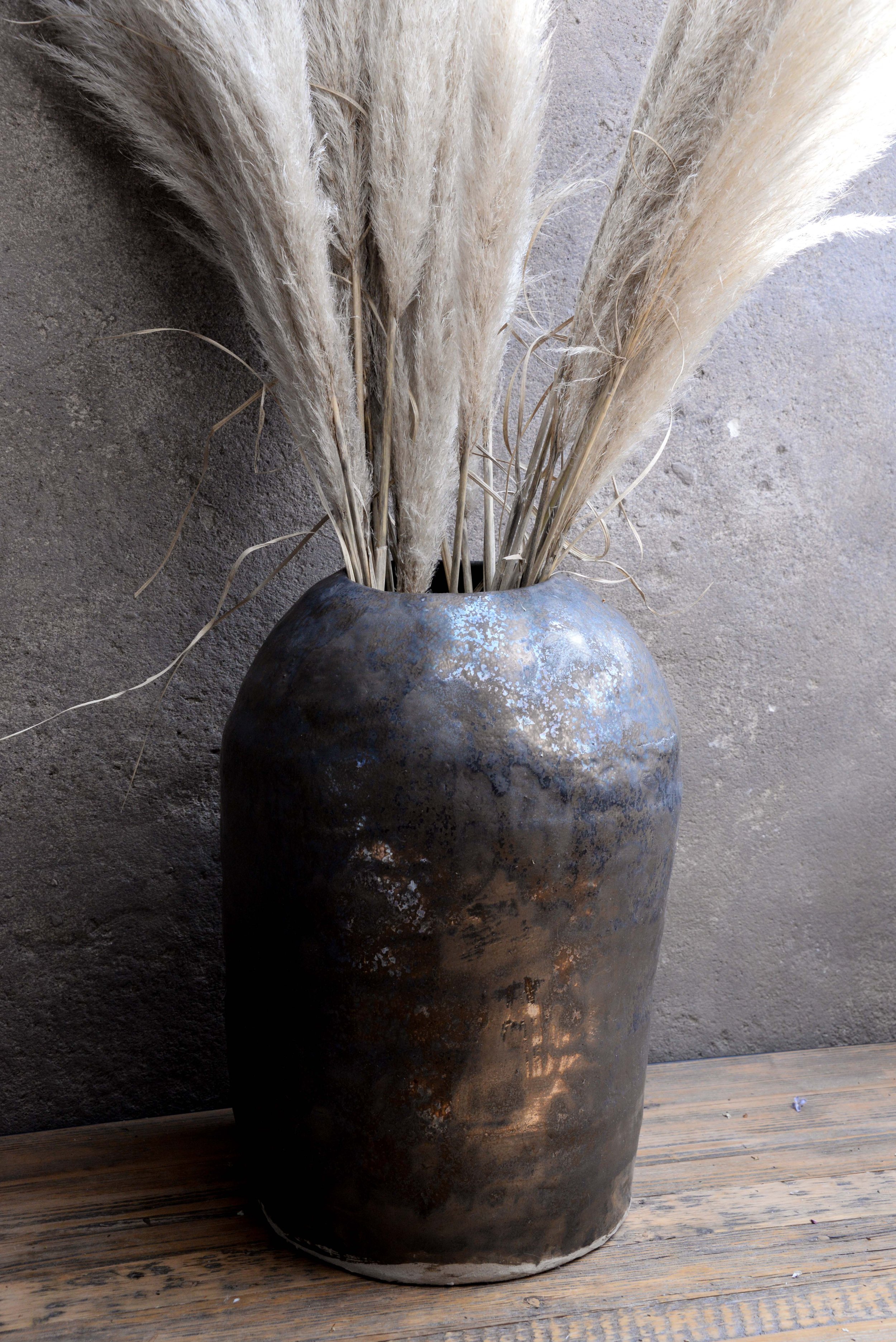
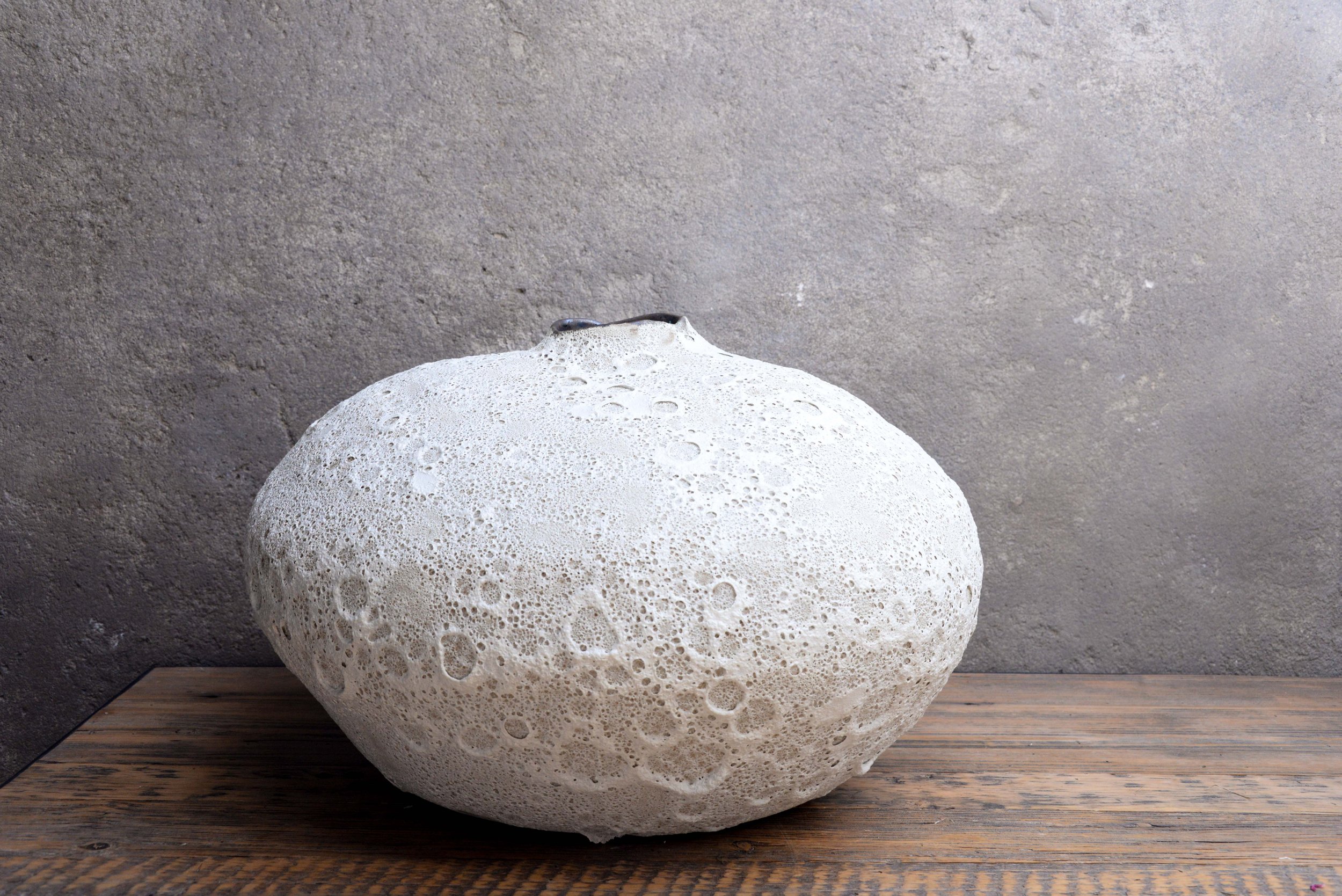
In my current body of work, I am consciously stretching both my technical and creative boundaries by exploring large-scale floor vases formed through coiling — an ancient hand-building method that allows for slow, intentional construction and a deep physical dialogue with the clay. These monumental forms become landscapes in themselves, sculptural terrains that echo the raw, geological character of the glazes that envelop them.
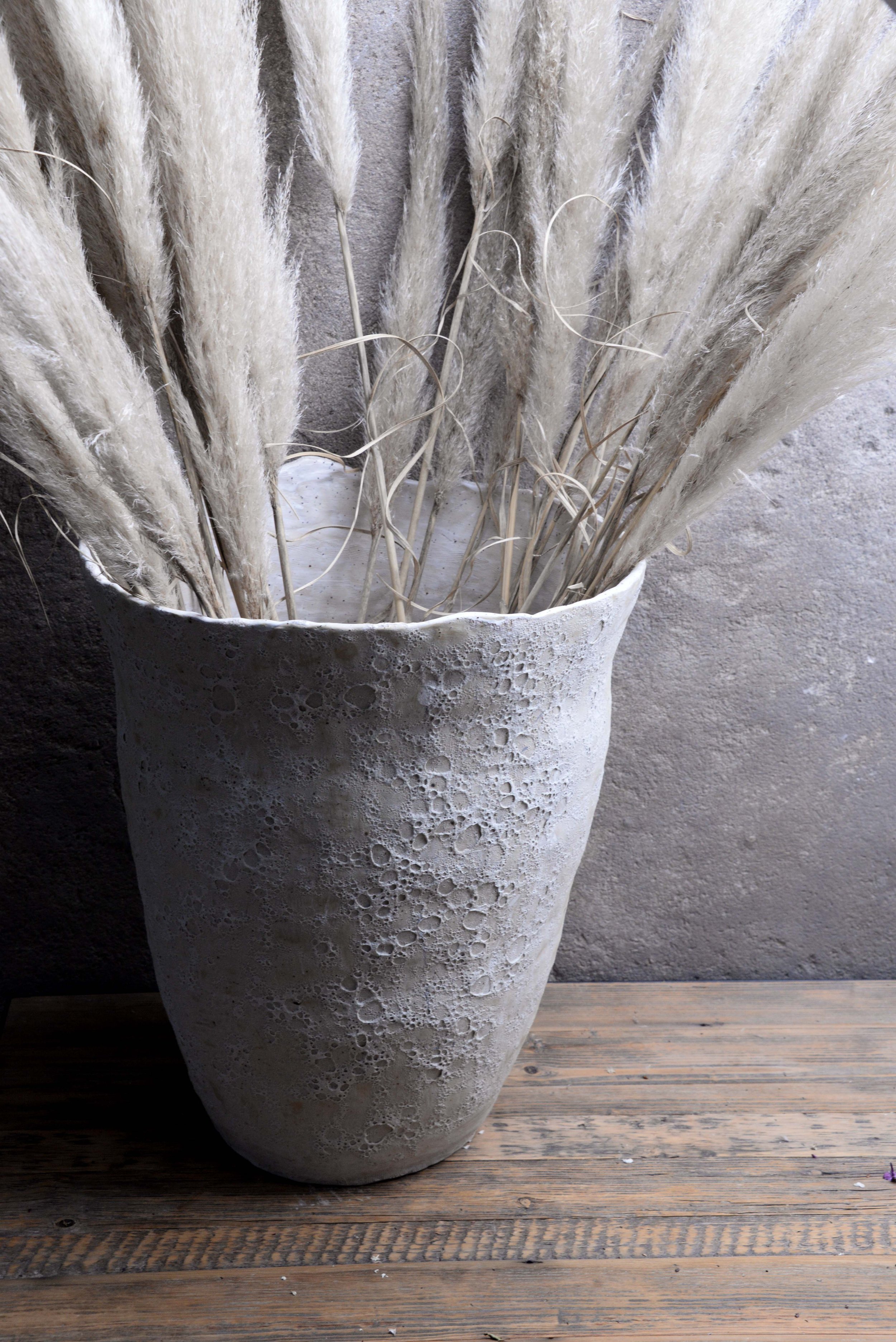
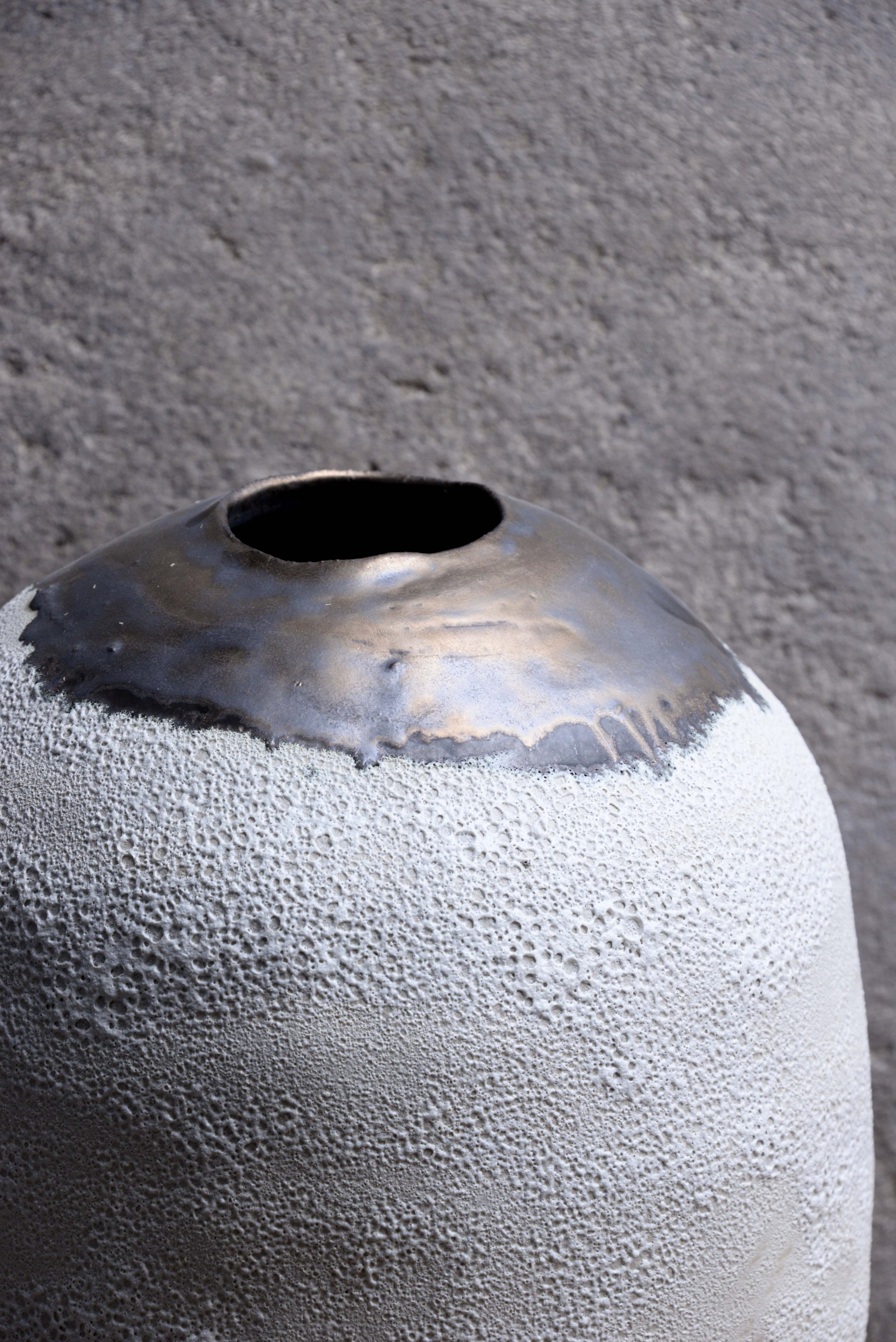
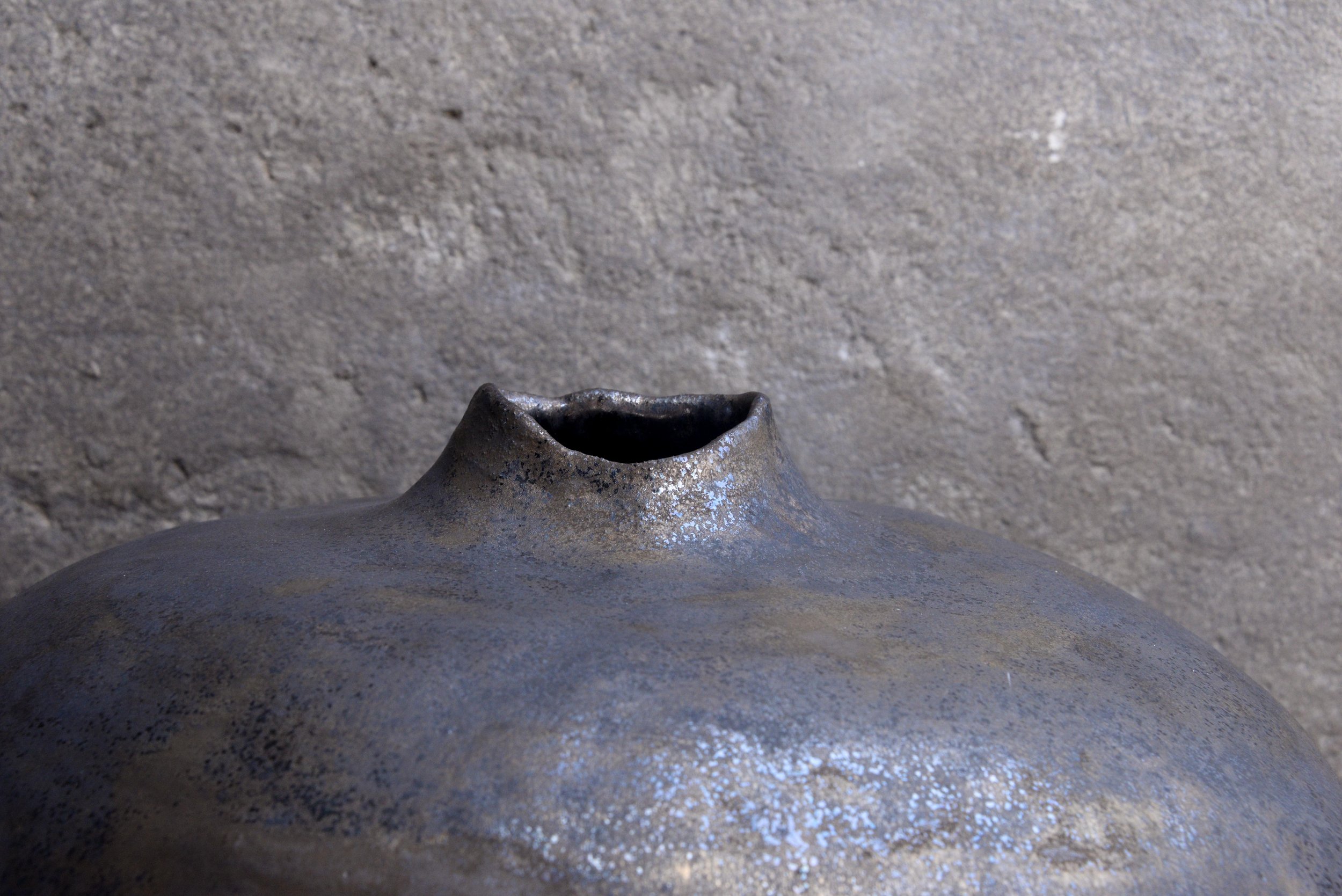
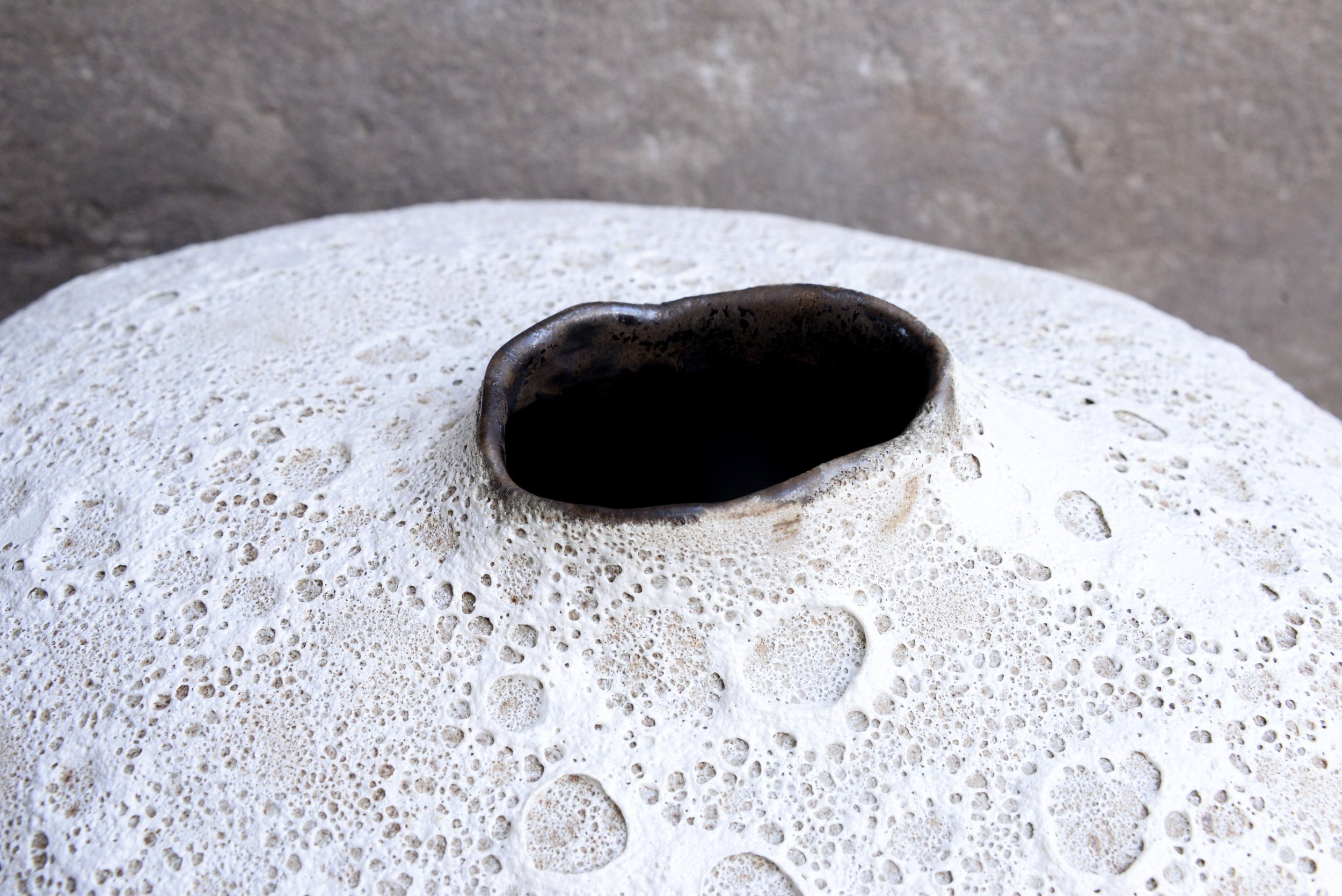
I work using my signature surfaces: metallic matte bronze and volcanic crater-lava glaze, as well as layered combinations of the two — allowing interaction, contrast, and tension between refined metallic calm and eruptive, primal texture.
This combination mirrors the duality at the heart of my work: control and surrender, structure and chaos, precision and rupture.
The Science Behind Volcanic & Crater Glazes
Crater glazes, volcanic glazes, and “lava” glazes all refer to the same dramatic ceramic phenomenon — a surface shaped by trapped gases and their eventual violent escape.
As ceramicist and glaze researcher Charles Oller explains:
“Crater glazes, volcanic glazes, or ‘fat lava’ glazes - all terms for the same effect within ceramic glazes, have existed since nearly the inception of firing clay to a glassy surface. These terms all refer to the common phenomenon in which gasses accumulate beneath the surface of the glaze during the firing process, eventually bursting through the surface and creating an effect similar to moon craters - with the severity of this effect being dependent upon at what point in the firing cycle the release of gasses occurred.
Silicon carbide is typically the ingredient used in contemporary crater glazes, however other substances, such as cryolite or reactions releasing gas during the firing, can also rupture the surface.”
Technically speaking, volcanic glazes rely on:
Gas-producing materials (commonly silicon carbide)
Thick application
High-temperature firings (usually cone 6–10)
Controlled cooling cycles
As the kiln temperature rises, silicon carbide oxidises and releases carbon dioxide gas. When this gas becomes trapped beneath a molten glaze layer, pressure builds until the glaze ruptures, forming blistered voids, craters, and lava-like flows. Timing is crucial: early rupture creates soft, rounded craters; late rupture produces sharper, more dramatic formations.
The result is a surface that feels eerily geological — like the crust of a dormant volcano or the scarred terrain of a lunar landscape.
Historical Roots: From Modernism to Material Alchemy
While volcanic glaze effects have technically existed since early high-temperature firings, their artistic potential was fully realised in the 20th century, particularly through the pioneering work of Lucie Rie and Otto Natzler.
Otto and Gertrud Natzler experimented extensively with glaze chemistry, pushing beyond decorative finishes into expressive material landscapes. Their crater and lava glazes transformed vessels into visceral geological objects, blurring the line between function and sculpture.
Lucie Rie, though more restrained in surface vocabulary, brought an elegant modernist sensitivity to texture and form, laying the groundwork for contemporary ceramicists to explore surface as a primary language.
Through their legacy, volcanic glazes have become a means of expressing:
Time
Pressure
Natural forces
Imperfection
Material truth
Today, ceramic artists around the world continue this exploration, using scientific understanding to choreograph chaos — embracing unpredictability as a collaborator rather than a flaw.
Dialogue Between Form and Eruption
By pairing volcanic-crater glaze with metallic matte bronze, I explore contrast not only visually but philosophically:
Stillness vs eruption
Refinement vs rawness
Human order vs geological instinct
The large coiled forms invite the viewer to move around them — to experience shifting horizons, depth, shadow, and tactile rhythm. Each crater becomes a record of a moment in the kiln, a breath of fire frozen in time.
No two firings are ever identical. Each piece remains a negotiation between my intention and the will of the elements.
Beyond Decoration: Surface as Narrative
Volcanic glazes are not merely aesthetic. They tell stories — of ancient earth processes, of transformation, of endurance. They hold the memory of heat and mineral alchemy, inviting the viewer into a sensory dialogue with the primal forces embedded in matter.
In this work, I am not seeking perfection. I am seeking honesty. Texture. Presence. A surface that breathes.