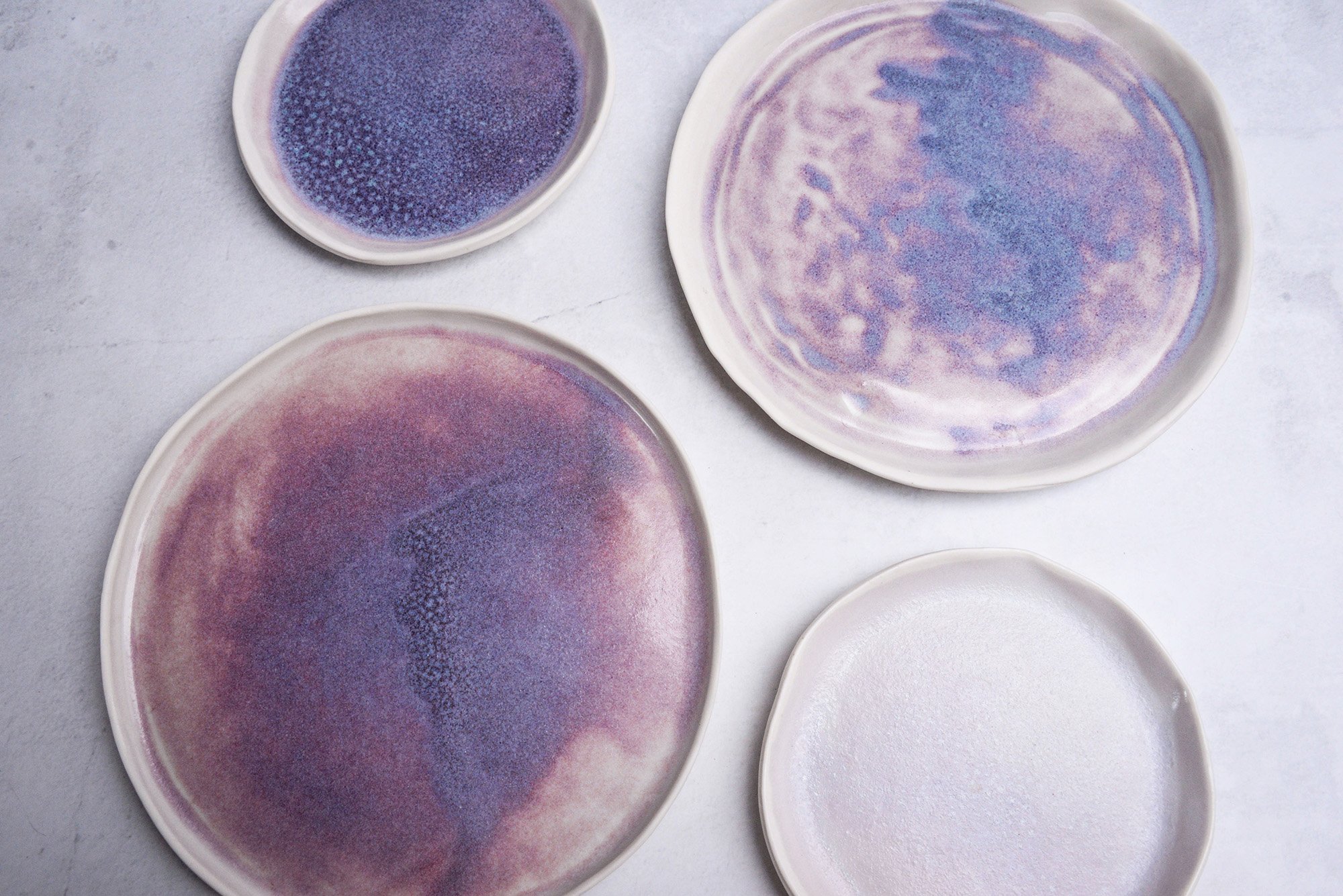
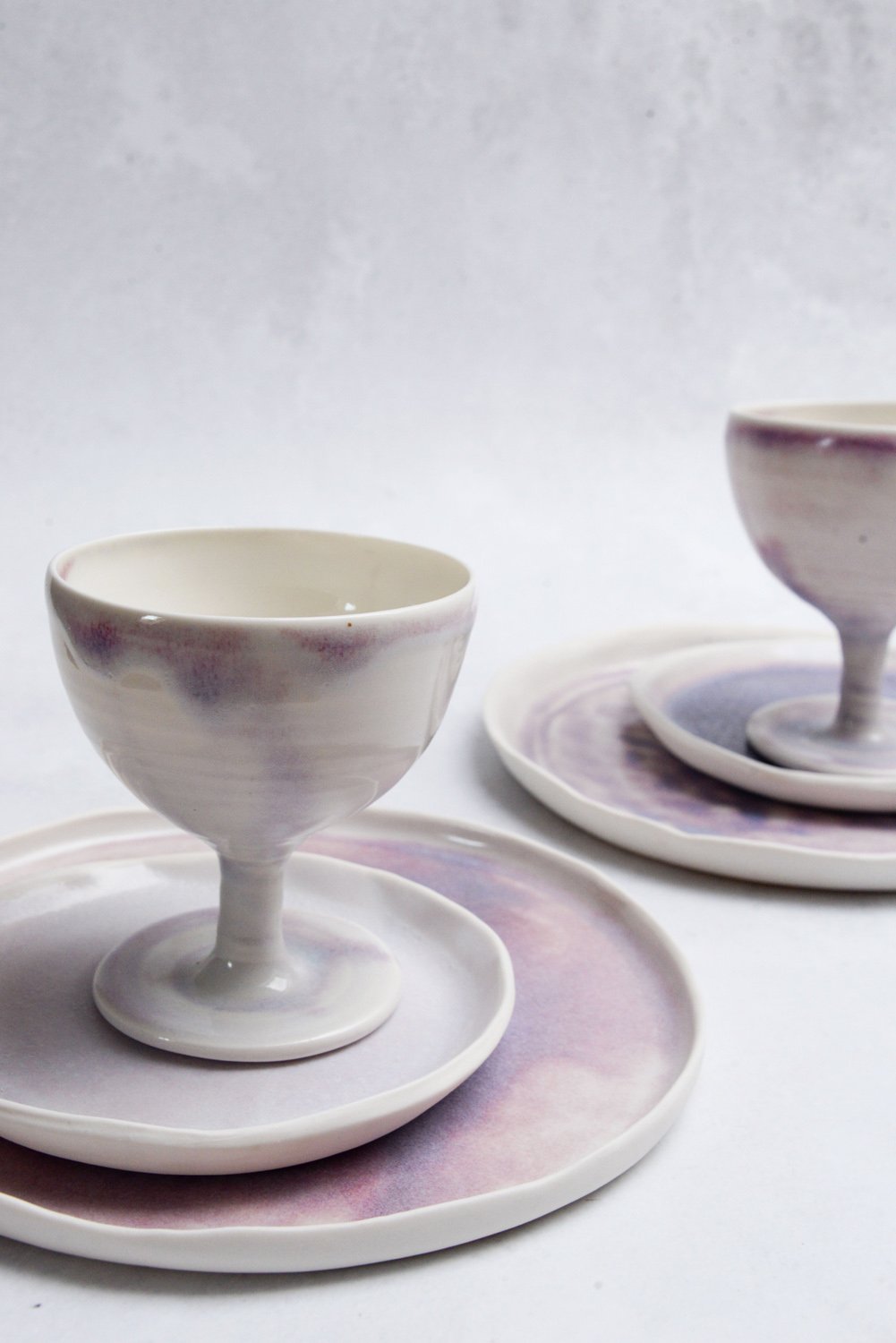
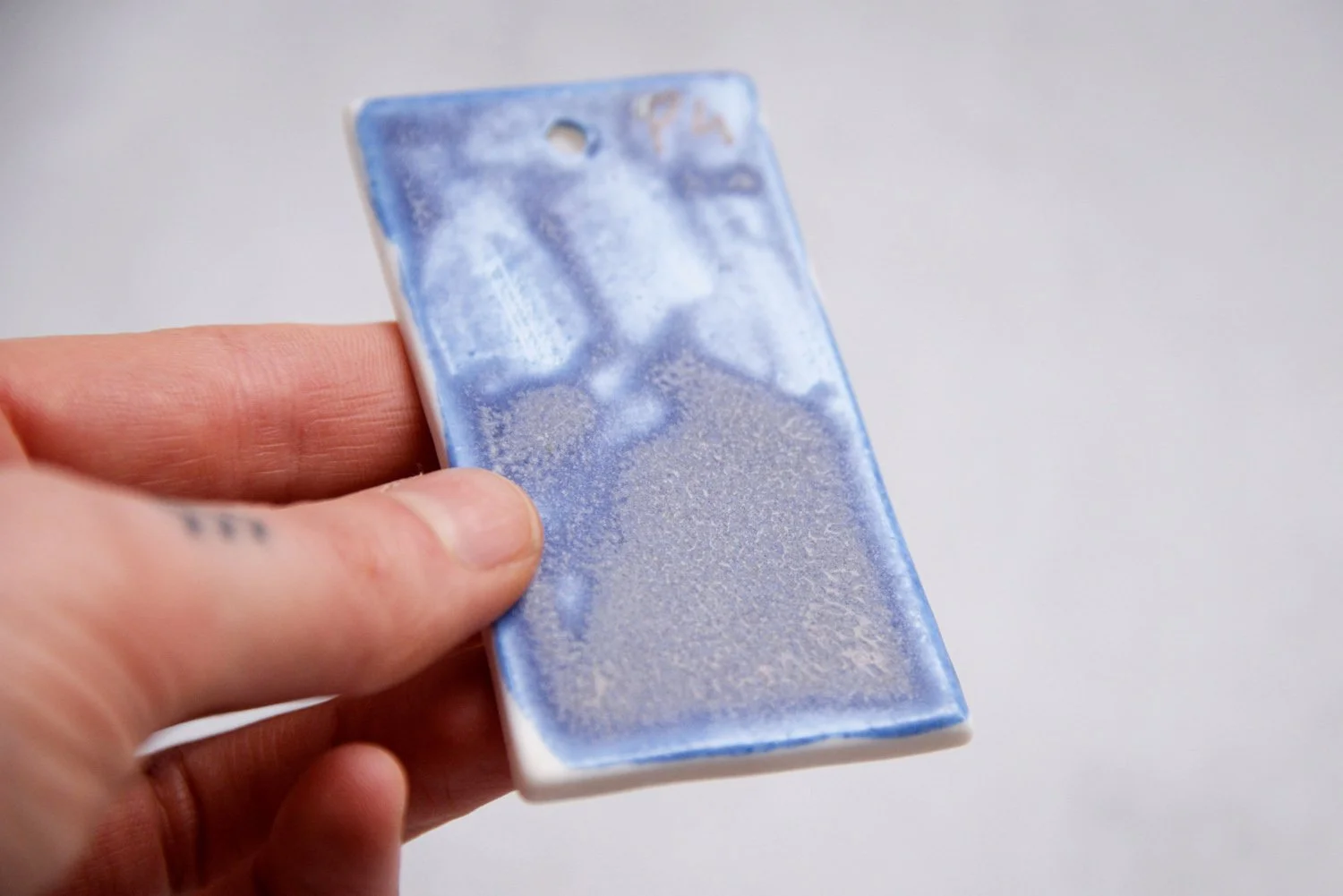
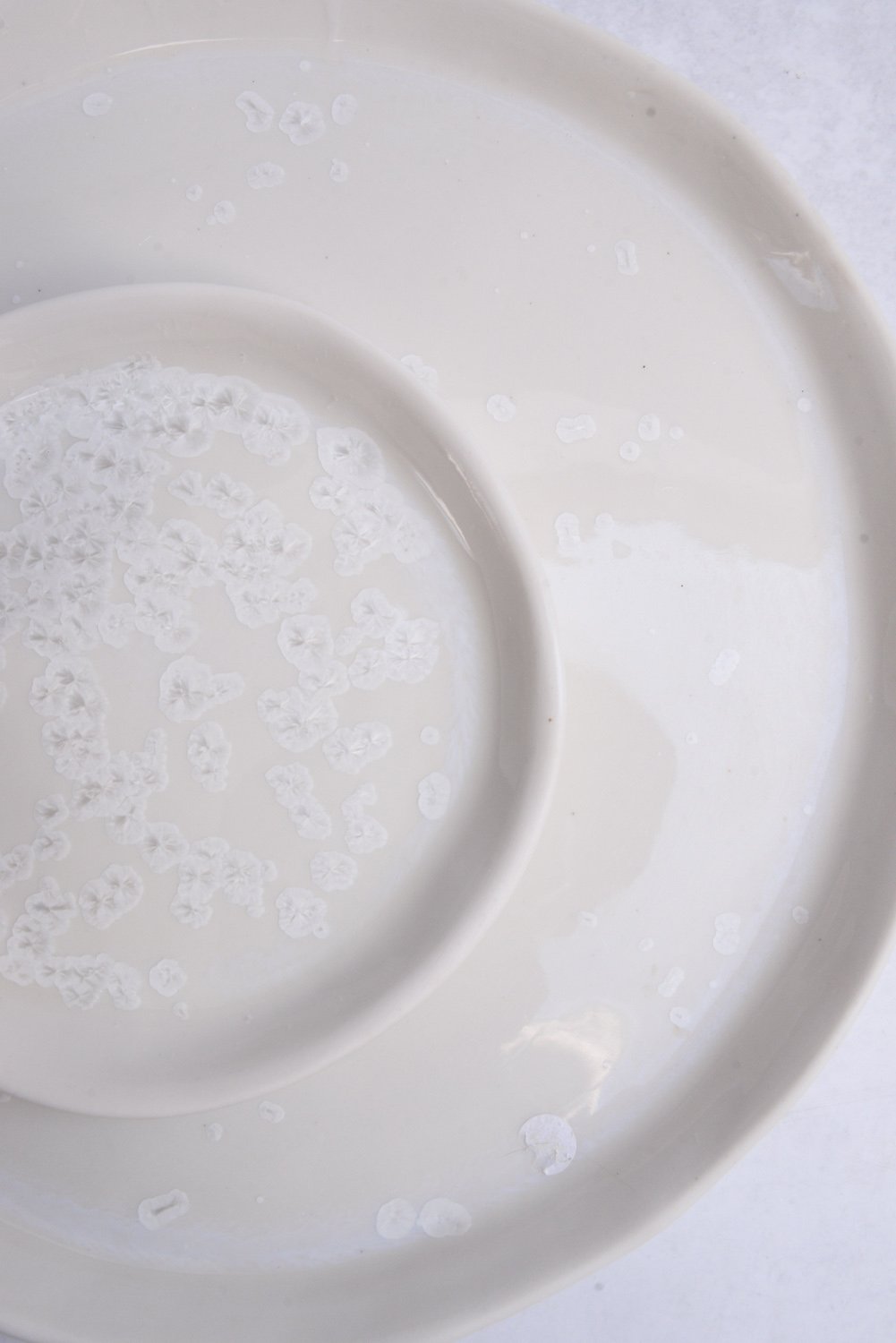
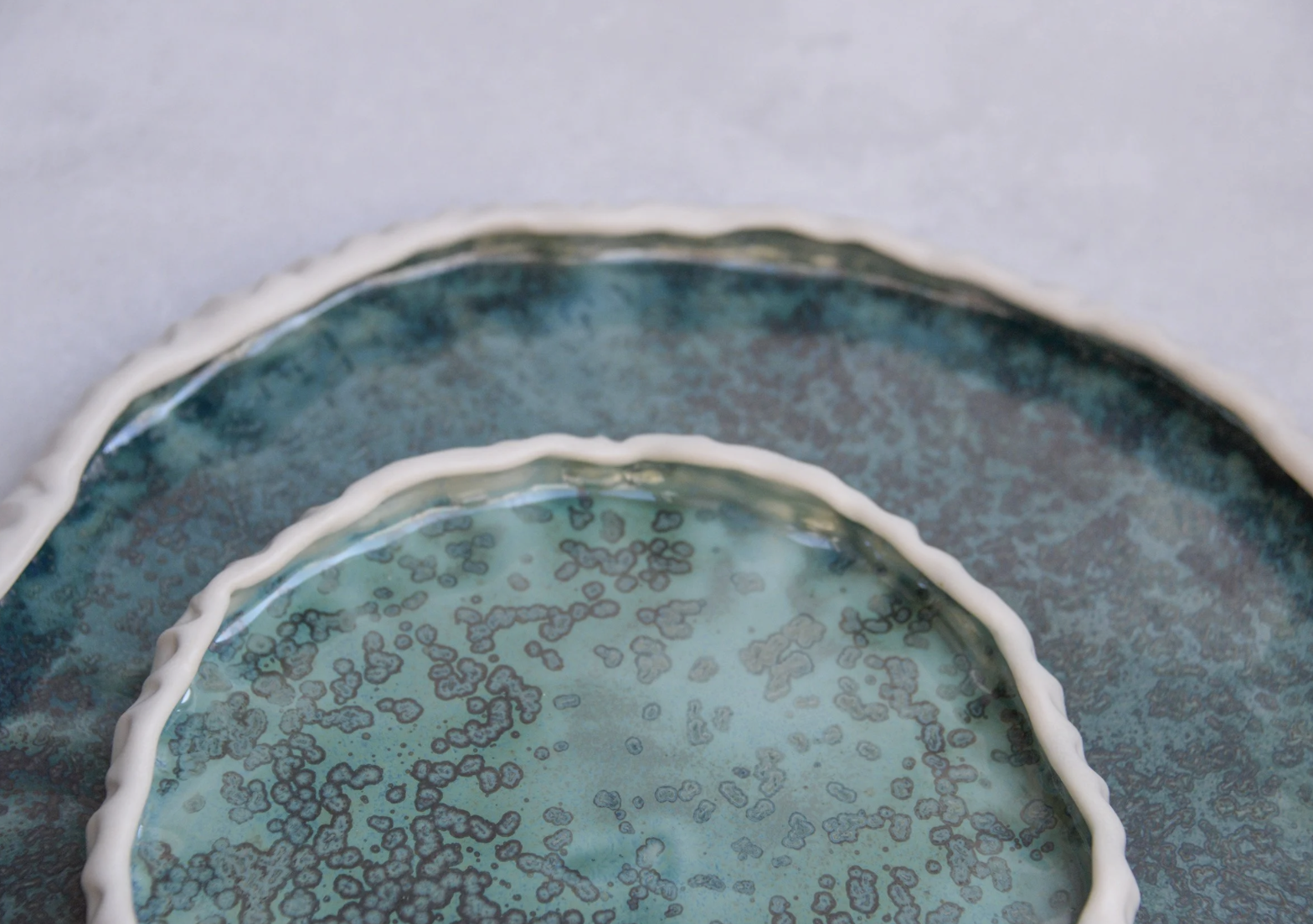
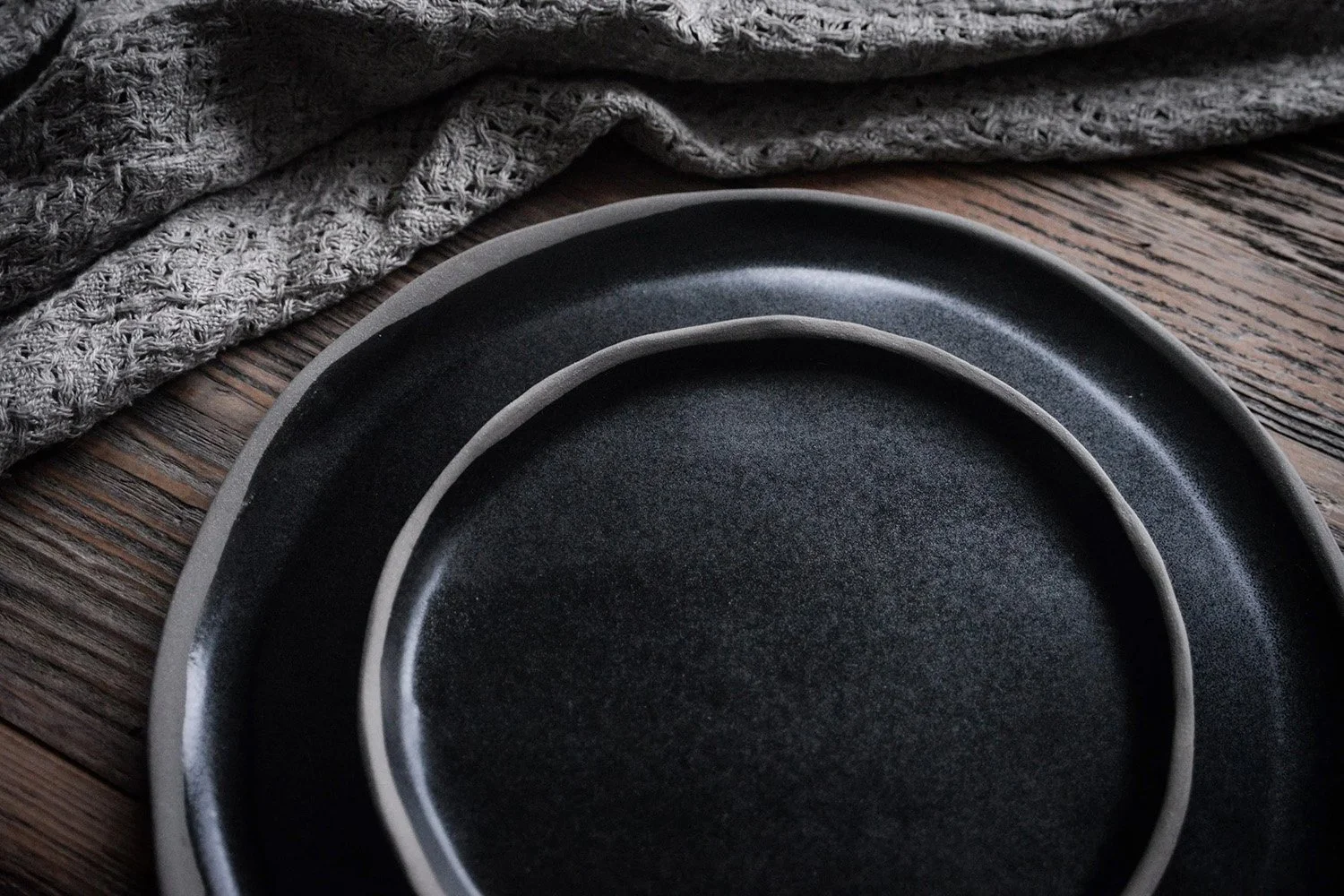
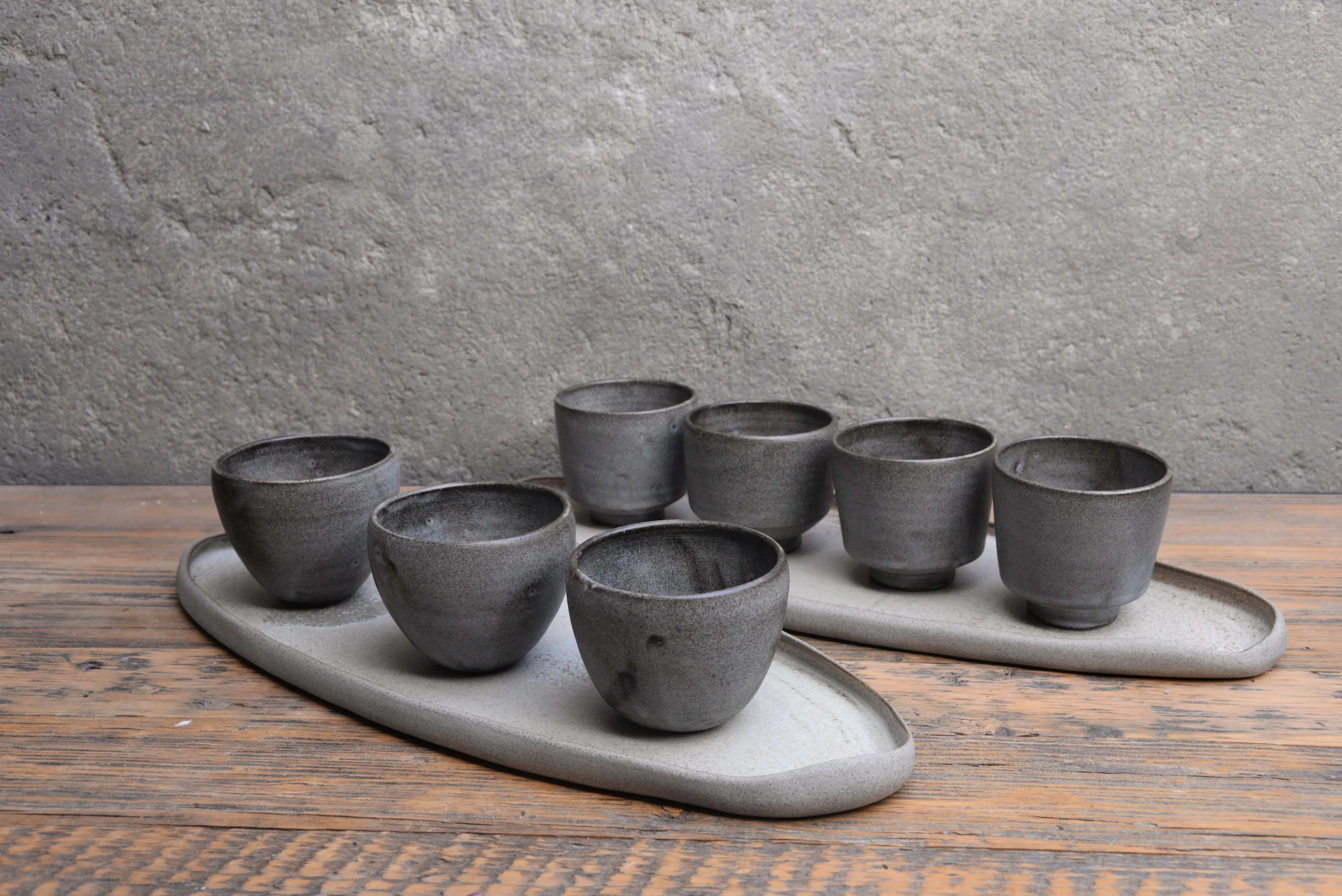
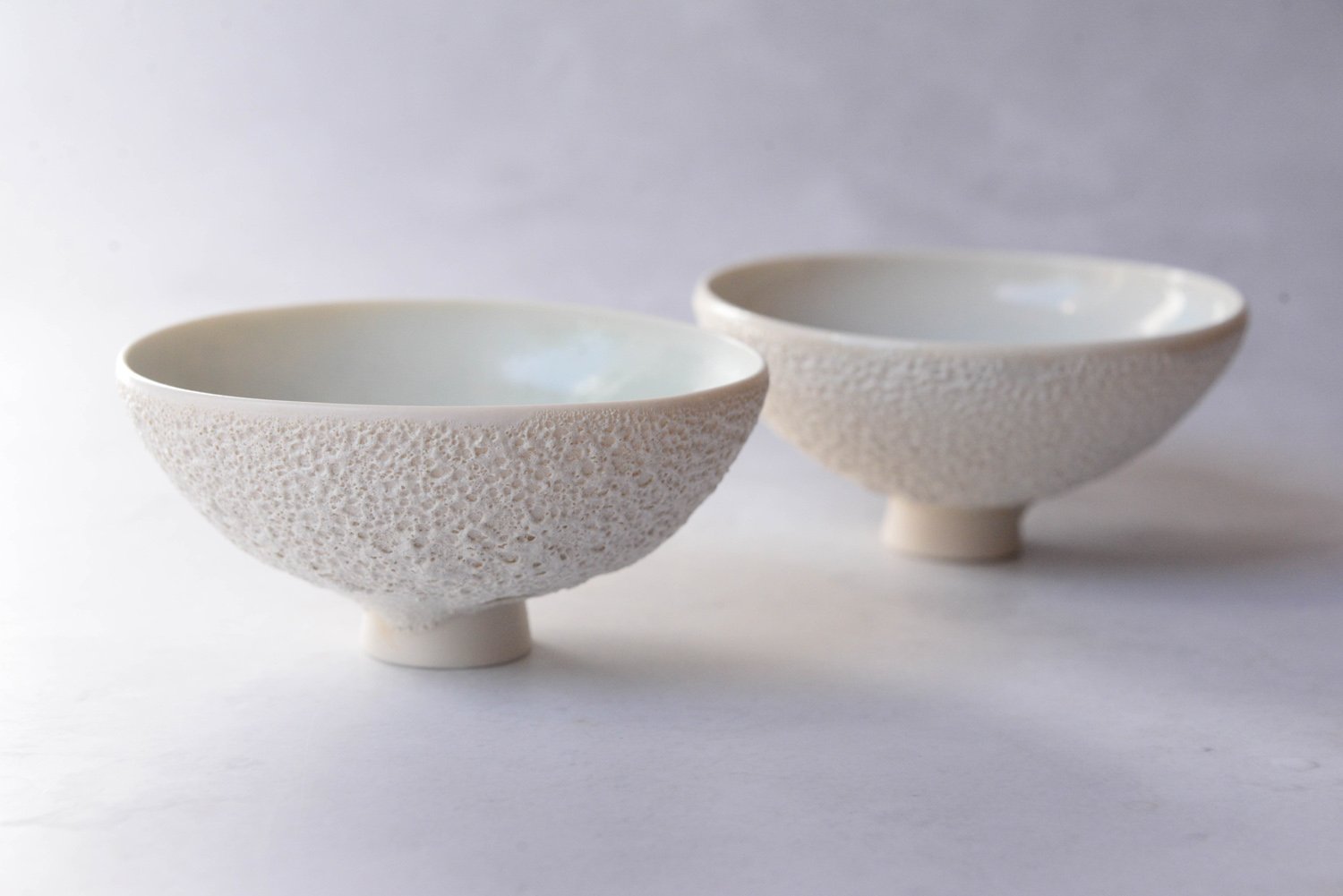
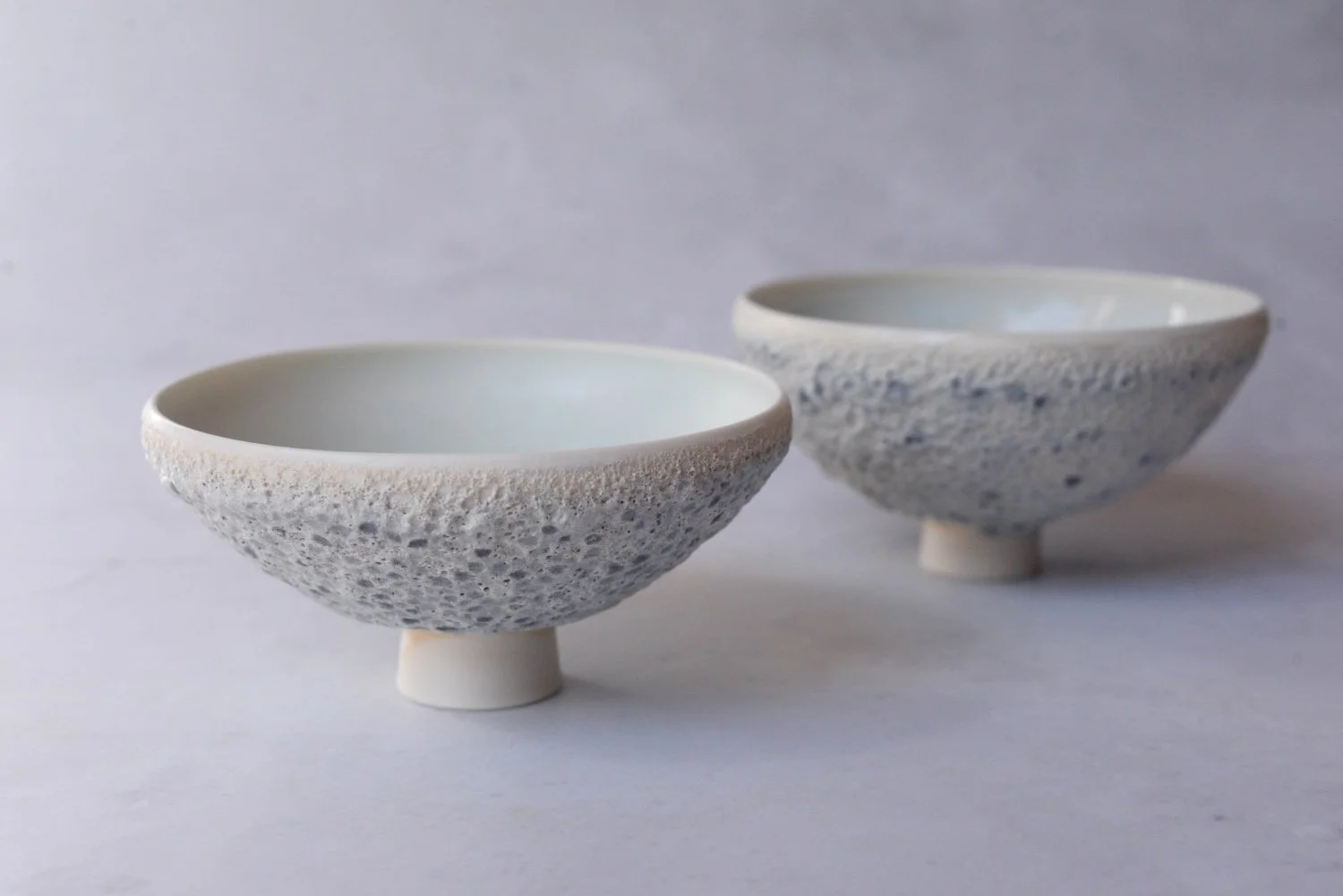
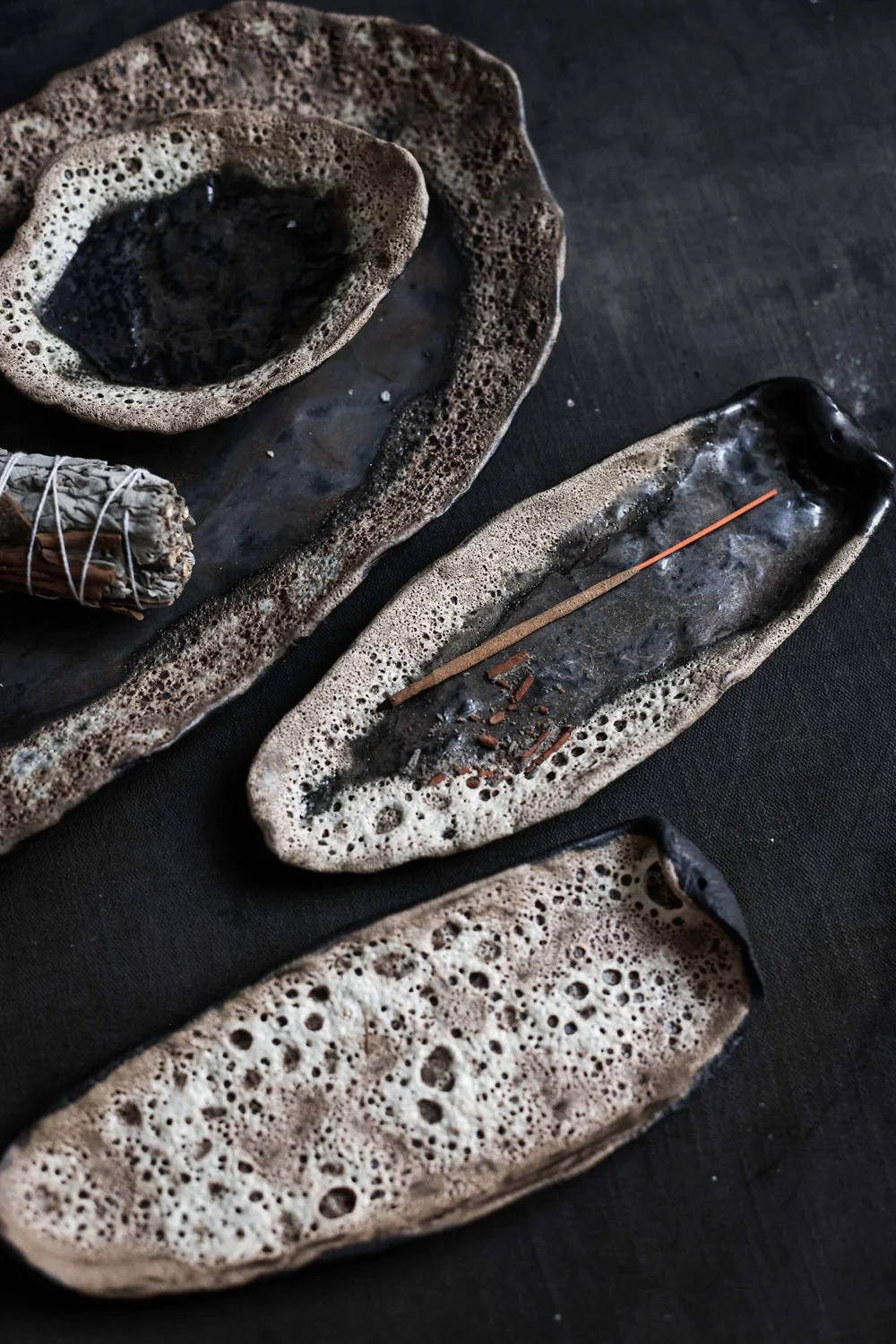
This volume features 14 tried-and-true stoneware glaze recipes, developed through years of studio testing. Inside you’ll find a wide range of surfaces — from matte to glossy whites, warm rust glazes, turquoise, purple, blue, and multiple nuanced greens. See all the glazes included in the picture gallery.
Perfect for potters looking to build a reliable stoneware glaze palette for oxidation firing.
Firing Range
Cone 7–10
1240–1300°C / 2264–2372°F (oxidation, electric firing)
FAQ — Will These Glazes Work on Porcelain?
Yes — some of them absolutely can.
However, all examples shown in the eBook are fired on stoneware, so colour, texture, and melt may differ on porcelain. Testing is always recommended when changing clay bodies.
This volume features 14 tried-and-true stoneware glaze recipes, developed through years of studio testing. Inside you’ll find a wide range of surfaces — from matte to glossy whites, warm rust glazes, turquoise, purple, blue, and multiple nuanced greens. See all the glazes included in the picture gallery.
Perfect for potters looking to build a reliable stoneware glaze palette for oxidation firing.
Firing Range
Cone 7–10
1240–1300°C / 2264–2372°F (oxidation, electric firing)
FAQ — Will These Glazes Work on Porcelain?
Yes — some of them absolutely can.
However, all examples shown in the eBook are fired on stoneware, so colour, texture, and melt may differ on porcelain. Testing is always recommended when changing clay bodies.

 Image 1 of 20
 Image 2 of 20
 Image 3 of 20
 Image 4 of 20
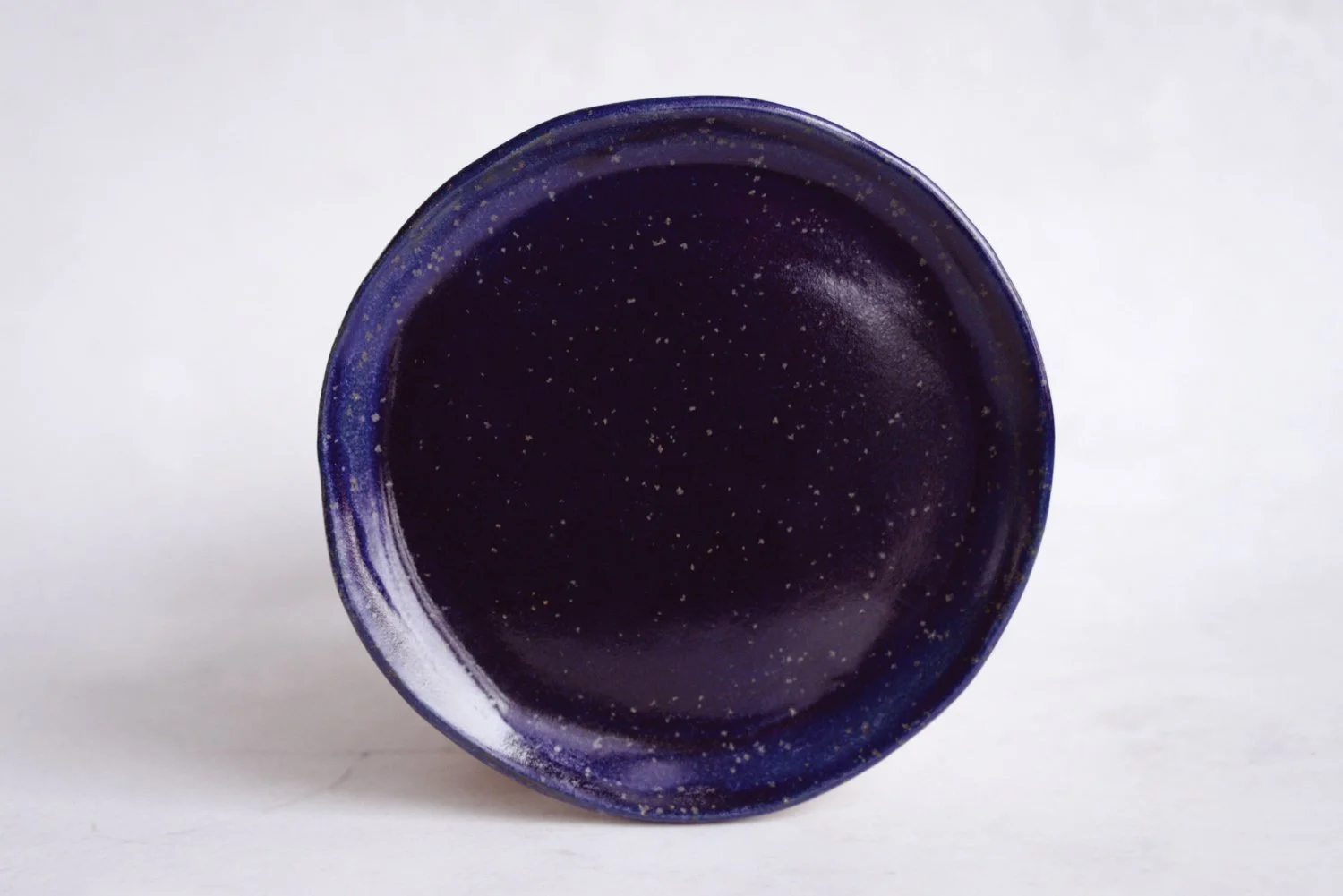 Image 5 of 20
 Image 6 of 20
 Image 7 of 20
 Image 8 of 20
 Image 9 of 20
 Image 10 of 20
 Image 11 of 20
 Image 12 of 20
 Image 13 of 20
 Image 14 of 20
 Image 15 of 20
 Image 16 of 20
 Image 17 of 20
 Image 18 of 20
 Image 19 of 20
 Image 20 of 20