 Image 1 of 2
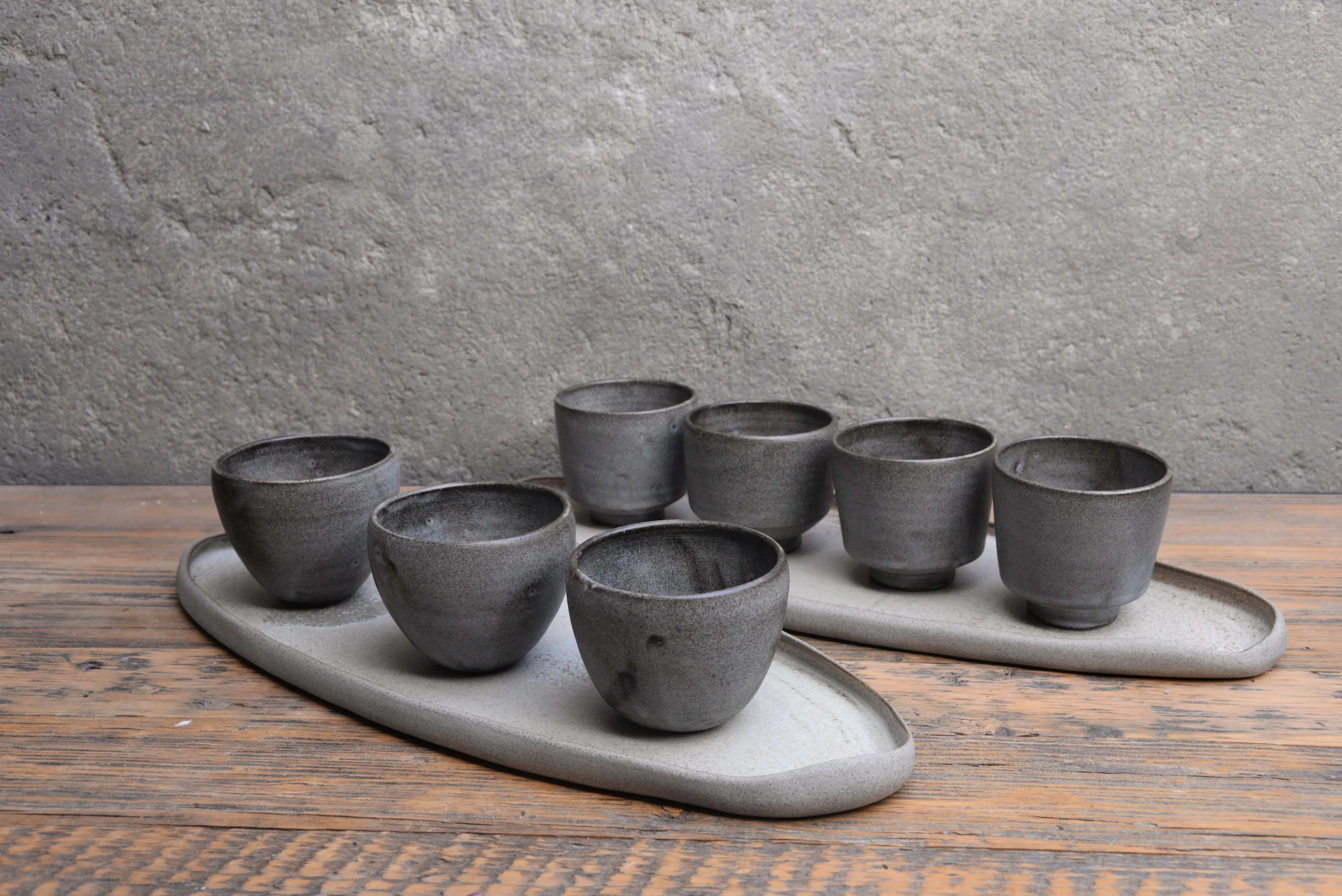 Image 2 of 2
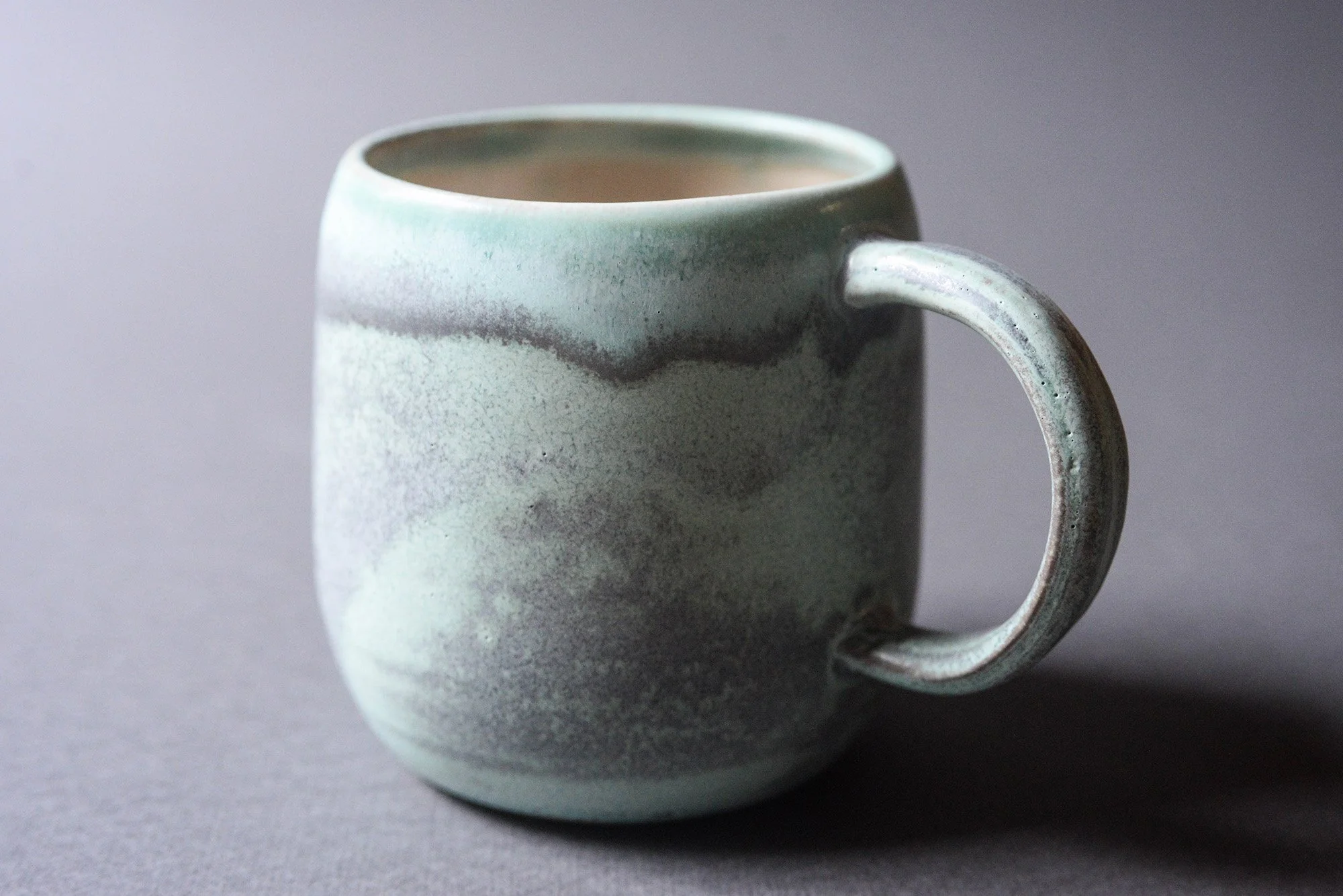
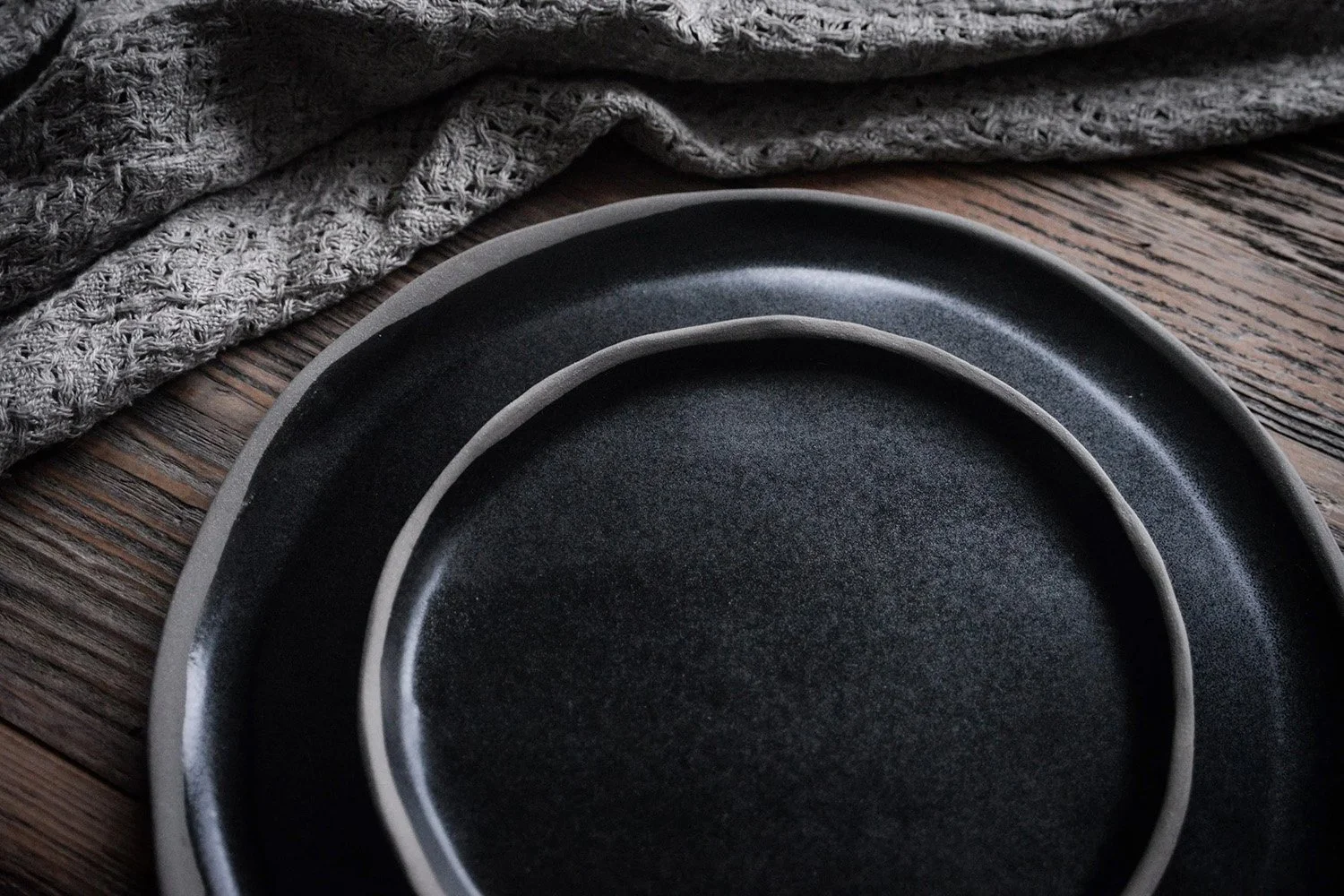
This e-book presents single foundational studio glaze for the SATIN BLACK glaze seen in picture one.
Once you purchase a glaze recipe, you will receive a secure link via email which will allow you to download a PDF file with the information you need to reproduce the glaze, including a recipe, a firing schedule, and some notes.
Lead-free • Cadmium-free
Suitable for high-fired stoneware and porcelain.
1240–1280°C (2264–2336°F)
Cone 7–9
Photo 1:
Satin Black glaze on its own on grey stoneware.
Photo 2:
White glaze from this EBOOK layered on top of black (applied with 1-minute interval).
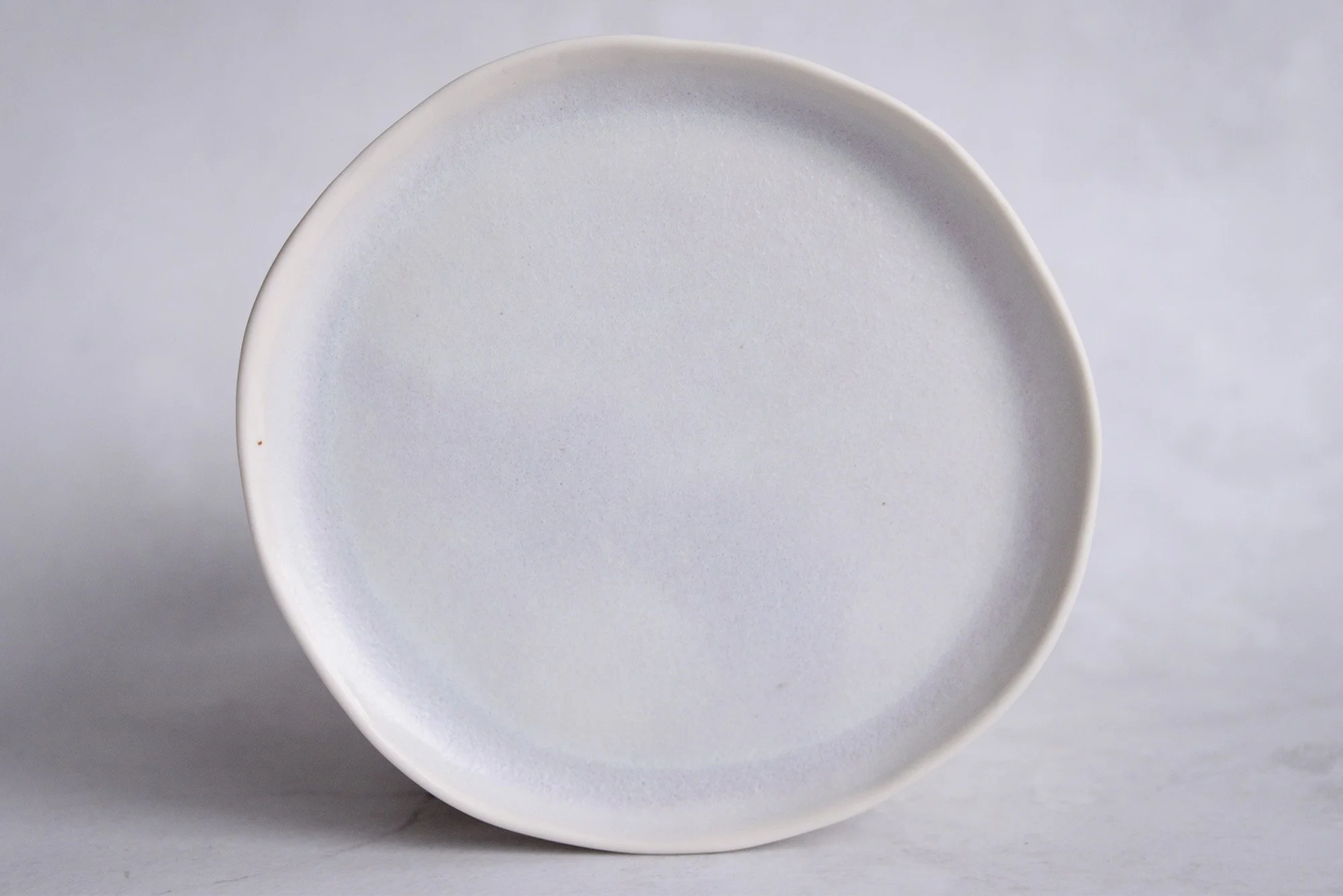
Have you been searching for years for that perfect grey glaze — the one with subtle variation, the right undertones, and just enough depth? Me too.
After hundreds of test tiles, a moment of serendipity:
What if… white over black?
And there it was — the beautifully varied grey you see in the photos.
Apply Satin Black first, then — within 1–2 minutes — apply the Matte White glaze on top.
Thickness matters:
• Thicker white layer → light blue-grey tones
• Very thin white layer → darker grey, sometimes shading toward brown-grey
Because both glazes should be mixed slightly thinner than usual, they interact fluidly and create the soft transitions and tonal variation seen in the samples.
Some light pinholing may occur; once dry, gently smooth with your fingers if needed.
FAQ: Can you layer another white glaze on top of the black?
Yes, of course — you’re very welcome to experiment with layering another white glaze on top of the black.
Do keep in mind that layering can give quite different results depending on the glaze combination. Some black and white pairings may break more brown, while others can shift more blue or grey, depending on the ingredients, thickness, and firing.
If you are testing, I’d definitely suggest trying a few variations side by side — for example thinner and thicker application — as that will give you the clearest idea of how the two glazes interact.
Start with 1:1 water-to-powder ratio. Aim for 1.45 Specific Gravity.
Sieve twice
If layering this glaze- adjust with small amounts of water until slightly thinner than your usual application consistency.
This e-book presents single foundational studio glaze for the SATIN BLACK glaze seen in picture one.
Once you purchase a glaze recipe, you will receive a secure link via email which will allow you to download a PDF file with the information you need to reproduce the glaze, including a recipe, a firing schedule, and some notes.
Lead-free • Cadmium-free
Suitable for high-fired stoneware and porcelain.
1240–1280°C (2264–2336°F)
Cone 7–9
Photo 1:
Satin Black glaze on its own on grey stoneware.
Photo 2:
White glaze from this EBOOK layered on top of black (applied with 1-minute interval).
Have you been searching for years for that perfect grey glaze — the one with subtle variation, the right undertones, and just enough depth? Me too.
After hundreds of test tiles, a moment of serendipity:
What if… white over black?
And there it was — the beautifully varied grey you see in the photos.
Apply Satin Black first, then — within 1–2 minutes — apply the Matte White glaze on top.
Thickness matters:
• Thicker white layer → light blue-grey tones
• Very thin white layer → darker grey, sometimes shading toward brown-grey
Because both glazes should be mixed slightly thinner than usual, they interact fluidly and create the soft transitions and tonal variation seen in the samples.
Some light pinholing may occur; once dry, gently smooth with your fingers if needed.
FAQ: Can you layer another white glaze on top of the black?
Yes, of course — you’re very welcome to experiment with layering another white glaze on top of the black.
Do keep in mind that layering can give quite different results depending on the glaze combination. Some black and white pairings may break more brown, while others can shift more blue or grey, depending on the ingredients, thickness, and firing.
If you are testing, I’d definitely suggest trying a few variations side by side — for example thinner and thicker application — as that will give you the clearest idea of how the two glazes interact.
Start with 1:1 water-to-powder ratio. Aim for 1.45 Specific Gravity.
Sieve twice
If layering this glaze- adjust with small amounts of water until slightly thinner than your usual application consistency.