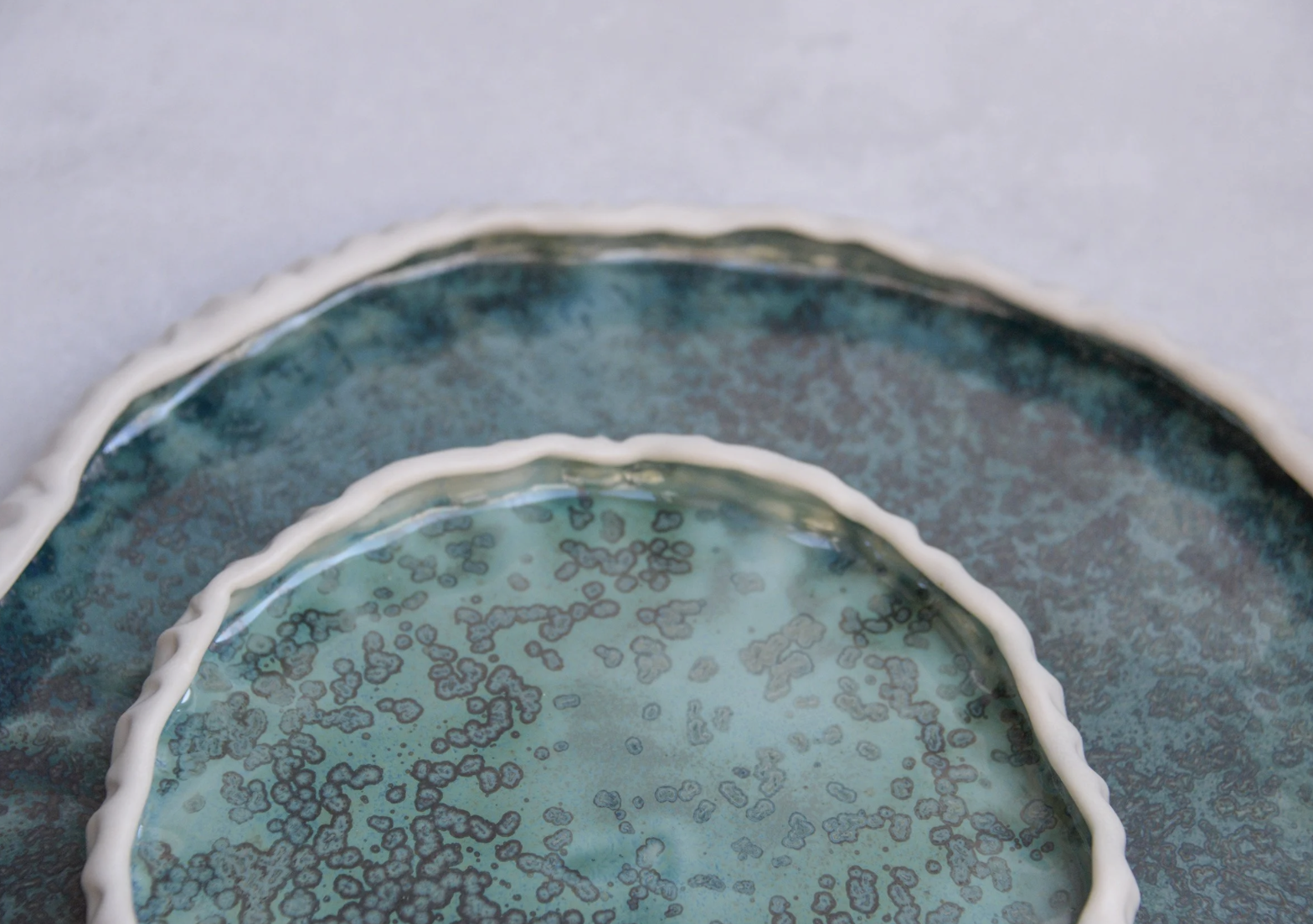
 Image 1 of 1
Once you purchase a glaze recipe, you will receive a secure link via email which will allow you to download a PDF file with the information you need to reproduce the glaze, including a recipe, a firing schedule, and some notes.
Lead-free • Cadmium-free
1240–1280°C (2264–2336°F)
Cone 7–9
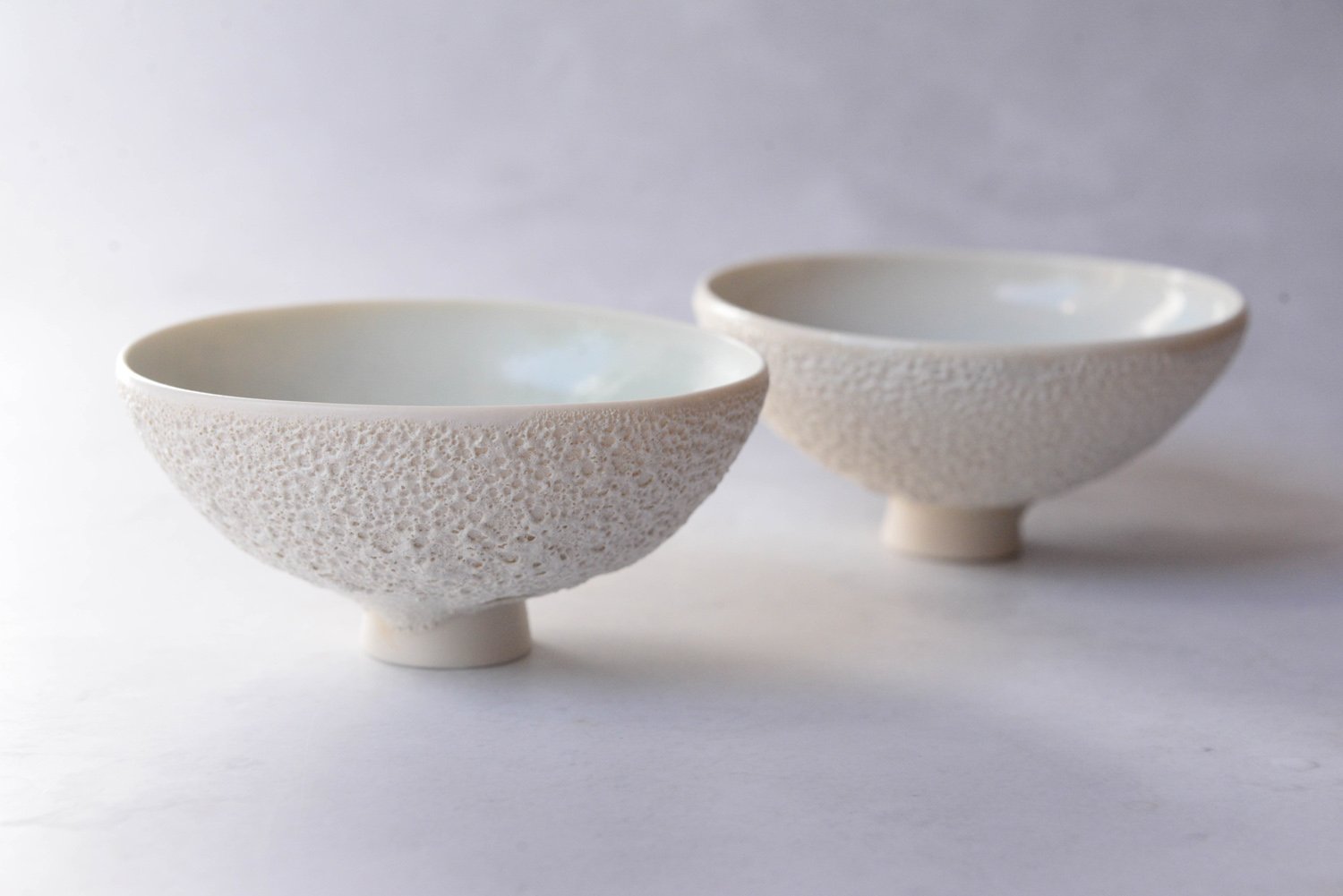
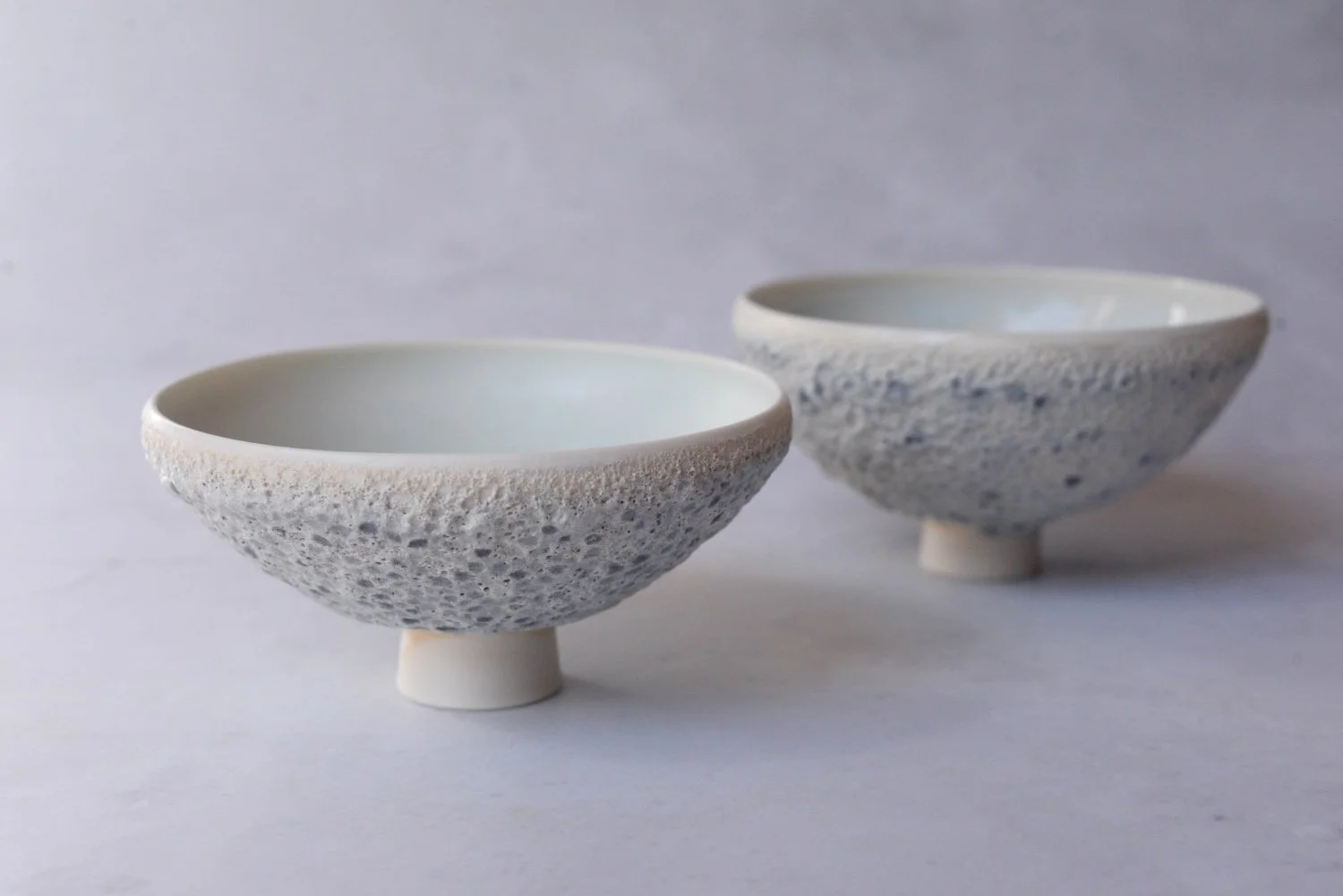
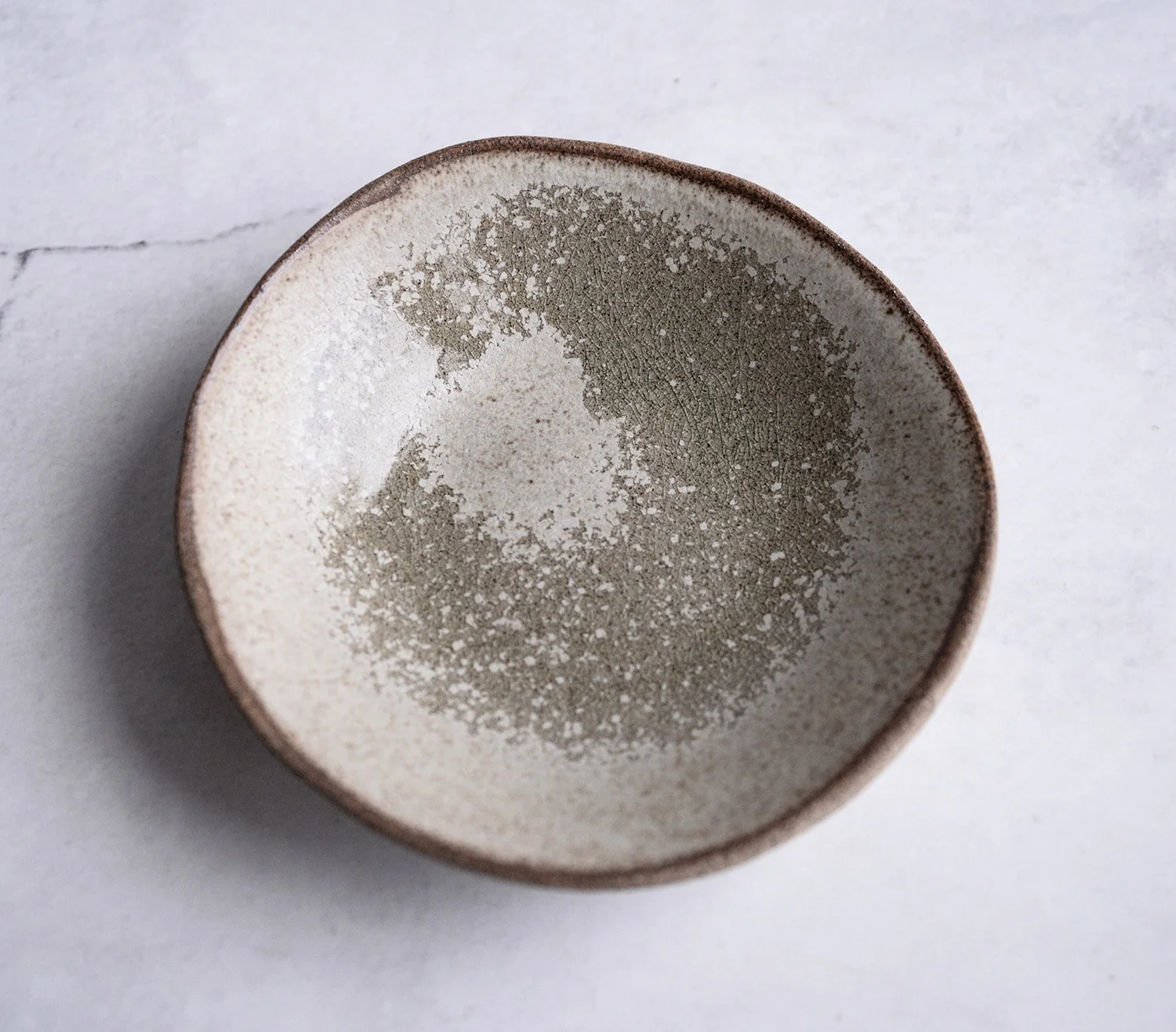
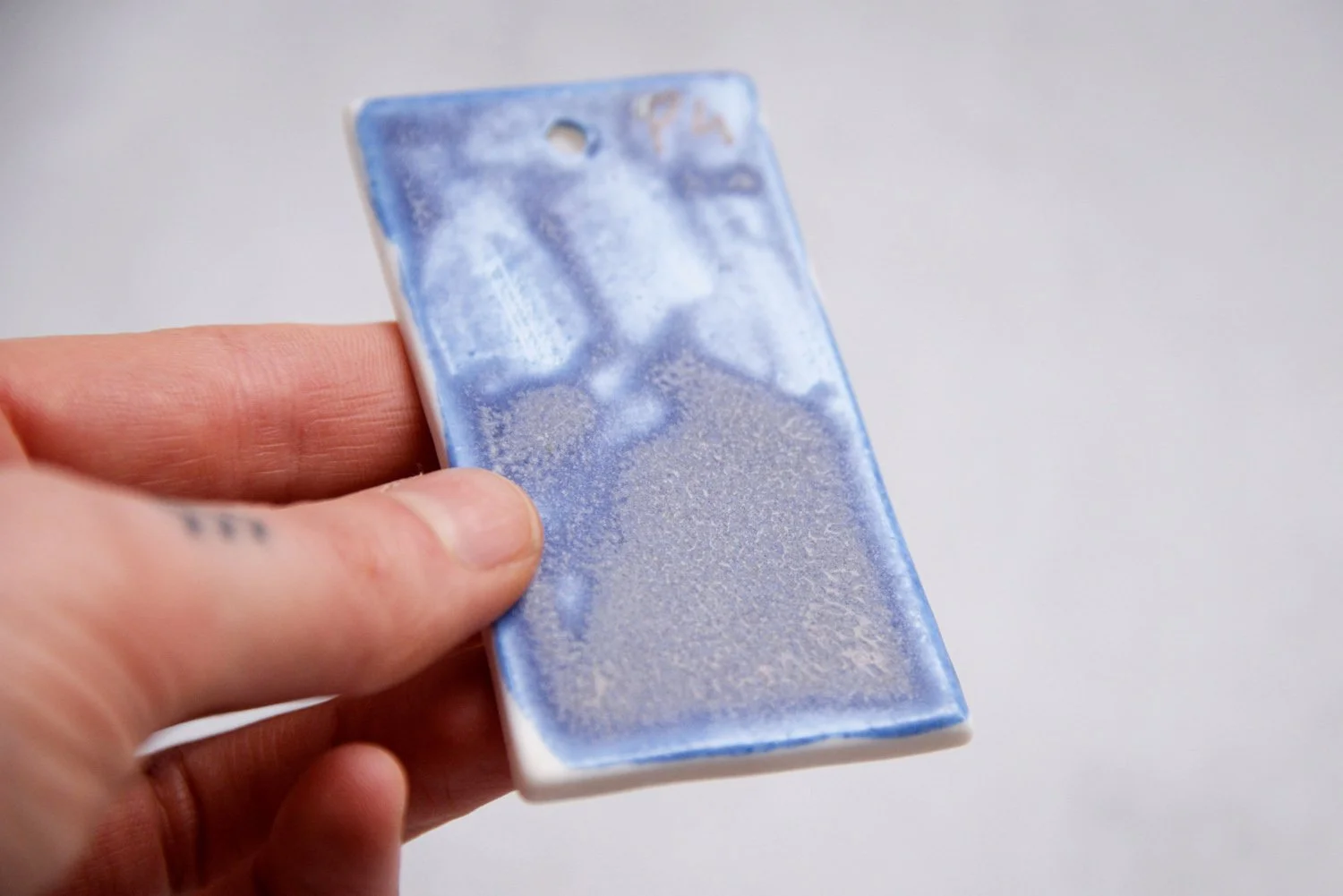
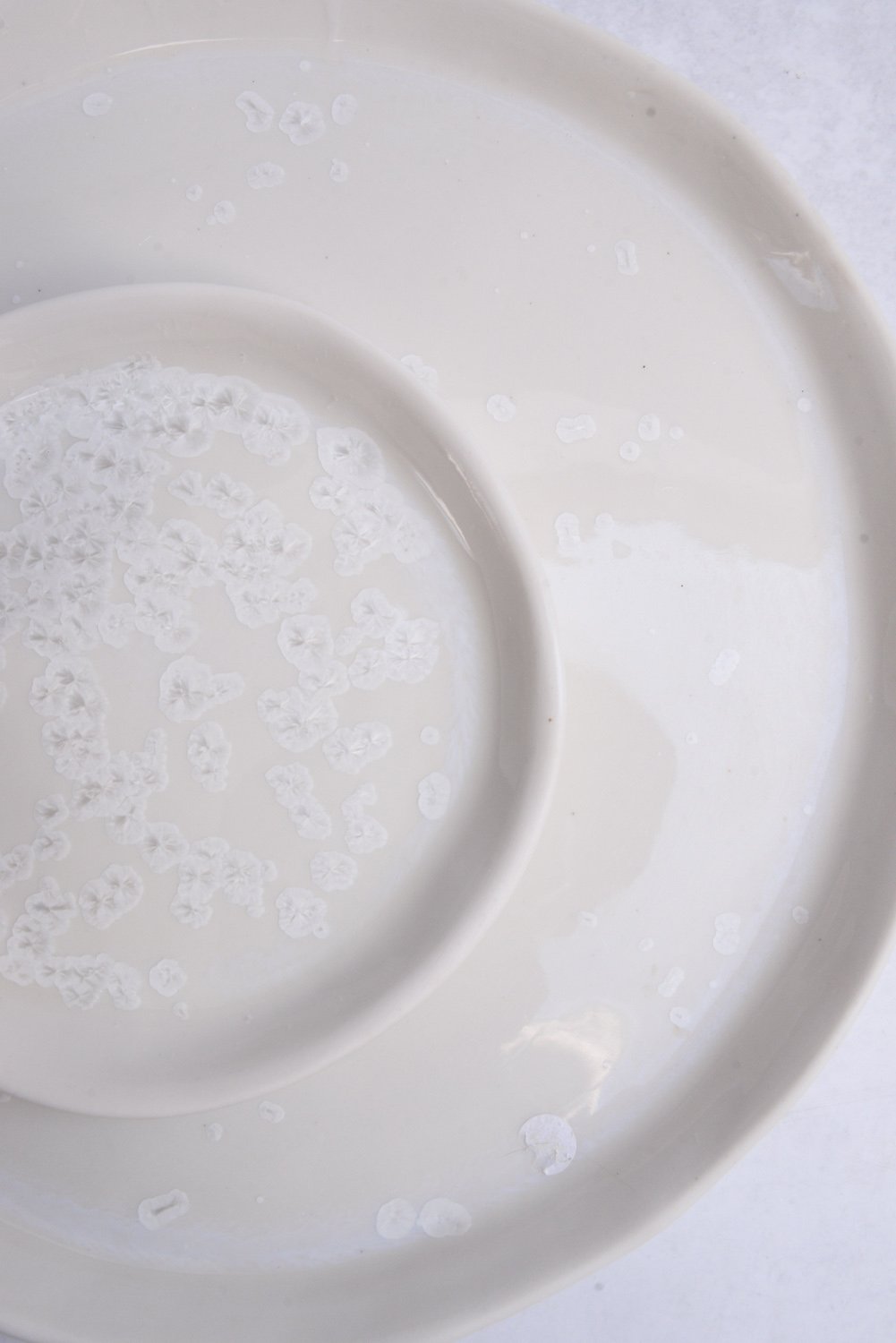
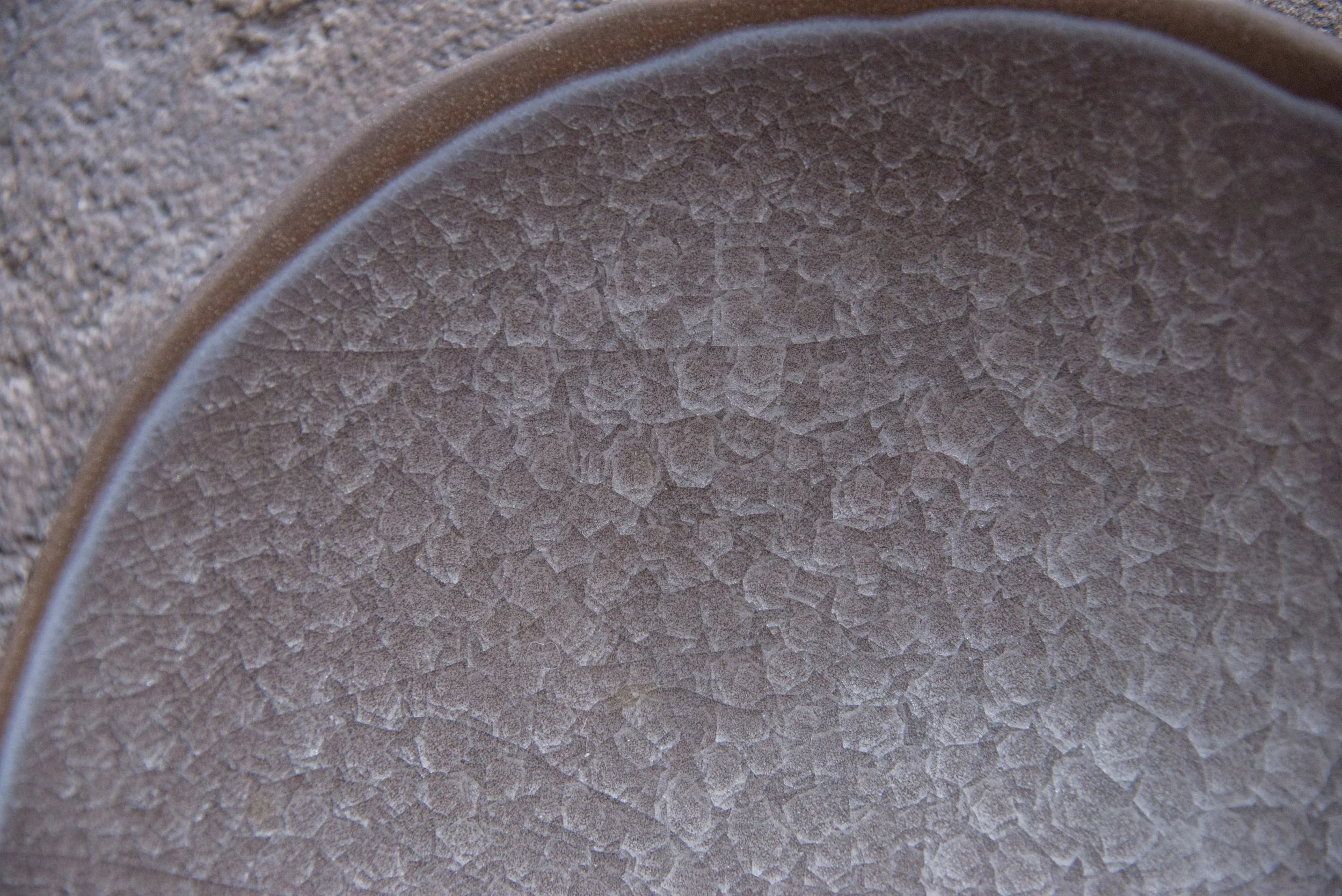
Snowflake crackle — also known as ice crackle, fish scale, or tortoise shell crackle — creates dramatic, lace-like networks of fine lines across the glaze surface. In traditional East Asian ceramics, particularly during China’s Song dynasty (10th–13th centuries), this effect was embraced as intentional beauty rather than flaw, celebrating time, tension, and natural change.
What sets snowflake crackle apart is its very thick application, often far heavier than a standard functional glaze. This depth allows layered crackle patterns to form, creating hexagonal, snowflake-like structures that feel almost geological and invite close observation.
Because this beauty comes from tension, a few considerations are important: glazing only one side of a piece can create uneven stress and may lead to warping or cracking as the piece cools. Crazed surfaces can also be harder to keep perfectly clean over long-term use, which is why many potters avoid them for everyday eating and drinking ware.
This glaze is lead- and cadmium-free and would pass standard food-safety tests. The question is less about chemistry and more about intended use and care.
Once you purchase a glaze recipe, you will receive a secure link via email which will allow you to download a PDF file with the information you need to reproduce the glaze, including a recipe, a firing schedule, and some notes.
Lead-free • Cadmium-free
1240–1280°C (2264–2336°F)
Cone 7–9
Snowflake crackle — also known as ice crackle, fish scale, or tortoise shell crackle — creates dramatic, lace-like networks of fine lines across the glaze surface. In traditional East Asian ceramics, particularly during China’s Song dynasty (10th–13th centuries), this effect was embraced as intentional beauty rather than flaw, celebrating time, tension, and natural change.
What sets snowflake crackle apart is its very thick application, often far heavier than a standard functional glaze. This depth allows layered crackle patterns to form, creating hexagonal, snowflake-like structures that feel almost geological and invite close observation.
Because this beauty comes from tension, a few considerations are important: glazing only one side of a piece can create uneven stress and may lead to warping or cracking as the piece cools. Crazed surfaces can also be harder to keep perfectly clean over long-term use, which is why many potters avoid them for everyday eating and drinking ware.
This glaze is lead- and cadmium-free and would pass standard food-safety tests. The question is less about chemistry and more about intended use and care.