Wholesale Avenues for Handmade Ceramics
Since opening my rural pottery studio in 2013, I’ve been asked the same question time and time again: How do you reach clients all over the world when you’re based in the middle of nowhere?
The honest answer? Mostly, they find me.
Over the years I’ve experimented with different selling platforms and channels, each with its own strengths and challenges. Below are the main avenues I use, along with my personal pros and cons for each.
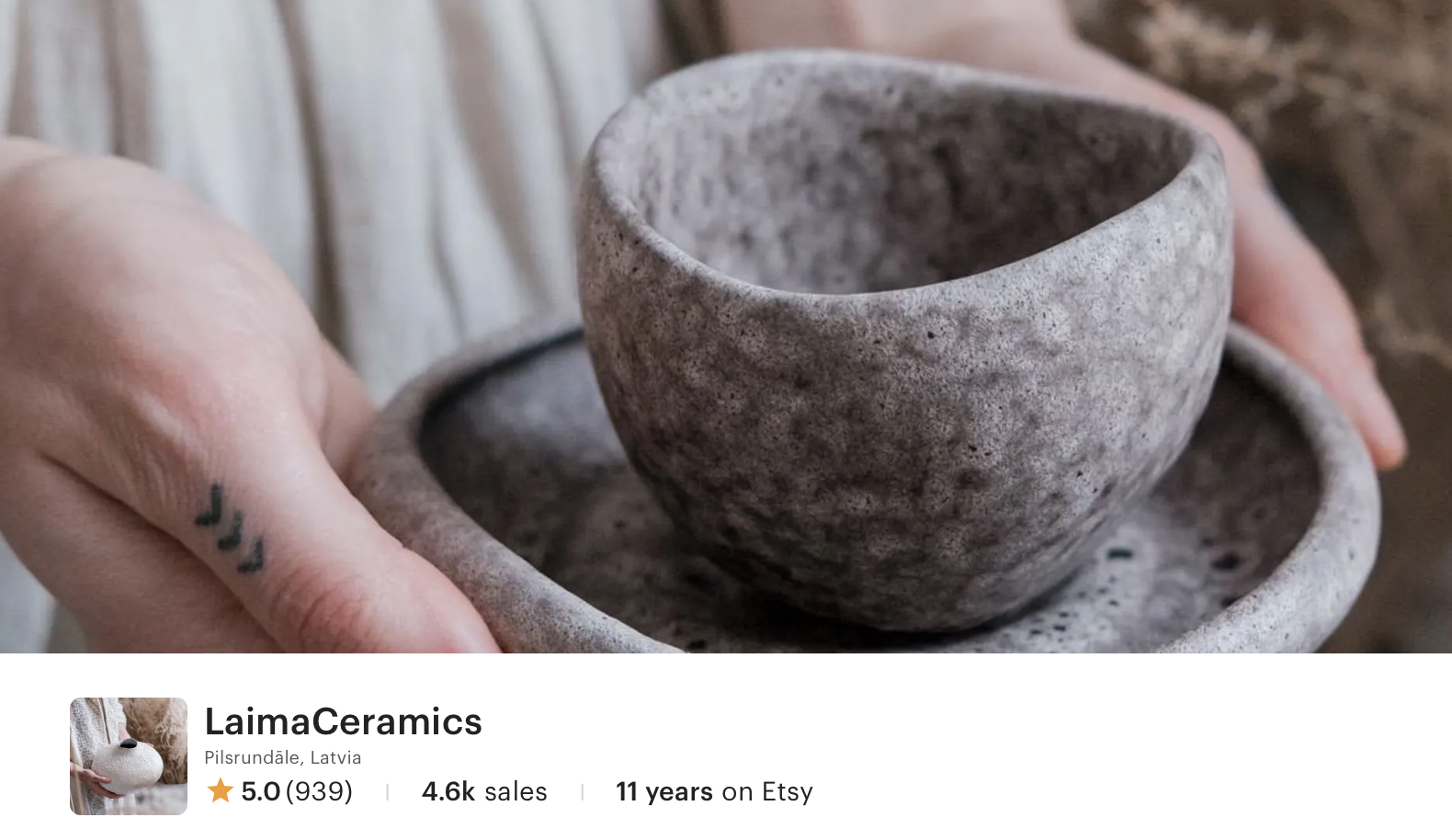
ETSY
Although Etsy is technically a retail platform (B2C – business to customer), it was my first real step into wholesale. I still regularly find that restaurants, galleries, and independent shops search for ceramic makers through Etsy.
Pros:
Extremely easy registration process
Low listing fee (€0.20 per item)
Commission averages around 10%
Large built-in audience actively looking for handmade work
Great starting point for beginners
Cons:
Primarily retail-focused
Increasing competition over the years
If you’re just starting out with ceramics, Etsy is by far the easiest and most accessible entry point into selling online.
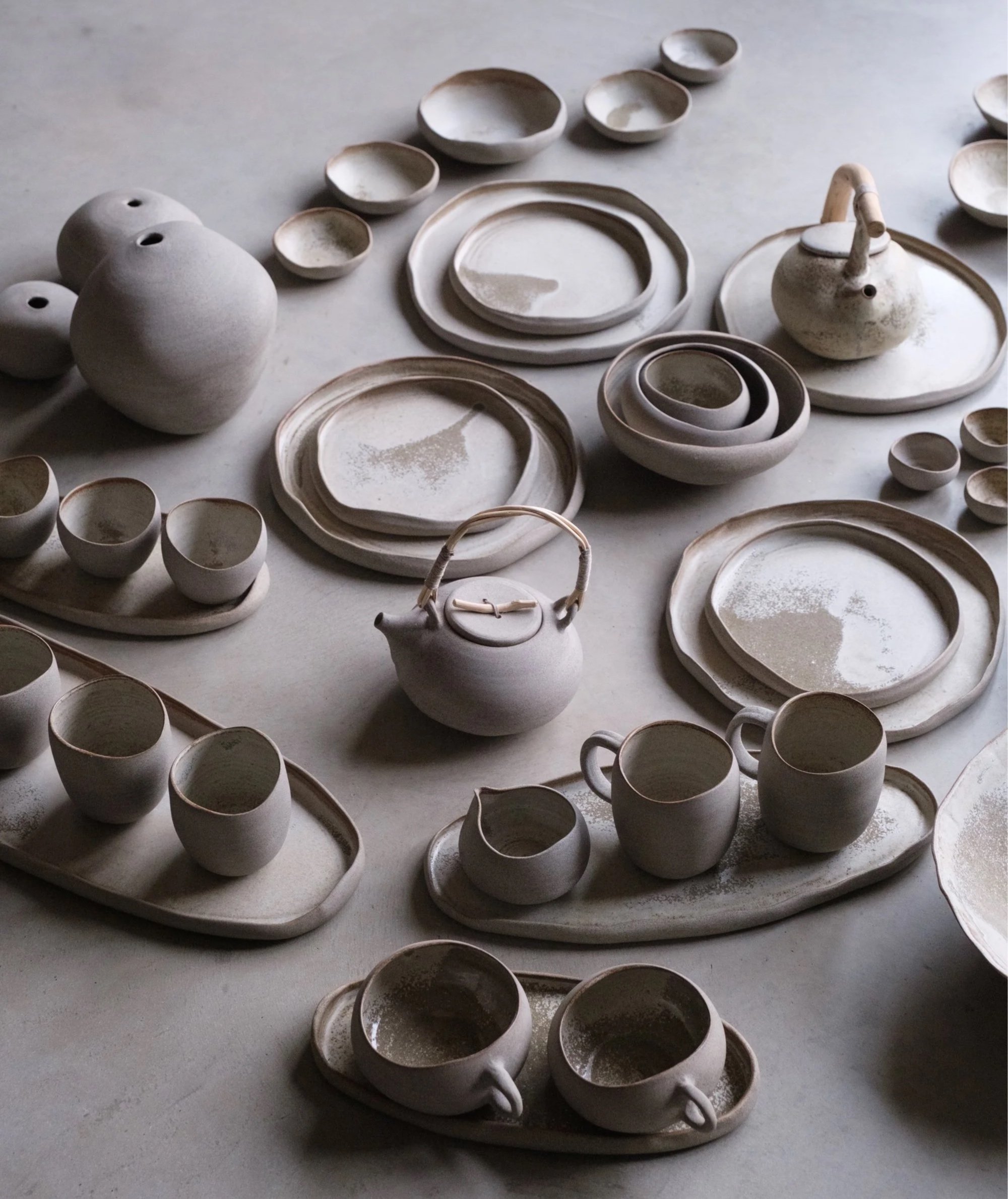
YOUR OWN WEBSITE
Having my own website — which I built entirely from scratch with zero IT background — has been one of the most valuable long-term investments in my business. A well-optimised site brings in clients who are actively searching for specific products or styles via Google.
SEO (Search Engine Optimisation) was a complete mystery to me at first, but what worked was simply writing a lot: detailed product descriptions, an about page, blog posts, and repeating relevant keywords naturally throughout the site.
Pros:
Full control over your brand and pricing
Professional credibility
Clients find you through Google searches
No marketplace dependency
Cons:
Most time-consuming option
Requires ongoing updates and optimisation
With user-friendly platforms like Shopify and Squarespace (which I use), building and maintaining a website has become far more accessible — but it still requires consistent effort.
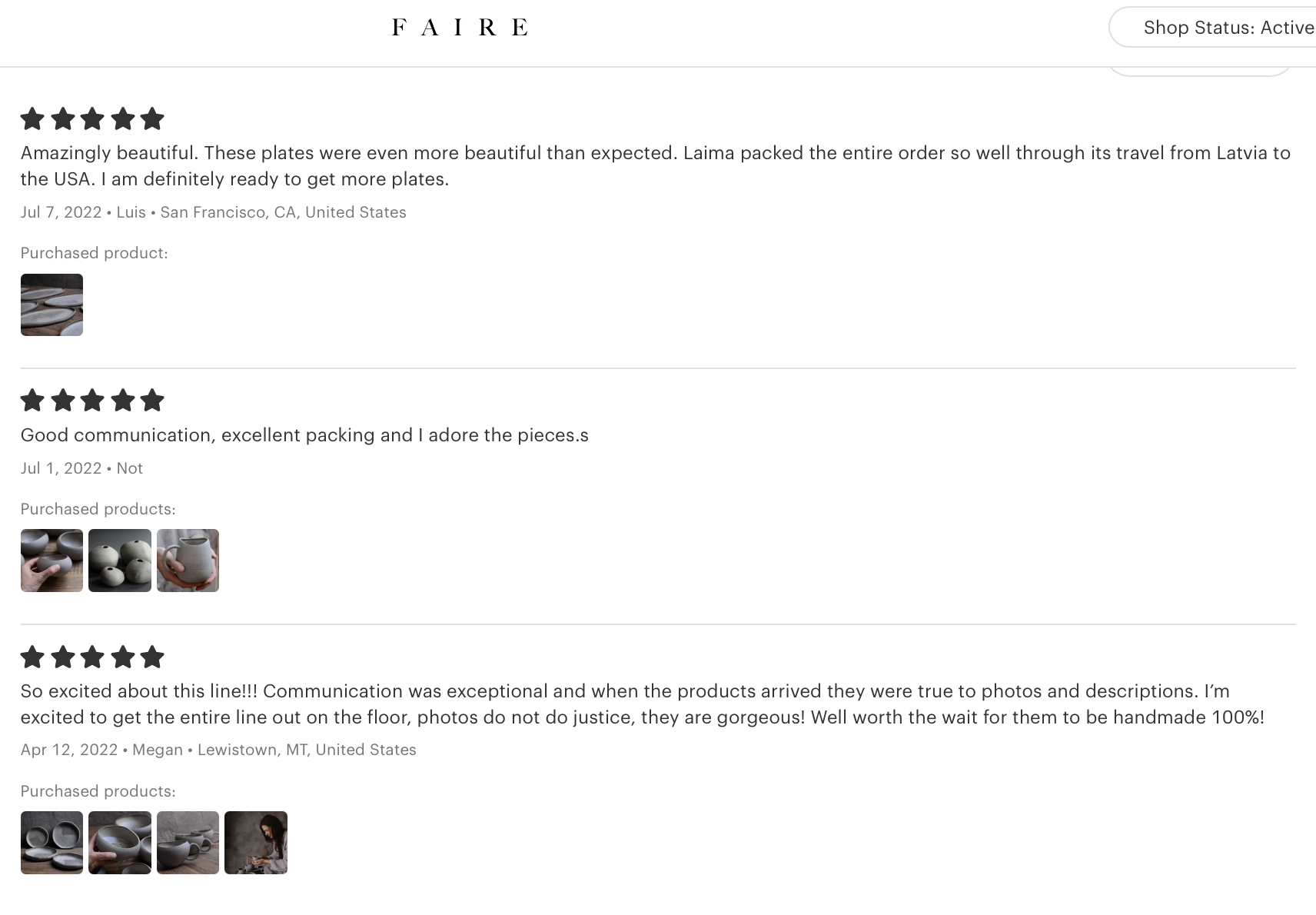
FAIRE
We joined this online wholesale platform in 2020, and honestly — it saved my business during the pandemic when galleries and restaurants temporarily stopped ordering.
FAIRE is surprisingly straightforward: you upload listings similarly to Etsy. The initial setup can feel overwhelming as you need to input detailed information such as packaging weight, dimensions, customs tariff codes, and item specifications. However, once you establish a system, it becomes routine.
One concern many makers share is whether they will be able to repeat the "same" item consistently. This can feel daunting at first. My experience has been that FAIRE buyers are very understanding of the handmade ceramic process. They are there specifically looking for UNIQUE work — not factory-perfect repetition. What has worked well for me is being very clear in my descriptions and showing detailed images that highlight the natural differences and variations clients can expect.
Key features:
Ability to list unique one-off items or full collections
Clients can pre-order from your archive
Flexible minimum order quantities (MOQ)
I personally prefer working in small batches, so my standard MOQ is 12 pieces. However, this varies depending on the collection. For special-effect ranges like gold lustre or crystalline glazes — which require specific firing temperatures — I set higher MOQs, as my kiln accommodates around 50–100 pieces per firing.
Pros:
Strong exposure to retailers worldwide
Streamlined wholesale process
Buyers knowledgeable about handmade production
Excellent during slow periods
Cons:
Time investment for setup
Platform commission structure (0-25% fee)
WESCOVER
Wescover feels like a hybrid of Etsy, Faire, and Pinterest, blending visual discovery with both retail and wholesale functionality. While I haven’t used it extensively yet, I maintain a profile as it continues to grow in popularity and activity.
One of its strongest features is the flexibility to sell B2C while also offering wholesale pricing for B2B clients. Their suggested wholesale discount is around 30%, which feels fair and realistic within standard margins.
Pros:
Visually-driven platform
Dual retail and wholesale options
Growing marketplace presence
Cons:
Less established than Etsy or Faire
SOCIAL MEDIA & OFFLINE SELLING
Before the era of social media, my very first clients came from craft market stands. Sometimes it really can be as simple as having a table at the right event and a stack of business cards. These in-person encounters often lead to long-term relationships and repeat wholesale clients.
While online marketing can feel like a big and sometimes overwhelming investment, it’s worth remembering that in the past, makers spent that same time packing cars, driving halfway across the country (or the world), and standing behind stalls for days on end. Participating in large trade shows like NY NOW, LIFESTYLE Tokyo, or Maison & Objet was — and still is — a powerful way to gain exposure. We were fortunate to take part in international fairs through the Latvian national stand with support from LIAA.
Today, social media acts as a bridge between these two worlds: it allows you to showcase your process, personality, and finished work without leaving your studio. While it requires consistency, it also replaces many of the logistics once required for physical selling.
Both approaches remain valid — and often the most effective strategy is a mix of digital presence and real-world interaction.
Final Thoughts
There is no single "perfect" platform for selling handmade ceramics. The most successful approach for me has been using a blend of avenues that support each other — marketplaces for visibility and my own website for long-term branding and stability.
If you’re a potter or maker looking to expand into wholesale, my best advice is to start simple, test one platform at a time, and allow your systems to grow alongside your skills.
Your location doesn’t limit your audience — your visibility does.